When Do You See Weight Loss with Ozempic?
Introduction
Have you ever wondered how long it takes to start losing weight after beginning a new medication? For many of us on a weight loss journey, the anticipation of seeing results can be both exciting and nerve-wracking. This is especially true for those considering Ozempic (semaglutide) as a weight loss aid. Originally designed to manage Type 2 diabetes, Ozempic has gained attention for its potential to assist in weight management. But the question on many minds is: when do you see weight loss with Ozempic?
In this blog post, we will delve deep into the timeline of weight loss associated with Ozempic, how the medication works, what to expect during treatment, and how to maximize your results. By the end of this post, you will have a clear understanding of what factors influence weight loss with Ozempic and how to navigate your journey effectively.
We understand that weight loss is a highly personal experience, and at TrimRx, we’re dedicated to providing individualized care through our personalized weight loss programs. So, let’s explore this topic together and uncover the insights you need to make informed decisions on your path to a healthier lifestyle.
Understanding Ozempic and Its Mechanism
Ozempic is a GLP-1 (glucagon-like peptide-1) receptor agonist that was approved by the FDA in 2017 primarily for the treatment of Type 2 diabetes. It works by mimicking the GLP-1 hormone, which helps regulate blood sugar levels and appetite. By stimulating insulin secretion and inhibiting glucagon release when glucose levels are high, Ozempic helps control blood sugar levels. Additionally, it slows gastric emptying, which can lead to reduced appetite and calorie intake.
The weight loss effects of Ozempic are a result of these mechanisms. When patients experience a decrease in appetite and an increase in feelings of fullness, they tend to consume fewer calories. However, it is important to understand that Ozempic is not a quick-fix solution; it requires time and commitment to see substantial changes.
What to Expect in the Initial Weeks
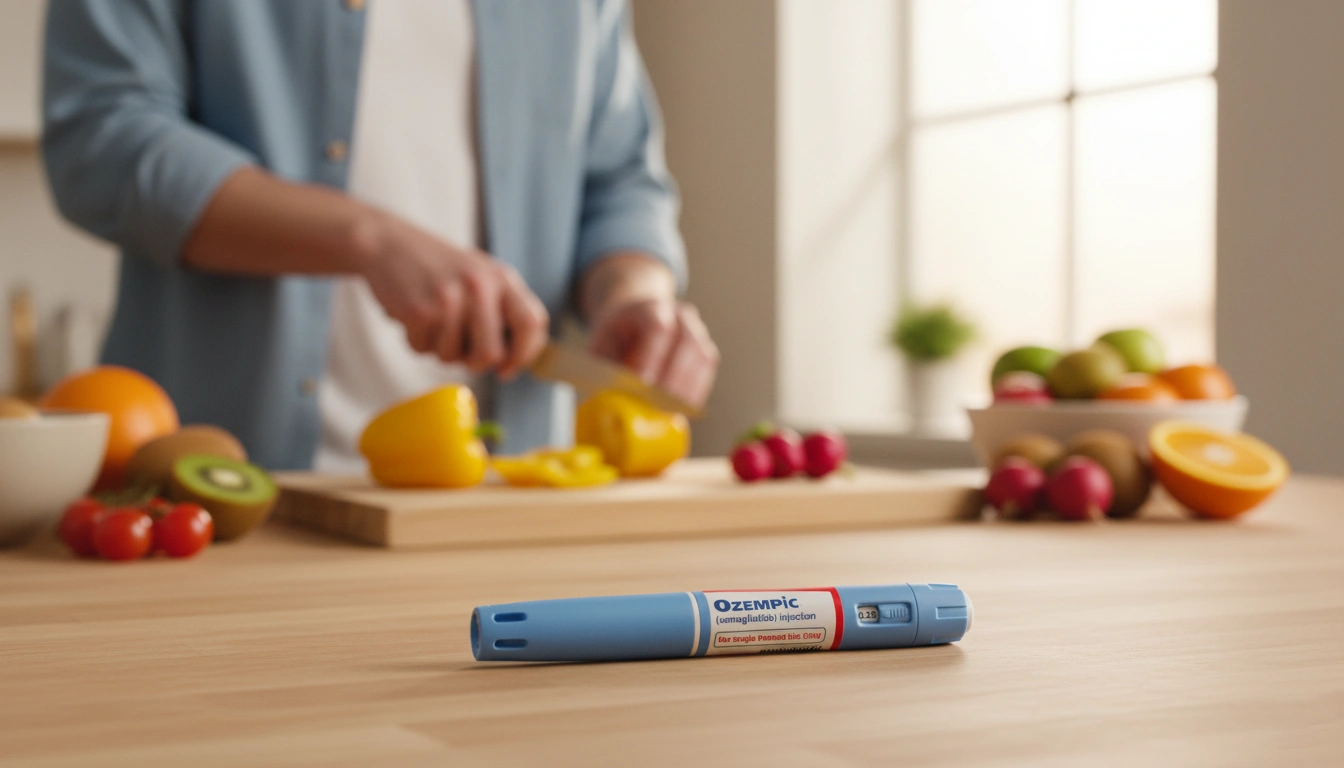
When starting Ozempic, most individuals begin with a low dose of 0.25 mg per week. This gradual approach allows your body to adjust to the medication, minimizing potential side effects such as nausea and gastrointestinal discomfort. During the first few weeks, you may not notice significant weight loss as your body acclimates to the medication.
It is not uncommon for patients to experience subtle changes—such as a reduction in cravings or a feeling of fullness—within the first two to three weeks. However, noticeable weight loss often begins around four to eight weeks into treatment, especially as the dosage is increased based on individual tolerance and response.
The Timeline of Weight Loss with Ozempic
Research indicates that weight loss results can vary significantly from person to person. In clinical trials, patients using semaglutide have experienced different rates of weight loss. Here’s a general timeline of what to expect:
- Weeks 1-4: Initial adjustments occur, with some patients reporting minor changes in appetite. Significant weight loss is not typically observed during this time.
- Weeks 4-8: Many individuals may begin to notice a gradual decrease in weight, with some reports of a few pounds lost. This is when Ozempic starts to take effect more noticeably.
- Weeks 8-12: At this point, patients often see more substantial weight loss, with averages reported around 5-10% of initial body weight. This is especially true for those who have increased their dosage during this period.
- Months 3-6: Continued weight loss can be expected, with some studies showing average weight reductions of around 10-15% of body weight by the six-month mark. This is when the effects of the higher doses (up to 2 mg per week) become more pronounced.
Factors Influencing Weight Loss with Ozempic
While Ozempic can be a powerful tool for weight management, several factors influence how quickly and effectively an individual may lose weight:
- Dosage: The effectiveness of Ozempic increases with dosage. Most patients start at 0.25 mg and may work up to 1 mg or 2 mg, which has been shown to yield better results.
- Individual Metabolism: Each person’s metabolism is unique, affecting how quickly they respond to Ozempic. Some may lose weight faster than others based on metabolic rate.
- Dietary Choices: Integrating healthy eating habits and balanced nutrition can significantly enhance results. We encourage our patients to focus on whole foods, lean proteins, and plenty of fruits and vegetables.
- Physical Activity: Incorporating regular exercise can help maximize weight loss. While Ozempic aids in appetite control, combining it with a solid lifestyle can lead to more substantial results.
- Support and Guidance: At TrimRx, we believe that personalized care and ongoing support are essential for success. Our programs provide tailored advice, including dietary recommendations and exercise plans, to enhance your journey.
The Role of Lifestyle Changes
Weight loss medications like Ozempic are most effective when combined with a healthy lifestyle. Here are some strategies to enhance your weight loss while on Ozempic:
- Stay Hydrated: Drinking enough water can help manage hunger and support overall health.
- Mindful Eating: Pay attention to your food choices and portion sizes. Slowing down during meals can lead to better satiety signals.
- Regular Exercise: Aim for at least 150 minutes of moderate-intensity exercise per week. This could include walking, cycling, or any activity you enjoy.
- Sleep and Stress Management: Lack of sleep and high-stress levels can impact weight loss. Prioritize rest and consider mindfulness practices to manage stress.
- Consistency: Stay committed to your treatment plan and lifestyle changes. Regular check-ins with your healthcare provider can help you stay accountable.
Potential Side Effects of Ozempic
While Ozempic can provide significant benefits for weight loss and blood sugar control, it is crucial to be aware of potential side effects. Common side effects include:
- Nausea
- Vomiting
- Diarrhea
- Constipation
- Abdominal pain
These side effects often diminish over time as your body adjusts to the medication. If side effects are persistent or severe, it’s essential to consult with your healthcare provider for guidance.
Long-Term Considerations
Ozempic is intended for long-term use in managing weight and diabetes. However, as with any medication, some patients may need to discontinue use due to side effects or other health concerns. It’s important to have a plan in place for maintaining weight loss once you stop using Ozempic. This may include continued lifestyle changes, support from healthcare providers, and potentially transitioning to other weight management strategies.
Conclusion
In summary, the timeline for weight loss with Ozempic can vary widely among individuals. While some may see initial changes within a few weeks, more substantial weight loss often occurs after four to eight weeks of consistent use, particularly as the dosage is adjusted. Combining Ozempic with a healthy lifestyle, including nutritious eating and physical activity, can enhance your results and promote long-term success.
At TrimRx, we are committed to supporting your weight loss journey with personalized care and ongoing guidance. If you’re interested in exploring whether Ozempic or another weight loss solution is right for you, we invite you to take our free assessment quiz. Together, we’ll find the best path for your unique needs.
FAQ
How quickly can I expect to lose weight on Ozempic?
Weight loss can start to become noticeable within four to eight weeks of starting Ozempic, particularly as the dosage is increased.
Does everyone lose weight at the same rate on Ozempic?
No, weight loss varies by individual due to factors like metabolism, dietary choices, and activity levels.
Can I take Ozempic long-term?
Ozempic is designed for long-term use; however, a healthcare provider can help determine the best course of action based on individual health and needs.
What should I do if I experience side effects?
If side effects are bothersome or severe, consult your healthcare provider. They may adjust your dosage or recommend alternative strategies.
How can I maximize my weight loss with Ozempic?
Combining Ozempic with healthy dietary choices, regular exercise, and support from healthcare providers can enhance your weight loss results.
For further insights and personalized support on your weight loss journey, consider our quick-access supplements like GLP-1 Daily Support and Weight Loss Boost. Together, we can achieve your weight loss goals!

Transforming Lives, One Step at a Time
Keep reading

Ozempic and Heart Health: The Cardiovascular Benefits Explained
Most people start Ozempic to lose weight. But somewhere along the way, researchers noticed something unexpected: patients taking semaglutide were also having fewer heart…

Optimizing Wellness: How Does Ozempic Help Diabetics and Support Metabolic Health?
Discover how does ozempic help diabetics by regulating insulin, protecting the heart, and managing weight. Learn the science behind semaglutide and start your journey today.

How to Help with Nausea from Ozempic: Practical Strategies for Your Comfort
Learn how to help with nausea from Ozempic with our expert guide. Explore dietary tips, lifestyle changes, and mindful habits to manage side effects effectively.


