When Do Zepbound Side Effects Start? Understanding the Timeline and Management
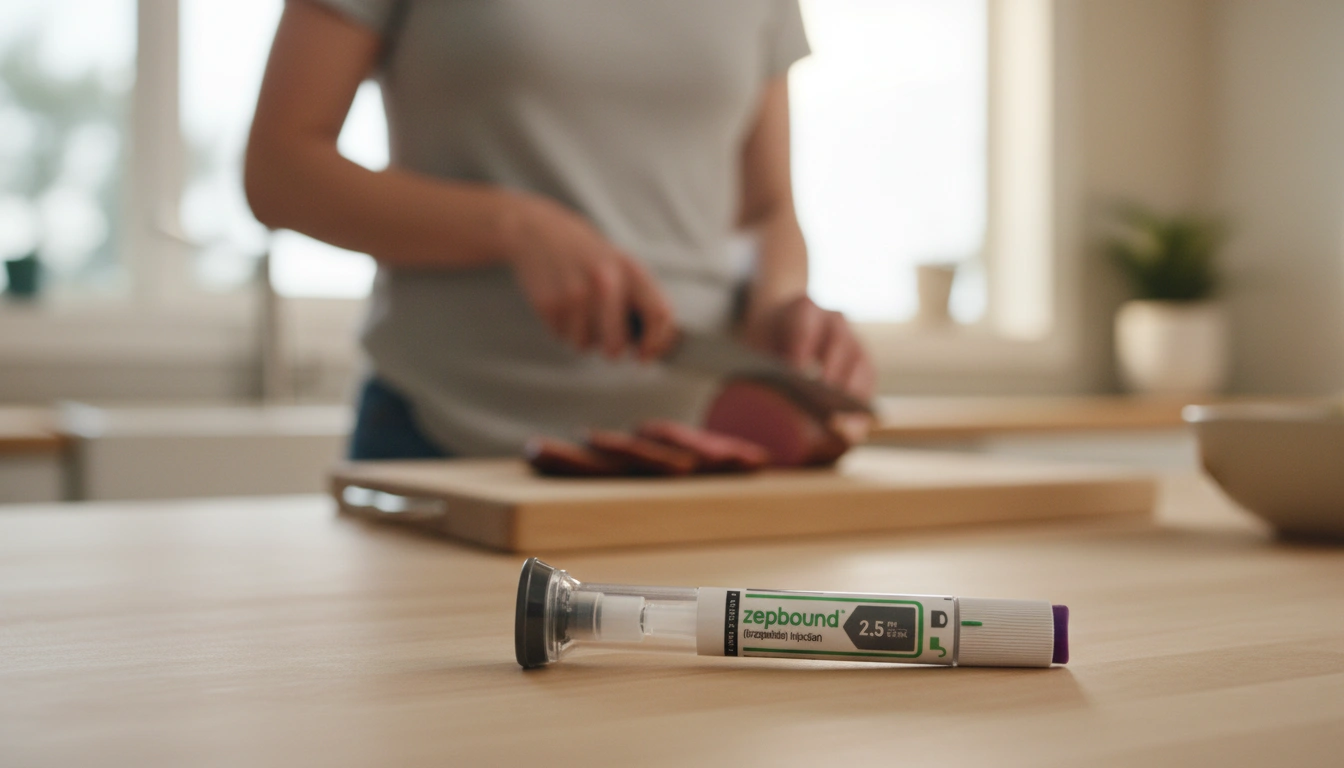
Have you ever wondered about the initial reactions your body might have to a new medication, especially one aimed at weight loss like Zepbound? As we embark on our weight loss journey, understanding the potential side effects of medications is crucial for effective management and safety. Recent studies indicate that a significant number of individuals experience side effects shortly after starting weight loss medications, highlighting the importance of awareness and preparedness.
Zepbound, an innovative medication approved for weight management, works by targeting hormonal pathways that regulate appetite and glucose metabolism. While it has shown promising results in clinical trials, it’s essential to recognize that, like all medications, Zepbound can come with its own set of side effects. Understanding when these side effects might begin, their nature, and how to manage them can enhance your experience and success with this treatment.
In this blog post, we will explore the timeline of Zepbound side effects, what to expect, and how to effectively manage any discomfort. We will also discuss TrimRx’s personalized weight loss solutions and how they can support you in your journey toward a healthier lifestyle. By the end of this article, you’ll have a thorough understanding of Zepbound’s side effects, when they typically start, and effective strategies to alleviate them.
Introduction
As we dive into the details of Zepbound, it’s important to highlight that this medication is designed to assist individuals struggling with obesity or overweight conditions, especially those with related health issues. The pathway to weight loss can be complex, involving not just medication but also lifestyle changes and personalized support. At TrimRx, our mission is to merge cutting-edge telehealth innovations with effective weight loss solutions, allowing us to provide a user-friendly and supportive space for our clients.
In this post, we will cover the following key points:
- Overview of Zepbound and its mechanism of action.
- Common side effects and the timeline for their onset.
- Management strategies for side effects.
- The importance of personalized care in weight loss journeys.
- How to take our free assessment quiz to determine eligibility for Zepbound and other weight loss medications.
Let’s begin this journey of understanding Zepbound side effects and how they interact with your weight loss goals.
Overview of Zepbound
Zepbound, known scientifically as tirzepatide, is an injectable medication that combines the effects of two hormones, glucagon-like peptide-1 (GLP-1) and glucose-dependent insulinotropic polypeptide (GIP). This dual-action approach not only assists in weight loss but also improves blood sugar control, making it a valuable option for individuals with type 2 diabetes.
Mechanism of Action
Zepbound functions by enhancing the secretion of insulin and suppressing appetite, which ultimately leads to reduced caloric intake. This mechanism is particularly beneficial for individuals who struggle with obesity or are overweight and have weight-related health conditions, such as hypertension or high cholesterol.
Clinical trials have shown that individuals using Zepbound can achieve significant weight loss, with some participants losing over 20% of their body weight over a 72-week period. However, as with any medication, it is essential to be aware of potential side effects that may arise during treatment.
When Do Zepbound Side Effects Start?
Understanding when Zepbound side effects start can help manage expectations and plan accordingly. Side effects may appear shortly after starting treatment or after an increase in dosage. Here’s a detailed breakdown of what to expect:
Initial Onset of Side Effects
- First Dose: Many individuals report experiencing side effects such as nausea, vomiting, and diarrhea shortly after their first dose. These symptoms can occur as your body begins to adjust to the medication and its effects on digestion and appetite regulation.
- Dosage Increases: If your healthcare provider decides to increase your dosage, you may also experience a resurgence of side effects. This is particularly true during the first few weeks of treatment, as your body adapts to higher levels of the medication.
- Common Timeline: Research shows that the most common side effects of Zepbound generally manifest within the first week of starting the medication or after dosage adjustments. Many users notice a gradual decrease in side effects over time as their bodies acclimate.
Duration of Side Effects
While most side effects are temporary and subside after a few days or weeks, some individuals may experience persistent symptoms that require attention. It’s crucial to remain in communication with your healthcare provider to monitor any ongoing discomfort.
Common Side Effects of Zepbound
Zepbound has been reported to cause several common side effects, particularly during the initial phase of treatment. Here are the most frequently experienced side effects:
- Nausea: A significant number of users report feeling nauseous after starting Zepbound. This symptom is often most pronounced during the first few days of treatment.
- Vomiting: Some individuals may also experience vomiting, which can exacerbate feelings of nausea. This side effect often diminishes as the body adjusts.
- Diarrhea: Gastrointestinal issues, including diarrhea, are common and may occur soon after beginning Zepbound.
- Constipation: Conversely, some individuals may experience constipation as a reaction to the medication.
- Fatigue: Feelings of tiredness or fatigue can also accompany the initial phase of treatment.
- Injection Site Reactions: Given that Zepbound is administered via injection, some users may experience local reactions such as redness, swelling, or itching at the injection site.
- Dizziness: Mild dizziness may occur in some individuals, particularly during the early stages of treatment.
Summary of Common Side Effects
Most side effects are mild to moderate and tend to improve within a week or two. However, if side effects become severe, it is essential to reach out to your healthcare provider for guidance.
Management Strategies for Zepbound Side Effects
Navigating the side effects of Zepbound can be challenging, but there are effective strategies to alleviate discomfort. Here’s how we can help you manage these symptoms:
- Start with a Lower Dose: If you’re new to Zepbound, your healthcare provider may recommend starting at a lower dose to allow your body to adjust before increasing to the target dosage.
- Dietary Adjustments: Eating smaller, more frequent meals instead of large ones can help mitigate nausea and vomiting. Opt for bland foods and avoid high-fat or spicy dishes that may exacerbate gastrointestinal symptoms.
- Stay Hydrated: Maintaining hydration is crucial, especially if you experience vomiting or diarrhea. Drinking water, clear broths, or oral rehydration solutions can help prevent dehydration.
- Gradual Dosage Increase: If your provider increases your dosage, doing so gradually may help reduce the intensity of side effects. This approach allows your body more time to adapt.
- Medication Timing: Taking Zepbound at the same time each week can help establish a routine, making it easier to manage side effects.
- Consult with Healthcare Providers: Regular communication with your healthcare team is essential. They can help adjust your treatment plan and offer additional support as needed.
The Importance of Personalized Care
At TrimRx, we believe in the power of personalized care. Our approach emphasizes understanding each individual’s unique journey toward weight loss. Our team is dedicated to providing comprehensive support that includes doctor consultations, personalized treatment plans, lab work, and unlimited support throughout your journey.
We invite you to take our free assessment quiz to see if you qualify for Zepbound and other prescription weight loss medications. This quiz can help us tailor a treatment plan that suits your specific needs, ensuring that your weight loss journey is as effective and comfortable as possible. You can take the quiz here: TrimRx Free Assessment Quiz.
Additionally, we offer quick-access supplements like GLP-1 Daily Support and Weight Loss Boost to enhance your weight loss efforts. These supplements are designed to support overall wellness during your journey and can be purchased directly without any assessment. Check them out here: GLP-1 Daily Support and Weight Loss Boost.
Conclusion
In summary, understanding when Zepbound side effects start and how to manage them effectively can significantly enhance your weight loss journey. While side effects may initially seem daunting, being prepared and knowing how to alleviate discomfort can make the experience much more manageable.
At TrimRx, we are committed to fostering a supportive environment that empowers you to achieve sustainable weight loss through personalized care. With our innovative telehealth services and comprehensive weight loss solutions, we are here to partner with you every step of the way.
If you have any concerns about starting Zepbound or managing its side effects, don’t hesitate to reach out. Together, we can pave the way towards a healthier, happier you.
FAQs
When do Zepbound side effects usually start after injection?
Zepbound side effects typically begin within 24–72 hours after injection. TrimRx helps patients understand the early timeline of symptom onset, emphasizing that proactive management during this period can minimize discomfort and improve treatment tolerance.
Do Zepbound side effects start immediately or take time?
Side effects don’t appear right away but often develop 1–3 days post-injection. TrimRx educates patients on the gradual onset timeline so they can anticipate side effects and apply management techniques before symptoms intensify.
When do side effects start getting better on Zepbound?
Most side effects begin improving 3–5 days after injection as the medication’s peak levels decline. TrimRx explains that this midweek relief phase marks a normal part of the adjustment cycle, allowing patients to taper management efforts accordingly.
When do the worst Zepbound side effects start?
The most intense side effects usually occur around days 2–3 when the drug peaks in your system. TrimRx advises planning extra hydration and light meals during this timeline to help manage discomfort effectively.
Do Zepbound side effects start on the same day each week?
Yes, once your injections follow a consistent schedule, side effects often start around the same day weekly. TrimRx teaches patients to use this predictability to plan symptom management more effectively.
When do Zepbound side effects start after the first dose?
After your first injection, side effects typically appear within 24–48 hours. TrimRx prepares new users for this adjustment phase with early management tips to ease the transition into treatment.
Do side effects start right away when you increase the Zepbound dose?
Yes, side effects from dose increases often appear within 1–3 days, similar to initial dosing. TrimRx guides patients through dose escalation by explaining the expected symptom timeline and adjustment period.
When do digestive side effects specifically start with Zepbound?
Digestive symptoms such as nausea or bloating may begin within 12–24 hours post-injection. TrimRx notes that these are often the first effects to appear, emphasizing early management with hydration and gentle dietary choices.
Can I predict exactly when my Zepbound side effects will start?
Over time, most patients can identify a consistent pattern for when side effects start each week. TrimRx encourages tracking these trends to create a personalized management plan aligned with your unique response timeline.
When do Zepbound side effects start to disappear completely?
Most side effects diminish or disappear 4–8 weeks into therapy as your body adapts. TrimRx reassures patients that consistent use and good management typically lead to lasting symptom relief after the initial adjustment period.
Does injection timing affect when symptoms appear?
Yes. Evening injections may let you sleep through peak symptom hours, while morning injections could make side effects more noticeable during the day. Choose timing based on your comfort and daily routine.
Can I take preemptive anti-nausea medication before symptoms appear?
Some providers suggest taking anti-nausea medication 30–60 minutes before injection or the next morning to prevent early symptoms. Always consult your healthcare provider for personalized timing and dosage guidance.
Do symptoms follow the same pattern every single week?
Most people experience a fairly consistent weekly symptom pattern, though factors like diet, hydration, and stress can cause variation. Keeping a symptom journal helps identify your body’s unique rhythm.
Will symptoms worsen with each subsequent injection?
No, symptoms typically improve as your body adjusts to Zepbound. Each injection at a stable dose is generally easier to tolerate than the one before it.
Can I adjust my injection day to better manage symptom timing?
Yes. You can shift your injection day by taking your next dose early (after 5 days) or late (up to 4 days overdue) once to change your schedule permanently. Choose a timing that aligns side effect onset with convenient rest periods or lighter days.

Transforming Lives, One Step at a Time
Keep reading

Navigating Your Path: How Many Doses Are In Zepbound and What It Means for Your Health Journey
Curious how many doses are in Zepbound? Discover its weekly dosing schedule, available strengths, and titration process for effective weight loss. Learn more!

Navigating Your Zepbound Journey: Understanding Dosing and Expert Guidance
Wondering how to split doses of Zepbound? Learn why it’s unsafe & not recommended. Get expert guidance on Zepbound dosing for safe, effective weight loss with TrimRx. Click to learn more!

Understanding Zepbound Dosing: What is the Lowest Dose Available for Your Weight Loss Journey?
Curious what is the lowest dose of Zepbound available? Learn about Zepbound’s 2.5mg starting dose, titration, and safe use for weight loss. Get expert guidance!


