When Do Zepbound Side Effects Start? A Timing Guide
Introduction
Starting a new weight loss medication often brings a mixture of hope and hesitation. If you are considering Zepbound®, a common question is when you might begin to feel the impact of the medication, both in terms of appetite suppression and potential side effects. At TrimRx, we prioritize helping you navigate these transitions with clarity and clinical insight. This post covers the typical timeline for side effects, why they occur, and how you can manage them as your body adjusts to the treatment. Most individuals find that gastrointestinal symptoms are the most common early experiences, often appearing within the first few days of the initial dose. Understanding this schedule is vital for maintaining consistency and achieving long-term health goals.
If you are considering whether a supervised tirzepatide program may be appropriate for you, you can complete a free eligibility assessment.
The Science Behind the Timing
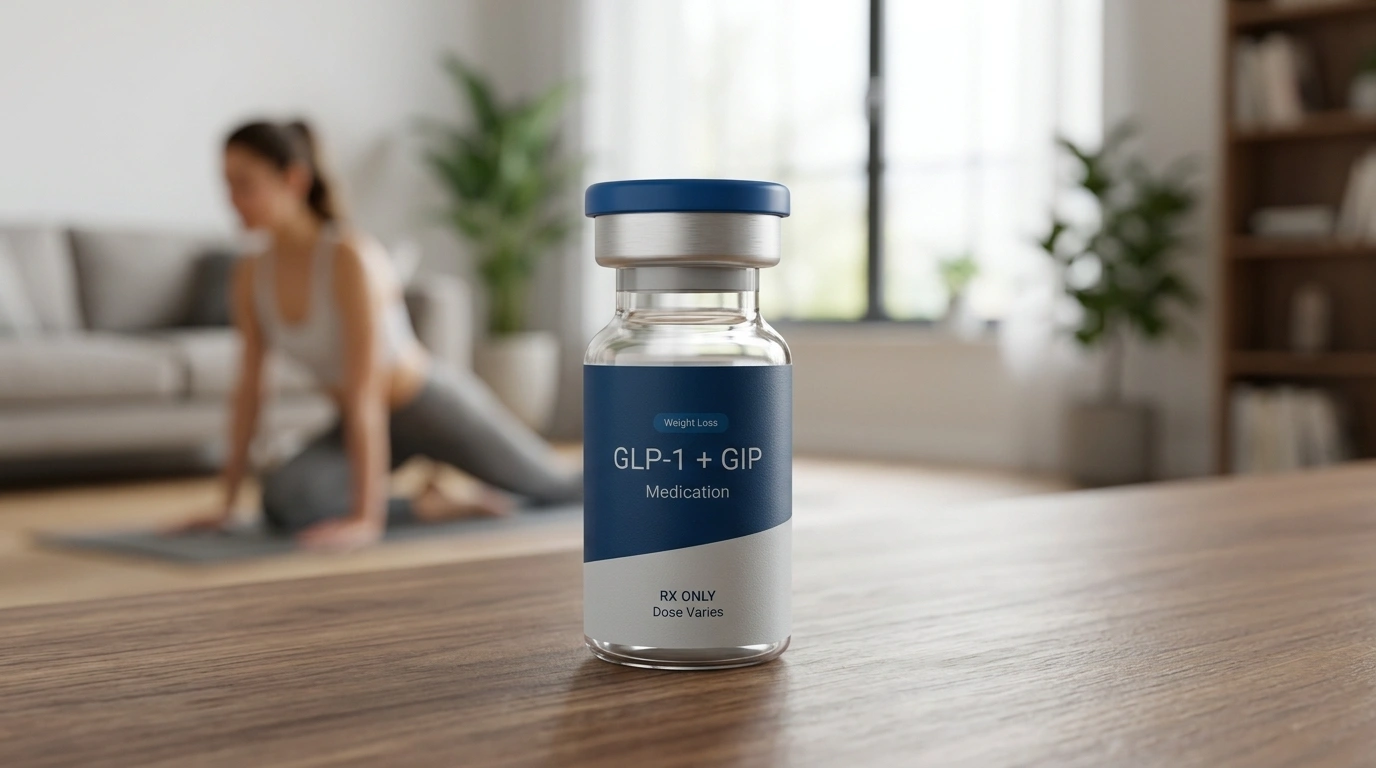
To understand when side effects start, it is helpful to understand how the medication works within your system. Zepbound® contains the active ingredient tirzepatide. Tirzepatide is a dual-receptor agonist, meaning it mimics two natural hormones in the body: glucagon-like peptide-1 (GLP-1) and glucose-dependent insulinotropic polypeptide (GIP).
These hormones play a significant role in how your body processes food and signals fullness. Specifically, they slow down gastric emptying, which is the speed at which food leaves your stomach and enters the small intestine. While this helps you feel full for longer periods, the sudden shift in digestive speed is often the primary cause of early side effects.
For additional background, read this guide to how tirzepatide dosing works and why gradual escalation matters.
The Absorption Phase
Once you administer an injection, the medication does not enter the bloodstream all at once. It gradually reaches its peak concentration. For most people, the highest level of the medication in the blood occurs between 8 and 72 hours after the injection. This peak window is typically when the most noticeable side effects, such as nausea or indigestion, begin to surface.
The Half-Life Factor
The half-life of tirzepatide is approximately five days. This means that five days after your dose, about half of the medication is still active in your system. Because the medication lingers, side effects may not disappear immediately after the first 24 hours. Instead, they might persist at a lower intensity throughout the week as your body works to metabolize the dose.
Immediate Side Effects: The First 72 Hours
For the majority of patients, the onset of side effects occurs very early in the treatment process. If you are going to experience acute symptoms, they often manifest within the first one to three days following your first injection.
Nausea is the most frequently reported early symptom. Because the medication is signaling your brain that you are full while simultaneously slowing down your stomach, your digestive system may feel “heavy” or “backed up.” This sensation is often interpreted by the body as mild to moderate nausea.
Vomiting and Diarrhea may also occur in this immediate window. These are typically the body’s reactive response to the change in hormone levels and digestive processing. Many patients report that these symptoms are most intense during the first 48 hours and then begin to subside as the week progresses.
Stomach Pain and Heartburn are common as the delayed gastric emptying causes stomach acid to sit longer than usual. This can lead to a burning sensation in the chest or a feeling of discomfort in the upper abdomen shortly after eating even small amounts of food.
For a broader overview of nausea, constipation, injection-site reactions, and other symptoms, explore this guide to common GLP-1 side effects.
Key Takeaway: The “peak window” for side effects is generally 8 to 72 hours after your injection, coinciding with the highest concentration of the medication in your bloodstream.
The Adjustment Phase: The First Four Weeks
The first month of treatment is often referred to as the adjustment or acclimation phase. Most providers start patients on a low “loading dose” of 2.5 mg. This dose is not typically intended for significant weight loss; rather, its purpose is to let your body get used to the presence of the dual hormones.
Week 1 and Week 2
During the first two weeks, you are essentially introducing a new chemical signal to your gut and brain. Side effects during this time may feel “new” and somewhat unpredictable. You might feel fine one day and experience fatigue or a headache the next. Fatigue is a common side effect that people often overlook. As your body adjusts its metabolic pathways and your caloric intake likely drops, your energy levels may dip during these first 14 days.
Week 3 and Week 4
By the third and fourth weeks, many individuals find that their bodies have begun to stabilize. The nausea that was prominent in the first few days may diminish into a duller sensation of “early fullness.” However, this is also the time when constipation might become more apparent. As the digestive process remains slowed, the stool stays in the colon longer, leading to harder movements.
Bottom line: While the first week often brings the most “active” symptoms like nausea, the latter half of the first month is often characterized by the body finding a new baseline for digestion.
For more detail about the typical starting dose and first month of treatment, review this tirzepatide starting-dose guide.
Side Effects During Dosage Escalation
A unique aspect of medications like Zepbound® is the titration schedule. Every four weeks, a healthcare provider may increase your dosage. This escalation is designed to move you toward a therapeutic level that maximizes weight loss, but it often triggers a “reset” of side effects.
The “Restart” Phenomenon
Many patients report that after their side effects have completely vanished on a 2.5 mg or 5 mg dose, they suddenly return when they move up to 7.5 mg or 10 mg. This is normal. When you increase the dose, you are essentially challenging the body’s receptors with a higher concentration of the hormone mimics.
Timing of the Escalation Peak
Just like the very first dose, the side effects associated with a dose increase typically start within 24 to 48 hours of that specific injection. If you find that you are sensitive to these changes, you may want to plan your dose increases for a time when you have a lighter schedule, such as a Friday evening or a weekend.
Read more about when to increase a tirzepatide dose and what to expect during escalation.
Less Common but Notable Timing
While gastrointestinal issues are the hallmark of early treatment, other side effects have different timelines.
Injection Site Reactions
Redness, itching, or minor swelling at the site of the injection can happen within minutes or hours of the shot. These usually resolve within a day or two and do not necessarily mean you will have internal side effects like nausea.
Hair Thinning (Telogen Effluvium)
Some people notice hair thinning several months into their journey. It is important to note that this is usually not a direct side effect of the medication itself, but rather a reaction to rapid weight loss. This typically starts 3 to 6 months after a significant change in caloric intake or body weight begins.
Gallbladder Issues
In rare cases, rapid weight loss can lead to gallbladder stones or inflammation. This is a “late-stage” concern that would typically develop after several months of sustained weight loss rather than in the first few weeks of starting the program.
Why Do Some People Experience No Side Effects?
It is a common misconception that the medication is “not working” if you do not feel sick. Everyone’s “hormonal architecture” is different. Some individuals have a higher natural tolerance for GLP-1 and GIP signals, or their digestive systems may adapt more fluidly to the change in gastric emptying.
If you do not experience side effects within the first week, it does not mean your progress will be slower. It simply means your body is tolerating the titration well. Clinical studies showed that while many people experienced side effects, a significant percentage of participants moved through the dose increases with very minimal discomfort.
Managing the Early Timeline
Since we know that the first 72 hours are the most critical for side effect onset, you can take proactive steps to minimize the impact.
- Hydration is Critical: Dehydration can worsen nausea and headaches. Aim to drink water consistently throughout the day of your injection and the two days following.
- Prioritize Electrolytes: Sometimes water isn’t enough. Adding an electrolyte supplement can help manage the fatigue and “brain fog” that some people feel in the first few days.
- Modify Your Diet Before the Shot: Avoid high-fat, greasy, or very spicy meals the day before and the day of your injection. High-fat foods sit in the stomach even longer when the medication starts working, which significantly increases the risk of vomiting.
- Eat Small, Frequent Meals: Instead of three large meals, try five very small snacks. This prevents the stomach from becoming overly distended, which triggers the nausea response.
People looking for nutritional support during treatment can explore the GLP-1 Daily Support supplement.
Note: If you experience severe abdominal pain, persistent vomiting that prevents you from keeping liquids down, or signs of an allergic reaction (like hives or trouble breathing), contact a healthcare professional immediately.
The Role of Personalized Support
At TrimRx, we believe that you shouldn’t have to navigate these timelines alone. Our platform connects you with licensed healthcare providers who specialize in metabolic health. They can help you determine if your side effects are within the “normal” range and advise you on whether to maintain your current dose or adjust your schedule.
We provide a personalized program that includes medical supervision and access to high-quality treatment options. For those who may not be candidates for branded medications or are looking for different options, we work with FDA-registered, inspected compounding pharmacies that prepare Compounded Tirzepatide. While compounded medications are not FDA-approved, they offer a way for providers to tailor treatment to an individual’s specific needs and health profile.
How the Program Works
If you are ready to start your journey but are worried about the side effects or the process, we have designed a telehealth-first experience that removes the stress of traditional doctor visits.
Step 1: The Assessment Quiz
You start by taking a free health assessment quiz on our platform. This helps our partner providers understand your medical history, your current BMI, and your weight loss goals.
Step 2: Provider Consultation
A licensed professional reviews your data. If appropriate, they will recommend a treatment plan. This is the perfect time to ask questions about the side effect timeline and how to manage your specific health concerns.
Step 3: Ongoing Support
Once you begin your program, you have 24/7 access to specialized support. If side effects start on Day 2 and you aren’t sure what to do, we are here to guide you. Our model includes medical supervision and support throughout your treatment journey.
Long-Term Expectations
As you move past the first few months, the “when” of side effects becomes much more predictable. Most people find that by the time they reach a “maintenance dose,” side effects are nearly non-existent or occur only very occasionally if they overeat or choose high-fat foods.
The goal of the medication is to help you build a new relationship with food. The early side effects, while uncomfortable, are often the body’s way of recalibrating its signals. Over time, the “noise” of constant hunger fades, and the side effects typically fade along with it.
Myth: You have to suffer through side effects for the medication to work.
Fact: Effective weight loss can happen with zero side effects. Side effects are a byproduct of the body adjusting, not a requirement for fat loss.
Practical Tips for Your Injection Day
Since the timing of side effects is so closely linked to the injection itself, many people find success by “timing” their life around their shot.
- Choose Your Day Wisely: Many prefer Thursday or Friday so that if nausea peaks at the 48-hour mark, they are at home over the weekend rather than in a high-stress work environment.
- Evening Injections: Some patients find that taking the injection before bed allows them to “sleep through” the initial onset of the medication’s peak.
- Monitor Your Intake: Keep a simple log for the first two weeks. Note what you ate and when the side effects started. You might find that a specific food (like dairy or coffee) triggers symptoms that the medication then amplifies.
For a closer look at weekly injections, dose timing, and titration, read this tirzepatide dosing and administration guide.
Conclusion
Understanding when Zepbound® side effects start is the first step in taking control of your weight loss journey. While most people will experience some level of gastrointestinal adjustment within the first 72 hours of their dose, these symptoms are typically manageable and temporary. By preparing your body with hydration, choosing the right foods, and working with a dedicated support team, you can move through the adjustment phase with confidence.
At TrimRx, our mission is to empower you with science-backed tools and empathetic care. We offer a transparent, personalized approach to weight loss that fits your lifestyle. Whether you are just starting to research GLP-1 and GIP medications or are ready to begin a supervised program, we are here to support every step of your metabolic health transformation.
If you are ready to see which treatment options are right for you, the best next step is to take our free health assessment quiz. This allows us to connect you with the expertise you need to start your journey safely and effectively.
FAQ
How soon after my first Zepbound shot will I feel nauseous?
If you experience nausea, it typically begins within 8 to 24 hours after the injection. This coincides with the medication beginning to peak in your bloodstream and the slowing of your digestive system. For most, this feeling is strongest during the first two days and gradually fades as the week continues.
Do side effects come back every time I increase my dose?
It is common for side effects to “reset” or return briefly when you move to a higher dosage level. Because your body must acclimate to a stronger hormonal signal, you may experience a day or two of mild nausea or fatigue during the first week of a new, higher dose. These usually subside faster than the side effects felt during the very first month of treatment.
What should I do if my side effects start and won’t go away?
If you experience side effects that last longer than a few days or are severe enough to interfere with your daily life, you should consult your healthcare provider. They may suggest staying on a lower dose for an extra month or offer specific medical advice for managing symptoms like acid reflux or constipation. Never adjust your dosing schedule without professional guidance.
Can I take anything for the side effects when they start?
Many people find relief using over-the-counter options for specific symptoms, such as antacids for heartburn or ginger-based supplements for nausea. Our GLP-1 Daily Support supplement is also designed to help bridge the nutritional gaps and support digestive comfort during treatment. Always check with your provider before adding new supplements to your routine to ensure they are appropriate for your specific health needs.
Disclaimer: This content is for informational purposes only and does not constitute medical advice. It is not intended to diagnose, treat, cure, or prevent any disease or condition. Individual results may vary. Always consult a qualified healthcare professional before starting any weight loss program or medication.

Transforming Lives, One Step at a Time
Keep reading

Massage on Zepbound: What to Know Before Your Appointment
A massage or a spa day should be relaxing. If you take Zepbound or compounded tirzepatide, a few simple steps make sure it is:…

College Move-In Day on Zepbound
Moving a child into college is one of the bigger days in a parent’s life. It is also physically demanding: a long drive, waiting…

Dental Hygienists on Zepbound
Dental hygiene is close, physical work. You see a patient roughly every hour, spend most of the day leaning over the chair, wear a…


