When to Stop Taking Ozempic: Navigating Your Transition Safely
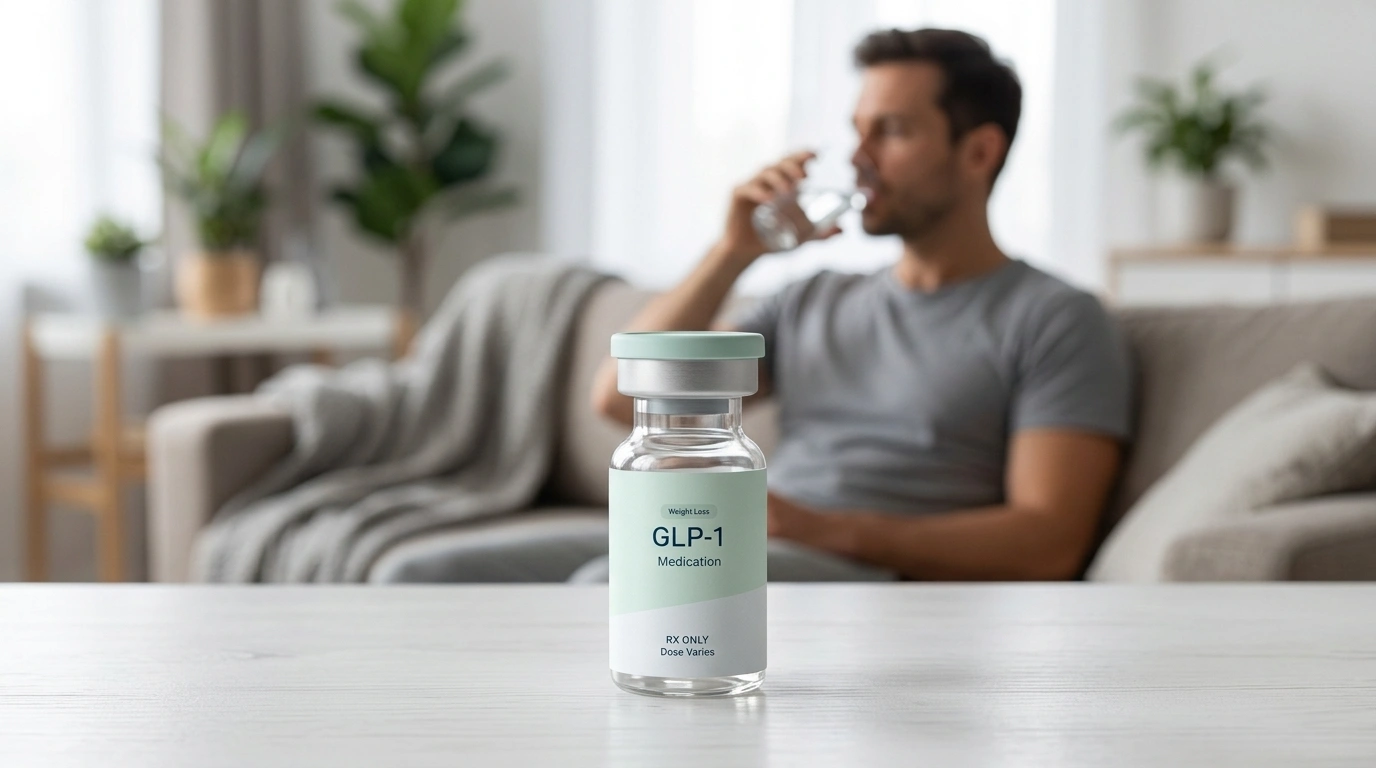
Introduction
Reaching your goal weight or achieving stable blood sugar levels is a significant milestone in any health journey. However, for those using GLP-1 medications, this success often brings a new set of questions regarding the future. You may find yourself wondering if you need to stay on medication forever or how your body will react if you decide it is time to move on. Deciding when to stop taking Ozempic® is a complex choice that involves biological, financial, and lifestyle factors. At TrimRx, the free assessment quiz can help you map out a personalized next step. This article explores the physical and metabolic shifts that occur when discontinuing treatment, the common reasons for stopping, and how to maintain your results through a personalized approach.
Why You Might Consider Stopping Ozempic®
There are several valid reasons why an individual and their healthcare provider might decide to discontinue treatment. While Ozempic® (a brand-name semaglutide injection) is often intended for long-term management of type 2 diabetes, its use for weight management sometimes follows a different timeline.
Reaching Your Health Goals
The most common reason for wanting to stop is simply “crossing the finish line.” If you have reached your target weight and your metabolic markers—such as A1c levels or blood pressure—have stabilized, you may feel ready to maintain these results through lifestyle alone. For many, the medication is viewed as a supportive tool to kickstart a healthier version of themselves.
Managing Persistent Side Effects
While many people tolerate GLP-1 medications well, a small percentage of users experience persistent gastrointestinal issues. Nausea, bloating, constipation, or more severe concerns like gallbladder issues can lead to the decision that the benefits no longer outweigh the impact on daily quality of life.
Financial and Insurance Changes
The cost of branded GLP-1 medications can be a significant hurdle. If insurance coverage changes or the out-of-pocket expense becomes unsustainable, patients often seek an “off-ramp.” If you want to explore a different path, a personalized eligibility assessment can help you understand what options may fit your situation. We understand that consistent access is vital for long-term health, which is why our platform focuses on providing transparent, reliable options for those navigating these challenges.
Personal Preference or Lifestyle Shifts
Some individuals simply prefer not to be on long-term medication. Whether it is “medication fatigue” or a desire to see if habits have truly taken root, the choice to stop is often a personal one discussed during a telehealth consultation.
What Happens in the Body After the Last Dose
To understand when to stop, you must first understand what happens when the medication leaves your system. Semaglutide, the active ingredient in Ozempic®, is a GLP-1 (glucagon-like peptide-1) receptor agonist. It mimics a naturally occurring hormone that tells your brain you are full and slows down the rate at which your stomach empties.
The Return of “Food Noise”
One of the most immediate changes reported by individuals who stop the medication is the return of “food noise.” This term refers to the constant, intrusive thoughts about food, cravings, and the urge to snack. Because the medication was chemically suppressing these signals, their return can feel overwhelming and is often mistaken for a lack of willpower.
Metabolic Adjustments
As the medication levels drop, the body’s rate of gastric emptying returns to its baseline. This means food moves through your digestive system more quickly, and the physical sensation of fullness does not last as long after a meal. Additionally, for those with type 2 diabetes, blood sugar levels may begin to rise, requiring alternative management strategies.
The Half-Life of Semaglutide
Semaglutide has a relatively long half-life of about seven days. This means it takes approximately five weeks for the medication to be fully cleared from your body. You may not notice changes the day after your missed dose, but rather a gradual shift over the first month.
Key Takeaway: Stopping GLP-1 medication triggers a biological reversal of appetite suppression, making it essential to have a maintenance plan in place before the last dose is administered.
The Reality of “Ozempic Rebound” and Weight Regain
The term “Ozempic rebound” has become common in health circles to describe the weight gain that often follows the discontinuation of the drug. Clinical studies have shown that many individuals regain a portion of their lost weight within a year of stopping the medication.
Why Does Regain Happen?
Weight regain is not a personal failure; it is a biological response. The body has a “set point,” a weight range it naturally tries to maintain. When you lose weight, the body often reacts by increasing hunger hormones and slowing down the resting metabolic rate to “defend” its previous weight. Without the GLP-1 medication to counter these signals, the scale can begin to climb.
The Importance of Muscle Mass
If an individual loses weight rapidly without adequate protein intake or resistance training, they may lose muscle mass alongside fat. Muscle is metabolically active tissue that helps burn calories at rest. If muscle mass is significantly lower when you stop the medication, your metabolism may be slower than it was before you started, making maintenance even more difficult.
How to Transition Safely Under Medical Supervision
You should never stop taking Ozempic® or any GLP-1 medication “cold turkey” without consulting a licensed healthcare professional. A supervised transition is critical for both safety and the preservation of your results.
Step-by-Step Tapering
While there is no single standardized “off-ramp” protocol, some providers suggest a gradual tapering of the dose. By slowly reducing the amount of medication, the body and brain may have more time to adapt to the return of natural hunger signals.
Monitoring Metabolic Markers
For individuals using the medication to manage blood sugar or cardiovascular risks, a provider will need to monitor your labs closely. If your A1c or blood pressure begins to trend upward, they may recommend alternative treatments or adjustments to your nutrition plan.
Professional Guidance
A telehealth provider can help you determine if your current lifestyle habits are robust enough to support a transition. They can also provide access to supportive supplements, such as our GLP-1 Daily Support supplement, which is designed to help maintain nutritional balance during and after your program.
Note: If you experience a sudden spike in blood sugar, extreme thirst, or rapid weight gain after stopping, contact your healthcare provider immediately.
Strategies for Maintaining Your Progress Post-Medication
Success after medication depends on the habits you built while on it. Think of the medication period as a “training camp” for your new lifestyle.
Prioritize Protein and Fiber
To combat the return of hunger, focus on satiety. Protein helps maintain muscle mass and keeps you feeling full, while fiber adds bulk to your diet and slows digestion naturally. Aim for a high-protein breakfast to set the tone for the day and prevent late-afternoon cravings.
Consistent Movement
Exercise is perhaps the most critical factor in preventing weight regain.
- Resistance Training: Aim for at least two days a week to protect and build muscle.
- Daily Activity: Walking 7,000–10,000 steps a day helps keep the metabolism active.
- Consistency over Intensity: Finding a routine you enjoy is more important than high-intensity workouts you cannot sustain.
Hydration as a Fullness Tool
Drinking adequate water is essential for metabolic health. Sometimes, the body confuses thirst signals with hunger. Staying hydrated can help mimic some of the fullness sensations you experienced while on medication. If you want additional weight loss boost support as you build those habits, it can be part of a broader maintenance discussion.
Managing the Psychological Shift
Be prepared for the “food noise” to return. Knowing that it is a hormonal signal rather than a character flaw can help you manage it. Practice mindful eating and keep a journal to track how different foods affect your hunger and energy levels.
Restarting Treatment: What You Need to Know
Sometimes, life events or metabolic shifts mean that a person needs to restart their medication. This is a common part of managing a chronic condition like obesity or diabetes.
Starting from the Beginning
If you have been off Ozempic® for more than two weeks, you cannot simply jump back in at your previous high dose. Your body loses its tolerance to the medication relatively quickly. A provider will typically start you back at the lowest dose (usually 0.25 mg) and titrate up over several weeks to avoid severe nausea and gastrointestinal distress. If you are thinking about restarting, take the free assessment quiz so a provider can help you plan the next step.
Exploring Alternatives
If branded medication remains difficult to access or afford, a provider may discuss other options. This could include compounded semaglutide or compounded tirzepatide, which are prepared by FDA-registered, inspected compounding pharmacies. If you are comparing paths for long-term support, see if you qualify for a personalized program before making a decision.
The TrimRx Approach to Sustainable Health
At TrimRx, we understand that weight loss is not a temporary fix but a lifelong commitment to metabolic health. We provide a platform where you can access personalized programs designed by clinical experts. Whether you are looking to start your journey or need a supervised plan to transition toward maintenance, complete a free eligibility assessment to find the right starting point.
Our programs are built on the foundation of telehealth convenience, removing the barriers of waiting rooms and in-person visits. By combining science-backed medication options with ongoing specialist support, we help you navigate the complexities of GLP-1 therapy with empathy and transparency.
Your Next Step
If you are considering stopping your medication or are looking for a more sustainable way to manage your weight, the first step is a professional evaluation. Take the free assessment quiz to determine the best path forward based on your unique medical history and goals.
FAQ
Can I stop Ozempic® cold turkey?
While stopping suddenly does not usually cause “withdrawal” in the traditional sense, it can lead to a rapid return of hunger and a spike in blood sugar for those with diabetes. It is always best to consult with your healthcare provider to create a tapering plan or a lifestyle transition strategy to protect your health and your weight loss results. If you are unsure what to do next, start with the free assessment quiz.
How long does Ozempic® stay in your system after the last dose?
The active ingredient, semaglutide, has a half-life of about seven days. Because it takes multiple half-lives for a drug to be fully eliminated, it generally takes about five to six weeks for the medication to be completely gone from your system. You may notice your appetite returning gradually during this period.
Will I definitely gain weight back if I stop taking the medication?
Weight regain is common but not guaranteed. Clinical data suggests many people regain a significant portion of their weight if they do not maintain rigorous lifestyle changes. Success after stopping often requires a high-protein diet, regular resistance training, and consistent metabolic monitoring to counter the body’s natural urge to return to its previous weight.
What should I do if my “food noise” returns after stopping?
The return of food cravings is a normal biological response as the GLP-1 hormone levels drop. To manage this, focus on eating high-fiber and high-protein foods that promote natural satiety. If the cravings become unmanageable and lead to significant weight regain, speak with your provider about whether a maintenance dose or a different support strategy is right for you. A personalized assessment can help you decide what comes next.
Disclaimer: This content is for informational purposes only and does not constitute medical advice. It is not intended to diagnose, treat, cure, or prevent any disease or condition. Individual results may vary. Always consult a qualified healthcare professional before starting any weight loss program or medication.

Transforming Lives, One Step at a Time
Keep reading

Lunar New Year on Ozempic: Reunion Dinner and Family Visits
For many families, Lunar New Year is the biggest celebration of the year. It begins with a reunion dinner on New Year’s Eve, often…

Passover on Ozempic: The Seder, Matzah and Constipation
Passover brings two challenges for people on Ozempic or another GLP-1. The first is the seder: a long evening meal, often starting late, with…
Getting a Tattoo on Ozempic
Tattoo artists know the signs well: a client who came in without eating, sits for a few hours, goes pale, and starts to feel…


