When to Take GLP 1 Probiotic for Maximum Effectiveness
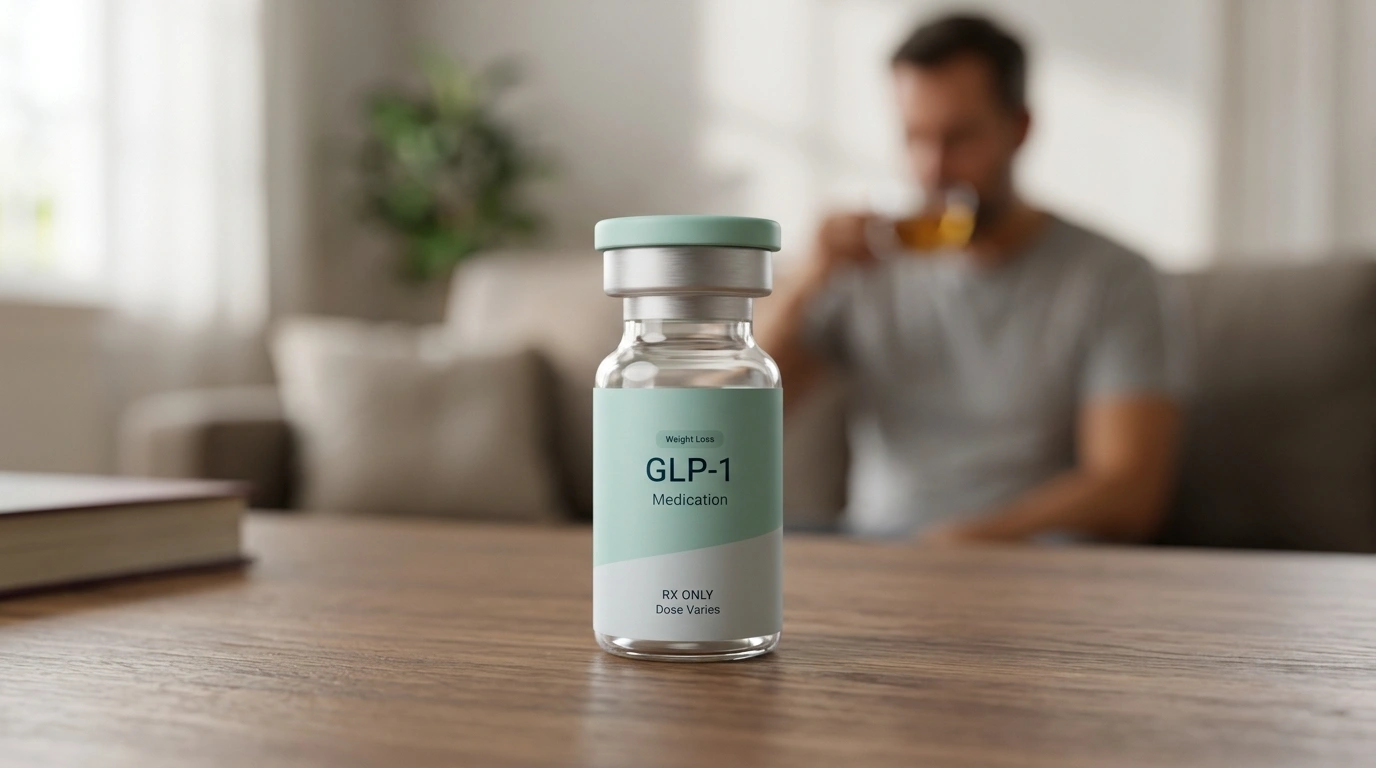
Table of Contents
- Introduction
- Understanding the Role of GLP-1 in the Body
- The Best Time of Day to Take Your Probiotic
- Should You Take GLP-1 Probiotics With Food?
- Coordinating with GLP-1 Medications
- Why Consistency is More Important Than Timing
- Key Strains in GLP-1 Probiotics
- Managing Initial Side Effects
- Storage and Handling for Potency
- Creating a Routine for Success
- The Role of Personalized Support
- Conclusion
- FAQ
Introduction
Finding the right rhythm for your health routine can feel like a balancing act, especially when introducing new supplements or medications. If you have recently started a weight loss journey, you may have heard about the benefits of GLP-1 probiotics. These specialized supplements are designed to support your gut health and metabolic function, but many people are left wondering when the best time is to take them for the best results.
At TrimRx, we believe that understanding the “how” and “when” of your supplement routine is just as important as the ingredients themselves. This post will cover the ideal timing for GLP-1 probiotics, whether you should take them with food, and how to coordinate them with other treatments. Our goal is to help you optimize your gut microbiome to support long-term, sustainable health. For additional context, explore this guide to how GLP-1 probiotics may support weight management.
Understanding the Role of GLP-1 in the Body
Before diving into timing, it is helpful to understand what GLP-1 actually is and why your gut bacteria matter. Glucagon-like peptide-1 (GLP-1) is a hormone naturally produced in your small intestine. It plays a critical role in metabolic health by telling your brain you are full and helping your body manage blood sugar levels.
A GLP-1 probiotic is a supplement containing specific bacterial strains that help stimulate the body’s natural production of this hormone. Unlike a standard probiotic that focuses on general digestion, these are targeted toward metabolic pathways. By supporting the “L-cells” in your gut—the cells responsible for secreting GLP-1—these probiotics may support weight loss and appetite regulation.
Quick Answer: For most individuals, the best time to take a GLP-1 probiotic is in the morning with a meal. Consistency is more important than the exact hour, as these beneficial bacteria need time to colonize the gut and influence hormone production.
The Best Time of Day to Take Your Probiotic
When it comes to the clock, most clinical experts and manufacturers suggest a morning routine. Taking your supplement at the start of the day ensures that the beneficial bacteria are present as your digestive system becomes active.
Why Morning is Often Preferred
Taking your probiotic in the morning helps align the supplement with your body’s natural circadian rhythms. Your digestive tract is generally more active during the day. By introducing the probiotic early, you allow the bacteria to begin interacting with the food you consume throughout the hours you are most active.
Furthermore, many people find it easier to remember their supplements when they are part of a breakfast or “getting ready” routine. If you take other medications or supplements in the morning, adding your probiotic to this window ensures you do not miss a dose. For more routine-building ideas, review these practical tips for taking probiotics with GLP-1 medications.
Considering Evening Doses
While morning is the standard recommendation, some individuals prefer taking their probiotic in the evening. Some research suggests that gut motility—the movement of the digestive system—slows down while you sleep. This slower pace might give the bacteria more time to “settle” and integrate into the gut lining.
However, if your specific probiotic contains ingredients meant to help with daily appetite control or energy, the morning remains the superior choice. Always check the packaging of your specific product, as some formulas are optimized for once-daily use while others may suggest twice-daily dosing.
Should You Take GLP-1 Probiotics With Food?
The question of whether to eat before or after taking a probiotic is a common one. For GLP-1 specific formulas, the answer often leans toward taking them with a meal.
Taking a probiotic with food can provide a “buffer” for the bacteria as they pass through the stomach. The stomach is a very acidic environment. While many high-quality supplements use delayed-release capsules to protect the ingredients, having some food in the stomach can further reduce the risk of the bacteria being destroyed by stomach acid before they reach the intestines.
Choosing the Right Meal
If you choose to take your probiotic with food, focus on a meal that contains a small amount of healthy fat. Studies have shown that a little healthy fat can improve the survival rate of probiotics during the digestive process. A balanced breakfast with eggs, avocado, or yogurt is often an ideal companion for your supplement.
The Case for an Empty Stomach
Some manufacturers design their capsules to be taken on an empty stomach, usually 30 minutes before a meal. The logic here is that the capsule can move more quickly through the stomach and into the small intestine where it is needed.
Key Takeaway: Always refer to the specific “Suggested Use” instructions on your supplement bottle. If the label does not specify, taking it with a light meal is generally the safest and most effective approach for gut comfort.
Coordinating with GLP-1 Medications
Many people use GLP-1 probiotics as a companion to prescription medications like Compounded Semaglutide or Compounded Tirzepatide. If you are using a telehealth platform like ours to access medical weight loss support, coordinating your supplements with your medication is vital. If you are considering a prescription program, complete a free eligibility assessment.
Managing the “Shot Day”
If you are using an injectable medication, you may experience “shot day” side effects like mild nausea or bloating. Many patients find that keeping their probiotic routine consistent—even on the day they administer their medication—helps manage these digestive shifts. For more information, read about common GLP-1 side effects and ways to manage them.
Some GLP-1 probiotics, such as those found in our GLP-1 Daily Support supplement, include ingredients like ginger extract. Ginger is well-known for its ability to soothe the stomach and reduce feelings of nausea, which can be particularly helpful during the first few weeks of a prescription program.
Interaction with Antibiotics
If you are prescribed antibiotics for an illness, timing becomes even more critical. Antibiotics are designed to kill harmful bacteria, but they cannot distinguish between the “bad” bugs and the “good” ones in your probiotic.
- The Two-Hour Rule: It is generally recommended to wait at least two to three hours after taking an antibiotic before taking your probiotic.
- Post-Antibiotic Care: Continue taking your probiotic even after your course of antibiotics is finished to help rebuild a healthy gut microbiome.
Why Consistency is More Important Than Timing
While the time of day matters, it is not nearly as important as taking the supplement every single day. Probiotics are not a “quick fix” that works instantly. They work by gradually shifting the balance of your gut microbiome.
It can take several weeks for the beneficial bacteria to colonize your gut and begin influencing GLP-1 levels. Most clinical studies on strains like Akkermansia muciniphila or Clostridium butyricum show that the most significant benefits appear after 90 days of consistent use.
Myth: You only need to take probiotics when you feel bloated.
Fact: GLP-1 probiotics are designed for daily metabolic support, not just occasional digestive relief. They must be taken consistently to maintain the levels of beneficial bacteria in your system.
Key Strains in GLP-1 Probiotics
Not all probiotics are created equal. When looking for a supplement to support your metabolic health, you should look for specific strains that have been researched for their interaction with GLP-1 pathways.
| Strain Name | Primary Benefit |
|---|---|
| Akkermansia muciniphila | Supports the gut lining and stimulates GLP-1 production. |
| Clostridium butyricum | Produces butyrate, a short-chain fatty acid that triggers GLP-1 release. |
| Bifidobacterium infantis | Helps reduce inflammation and supports a balanced microbiome. |
| Bacillus coagulans | A hardy strain that survives stomach acid and supports regularity. |
For a broader discussion of strain selection, read this overview of probiotics and weight loss research.
The Power of Postbiotics
Some GLP-1 probiotics focus on “postbiotics.” These are the beneficial byproducts created when probiotics break down fiber. Butyrate is one of the most important postbiotics for weight management. It acts as a signaling molecule that tells your gut cells to release more GLP-1 naturally. Taking a probiotic that encourages butyrate production can be a powerful tool in your wellness kit.
Managing Initial Side Effects
When you first start taking a GLP-1 probiotic, your body may need time to adjust. This is sometimes called the “adjustment phase” or “die-off period.” As the new, beneficial bacteria begin to take up residence, they may displace older, less helpful bacteria.
Common initial side effects may include:
- Mild bloating
- Gas
- Changes in bowel habits
- Minor stomach rumbling
These symptoms are usually temporary and typically resolve within the first week of use. If you find the discomfort is too much, you can try taking the supplement every other day for the first week before moving to a daily dose. However, you should always consult with a healthcare provider if symptoms persist or become severe.
Storage and Handling for Potency
To ensure you are getting the most out of your supplement, you must store it correctly. Probiotics are living organisms, and they can be sensitive to heat, light, and moisture.
Refrigeration vs. Shelf-Stable
Some high-potency GLP-1 probiotics require refrigeration to keep the bacteria alive. Others are “shelf-stable,” meaning they have been processed or encapsulated in a way that allows them to survive at room temperature.
- Check the Label: If your bottle says “Keep Refrigerated,” do not leave it on the counter.
- Avoid the Bathroom: The bathroom is often humid and warm due to showers, which can degrade the quality of your supplements. A cool, dry pantry or kitchen cabinet is usually a better choice.
- Expiration Dates: Probiotics lose potency over time. Always check the expiration date and try to use the bottle within two months of opening.
Creating a Routine for Success
Starting a new supplement is a commitment to your future self. To make sure you get the most out of your GLP-1 probiotic, consider these steps for building a solid habit.
Step 1: Set a daily trigger.
Link your supplement to an existing habit, like pouring your first cup of coffee or finishing your morning eggs.
Step 2: Use a pill organizer.
If you take multiple supplements, an organizer can help you see at a glance if you have taken your dose for the day.
Step 3: Pair with prebiotics.
Probiotics need “food” to thrive. This food is called fiber or prebiotics. Including foods like chicory root, garlic, onions, and oats in your diet helps the probiotics do their job more effectively.
Step 4: Track your progress.
Keep a simple log of how you feel. Note your energy levels, appetite, and any digestive changes. Over 12 weeks, you may notice a significant trend toward better metabolic health.
The Role of Personalized Support
At TrimRx, we understand that weight loss is not a one-size-fits-all journey. While supplements like probiotics can provide excellent support, they are often most effective when part of a broader, medically supervised program.
Our approach combines the latest in GLP-1 science with personalized care. Whether you are looking for quick-access supplements like our Weight Loss Boost supplement or a comprehensive prescription program, we provide the tools and medical expertise to help you navigate your path safely. By focusing on both the medication and the foundational health of your gut, you create a dual-action approach to reaching your goals.
Bottom line: Taking your GLP-1 probiotic daily in the morning with a meal is the most effective way to support your gut health and metabolic goals.
Conclusion
The timing of your GLP-1 probiotic can play a role in how well your body absorbs and utilizes the beneficial bacteria. By taking your supplement in the morning with food, you provide the best environment for these microbes to support your natural GLP-1 production. However, the most critical factor is consistency. The gut microbiome takes time to change, and staying the course for at least three months is the best way to see real, lasting results.
We are dedicated to helping you achieve a healthier lifestyle through a transparent, science-backed approach. If you are ready to take the next step in your weight loss journey, we invite you to explore our specialized supplements or start with a personalized assessment.
Next Step: Explore our GLP-1 Daily Support supplement for immediate gut health support, or take our free assessment quiz to see if a personalized prescription program is right for you.
FAQ
Can I take my GLP-1 probiotic at the same time as my weight loss medication?
Yes, you can generally take your probiotic on the same day as your medication. Many people find that the probiotic—especially those with soothing ingredients like ginger—helps manage the digestive side effects sometimes associated with GLP-1 treatments. If you are unsure whether a prescription program is appropriate for you, find out if GLP-1 medications are right for you.
How long does it take for a GLP-1 probiotic to start working?
While some people notice better digestion within a few days, the metabolic benefits usually take longer. Most clinical research suggests that it takes about 90 days of consistent daily use to see a significant impact on gut health and appetite regulation.
What happens if I miss a dose of my probiotic?
If you miss a day, simply take your next dose as soon as you remember or wait until your next scheduled time. Do not feel the need to “double up” on doses; the most important thing is to return to your consistent daily routine.
Do all GLP-1 probiotics need to be refrigerated?
No, it depends entirely on the specific strain and the manufacturing process. Some brands use shelf-stable technology, while others require cold storage to keep the bacteria active, so always check the storage instructions on your specific product label.
Disclaimer: This content is for informational purposes only and does not constitute medical advice. It is not intended to diagnose, treat, cure, or prevent any disease or condition. Individual results may vary. Always consult a qualified healthcare professional before starting any weight loss program or medication.

Transforming Lives, One Step at a Time
Keep reading
Weight Loss Progress Tracker
Track your weight loss over time, see progress clearly, and stay motivated with simple charts, summaries, and goal-based insights.
How to Create a Personalized Adherence Plan
Build a one-page GLP-1 adherence plan: record dose, pick a weekly time, set reminders, log side effects, and review monthly.

Weight Loss Medication Dosage Calculator
Estimate weight loss medication doses by weight and drug type, with starting guidance, dose progression info, and a clear medical disclaimer.


