When Were GLP-1 Drugs Approved? A Timeline of Progress

Introduction
If you feel like you only started hearing about GLP-1 medications in the last year or two, you are not alone. For many people struggling with long-term weight management, these treatments seem to have appeared overnight. However, the science behind these medications has been decades in the making. At TrimRx, we believe that understanding the history and regulatory timeline of these treatments can help you feel more confident and informed as you navigate your own health journey. If you are also wondering what these medications are and how they fit into modern care, our guide to what GLP-1 medication is is a helpful place to start. This article will trace the timeline of glucagon-like peptide-1 (GLP-1) receptor agonists from their earliest discovery to the most recent milestones in weight management. By looking at when these medications were approved, we can better understand how they have evolved into the sophisticated tools we use today to support metabolic health.
The Early Discovery of GLP-1 Science
The journey of GLP-1 medications began long before the first drug hit the pharmacy shelves. In the 1980s, researchers discovered a hormone in the human gut called glucagon-like peptide-1. This hormone plays a critical role in how the body processes sugar and signals fullness to the brain. Specifically, a GLP-1 receptor agonist is a type of medication that mimics this natural hormone, helping the pancreas release the right amount of insulin and slowing down how quickly the stomach empties.
For years, scientists looked for a way to use this hormone to help people with Type 2 diabetes. The challenge was that natural GLP-1 only lasts for a few minutes in the human body before it is broken down. Researchers needed to create a version that could stay active much longer. This led to an unlikely discovery involving the venom of a Gila monster, a lizard native to the Southwestern United States. Scientists found a protein in the lizard’s saliva that acted like human GLP-1 but was much more stable. To understand the broader role this hormone plays in appetite and blood sugar regulation, you can also read our overview of GLP-1 support and how it works.
The First Generation: 2005–2010
The official era of GLP-1 medications began in April 2005. This was when the U.S. Food and Drug Administration (FDA) approved the very first GLP-1 receptor agonist, exenatide. Sold under the brand name Byetta, this medication was initially approved to help adults with Type 2 diabetes manage their blood sugar levels.
Quick Answer: The first GLP-1 medication, exenatide, was approved by the FDA in April 2005 for the treatment of Type 2 diabetes. It was not until 2014 that the first GLP-1 was approved specifically for chronic weight management.
During this early period, the focus was entirely on glycemic control. Exenatide required twice-daily injections, which was a significant commitment for patients. However, doctors soon noticed an interesting secondary effect: many patients using the medication for diabetes were also losing weight. This observation set the stage for the next decade of clinical research.
In January 2010, the FDA approved a second major GLP-1 medication called liraglutide, marketed as Victoza®. This was a major step forward because it only required one injection per day. Like its predecessor, Victoza® was approved specifically for Type 2 diabetes. However, the weight loss side effect was becoming impossible to ignore, leading the manufacturer to begin studying higher doses specifically for people with obesity.
The Shift to Weight Management: 2014
For nearly a decade, GLP-1 drugs were viewed primarily as diabetes treatments. That changed in December 2014 when the FDA approved Saxenda®. Saxenda® contained the same active ingredient as Victoza® (liraglutide) but at a higher dosage specifically indicated for chronic weight management.
This was a landmark moment for the medical community. It marked the first time a GLP-1 receptor agonist was officially recognized as a tool for weight loss in individuals with obesity or those with weight-related medical conditions. If you want to see how people can begin the process today, the natural first step is to complete the free assessment quiz and review eligibility with a licensed provider.
Key Milestones in the First Decade
- 2005: Exenatide (Byetta) becomes the first approved GLP-1 for Type 2 diabetes.
- 2010: Liraglutide (Victoza®) is approved for Type 2 diabetes as a once-daily injection.
- 2012: An extended-release version of exenatide (Bydureon) is approved for once-weekly use.
- 2014: Liraglutide (Saxenda®) becomes the first GLP-1 approved specifically for weight management.
The Semaglutide Revolution: 2017–2021
While liraglutide was effective, researchers continued to look for molecules that were more potent and lasted longer in the body. This led to the development of semaglutide. Semaglutide is a more advanced GLP-1 receptor agonist that stays active in the bloodstream for a full week, allowing for much more convenient dosing.
In December 2017, the FDA approved Ozempic®. This injectable form of semaglutide was indicated for the treatment of Type 2 diabetes. It quickly gained a reputation for its effectiveness in lowering A1C levels and supporting heart health. In 2019, an oral version of semaglutide called Rybelsus® was approved, providing an option for those who preferred a daily pill over a weekly injection.
The most significant turning point for the general public occurred in June 2021. The FDA approved Wegovy®, a higher-dose version of semaglutide, specifically for chronic weight management. The clinical trials for Wegovy® showed weight loss results that had rarely been seen with previous medications. This approval sparked a massive surge in interest, as it provided a powerful option for those who had not found success with diet and exercise alone.
Key Takeaway: The approval of Wegovy® in 2021 represented a shift from daily treatments to once-weekly options, significantly improving the experience for individuals managing their weight.
The Arrival of Dual Agonists: 2022–2023
The most recent chapter in the GLP-1 timeline involves a new class of “dual agonists.” While traditional GLP-1 drugs only target one hormone receptor, researchers found that targeting a second receptor called glucose-dependent insulinotropic polypeptide (GIP) could produce even stronger results.
The active ingredient tirzepatide was developed to target both GLP-1 and GIP receptors. In May 2022, the FDA approved Mounjaro® for the treatment of Type 2 diabetes. Because it worked on two pathways instead of one, the clinical data showed significant improvements in both blood sugar and weight.
Following the pattern of semaglutide, tirzepatide was eventually studied specifically for weight loss. In November 2023, the FDA approved Zepbound®. This medication uses the same active ingredient as Mounjaro® but is specifically indicated for chronic weight management in adults with obesity or weight-related health issues. If tirzepatide is the medication you are trying to understand more deeply, our guide on how to get tirzepatide for weight loss explains the process in more detail.
| Medication | Active Ingredient | Year Approved | Primary Indication |
|---|---|---|---|
| Byetta | Exenatide | 2005 | Type 2 Diabetes |
| Victoza® | Liraglutide | 2010 | Type 2 Diabetes |
| Saxenda® | Liraglutide | 2014 | Weight Management |
| Ozempic® | Semaglutide | 2017 | Type 2 Diabetes |
| Wegovy® | Semaglutide | 2021 | Weight Management |
| Mounjaro® | Tirzepatide | 2022 | Type 2 Diabetes |
| Zepbound® | Tirzepatide | 2023 | Weight Management |
Understanding the Difference in Approvals
One point of confusion for many people is why the same medication might have two different names. This usually happens because the FDA requires separate clinical trials and approval processes for different medical conditions. When a drug is studied and approved for diabetes, it is given one brand name. When the same molecule is studied and approved for weight management, often at a different dose, it is given a separate brand name.
For example:
- Semaglutide is the active ingredient in both Ozempic® and Wegovy®.
- Tirzepatide is the active ingredient in both Mounjaro® and Zepbound®.
While the underlying medicine is the same, the specific FDA approval dictates how a doctor can prescribe it and what it is officially used for. If you are considering these options, it is essential to work with a licensed healthcare provider who can determine which medication is appropriate for your specific health profile. A good next step is to take the free assessment quiz so a provider can review your details.
Why Recent Approvals Matter for Telehealth
The approval of once-weekly medications like semaglutide and tirzepatide changed the landscape of weight loss. Because these treatments are administered once a week and involve long-term management, they are well-suited for a telehealth model. In the past, weight loss programs often required frequent, in-person clinic visits that were difficult for busy people to maintain.
Modern platforms like ours focus on making this science accessible. By using technology to connect patients with licensed providers, we can offer the same medical rigor found in a traditional office but with the convenience of a digital experience. Our personalized programs are built on the foundation of these FDA-approved breakthroughs, ensuring that every individual receives a plan tailored to their unique metabolic needs.
Note: Compounded semaglutide and compounded tirzepatide are not FDA-approved. However, we partner with FDA-registered and inspected compounding pharmacies to ensure high standards of preparation and safety when branded medications are in short supply.
The Role of Compounding During Shortages
With the rapid increase in demand following the 2021 and 2023 approvals, many branded medications have faced significant shortages. This has led many people to look for alternative ways to access their treatment. This is where compounding pharmacies play a vital role.
When a medication is listed on the FDA’s official shortage list, licensed compounding pharmacies are permitted to create versions of that medication. These “compounded medications” use the same active ingredients found in the branded versions. It is important to remember that while the ingredients may be well-studied, the specific compounded mixture itself does not go through the same FDA approval process as a branded drug like Wegovy® or Zepbound®.
At TrimRx, we prioritize safety and transparency. We ensure that any compounded medication prescribed through our platform comes from a pharmacy that is strictly regulated and inspected. This allows patients to maintain their progress even when commercial supply chains are disrupted.
What to Expect from a Modern GLP-1 Program
Knowing when these drugs were approved is only the first step. If you are ready to take the next step in your weight loss journey, it helps to know what a medically supervised program looks like today. The process has become much more streamlined than it was when the first GLP-1 was approved in 2005.
Step 1: Complete an Online Assessment.
You will start by sharing your medical history, current health goals, and any previous weight loss experiences through a free assessment quiz. This helps a provider determine if you are a candidate for GLP-1 treatment.
Step 2: Connect with a Licensed Provider.
A healthcare professional will review your information. They may request lab work to get a clear picture of your metabolic health. They will discuss the benefits and potential side effects of different medications based on the history of approvals and clinical data.
Step 3: Receive a Personalized Treatment Plan.
If appropriate, a provider will write a prescription for a medication like compounded semaglutide or tirzepatide. This plan is designed to be sustainable, focusing on long-term health rather than a quick fix.
Step 4: Ongoing Support and Shipping.
The medication is shipped directly to your door. You have 24/7 access to a team of specialists who can help you manage side effects, adjust your dosage, and provide guidance on nutrition and lifestyle changes. For readers looking for nutritional support during treatment, GLP-1 Daily Support is designed to fit alongside a GLP-1 routine.
Why the Timeline Continues to Evolve
The history of GLP-1 approvals shows a clear trend: medications are becoming more effective, more convenient, and better tolerated over time. We have moved from twice-daily injections for diabetes to once-weekly injections for weight loss that target multiple hormone pathways.
Research is currently underway for even newer versions of these drugs. Scientists are testing oral versions that may be as powerful as injections, as well as medications that target three different hormone receptors instead of just one or two. As these new options reach the finish line of the FDA approval process, they will provide even more tools for personalized medicine.
Bottom line: GLP-1 medications have a nearly 20-year safety record in the treatment of diabetes, which provided the clinical foundation for their more recent approval as highly effective weight loss treatments.
Addressing Common Concerns About Newer Approvals
Because the approvals for weight loss (Wegovy® in 2021 and Zepbound® in 2023) are relatively recent, some people worry that these medications are “too new.” However, it is helpful to remember that the active ingredients have been used in millions of patients for over a decade.
Safety and Side Effects
Most side effects associated with GLP-1 medications, such as nausea or digestive changes, were well-documented during the early years of diabetes treatment. Healthcare providers now have years of experience in helping patients manage these effects by slowly increasing the dosage (a process called titration).
Long-term Use
Clinical studies conducted for the FDA approval process show that GLP-1 medications are generally intended for long-term use. Much like medication for high blood pressure or cholesterol, these treatments help manage a chronic condition. Working with a dedicated team ensures that your progress is monitored safely over months and years.
Eligibility
The FDA approvals are specific about who these medications are for. Generally, they are indicated for adults with a Body Mass Index (BMI) of 30 or greater, or a BMI of 27 or greater with at least one weight-related condition like high blood pressure or high cholesterol. A personalized program through our platform helps ensure that the medication is prescribed only to those who meet these clinical criteria. If you want help understanding whether you may qualify, you can complete the free assessment quiz.
How TrimRx Supports Your Journey
The landscape of weight loss has changed significantly since 2005. At TrimRx, we are proud to be part of this new era of metabolic health. We combine the proven science of GLP-1 and GIP receptor agonists with a modern, telehealth-first approach. Our mission is to help you navigate these options with empathy and expert guidance.
We understand that weight loss is not just about a number on the scale; it is about how you feel, your energy levels, and your long-term health. That is why our programs include more than just a prescription. We provide the support system you need to make the most of these medical breakthroughs, including access to specialists and GLP-1 Daily Support to help you manage your journey.
Myth: GLP-1 drugs were invented recently and haven’t been tested long-term.
Fact: The first GLP-1 drug was approved by the FDA in 2005. These medications have nearly 20 years of clinical history and safety data.
Conclusion
The timeline of GLP-1 drug approvals is a story of scientific persistence. From the early discovery of gut hormones to the approval of Zepbound® in late 2023, each milestone has brought us closer to more effective and accessible weight management. While these medications were once reserved only for the treatment of Type 2 diabetes, they have now become a cornerstone of obesity medicine, offering hope to millions of people who have struggled with traditional weight loss methods.
At TrimRx, we are committed to helping you benefit from this science through a transparent, personalized, and medically supervised approach. Whether you are just starting to research your options or are ready to begin a program, we are here to support you every step of the way. If you are ready to move forward, the most direct next step is to take the free assessment quiz.
Next Steps to Consider:
- Take the free assessment quiz to see if you are eligible for a personalized program.
- Consult with a licensed provider to discuss which medication fits your health history.
- Explore our GLP-1 Daily Support supplements for additional nutrient care.
- Stay informed on the latest metabolic health news through our educational resources.
FAQ
When was the first GLP-1 drug approved for weight loss?
The first GLP-1 medication approved specifically for chronic weight management was Saxenda® (liraglutide) in December 2014. Before this, GLP-1 drugs were only FDA-approved for the treatment of Type 2 diabetes, starting with exenatide in 2005.
When was semaglutide approved for weight loss?
Semaglutide was first approved for weight management under the brand name Wegovy® in June 2021. It had previously been approved for Type 2 diabetes as Ozempic® in 2017 and as an oral tablet called Rybelsus® in 2019. If you are comparing options, our article on how to get semaglutide for weight loss explains the next steps.
Are GLP-1 drugs still being approved for new uses?
Yes, the FDA continues to review and approve new indications for these medications. For example, some GLP-1 drugs have recently received approval for reducing the risk of major cardiovascular events, such as heart attack or stroke, in certain populations.
Why is there a difference between the approval dates for diabetes and weight loss?
The FDA requires separate clinical trials for different medical conditions to ensure the dosage and safety profile are appropriate for that specific use. While the active ingredient might be the same, the trials for weight loss often use higher doses and focus on different health outcomes than those for diabetes.
Disclaimer: This content is for informational purposes only and does not constitute medical advice. It is not intended to diagnose, treat, cure, or prevent any disease or condition. Individual results may vary. Always consult a qualified healthcare professional before starting any weight loss program or medication.

Transforming Lives, One Step at a Time
Keep reading

Mons Pubis Fat Loss on GLP-1s: The “Pubic Area” Change Nobody Mentions
One change that surprises people on GLP-1 medications rarely comes up in conversation: the mons pubis, the soft fat pad over the pubic bone,…

How to Adjust Weight Loss Goals on GLP-1 Medications
Adjust weight goals on GLP-1 meds by tracking body composition and labs, optimizing protein, activity, sleep, and working with your provider on dosing.
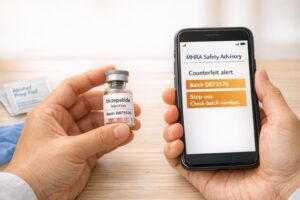
Falsified Mounjaro pens prompt urgent safety advisory
MHRA warns of counterfeit Mounjaro pens (batch D873576); stop use and check batch numbers for infection risk.


