Where Can Ozempic Shots Be Given? A Guide to Injection Sites
Introduction
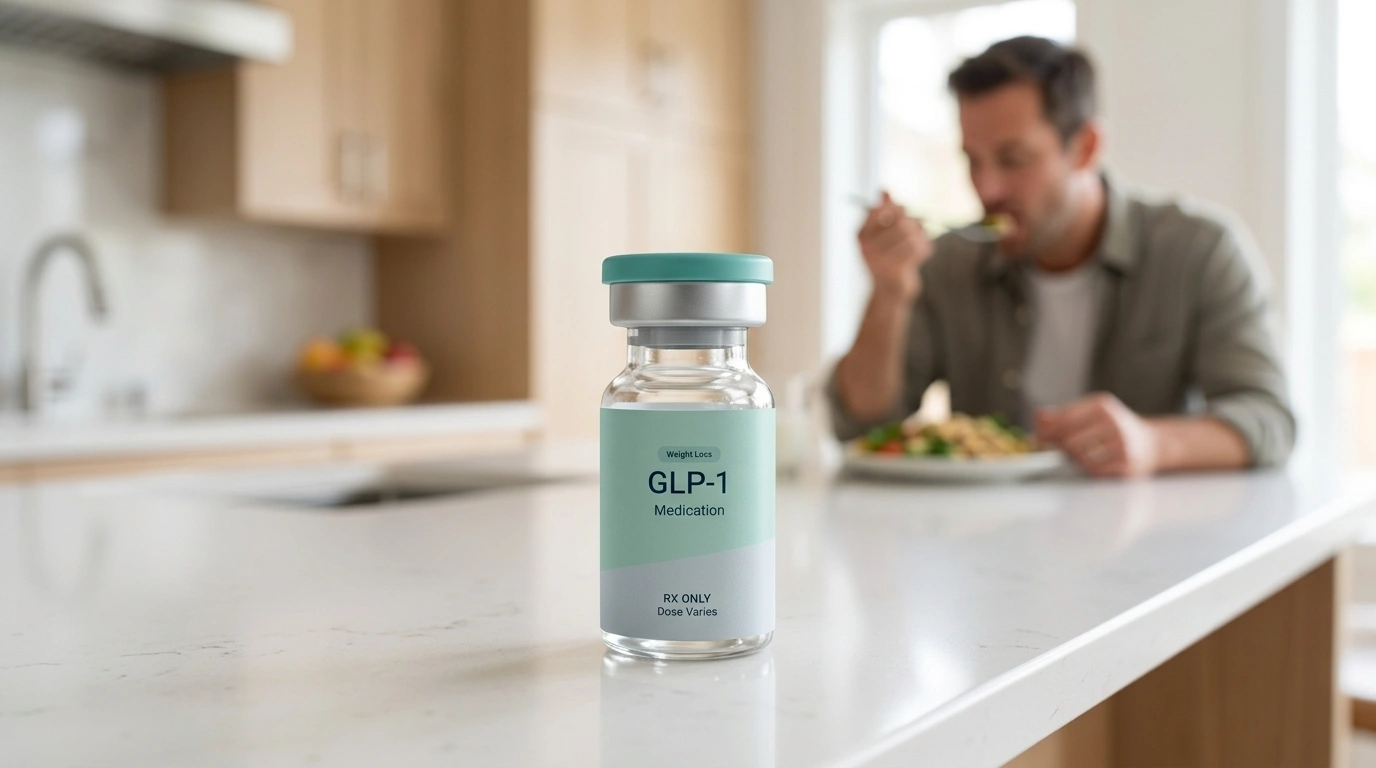
Taking the first step toward a healthier lifestyle with medication can feel like a significant milestone, but it often comes with a few practical nerves. If you have recently started a weight management program, you might find yourself holding an injection pen and wondering exactly where it should go. If you want help figuring out whether a prescription program is the right fit, the free assessment quiz can help you take that next step. Understanding where can ozempic shots be given is one of the most important parts of starting your treatment with confidence. Whether you are using a branded medication like Ozempic® or Wegovy®, or a compounded alternative through TrimRx, knowing the correct locations and techniques ensures the medication works effectively while keeping you comfortable. This guide will walk you through the three approved injection sites, the importance of rotating your spots, and how to make each weekly dose a seamless part of your routine. Our goal is to ensure you feel supported and equipped for success at every stage of your journey.
Quick Answer: Ozempic® should be injected into the subcutaneous fatty tissue in the abdomen, the front of the thighs, or the back of the upper arms. It is important to avoid injecting directly into muscle or within two inches of the belly button to ensure steady absorption and minimal discomfort.
The Three Approved Injection Sites
When using a GLP-1 (glucagon-like peptide-1) medication, the goal is for the liquid to be absorbed slowly and steadily into your system. To achieve this, the medication must be delivered into the subcutaneous layer—the layer of fatty tissue just beneath the skin. If you want a more detailed walkthrough of the process, how and where to inject semaglutide for effective weight loss is a helpful companion guide. There are three primary areas of the body that provide the ideal environment for this process.
The Abdomen (Stomach)
The abdomen is the most common choice for many people. It is generally the easiest area to reach, and for most individuals, it offers a consistent layer of fatty tissue that supports predictable absorption.
- Specific Location: You should aim for the front of your stomach, staying at least two inches away from your navel (belly button).
- Benefits: This site provides a large surface area, which makes it much easier to rotate your injection spots each week without repeating the exact same location.
- Note: Avoid any areas where the skin is particularly tender, bruised, or hardened.
The Front of the Thighs
The thighs are another excellent option, especially for those who may feel more comfortable sitting down during their injection. The front and outer sections of the thigh are the targets here.
- Specific Location: Focus on the middle third of the thigh, staying on the top or outer side. Avoid the inner thigh, as this area tends to be more sensitive and has more blood vessels near the surface.
- Benefits: The thigh is highly accessible and allows you to clearly see what you are doing, which can be helpful for those who are still getting used to the process.
The Back of the Upper Arms
While effective, the upper arm can be a bit more challenging for self-administration. This site is often best if you have a partner or family member who can assist you with the injection.
- Specific Location: The target is the fatty tissue on the back of the upper arm, specifically the triceps area.
- Benefits: Some people find that they experience fewer side effects or less local irritation when using the arm, though clinical evidence suggests efficacy is similar across all approved sites.
Key Takeaway: The abdomen, thigh, and upper arm are all equally effective sites for GLP-1 injections because they contain the subcutaneous fat necessary for the medication to be absorbed into the bloodstream slowly over the course of a week.
Does the Injection Site Affect Results?
A common question for those starting a weight loss program is whether choosing a specific site will help them lose weight faster. Research into medications like Ozempic® and Wegovy® suggests that all three approved sites are clinically comparable. Because these medications are designed to last for an entire week, the small differences in how quickly they enter the bloodstream from the arm versus the stomach are generally negligible.
However, individual experiences can vary. Some people report feeling slightly more or less nausea depending on where they inject. While this is often anecdotal, you are encouraged to try different sites to see which one feels most comfortable for your body. The most important factor for your success is not which of the three sites you pick, but that you stay consistent with your weekly schedule and use the proper technique.
Subcutaneous vs. Intramuscular
It is critical to remember that Ozempic® is a subcutaneous injection, not an intramuscular one. Subcutaneous means “under the skin.” This layer of fat acts as a reservoir, allowing the medication to seep into your system gradually. If you were to inject into a muscle (intramuscular), the medication would likely be absorbed much faster, which could lead to an increase in side effects or a decrease in how long the dose lasts during the week.
Note: If you have a very low body fat percentage and are concerned about hitting muscle, consult with a healthcare provider. They may suggest a specific angle or a “pinch” technique to ensure the needle stays in the fatty layer.
The Importance of Rotating Injection Sites
One of the most vital habits to develop early on is site rotation. This means you should never inject into the exact same spot two weeks in a row. Even though the needle is very thin, repeated injections in the same square inch of skin can cause the underlying tissue to change.
Avoiding Lipohypertrophy
If you use the same spot repeatedly, you may develop a condition called lipohypertrophy. This is a buildup of extra fat or hardened tissue under the surface of the skin. While these lumps are usually not dangerous, they are problematic because they change how your body absorbs medication. If you inject into a hardened area, the drug may not be absorbed at the correct rate, making your treatment less effective.
How to Rotate Effectively
- The Clock Method: If you prefer using your abdomen, imagine a clock face centered on your belly button. Inject at the 12 o’clock position one week, the 3 o’clock position the next, and so on.
- Side-to-Side Switching: Another easy method is to switch sides of the body each week. For example, use your right thigh one week and your left thigh the next.
- Keep a Log: Many people find it helpful to jot down the date and location of their injection in a notebook or a mobile app. This removes the guesswork and ensures you are giving each area of skin a few weeks to rest.
Step-by-Step Guide to a Successful Injection
Preparing for your weekly dose shouldn’t be stressful. Following a consistent routine can help reduce anxiety and ensure safety.
Step 1: Gather your supplies. Ensure you have your medication pen, a new sterile needle, an alcohol swab, and a sharps container nearby. If your medication is stored in the refrigerator, you may want to take it out 15 to 30 minutes prior to use, as room-temperature liquid is often more comfortable to inject than cold liquid.
Step 2: Wash your hands and clean the site. Always start with clean hands. Use an alcohol swab to clean your chosen injection site (abdomen, thigh, or arm). Let the skin air-dry completely; injecting through wet alcohol can cause a stinging sensation.
Step 3: Prepare the pen. Attach a new needle according to the manufacturer’s instructions. Check the liquid through the pen window—it should be clear and colorless. If it is cloudy or has particles, do not use it. Dial your prescribed dose.
Step 4: Perform the injection. Gently pinch a fold of skin if necessary and insert the needle straight into the skin at a 90-degree angle. Press the injection button until the dose counter returns to zero.
Step 5: The “Six-Second Rule.” Once the counter hits zero, do not pull the needle out immediately. Count slowly to six. This ensures that the full volume of the medication has been delivered and stays under the skin rather than leaking back out.
Step 6: Dispose of the needle safely. Remove the needle from the pen and place it directly into a sharps disposal container. Never throw needles in the regular trash.
Bottom line: A methodical approach—cleaning the site, using a new needle, and counting to six—is the best way to ensure your medication is delivered safely and effectively.
Minimizing Discomfort and Side Effects
While the needles used for GLP-1 medications are incredibly small and thin, some people still experience mild discomfort or skin reactions. There are several ways to make the experience more pleasant.
Tips for a Comfortable Shot
- Relax Your Muscles: Tensing up can make the needle entry feel sharper. Take a deep breath and try to relax the area you are injecting.
- Avoid Irritated Skin: Never inject into skin that is red, bruised, scarred, or has stretch marks. These areas may be more sensitive and can interfere with absorption.
- Don’t Rub the Site: After you pull the needle out, you might see a tiny drop of blood or liquid. You can press a cotton ball or gauze on the spot for a few seconds, but avoid rubbing the area vigorously, as this can irritate the tissue.
Managing Site Reactions
It is normal to see a small amount of redness or experience minor itching at the injection site. This is usually a mild immune response and typically fades within a day or two. If you find the itching bothersome, a cool compress can help. However, if you notice a rash spreading, significant swelling, or pain that worsens after 48 hours, you should contact a healthcare professional to rule out an allergy or infection.
Myth: “You have to be a medical professional to give these shots correctly.” Fact: These medications are specifically designed for self-administration at home. With the right education and a little practice, most people find the process takes less than two minutes and becomes a simple part of their weekly routine.
The Role of Personalized Support
Navigating a weight loss journey involves more than just knowing where to put a needle. At TrimRx, we believe that success comes from a combination of the right tools and the right guidance. Our platform connects you with licensed healthcare providers who can help determine which medication—whether it is branded Ozempic® or a compounded semaglutide option—is appropriate for your specific health profile. If you’re ready to see whether a personalized program is a fit, take the free assessment quiz is a simple place to start.
Compounded medications, such as Compounded Semaglutide or Compounded Tirzepatide, are prepared by FDA-registered and inspected compounding pharmacies. While these compounded versions are not FDA-approved, they offer an alternative for those who may face supply issues or need a personalized approach. For a broader look at the medication itself, what tirzepatide is can help put that option in context. When you work with us, you receive a program that includes ongoing clinical support, ensuring that if you have questions about your injection site, side effects, or progress, you always have a place to turn. We focus on making the entire process as transparent and supportive as possible.
Common Injection Mistakes to Avoid
Even with the best intentions, it is easy to fall into a few common pitfalls. Being aware of these can save you from unnecessary frustration.
- Injecting Through Clothing: While it might seem convenient, always inject directly into clean skin. Injecting through fabric can introduce bacteria into the site and may bend the thin needle.
- Reusing Needles: Each needle is designed for a single use. Reusing them makes the tip dull (increasing pain) and significantly raises the risk of infection.
- Skipping the Air-Dry Step: If you are in a rush and inject while the alcohol is still wet, it will likely sting. Taking those extra 10 seconds to let the skin dry makes a noticeable difference.
- Checking the “Flow”: Many pens require a simple “flow check” or priming before the very first use of a new pen. Forgetting this step might mean you don’t get the full dose on your first week. Always check the instructions for your specific pen model.
Understanding the “Full Picture” of Your Treatment
Choosing the right injection site is a foundational skill, but it is just one piece of the puzzle. Medications like semaglutide and tirzepatide work best when they are paired with sustainable lifestyle changes. If you want a simple primer on the hormone behind these treatments, GLP-1 basics is a helpful place to start. This is why our approach at TrimRx emphasizes a comprehensive view of health.
We understand that weight loss is an emotional and physical process. By providing access to high-quality medications and a dedicated support team, we help you focus on the long-term goal of metabolic health. Whether you are managing side effects or celebrating a milestone, having a personalized program means you don’t have to figure it out alone.
When to Consult Your Provider
While self-injection is straightforward, you should never hesitate to reach out to a professional if something feels “off.” Contact a healthcare provider if:
- You experience severe abdominal pain or persistent vomiting.
- The injection site becomes hot, very swollen, or drains fluid.
- You have signs of a serious allergic reaction, such as difficulty breathing or swelling of the face and throat.
- You are unsure if you are administering the dose correctly.
Conclusion
Mastering the “where” and “how” of your weekly injection is a major step in taking control of your health. By utilizing the abdomen, thighs, or upper arms and committing to a consistent rotation schedule, you ensure that your medication can do its job effectively. Remember that comfort and confidence grow with practice. At TrimRx, we are proud to be part of your support system, offering a science-backed, empathetic approach to weight management that removes the hurdles of traditional clinics. Sustainable health is a journey, not a sprint, and having the right information is the best way to start. If you are ready to take the next step, our assessment quiz is available to help you find the personalized program that fits your life.
FAQ
Which injection site is best for reducing nausea?
While clinical studies show similar effectiveness across all sites, some patients report that injecting in the thigh or arm results in slightly fewer gastrointestinal side effects compared to the abdomen. If you find nausea is a challenge, try rotating to the thigh for your next dose and see if you notice a difference. For a deeper look at symptom patterns and ways to manage them, semaglutide side effects: complete guide and management tips may help you prepare questions for your provider. Always discuss persistent side effects with your healthcare provider.
Can I inject Ozempic® into my buttock?
The buttock is not currently listed as an FDA-approved injection site for Ozempic®. The approved sites—abdomen, thigh, and upper arm—have been specifically studied to ensure the medication is absorbed at the correct rate. If you’re still deciding whether a GLP-1 treatment program is the right next step, complete the free assessment quiz can help you get started. To ensure you are getting the full benefit of the medication, it is best to stick to the three recommended areas.
What should I do if a little liquid leaks out after the shot?
It is very common to see a tiny, pin-sized drop of liquid on the skin after removing the needle. This is normal and does not mean you missed your dose. To minimize this, ensure you are counting to at least six before withdrawing the needle. If you see a significant amount of liquid, check your technique or the needle attachment for the next dose.
Is it okay to inject Ozempic® in the same spot every week?
No, you should avoid using the exact same spot repeatedly. Constant injections in one location can cause the tissue to harden (lipohypertrophy), which can prevent the medication from being absorbed properly. You can use the same general area, such as the abdomen, but you must move the injection site at least one inch away from the previous week’s spot.
Disclaimer: This content is for informational purposes only and does not constitute medical advice. It is not intended to diagnose, treat, cure, or prevent any disease or condition. Individual results may vary. Always consult a qualified healthcare professional before starting any weight loss program or medication.

Transforming Lives, One Step at a Time
Keep reading
Can You Take Ibuprofen on Ozempic?
For occasional use in someone who is well hydrated and has healthy kidneys, ibuprofen is generally considered reasonable, and it is worth checking with…

Why Do I Feel Best Two Days After My Ozempic Injection?
Because you are noticing the shape of a weekly dose, and day two often sits in a useful window: the initial side effects have…

Does Pepto Bismol Help Nausea on Ozempic?
Ask your pharmacist before using it, because Pepto Bismol is not the neutral stomach remedy most people assume. Its active ingredient, bismuth subsalicylate, contains…


