Where Can You Do Your Ozempic Shot?
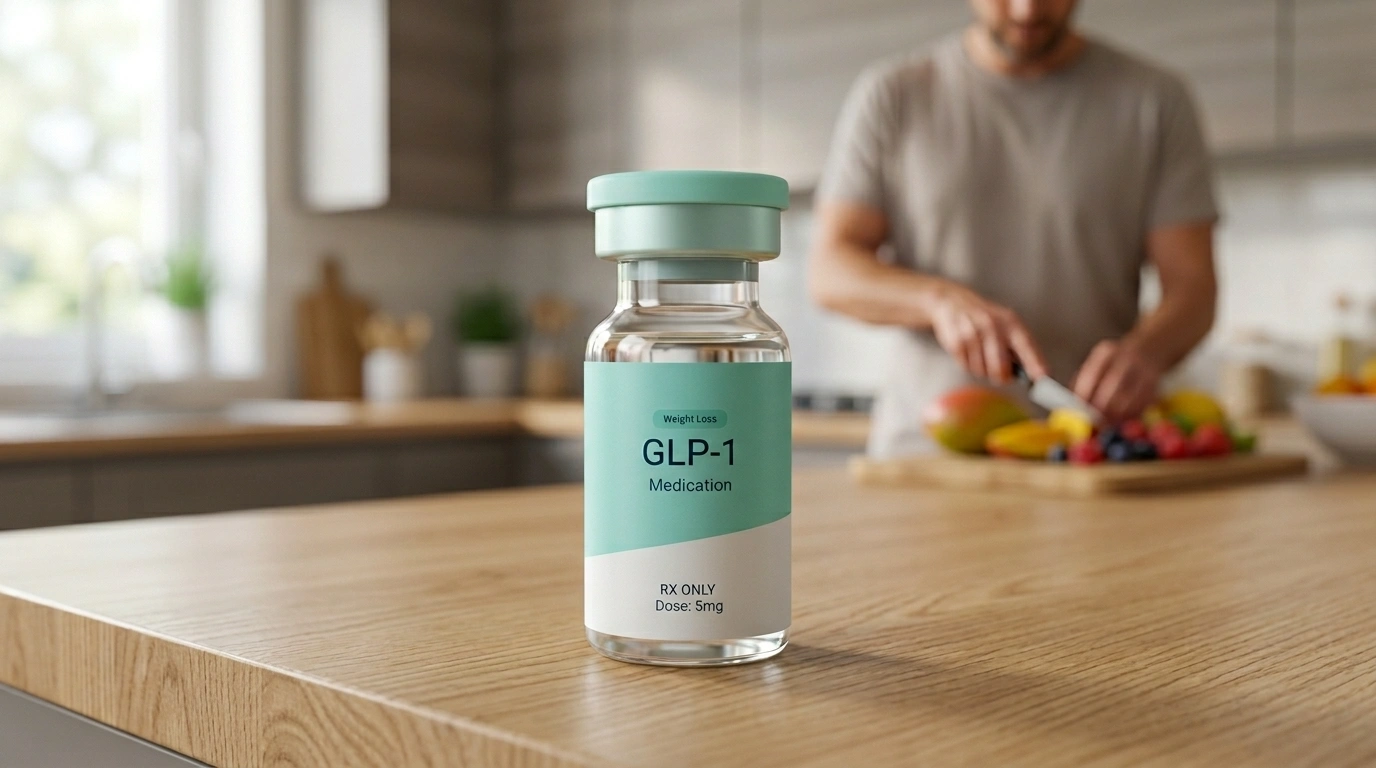
Introduction
Starting a journey with Ozempic® (semaglutide) is a significant step toward managing your metabolic health. However, for many people, the most intimidating part of the process is the very first injection. You may find yourself holding the pen and wondering exactly where it needs to go to be most effective. At TrimRx, we understand that self-administering medication can feel overwhelming. We are here to guide you through the process with clarity and empathy. This post covers the three approved injection sites, the importance of site rotation, and a step-by-step guide to a comfortable injection experience. Our goal is to ensure you feel confident and supported as you take this next step in your personalized health program. If you’re still deciding whether a prescription GLP-1 program is right for you, take the free assessment quiz. By the end of this guide, you will know exactly how to choose your injection site and how to manage the process like a professional.
Quick Answer: You can inject Ozempic® into the subcutaneous fatty tissue of the abdomen, the front of the thigh, or the back of the upper arm. It is essential to rotate your injection site each week to prevent skin irritation and ensure consistent medication absorption.
Understanding Subcutaneous Injections
Before choosing a spot, it is helpful to understand the type of injection you are performing. Ozempic® is a subcutaneous injection. This means the needle is designed to deliver the medication into the layer of fat located just beneath the skin but above the muscle.
The active ingredient in Ozempic® is semaglutide. Semaglutide is a GLP-1 receptor agonist, which is a type of medicine that mimics a natural hormone in your body. This hormone helps regulate appetite and blood sugar levels. Because semaglutide is designed to be released slowly into your bloodstream over the course of a week, it must be placed into fatty tissue. Fat has fewer blood vessels than muscle, which allows the medication to absorb at the steady, controlled rate required for it to work properly. For a broader overview of GLP-1 treatment, see our guide to GLP-1 injections.
The Three Approved Injection Sites
The manufacturer has identified three specific areas of the body that provide the ideal environment for these injections. These areas have enough fatty tissue to ensure the needle reaches the correct depth without hitting muscle or bone. If you want a more detailed look at semaglutide itself, see how to inject semaglutide for effective weight loss.
The Abdomen (Stomach)
The abdomen is the most popular choice for many individuals. It offers a large surface area, making it easy to see what you are doing. Most people have a sufficient layer of subcutaneous fat in this region.
When using the abdomen, you should aim for the area at least two inches away from your belly button (navel). You can inject above, below, or to the sides of the navel, provided you stay within that two-inch safety zone. Avoid areas where the skin is particularly tight or where you have visible scars or stretch marks.
The Thigh
The thigh is another excellent option, especially for those who may feel uncomfortable injecting into their stomach. The best area for the injection is the front or outer portion of the upper thigh.
You should avoid the inner thigh, as the skin there is thinner and more sensitive. The front of the thigh is generally easy to reach while sitting down, which can help you stay steady during your first few attempts.
The Upper Arm
The back of the upper arm is the third approved site. This area is often used by healthcare providers, but it can be the most difficult site for self-injection. To reach the fatty tissue on the back of the arm, you may need to reach across your body, which can be awkward.
Many people find it easier to use the upper arm if they have a partner or family member available to assist with the injection. If you are injecting yourself in the arm, ensure you are targeting the fleshy part on the back, rather than the side or the shoulder muscle.
| Injection Site | Ease of Access | Best For |
|---|---|---|
| Abdomen | High | Self-injection; most surface area for rotation. |
| Thigh | High | Those who prefer a site other than the stomach. |
| Upper Arm | Low | Individuals who have someone to assist them. |
Why Location and Rotation Matter
You might wonder if one site works better than another for weight loss or blood sugar management. Clinical data suggests that all three approved sites are equally effective. The medication will enter your system and perform its function regardless of whether you choose your stomach or your thigh. If you want to know whether the site matters beyond comfort and skin health, read our guide on whether where you inject semaglutide matters.
However, the “where” becomes very important when we talk about long-term skin health and consistent absorption. This is why healthcare providers emphasize the importance of rotating your injection sites.
Preventing Lipohypertrophy
If you inject the medication into the exact same spot every week, the tissue in that area can become damaged. A common complication is lipohypertrophy, which is a medical term for the buildup of fatty lumps or hardened tissue under the skin.
While these lumps are not usually dangerous, they are problematic for your treatment. Hardened tissue does not absorb medication well. If you inject into a lump, the semaglutide might stay trapped in the tissue or enter your bloodstream too slowly. This can lead to inconsistent results and may make it feel like the medication is no longer working.
Reducing Site Irritation
Rotating sites also gives your skin time to heal. Even though the needles used for GLP-1 medications are very small, they still create a tiny amount of trauma to the skin. By moving the injection site each week, you reduce the risk of redness, bruising, or persistent itching.
Key Takeaway: Proper site rotation is not about making the medication work “better,” but about protecting your skin health and ensuring that the medication is absorbed at a predictable, consistent rate every single week.
How to Rotate Your Injection Sites
Rotation does not mean you have to switch from your stomach to your thigh every week. You can stay within the same general area, provided you move the specific entry point.
The Clock Method for the Abdomen
Many people find it helpful to visualize a clock on their stomach. One week, you might inject at the “12 o’clock” position above the navel. The next week, you move to the “3 o’clock” position, and so on. This ensures you are always at least an inch or two away from your last injection site.
Switching Body Parts
Another strategy is to cycle through body parts. For example:
- Week 1: Right side of the abdomen
- Week 2: Left side of the abdomen
- Week 3: Right thigh
- Week 4: Left thigh
Using a simple calendar or a note on your phone can help you keep track of where you last injected. This removes the guesswork and helps you maintain a healthy rotation schedule. For a broader site-by-site breakdown, see our GLP-1 injection sites guide.
Step-by-Step Guide to a Smooth Injection
Once you have chosen your site, following a consistent routine can help lower anxiety and ensure the dose is delivered correctly. For a closer look at the device itself, read the Ozempic pen breakdown.
Step 1: Prepare Your Supplies. Gather your Ozempic® pen, a new needle, an alcohol swab, and a sharps container. Wash your hands thoroughly with soap and water before handling any equipment.
Step 2: Check the Medication. Look at the liquid inside the pen window. It should be clear and colorless. If it looks cloudy, contains particles, or has changed color, do not use it and contact your pharmacist.
Step 3: Attach the Needle. Take a new, sterile needle and remove the paper tab. Push the needle straight onto the pen and twist until it is tight. Pull off the outer needle cap and the inner needle cap. Do not throw the outer cap away; you will need it later.
Step 4: Prime the Pen (For New Pens Only). If this is the first time you are using a specific pen, you must check the flow. Turn the dose selector to the flow check symbol. Hold the pen with the needle pointing up and press the dose button. A drop of liquid should appear at the tip.
Step 5: Dial Your Dose. Turn the dose selector until the window shows the exact dose your provider has prescribed. Ensure the line aligns perfectly with the dose number.
Step 6: Clean the Site. Use an alcohol swab to clean the skin at your chosen injection site. Allow the skin to air dry completely for about 30 seconds. Injecting through wet alcohol can cause an unnecessary stinging sensation.
Step 7: Inject the Medication. Insert the needle into your skin. Press and hold the dose button until the dose counter returns to “0.” After the counter hits zero, count slowly to six before removing the needle. This ensures the full dose has left the pen.
Step 8: Dispose Safely. Carefully replace the outer needle cap and unscrew the needle. Place it immediately into a puncture-resistant sharps container. Never dispose of used needles in your regular household trash.
Tips for a More Comfortable Experience
While most people describe the injection as a tiny pinch, there are several ways to make the experience even more comfortable.
- Temperature Matters: Injecting cold medication straight from the refrigerator can sometimes cause more stinging. You can take your pen out of the fridge about 30 to 60 minutes before your injection to let it reach room temperature.
- Relax the Muscle: If you are injecting into your thigh or arm, try to keep that limb relaxed. Tensing your muscles can make the skin firmer and the needle insertion more noticeable.
- Avoid Sensitive Areas: Never inject into skin that is currently bruised, red, tender, or hard. Also, stay away from areas with visible veins or bony protrusions.
- Stay Hydrated: Healthy, hydrated skin is often more resilient and less prone to irritation. Maintaining good overall hydration can support your skin health throughout your treatment.
Managing Common Injection Site Reactions
It is very common to experience a mild reaction at the site of the injection. This is usually nothing to worry about and typically fades within a few hours or days.
Redness and Itching
A small red bump or a localized itchy patch can occur. This is often just a reaction to the needle or the alcohol used to clean the skin. If it is bothersome, a cool compress can help soothe the area.
Minor Bruising
Occasionally, the needle may hit a tiny capillary under the skin, resulting in a small bruise. This does not affect how the medication works. If you find you are bruising frequently, you may be pressing the pen too hard against your skin. A gentle but firm touch is all that is required.
When to Consult a Provider
While minor reactions are normal, you should contact a licensed healthcare provider if you experience signs of a more serious issue, such as:
- A rash that spreads far beyond the injection site.
- Severe pain, swelling, or warmth at the site.
- Signs of an allergic reaction, such as hives or difficulty breathing.
At TrimRx, our platform connects you with specialists who can answer questions about side effects or technique adjustments. If you ever feel uncertain, reaching out for professional guidance is always the right step.
Bottom line: Most injection site issues are mild and temporary. By following proper hygiene and rotation techniques, you can minimize discomfort and keep your focus on your long-term health goals.
Integrating Injections into Your Lifestyle
Consistency is the most important factor for success with GLP-1 medications. Because these shots are only once a week, it can be easy to forget which day is “injection day.” If you’re still deciding whether a prescription program is the right next step, take the free assessment quiz.
Setting a weekly alarm on your phone or picking a specific ritual—like Sunday morning before breakfast—can help you stay on track. If you find that you have a specific side effect, such as mild nausea, some people find that injecting in the evening before bed helps them sleep through the peak of the symptoms.
Our personalized programs are designed to fit into your life, not the other way around. Whether you are using compounded semaglutide or branded options like Wegovy® or Ozempic®, the goal is to create a sustainable habit. We believe that when you understand the “how” and “where” of your treatment, you are much more likely to stick with it and see the results you desire.
Practical Troubleshooting
Sometimes things don’t go exactly as planned. Here is how to handle common injection hiccups.
What if I see a drop of liquid after the injection? It is normal to see a small drop of medication or a tiny speck of blood on the skin after you remove the needle. This does not mean you missed your dose. As long as you held the pen for six seconds after the counter hit zero, you received the correct amount. Do not attempt to “top off” the dose with a second injection.
What if I forget to rotate my site? Missing a rotation once is not a cause for alarm. Simply make a conscious effort to choose a completely different area for your next dose. If you notice a small lump starting to form, avoid that area entirely for several weeks to allow the tissue to recover.
What if the pen feels stuck? If the dose button is hard to press, do not force it. Ensure the needle is attached correctly and that you aren’t using a needle that has been bent. If the pen remains stuck, it may be a mechanical failure. Consult the information provided with your medication for instructions on handling a faulty pen. If you’re deciding whether a medically supervised GLP-1 program is the right next step, take the free assessment quiz.
Conclusion
Knowing where and how to administer your Ozempic® shot is a vital skill that gets easier with every passing week. By choosing the abdomen, thigh, or upper arm and prioritizing site rotation, you protect your skin and ensure your body receives the full benefit of the medication. Remember that your comfort and confidence are just as important as the medicine itself.
At TrimRx, we are committed to providing more than just access to medication. We provide a science-backed, empathetic framework to help you navigate every part of your weight loss journey. Whether you are just starting your first week or are looking to optimize your long-term routine, we are here to support you with expert guidance and a personalized approach. When you’re ready to see whether prescription treatment is a fit, take the free assessment quiz.
If you’re ready to take the next step toward a healthier lifestyle with a medically supervised program, we invite you to begin with our free assessment. This is the first step toward a customized plan that meets your unique health needs.
FAQ
What is the single best place to inject Ozempic for weight loss?
There is no “best” spot for weight loss because the medication is absorbed with the same efficacy in the abdomen, thigh, and upper arm. The most important factor for success is consistency in your dosing and proper site rotation. Choose the area that you find most comfortable and easiest to access correctly. If you’re still figuring out whether a GLP-1 program makes sense for you, take the free assessment quiz.
Can I inject Ozempic through my clothing if I am in a hurry?
No, you should never inject Ozempic® through clothing. This can introduce bacteria from the fabric into your skin, significantly increasing the risk of infection. Always clean your bare skin with an alcohol swab and allow it to dry before performing the injection.
What should I do if I accidentally inject into my muscle instead of fat?
Injecting into a muscle might cause the medication to be absorbed faster than intended, and it may be more painful than a subcutaneous injection. However, for a once-weekly medication like Ozempic®, a single accidental intramuscular injection is unlikely to cause serious harm. Just be sure to use the correct technique and choose a fattier area for your next dose.
Is it normal for the injection site to be sore the next day?
Mild soreness or a small bruise can occasionally happen and is generally not a cause for concern. This often occurs if the needle hit a tiny blood vessel or if the muscle underneath was tensed during the shot. If the soreness is accompanied by significant swelling, heat, or redness that spreads, you should contact your healthcare provider.
Disclaimer: This content is for informational purposes only and does not constitute medical advice. It is not intended to diagnose, treat, cure, or prevent any disease or condition. Individual results may vary. Always consult a qualified healthcare professional before starting any weight loss program or medication.

Transforming Lives, One Step at a Time
Keep reading
Can You Take Ibuprofen on Ozempic?
For occasional use in someone who is well hydrated and has healthy kidneys, ibuprofen is generally considered reasonable, and it is worth checking with…

Why Do I Feel Best Two Days After My Ozempic Injection?
Because you are noticing the shape of a weekly dose, and day two often sits in a useful window: the initial side effects have…

Does Pepto Bismol Help Nausea on Ozempic?
Ask your pharmacist before using it, because Pepto Bismol is not the neutral stomach remedy most people assume. Its active ingredient, bismuth subsalicylate, contains…


