Where Do I Give Myself My Ozempic Shot?
Introduction
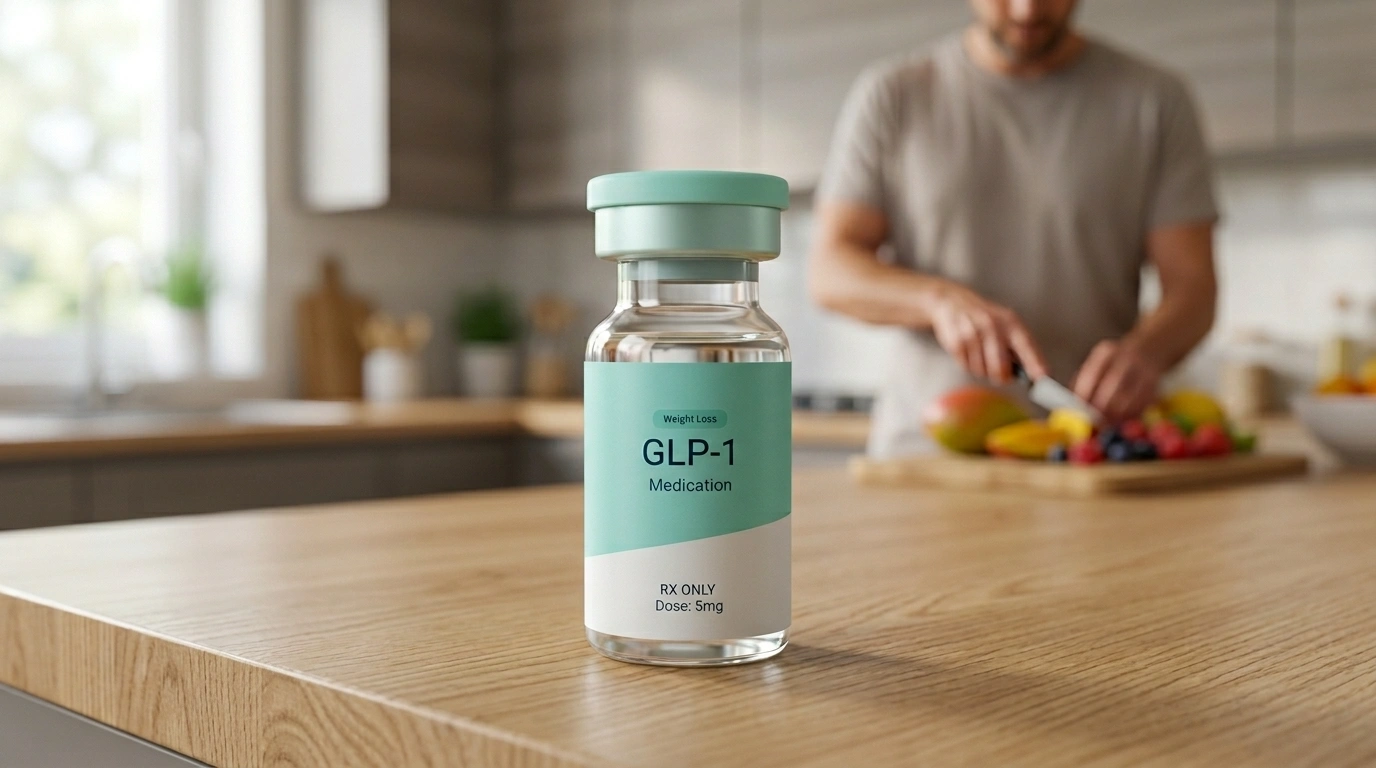
Taking the first step toward a healthier lifestyle often involves navigating new territory, including the prospect of self-administered medication. If you have been prescribed a GLP-1 receptor agonist—a type of medication that mimics a natural hormone to help manage blood sugar and appetite—it is normal to feel a mix of excitement and apprehension. If you’re figuring out whether a prescription program is the right next step, complete the free assessment quiz to see if a personalized plan fits your goals. At TrimRx, we understand that the idea of giving yourself a weekly injection can feel overwhelming at first. However, mastering the technique is a straightforward process that quickly becomes a simple part of your routine. This post covers the approved injection sites for Ozempic®, why choosing the right location matters for your results, and how to ensure every dose is as comfortable as possible. By learning the proper methods, you can focus less on the needle and more on your long-term health goals.
Understanding the Subcutaneous Injection
Before selecting a location for your shot, it is helpful to understand the type of injection required. Ozempic® (semaglutide) is a subcutaneous injection. This means the needle is designed to reach the fatty tissue layer located directly beneath the skin but above the muscle.
The fatty tissue, or subcutaneous layer, contains fewer blood vessels than muscle tissue. This allows the medication to be absorbed slowly and steadily into your system over the course of a week. If you want a broader overview of the medication itself, what GLP-1 is is a helpful companion read. If the medication is accidentally injected into a muscle, it may be absorbed too quickly, which can increase the risk of side effects like nausea or cause the medication to wear off sooner than intended. The needles used for these pens are typically very short and thin, specifically designed to stay within this shallow fatty layer.
The Three Primary Injection Sites
The U.S. Food and Drug Administration (FDA) has approved three specific areas for injecting GLP-1 medications. These spots are chosen because they typically have a reliable layer of subcutaneous fat, making them safe and effective for consistent absorption. If you want the bigger picture on how these medications drive weight loss, how GLP-1 actually works for weight loss goes deeper into the biology.
The Abdomen
The abdomen, or stomach area, is the most common choice for many individuals. It offers a large surface area, which makes it easier to rotate your injection spots every week.
When using the abdomen, you should target the front of the stomach. It is essential to stay at least two inches away from your navel (belly button). You should also avoid the waistline where clothing might rub against the site. The abdomen is often preferred because it is easy to see and reach while sitting or standing, allowing for better control during the injection process.
The Front of the Thigh
The thighs are another excellent option, particularly for those who may find the abdomen sensitive or who prefer a more private injection site. You should aim for the front or outer part of the upper thigh, roughly midway between your hip and your knee.
The inner thigh should be avoided because the skin is more sensitive and there are more blood vessels and nerves in that area. Many people find the thigh to be a very comfortable spot, especially if they prefer to sit down while administering their dose.
The Back of the Upper Arm
The upper arm is a valid third option, specifically the fleshy back part of the arm where the triceps are located. This area can be effective for absorption, but it is often the most difficult site to reach on your own.
Because it is hard to see the back of your own arm and maintain the correct angle, many people only use this site if they have a partner or caregiver available to assist them. If you are injecting yourself, the abdomen or thigh is generally recommended for better accuracy and ease.
Quick Answer: The best places to give yourself an Ozempic® shot are the abdomen (at least two inches from the belly button), the front of the upper thigh, or the back of the upper arm. These areas contain the fatty tissue needed for the medication to work correctly.
Why Injection Site Rotation is Critical
You might be tempted to stick with the one spot that feels the least intimidating, but “rotating” your sites is one of the most important habits you can develop. Rotation means choosing a different area or a different spot within the same area for every weekly dose.
If you inject into the exact same square inch of skin every week, you run the risk of developing a condition called lipohypertrophy. This is a fancy term for small, rubbery lumps of fat that form under the skin in response to repeated trauma. These lumps are not usually dangerous, but they can significantly interfere with how your body absorbs the medication. Medication injected into a lump may not enter your bloodstream at the right speed, which can lead to unpredictable blood sugar levels or a decrease in the effectiveness of your weight loss program.
A Simple Rotation Strategy
To keep your skin healthy and your medication working optimally, try a simple “clock” or “quadrant” method:
- Divide your abdomen into four sections (top left, top right, bottom left, bottom right).
- Use a different section each week.
- Move at least one inch away from your previous injection mark if you stay within the same general area.
- Alternate sides of the body, such as using the left thigh one week and the right thigh the next.
Key Takeaway: Rotating your injection site every week prevents the formation of fatty lumps and ensures the medication is absorbed consistently for the best possible results.
Preparing for Your Weekly Shot
Consistency is key to the success of any GLP-1 program. Preparing your environment and your supplies beforehand can reduce anxiety and ensure the process goes smoothly.
Check Your Medication Always look at the liquid inside your pen before you begin. It should be clear and colorless. If the liquid looks cloudy, discolored, or contains small particles, do not use it and contact your pharmacist. You should also verify the expiration date on the side of the pen.
Temperature Matters Many people find that injecting cold medication directly from the refrigerator can cause a slight stinging sensation. You can prevent this by taking your pen out of the fridge about 15 to 20 minutes before your injection. Letting it reach room temperature makes the liquid less viscous and often more comfortable to inject.
Gather Your Supplies Before you start, make sure you have everything you need in a well-lit area:
- Your medication pen.
- A new, sterile needle (never reuse needles).
- An alcohol swab or a clean cotton ball with rubbing alcohol.
- A sharps disposal container (a heavy-duty plastic container with a lid also works if a dedicated sharps bin is unavailable).
Step-by-Step Guide to the Injection Process
Once you have selected your site and prepared your supplies, follow these steps to ensure a safe and effective dose.
Step 1: Wash Your Hands Clean your hands thoroughly with soap and water to prevent any bacteria from entering the injection site.
Step 2: Prepare the Pen Remove the pen cap. Take a new needle, pull off the paper tab, and screw the needle straight and tightly onto the pen. Pull off the outer needle cap and the inner needle cap. You should keep the outer cap to help remove the needle safely after you are finished.
Step 3: Prime the Pen (If Using a New Pen) If this is the first time you are using a specific pen, you must check the flow. Turn the dose selector to the flow check symbol (usually a small dash or a drop icon). Point the needle upward and press the button. A drop of medication should appear at the needle tip. This ensures the pen is working and any air bubbles are removed.
Step 4: Set Your Dose Turn the dose selector until the counter shows your prescribed dose (for example, 0.25 mg or 0.5 mg). Ensure the number is lined up perfectly with the pointer.
Step 5: Clean the Site Wipe your chosen injection site with an alcohol swab. Let the skin air-dry completely. Do not blow on the skin to dry it, as this can introduce bacteria.
Step 6: Inject the Medication Insert the needle into your skin at a 90-degree angle (straight in). Press and hold down the dose button. You will see the dose counter return to zero. After the counter hits zero, count slowly to six. This pause is vital because it ensures the full dose has been delivered through the tiny needle before you pull it out.
Step 7: Remove and Dispose Pull the needle straight out. If there is a tiny drop of blood, you can press gently with a cotton ball, but do not rub the area. Carefully replace the outer needle cap and unscrew the needle. Drop the needle immediately into your sharps container.
Tips for a More Comfortable Experience
While the needles used for these medications are very small—often compared to the thickness of a few human hairs—it is natural to want to minimize discomfort.
Relax the Muscle If you are injecting into your thigh or arm, make sure the muscle is completely relaxed. Tensing your muscles can make the skin firmer and the injection feel more noticeable. If you are using your thigh, sit down and let your leg go limp.
Avoid Problem Areas Never inject into skin that is bruised, red, tender, or hard. You should also avoid areas with scars, stretch marks, or prominent veins. Healthy, clear skin will absorb the medication much better and feel less sensitive.
Numbing the Area If you are particularly sensitive to needles, you can hold an ice cube against the injection site for about 30 seconds before cleaning it with alcohol. This can temporarily numb the surface of the skin.
Bottom line: A combination of room-temperature medication, relaxed muscles, and proper site cleaning makes the weekly injection a quick and nearly painless process.
Troubleshooting Common Injection Challenges
Even with the best preparation, you might encounter a few minor issues. Knowing how to handle them can prevent unnecessary stress.
What if I see a drop of liquid after I pull the needle out? A tiny drop of liquid on the tip of the needle or the skin is normal and does not mean you missed your dose. However, if a significant amount of liquid runs down your skin, you may have pulled the needle out too soon. Next time, make sure to count to a full six or ten seconds after the dose counter hits zero.
What if I forget if I took my shot? Consistency is vital for GLP-1 medications. If you are unsure if you took your dose, do not take an extra one. Our personalized programs at TrimRx are designed to work with your body’s rhythm, and taking a double dose can lead to severe nausea or other side effects. Use a calendar or a phone app to check off your dose every week the moment you finish.
What if the pen won’t click or turn? If the dose selector will not turn to your full dose, the pen is likely empty. Each pen contains a specific amount of medication. Do not force the dial. If you have a partial dose left, you should talk to a healthcare provider about whether to take that partial dose and finish with a new pen or simply start the new pen.
Managing Potential Side Effects at the Injection Site
While the most common side effects of GLP-1 medications are gastrointestinal—such as nausea or constipation—some people experience localized reactions at the site of the shot. For a deeper breakdown of symptom patterns and management strategies, semaglutide side effects: complete guide and management tips is a useful companion read.
Redness and Itching Mild redness, itching, or a small bump at the injection site is usually not a cause for alarm. This is often a minor reaction to the needle or the preservative in the medication. These symptoms typically fade within a few hours or a couple of days. You can use a cold compress to soothe the area.
Bruising Small bruises can happen if the needle hits a tiny capillary under the skin. To minimize bruising, avoid rubbing the site after the injection and ensure you are inserting the needle straight in rather than at an awkward angle.
When to Contact a Provider While minor reactions are common, you should seek guidance from a licensed healthcare professional if you experience:
- A rash that spreads far beyond the injection site.
- Severe pain, swelling, or heat at the site that lasts more than 48 hours.
- Signs of a systemic allergic reaction, such as difficulty breathing or swelling of the face and throat.
How Personalized Support Enhances the Experience
Starting a medication like Ozempic® is about more than just the injection itself. It is about a broader shift in your metabolic health. This is where the value of a supervised program becomes clear. When you work through a telehealth platform, you have access to specialists who can answer questions about your specific reaction to the medication or help you adjust your technique.
We provide a streamlined way to access these medications through licensed providers. Our process begins with a free assessment quiz to determine your eligibility and health profile. If you want to better understand the screening process, qualifying for semaglutide: what you really need to know is a helpful companion read. If a provider determines a prescription is appropriate, you can receive your medication shipped directly from FDA-registered, inspected compounding pharmacies. This model ensures you have the tools you need—including the medication and the clinical support—without the need for in-person waiting rooms.
Note: If you are using compounded medications, it is important to remember that they are not FDA-approved. However, the pharmacies we work with are strictly regulated and inspected to ensure safety and quality standards are met.
Building a Sustainable Routine
The goal of using GLP-1 medications is to support sustainable weight management. The injection is the “engine” that helps manage your appetite and blood sugar, but the “fuel” is your daily lifestyle.
To get the most out of your program, consider these steps:
- Hydrate: Drinking plenty of water can help manage the common side effects of semaglutide and keeps your skin healthy for injections.
- Protein First: Focusing on protein helps preserve muscle mass as you lose weight.
- Track Your Progress: Keep a log of not just your weight, but also how you feel and which injection sites you used.
- Use Supportive Supplements: Products like GLP-1 Daily Support can help provide the essential nutrients your body needs while your appetite is reduced.
If appetite reduction makes it harder to keep up with daily nutrition, GLP-1 Daily Support supplement can help provide the essential nutrients your body needs while your appetite is reduced.
If you want added energy support during weight loss, Weight Loss Boost supplement is another option to consider.
Conclusion
Mastering where to give yourself your Ozempic® shot is a vital skill that empowers you to take control of your health journey. By choosing the abdomen, thigh, or upper arm and prioritizing consistent site rotation, you ensure that the medication is absorbed effectively and your skin remains healthy. The process is designed to be simple, and with each passing week, your confidence will grow.
At TrimRx, our mission is to help individuals embrace healthier lifestyles through science, empathy, and a transparent approach to weight loss. We believe that everyone deserves access to personalized, medically supervised care that fits into their modern life. If you want a broader look at supportive options that fit alongside GLP-1 treatment, what is GLP-1 support and how can it transform your weight loss journey? is a helpful companion read. Whether you are just starting your journey or looking for a more supportive program, we are here to provide the clinical expertise and dedicated support you need to succeed.
To take the next step, we invite you to take the free assessment quiz to see which personalized program is right for you.
FAQ
What happens if I accidentally inject my Ozempic® shot into muscle?
If you inject into the muscle instead of the fatty tissue, the medication may be absorbed into your bloodstream too quickly. This does not usually cause long-term harm, but it may lead to a temporary increase in side effects like nausea or a “crash” in blood sugar levels. To avoid this, ensure you are using a 90-degree angle and targeting areas with visible subcutaneous fat, such as the abdomen or thigh.
Is one injection site better for weight loss than the others?
Clinical studies show that the effectiveness of semaglutide is the same regardless of whether it is injected into the abdomen, thigh, or upper arm. The “best” site is simply the one where you feel the most comfortable and can most easily follow the proper injection technique. Many people prefer the abdomen because it has the largest surface area for rotating shots, which is helpful for long-term treatment. If you’re still deciding whether semaglutide is the right fit, qualifying for semaglutide: what you really need to know explains the usual screening factors.
Can I give myself my Ozempic® shot through my clothes?
No, you should never inject through your clothing. Injecting through fabric can introduce bacteria into the injection site, increasing the risk of infection. It also prevents you from seeing the skin clearly, which makes it harder to avoid bruises, scars, or the belly button area. Always clean the bare skin with an alcohol swab before administering your dose.
Why do I have to hold the button and count to six after injecting?
The needles used in GLP-1 pens are extremely thin, and the medication is relatively thick. It takes a few extra seconds for the full dose to travel through the needle and into your subcutaneous tissue. If you pull the needle out immediately after the counter hits zero, some of the medication may leak out of the skin, meaning you did not receive your full prescribed dose. If you’re comparing treatment options, what is the weight loss drug tirzepatide? offers a straightforward overview of another weekly medication option.
Disclaimer: This content is for informational purposes only and does not constitute medical advice. It is not intended to diagnose, treat, cure, or prevent any disease or condition. Individual results may vary. Always consult a qualified healthcare professional before starting any weight loss program or medication.

Transforming Lives, One Step at a Time
Keep reading
Can You Take Ibuprofen on Ozempic?
For occasional use in someone who is well hydrated and has healthy kidneys, ibuprofen is generally considered reasonable, and it is worth checking with…

Why Do I Feel Best Two Days After My Ozempic Injection?
Because you are noticing the shape of a weekly dose, and day two often sits in a useful window: the initial side effects have…

Does Pepto Bismol Help Nausea on Ozempic?
Ask your pharmacist before using it, because Pepto Bismol is not the neutral stomach remedy most people assume. Its active ingredient, bismuth subsalicylate, contains…


