Where Do Ozempic Shots Go? Best Practices for Injection Sites
Introduction
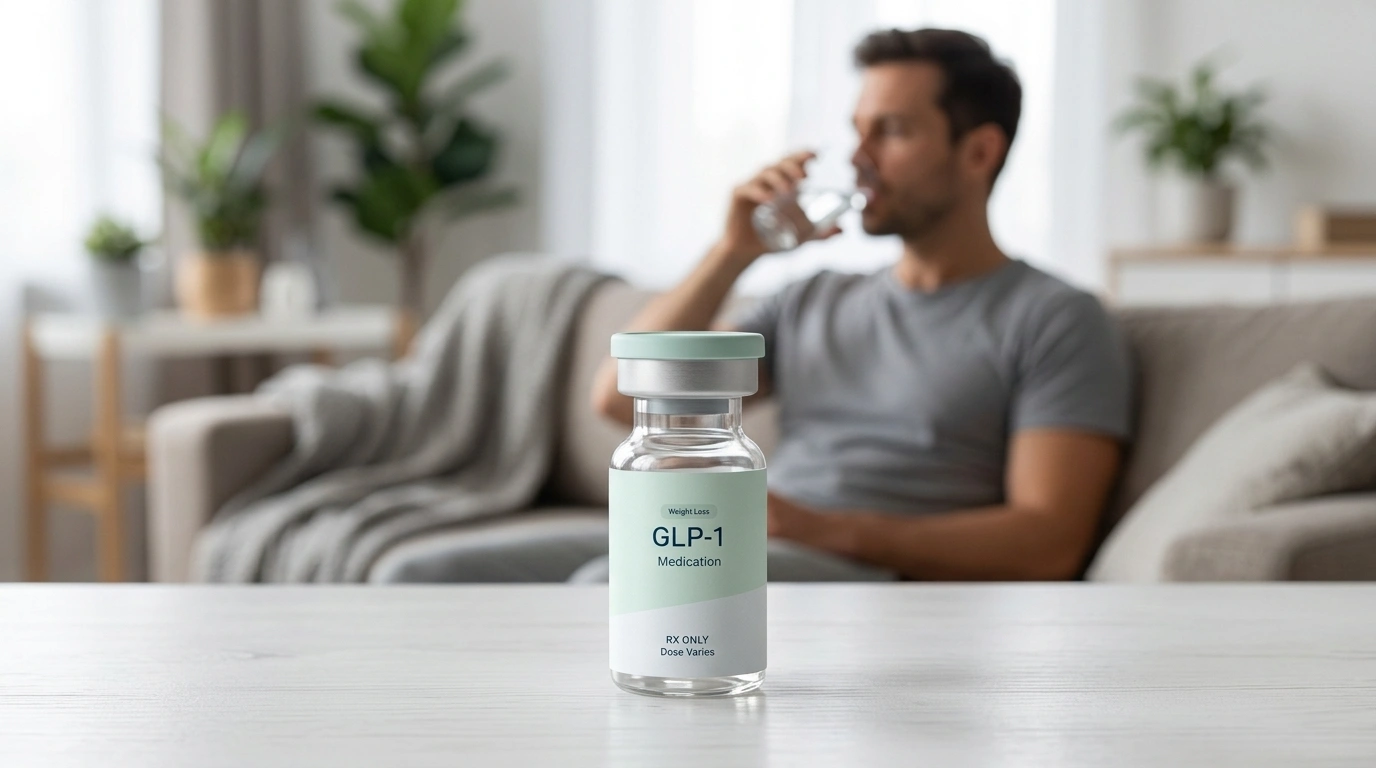
Starting a new medication can bring up a mix of emotions, especially when that medication involves a weekly injection. You might feel a sense of hope for your health journey, but it is also completely normal to feel a bit of hesitation or even anxiety about the needle itself. One of the most common questions we hear from individuals beginning their treatment is quite simple: where do Ozempic shots go? Understanding exactly where and how to administer your medication is the first step toward a confident and successful experience.
If you’re considering a prescription GLP-1 program and want to see whether you’re a good fit, take the free assessment quiz.
At TrimRx, we believe that clarity is the key to consistency. For a broader primer on the hormone behind these medications, our GLP-1 explainer is a helpful companion. This post covers the specific body areas recommended for your injections, why rotating these sites is vital for your comfort, and how to ensure the medication is absorbed properly. By the end of this guide, you will have a clear, step-by-step understanding of the process, helping you move from uncertainty to mastery in your weekly routine.
Understanding Subcutaneous Injections
Before we look at the specific locations, it is important to understand the type of injection used for GLP-1 medications like Ozempic® (semaglutide). If you want a deeper overview of the medication itself, our semaglutide injection overview covers the basics. These are known as subcutaneous injections. This term simply means the medication is delivered into the fatty layer of tissue located just beneath the skin.
A GLP-1 receptor agonist, such as semaglutide, works by mimicking a natural hormone in your body that regulates appetite and blood sugar. If you’d like to understand that mechanism in more detail, how GLP-1 actually works for weight loss is a useful follow-up. For the medication to work as intended, it needs to be absorbed slowly and steadily into your bloodstream. The subcutaneous fat layer is the ideal “waiting room” for this process. Unlike an injection into a vein or a muscle, which would cause the medication to enter your system too quickly, the fat layer allows for the slow-release effect that makes once-weekly dosing possible.
Key Takeaway: Subcutaneous injections must land in the fatty tissue between the skin and the muscle to ensure the medication is absorbed at the correct rate.
The Three Primary Injection Sites
There are three main areas recommended for injecting semaglutide. If you are still comparing treatment options, our semaglutide injection overview can help you understand why these sites are used. These spots are chosen because they typically have a reliable layer of subcutaneous fat and are easy to reach, either by yourself or with minimal help.
The Abdomen
The abdomen, or stomach area, is the most popular choice for many people. It offers a large surface area, making it easy to find a fresh spot each week.
- Location: You should aim for the fleshy area of your belly.
- The “Two-Inch” Rule: Always stay at least two inches away from your belly button (umbilicus).
- Avoidance Zones: Do not inject into areas where the skin is tender, bruised, red, or hard. Also, avoid injecting directly into scars or stretch marks, as these tissues may not absorb the medication as effectively.
The Front of the Thigh
The thigh is an excellent alternative, especially for individuals who find abdominal injections uncomfortable or who prefer to sit down while administering their dose.
- Location: Use the front or outer-front part of your upper thigh.
- Ease of Use: This area is very easy to see and reach while sitting in a chair, which can help reduce nerves during the first few weeks of treatment.
- Muscle Tension: Try to keep your leg relaxed. Injecting into a tensed muscle can be more painful than injecting into relaxed fatty tissue.
The Upper Arm
The back of the upper arm is a third option, though it can be slightly more challenging to reach on your own.
- Location: Aim for the “triceps” area on the back of the arm, where there is usually a pocket of fatty tissue.
- Assistance: Because it is difficult to pinch the skin and guide the needle simultaneously in this location, many people only use the arm if they have a partner or family member to help them.
- Visibility: Using a mirror can help if you are attempting to use this site by yourself.
Why You Must Rotate Your Injection Sites
One of the most important habits to form is “site rotation.” This means you should never inject into the exact same spot two weeks in a row. If you prefer using your abdomen, you don’t have to switch to your thigh, but you should move at least one inch away from the previous week’s injection point.
The Risk of Lipohypertrophy If you use the same spot repeatedly, you may develop a condition called lipohypertrophy. This is a fancy term for small, rubbery lumps that form under the skin due to localized fat accumulation and tissue irritation. These lumps are usually not dangerous, but they are problematic for your treatment. Our semaglutide side effects guide goes deeper into how reactions like nausea and discomfort can show up over time.
Medication injected into these toughened areas is not absorbed predictably. If the absorption is blocked or slowed by a lump, you might feel like your medication isn’t working. Conversely, if the medication suddenly “breaks through” the tissue, you might experience a spike in side effects like nausea.
Quick Answer: You can inject Ozempic into the abdomen, the front of the thigh, or the back of the upper arm. It is essential to rotate these spots weekly to prevent skin irritation and ensure the medication works consistently.
How to Prepare for Your Weekly Shot
Success starts with preparation. Taking an extra minute to get your supplies ready can significantly reduce the “sting” and make the process feel routine.
- Check Your Medication: Look at the liquid inside your pen. It should be clear and colorless. If it looks cloudy, contains particles, or has changed color, do not use it.
- Temperature Matters: Many people find that injecting cold medication straight from the refrigerator causes a slight stinging sensation. You may find it more comfortable to let the pen sit at room temperature for about 15 to 20 minutes before your injection.
- Gather Supplies: You will need your pen, a new needle, an alcohol swab, and a sharps container.
- Clean the Site: Use the alcohol swab to clean the chosen area. Let the skin air-dry completely. Injecting into “wet” alcohol is a common cause of avoidable stinging.
Step-by-Step Injection Guide
Once you are prepared and have chosen your site, follow these steps to ensure the full dose is delivered safely. Our platform, TrimRx, works with licensed providers who can offer additional guidance if you ever feel unsure about these steps. If you’re ready to see whether a personalized treatment plan is appropriate, complete the free assessment quiz.
Step 1: Attach the Needle Remove the pen cap and tear off the paper tab from a new needle. Push the needle straight onto the pen and turn until it is tight. Remove both needle caps (the outer and inner covers). Save the outer cap for later disposal.
Step 2: Check the Flow (For New Pens) If it is your first time using a new pen, you must perform a flow check to ensure the needle is working. Turn the dose selector to the flow check symbol and press the button. A drop of liquid should appear at the needle tip.
Step 3: Dial Your Dose Turn the dose selector until the window shows your prescribed dose (for example, 0.25 mg or 0.5 mg).
Step 4: The Injection Insert the needle into your skin at a 90-degree angle (straight in). Press and hold the dose button. You will see the dose counter return to zero.
Step 5: The Six-Second Rule After the counter reaches zero, do not pull the needle out immediately. Count slowly to six. This ensures that every drop of the medication has time to leave the needle and enter your subcutaneous tissue.
Step 6: Disposal Pull the needle out and carefully replace the outer needle cap. Unscrew the needle and place it immediately into a sharps container. Never leave a needle attached to the pen, as this can lead to contamination or medication leakage.
Managing Common Injection Site Reactions
It is quite common to experience a minor reaction at the site of the shot. For most, these are mild and disappear within a day or two.
- Redness or Itching: This is often a mild local reaction to the needle or the medication itself. A cold compress can help soothe the area.
- Small Bruising: This can happen if the needle hit a tiny blood vessel. It is harmless but serves as a good reminder to choose a slightly different spot next week.
- A “Bleeding” Drop: A tiny drop of blood at the site is normal. You can apply light pressure with a cotton ball, but avoid rubbing the area, as rubbing can increase bruising.
When to Contact a Professional While mild reactions are normal, you should reach out to a healthcare provider if you notice signs of a more serious issue, such as:
- Pain that gets worse over 48 hours.
- Warmth, significant swelling, or pus at the injection site.
- A rash that spreads across your body.
- Signs of an allergic reaction, like difficulty breathing or swelling of the face.
Optimizing Your Results with TrimRx
Choosing the right injection site is a physical step, but the journey to better metabolic health is a comprehensive process. If you want to see whether a personalized GLP-1 program fits your goals, see if you qualify for a personalized program. At TrimRx, we focus on providing a telehealth experience that supports you at every turn. We connect you with licensed medical providers who evaluate your history and goals to create a personalized plan.
Whether you are using branded medications like Ozempic® or Mounjaro®, or your provider determines that compounded semaglutide or compounded tirzepatide from an FDA-registered pharmacy is the right path for you, the goal remains the same: sustainable, science-backed progress. If you are comparing medication options more broadly, our tirzepatide guide is a helpful place to start.
We offer 24/7 access to specialists and a program that includes everything from the initial consultation to the medication delivered to your door. This telehealth-first approach means you never have to worry about waiting rooms or confusing pharmacy lines. You can focus entirely on your health while we handle the logistics of your program.
Helpful Tips for a Pain-Free Experience
If you are particularly sensitive to needles, these small adjustments can make a world of difference:
- Relax Your Muscles: If you are tensing up the muscle beneath the fat, the injection will feel more uncomfortable. Take a deep breath and consciously relax your stomach or leg before you start.
- Pinch or No Pinch? Most modern pen needles are very short (around 4mm), which means they naturally land in the fat layer. However, if you are very lean, you may find it helpful to gently pinch a fold of skin and inject into that “tent” of tissue to ensure you don’t hit the muscle.
- Switch It Up: Some people find that their thigh is less sensitive than their abdomen, or vice versa. If you find one area consistently uncomfortable, try one of the other two recommended sites for your next few doses.
- Avoid the Waistline: Try to avoid injecting right where your waistband or belt sits. Constant friction from clothing on a fresh injection site can lead to irritation and redness.
Key Takeaway: Proper preparation—including letting the medication reach room temperature and letting the alcohol dry—is the easiest way to minimize discomfort.
Maintaining Consistency
The most effective injection site is the one that allows you to remain consistent. Consistency is the foundation of any weight management or blood sugar program. Because semaglutide has a long half-life (meaning it stays in your body for a long time), missing a dose can disrupt the steady levels needed for the best results.
If you find that you are frequently forgetting your dose, try to link the injection to an existing weekly habit. For example, many people choose Sunday mornings or Friday evenings. You may also find it helpful to set a recurring alarm on your phone.
At TrimRx, our personalized programs are designed to take the guesswork out of your treatment. If you’re ready for a clearer next step, start with a free eligibility assessment. By combining medical supervision with the convenience of telehealth, we help you stay on track through every stage of your journey.
Summary of Best Practices
To ensure your weekly injection is as effective and comfortable as possible, keep these final points in mind:
- Location: Use the abdomen, thigh, or back of the arm.
- Depth: Keep it subcutaneous (in the fat).
- Hygiene: Always use a new needle and clean the skin.
- Patience: Wait six seconds after the dose counter hits zero before withdrawing the needle.
- Rotation: Move your site by at least one inch every single week.
If you want a broader look at semaglutide itself, What Is Semaglutide for Weight Loss? is a helpful next read. Managing your health through medication is an empowering step. By mastering the simple mechanics of “where the shots go,” you remove a significant barrier to your long-term success.
FAQ
Can I inject Ozempic into my muscle for faster results?
No, you should never intentionally inject Ozempic® into a muscle. Doing so can cause the medication to be absorbed too quickly, which may increase the severity of side effects like nausea and vomiting, and it may decrease the long-term effectiveness of the dose.
Is the stomach or the thigh better for weight loss?
Clinical studies show that the medication’s effectiveness is consistent across all three recommended sites (abdomen, thigh, and arm). The “best” site is simply the one where you feel the least discomfort and find it easiest to rotate your injection points.
What should I do if I see a small drop of liquid on the needle after I inject?
Seeing a tiny drop at the tip of the needle is normal and does not mean you missed your dose. However, if you see a significant amount of liquid on your skin, you may have pulled the needle out too quickly; remember to count to six before withdrawing the needle next time.
Can I use the same needle for two weeks to save money?
No, you must use a new, sterile needle for every injection. Reusing needles increases the risk of infection, causes more pain because the needle tip dulls after one use, and can lead to the needle becoming blocked, which prevents you from receiving your medication.
Disclaimer: This content is for informational purposes only and does not constitute medical advice. It is not intended to diagnose, treat, cure, or prevent any disease or condition. Individual results may vary. Always consult a qualified healthcare professional before starting any weight loss program or medication.

Transforming Lives, One Step at a Time
Keep reading
Can You Take Ibuprofen on Ozempic?
For occasional use in someone who is well hydrated and has healthy kidneys, ibuprofen is generally considered reasonable, and it is worth checking with…

Why Do I Feel Best Two Days After My Ozempic Injection?
Because you are noticing the shape of a weekly dose, and day two often sits in a useful window: the initial side effects have…

Does Pepto Bismol Help Nausea on Ozempic?
Ask your pharmacist before using it, because Pepto Bismol is not the neutral stomach remedy most people assume. Its active ingredient, bismuth subsalicylate, contains…


