Progesterone Cream & Weight Loss: Where You Apply It Matters
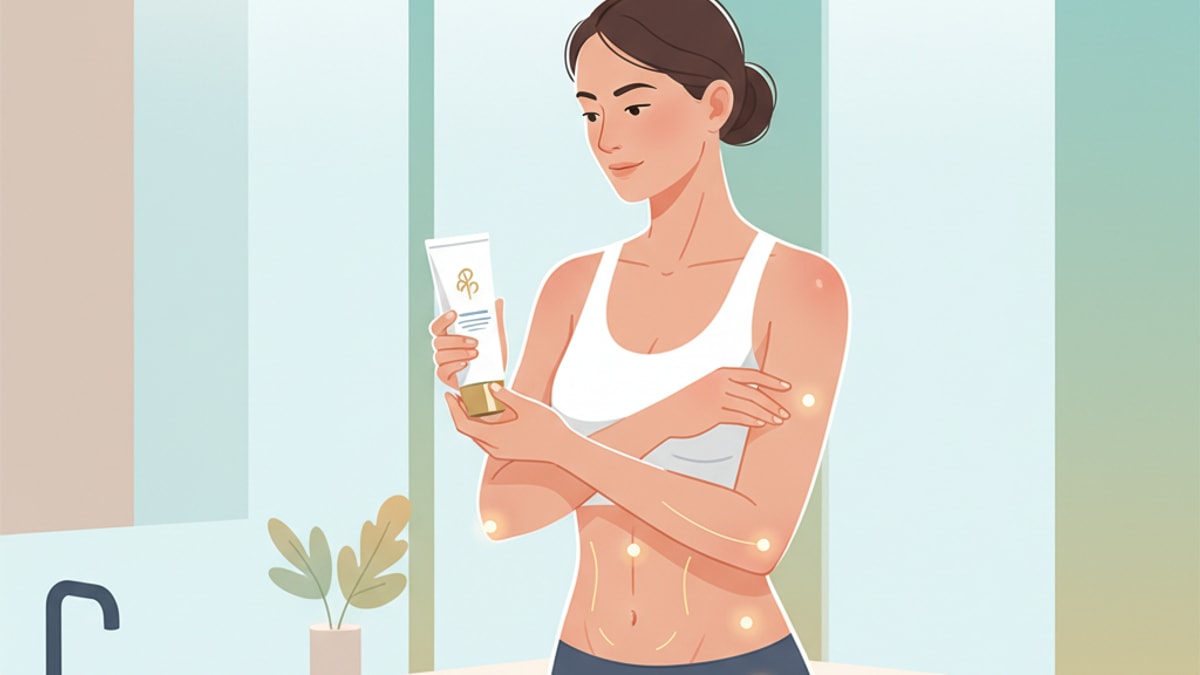
Let's talk about a frustrating scenario. You're doing everything right—or at least it feels that way. You're watching your diet, you're trying to stay active, but the scale just won't budge. Or worse, it’s creeping in the wrong direction. It’s a formidable challenge, and for many, the missing piece of the puzzle isn't another diet plan; it's hormonal. Specifically, it’s about the delicate balance of hormones like progesterone, and when that balance is off, it can feel like you’re fighting an uphill battle against your own body.
At TrimrX, our entire focus is on medically-supervised weight loss, and that means we look at the whole picture. We’ve guided thousands of patients through their journeys using advanced treatments like Semaglutide and Tirzepatide, and a recurring theme we encounter is the profound impact of hormonal health on metabolism. While exploring supplemental support like progesterone cream, a question comes up constantly: does it really matter where you apply it? The answer is an emphatic yes. It's not just about using the cream; it’s about using it strategically. Where you apply progesterone cream for weight loss isn't a minor detail—it's a critical factor that determines its effectiveness.
So, What's the Real Connection Between Progesterone and Weight?
Before we dive into the 'where,' let's quickly cover the 'why.' Progesterone is often called the 'feel-good' hormone, and for good reason. It has a calming effect on the brain, promotes restful sleep, and plays a crucial role in balancing the effects of estrogen. When progesterone levels are low relative to estrogen—a common condition known as estrogen dominance—it can set off a cascade of issues that directly impact your weight.
Our team has seen this manifest in several ways:
- Water Retention and Bloating: Estrogen dominance can cause your body to hold onto water and salt, leaving you feeling puffy and bloated. Proper progesterone levels can have a natural diuretic effect, helping to shed that excess water weight. It's often one of the first changes people notice.
- Poor Sleep and High Cortisol: Progesterone is deeply connected to your sleep cycle. Low levels can lead to restlessness, night waking, and insomnia. What happens when you don't sleep well? Your cortisol (the stress hormone) levels skyrocket. And high cortisol is notorious for signaling your body to store fat, particularly around the midsection.
- Mood and Cravings: The calming effect of progesterone isn't just for show. It helps regulate mood. When it's low, you might feel more anxious or irritable, which for many people triggers emotional eating and cravings for sugar and carbs.
It’s a complex web. We can't stress this enough: progesterone cream isn't a magic weight loss potion. You can’t simply rub it on and expect pounds to melt away. Instead, think of it as a supportive tool that helps bring your body back into balance, creating an internal environment where your weight loss efforts—like a healthy diet, exercise, and for many of our patients, GLP-1 treatments—can finally be effective. It’s about removing the hormonal roadblocks.
Why Application Site Actually Matters: A Lesson in Absorption
This is where the science gets really interesting. Your skin might seem like a uniform barrier, but it’s not. It's a sprawling, complex organ with varying thickness, fat layers, and blood supply from one area to the next. When you apply a transdermal cream, you're relying on it to pass through the skin and enter the bloodstream to be circulated throughout your body. The goal is systemic absorption.
Here’s the key distinction: you want the progesterone to get into your blood, not your fat.
Adipose tissue (body fat) loves to hold onto hormones. If you apply progesterone cream to a fatty area like your stomach or buttocks, a significant portion of it can get sequestered in the fat cells. It just sits there, unable to enter the circulation and do its job. It’s effectively trapped. This is a common mistake we see people make, and it dramatically reduces the cream's efficacy. You could be using the right dose but applying it to the wrong place, essentially wasting it.
To achieve optimal absorption, you need to target areas of your body where the skin is thin and the blood vessels (capillaries) are close to the surface. This provides a more direct route into the bloodstream, bypassing the fat-storage trap. Simple, right? But it’s a detail that makes all the difference in the world.
The Best Places to Apply Progesterone Cream for Optimal Absorption
Alright, let’s get specific. Based on our experience and the science of transdermal delivery, certain areas of the body are far superior for applying progesterone cream. We recommend our clients focus on these primary locations, rotating between them daily.
The Prime Real Estate for Application:
- Inner Wrists and Forearms: This is probably the most common and effective spot. The skin here is thin, and you can easily see the network of veins just beneath the surface. It’s a direct highway to your bloodstream.
- Inner Upper Arms: Similar to the forearms, the skin on the inside of your biceps is relatively thin and well-supplied with blood.
- Neck and Upper Chest: The sides of the neck and the décolletage area are also excellent choices. The skin is delicate and vascular. Just be mindful not to apply it too close to your thyroid gland (at the base of the front of your neck).
- Behind the Knees: This is another 'sweet spot' with thin skin and good blood flow, making it an effective but often overlooked option.
- Inner Thighs: The very top of the inner thighs can work well, as the skin is thinner here than on the outer thighs. Just be sure to apply it to the leaner area, not closer to the hip where fat deposits are greater.
Now, this is where it gets interesting. There’s one more spot that’s a bit unconventional but highly effective: the soles of your feet. While the skin is thick, it’s also incredibly porous and has a rich network of blood vessels. Many people find applying the cream to the arches of their feet before bed is a great option, especially since it won't rub off on clothing.
The Areas You Absolutely Must Avoid
We mentioned this before, but it bears repeating. We can't stress this enough: do not apply progesterone cream to fatty areas. This includes:
- Your abdomen
- Your hips
- Your buttocks
- Your outer thighs
Applying it here is counterproductive. You're feeding the fat cells, not your bloodstream. This is perhaps the single biggest mistake people make, and it’s the reason many believe the cream 'isn't working' for them.
To make this crystal clear, our team put together a quick comparison.
| Application Area | Absorption Rate | Why It Works (or Doesn't) | Our Team's Recommendation |
|---|---|---|---|
| Inner Wrists & Arms | High | Thin skin with plentiful capillaries close to the surface. | Excellent choice. Easy to access and rotate daily. |
| Neck & Chest | High | Similar to inner arms, good blood flow. | A great option, especially for morning application. |
| Inner Thighs | Moderate to High | Good surface area, but can have more subcutaneous fat. | Effective, but ensure you're applying to the leaner, inner area. |
| Abdomen & Hips | Low | High concentration of adipose (fat) tissue. | We strongly advise against this. Fat can 'trap' the hormone. |
| Soles of Feet | Moderate | Thick skin, but highly vascular and porous. | A good alternative, especially for overnight application. |
The Critical Importance of Rotating Your Application Sites
Okay, so you’ve identified the best spots. Now for the next crucial step: you must rotate them. Every single day.
Don’t just pick your favorite spot (like your left wrist) and apply the cream there day after day. If you do, the hormone receptors in that specific patch of skin can become saturated and less responsive over time. Your body is smart; it adapts. To keep absorption rates high and consistent, you need to keep it guessing.
This doesn't have to be complicated. In fact, we recommend making it a simple, mindless routine. Here’s a sample weekly schedule you could follow:
- Monday: Left inner wrist
- Tuesday: Right inner wrist
- Wednesday: Left inner forearm
- Thursday: Right inner forearm
- Friday: Upper chest
- Saturday: Left inner thigh
- Sunday: Right inner thigh
And then you start over. By cycling through different locations, you give each area a break, ensuring the receptors remain sensitive and ready to facilitate absorption when it’s their turn again. It’s a small habit that makes a significant, measurable difference in the long run.
How Much and How Often? Getting the Dosage Right
This is the part of the conversation where we have to be unflinchingly clear: hormonal therapy, even with over-the-counter creams, should not be a DIY experiment. The question of 'how much' is deeply personal and depends on your individual symptoms, your age, whether you're cycling, perimenopausal, or postmenopausal, and—most importantly—your lab results.
That said, a common starting dose for many women is about 20mg of cream per day (often split into 10mg in the morning and 10mg at night). For women who are still menstruating, the cream is typically used only during the second half of the cycle (the luteal phase), starting after ovulation (around day 14) and stopping when menstruation begins. For postmenopausal women, a common protocol is to use the cream for 21-25 days of the month and then take a 5-7 day break.
But honestly, these are just general guidelines. Self-prescribing is risky. You could use too little and see no effect, or use too much and create a different set of hormonal imbalances. The only way to know for sure is to work with a healthcare provider who can interpret your symptoms and, ideally, run a hormone panel. This approach (which we've refined over years) delivers real results because it’s based on data, not guesswork. It's a non-negotiable element of using hormones safely and effectively.
Progesterone Cream Isn't a Standalone Solution: The TrimrX Perspective
We've dedicated this entire discussion to progesterone cream because we believe in empowering you with knowledge. Understanding how your body works is the first step toward taking control of your health. But we also need to be realistic. For individuals facing a significant weight loss challenge, balancing progesterone is just one piece of a much larger, more intricate puzzle.
Our experience at TrimrX has shown that lasting, transformative weight loss almost always requires addressing core metabolic issues head-on. This is where conditions like insulin resistance come into play, a formidable barrier that can make weight loss feel nearly impossible, no matter how well-balanced your other hormones are. This is precisely why GLP-1 medications like Semaglutide and Tirzepatide have become such game-changers.
These treatments don't just help with appetite; they work on a fundamental level to improve how your body processes sugar, reduce insulin resistance, and reset your metabolic 'set point.' They are powerful, clinically-proven tools that address the root causes of weight gain in a way that supplements alone cannot. Think of it this way: optimizing your progesterone levels is like making sure your car has good oil, which is essential for it to run smoothly. But if the engine itself has a major issue (like insulin resistance), you need a more direct and powerful intervention to fix it. That's the role of GLP-1s in a comprehensive weight loss plan.
This is the holistic approach we take. We help our patients understand all the contributing factors—from hormones to metabolism to lifestyle. If you feel like you've tried everything and are ready to move beyond supportive supplements to a medically-supervised program designed for real, sustainable results, we're here to help. You can learn more about your options when you Take Quiz on our site. It’s the first step toward a new strategy.
Understanding where to apply progesterone cream for weight loss is an excellent piece of self-advocacy. It shows you're thinking critically about your health. But don't let it be the end of your journey. When you’re ready to tackle the bigger metabolic picture and achieve the kind of weight loss that lasts, our team is ready to guide you. It might be time to Start Your Treatment and see what's possible with a truly comprehensive plan.
This journey is about more than just numbers on a scale; it's about regaining your energy, your confidence, and your health. Knowing the right way to use supportive tools is part of that, but knowing when to bring in powerful, targeted medical treatments is what ultimately creates life-changing success. We’ve seen it work time and time again.
Frequently Asked Questions
Can I apply progesterone cream to my stomach to lose belly fat?
▼
We strongly advise against this. The abdomen is a fatty area, which can trap the progesterone and prevent it from entering your bloodstream effectively. For weight management support, you need systemic absorption, which is best achieved on areas with thin skin like the inner wrists or arms.
How long does it take to see weight loss results from progesterone cream?
▼
Results vary significantly. Some women notice a reduction in bloating and water retention within a few weeks. However, progesterone cream is not a direct weight loss drug; it supports hormonal balance, which can then make your diet and exercise efforts more effective over time.
What happens if I apply too much progesterone cream?
▼
Using too much can lead to symptoms of progesterone excess, such as drowsiness, dizziness, or mood changes. It’s crucial to start with a low dose and work with a healthcare provider to find the right amount for your body’s needs.
Should I use progesterone cream every day?
▼
It depends on your menstrual status. Premenopausal women typically use it only during the second half of their cycle (luteal phase), while postmenopausal women may use it for about 21-25 days a month with a break. A healthcare professional can provide the correct schedule for you.
Will progesterone cream interfere with my GLP-1 medication?
▼
Generally, there are no known direct contraindications between transdermal progesterone and GLP-1 medications like Semaglutide. However, you should always discuss all supplements and medications you’re taking with your prescribing physician to ensure a safe and cohesive treatment plan.
Why is it so important to rotate application sites?
▼
Rotating sites prevents the hormone receptors in any single patch of skin from becoming saturated or desensitized. By continually moving the application spot, you ensure consistent and optimal absorption of the cream into your bloodstream every day.
What time of day is best to apply progesterone cream?
▼
Many people split their dose, applying half in the morning and half before bed. Because progesterone can have a calming, sleep-promoting effect, the evening application is particularly popular. Consistency is more important than the exact time.
Can I put lotion or other skincare products over the progesterone cream?
▼
It’s best to wait at least 15-20 minutes after applying progesterone cream before putting any other products on that area. This gives the cream adequate time to be absorbed into the skin without being diluted or blocked by other lotions.
How do I know if my progesterone is low?
▼
Symptoms like irregular periods, PMS, anxiety, insomnia, and unexplained weight gain can be indicators. The most definitive way to know is through a blood or saliva test ordered by a healthcare provider, typically tested during the luteal phase of your cycle.
Is natural bioidentical progesterone cream better than synthetic progestins?
▼
Our team finds that bioidentical progesterone, which is molecularly identical to what your body produces, is often better tolerated than synthetic progestins. Synthetics can have a different molecular structure and may come with more side effects for some individuals.
Can men use progesterone cream for weight loss?
▼
While men produce progesterone in smaller amounts, its use for weight loss in men is not well-established and should only be considered under strict medical supervision. Men’s hormonal balance is very different, and improper use could disrupt their endocrine system.

Transforming Lives, One Step at a Time
Keep reading

Do You Need a Prescription for GLP-1s? The 2026 Answer
Wondering ‘do you need a prescription for glp 1’ in 2026? Yes. We explain why a doctor’s oversight is critical for safe, effective results.

How to Get GLP-1 Covered By Insurance: Our 2026 Playbook
Struggling with how to get glp-1 covered by insurance? Our 2026 guide breaks down prior authorizations, appeals, and documentation.

Traveling with GLP-1s in 2026: Your Essential Trip-Proof Plan
Don’t let travel disrupt your GLP-1 treatment. Learn how to travel with glp 1 medications safely and stress-free in our 2026 expert guide.


