Where to Buy Compounded Semaglutide: Complete Provider Safety Guide
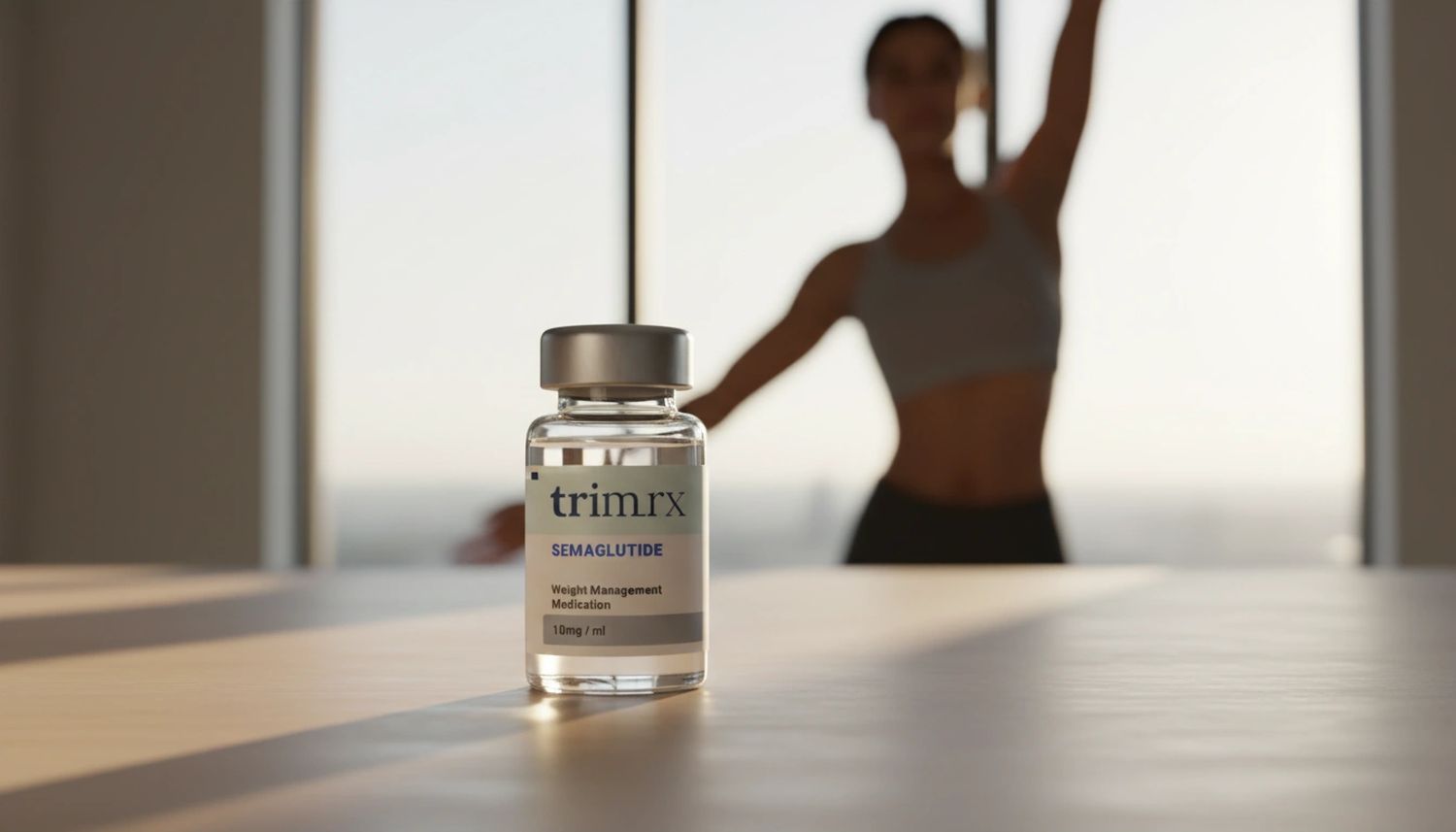
Compounded semaglutide is available through licensed telehealth providers that work with FDA-registered compounding pharmacies, offering the same active ingredient as Ozempic and Wegovy at significantly lower costs.
If you’re looking for affordable semaglutide without navigating insurance requirements, finding a legitimate compounded semaglutide provider is your best option. This guide explains exactly what to look for to ensure you’re getting safe, high-quality medication from a properly licensed source.
The key to safely buying compounded semaglutide online is verifying that both the telehealth provider and the compounding pharmacy meet specific regulatory standards.
TrimRx works exclusively with FDA-registered 503A and 503B compounding pharmacies, providing transparent access to compounded semaglutide with full medical oversight and quality assurance.
Understanding Compounded Semaglutide
Compounded semaglutide contains the same active ingredient found in the brand-name medications Ozempic (approved for type 2 diabetes) and Wegovy (approved for weight loss). The difference lies in how it’s manufactured and distributed.
What Is Compounded Semaglutide?
Compounding pharmacies create customized medications by combining, mixing, or altering ingredients to meet specific patient needs. Compounded semaglutide is made by licensed pharmacies using the same semaglutide base powder that pharmaceutical manufacturers use, then prepared in injectable form.
Why Compounded Semaglutide Exists:
The FDA allows compounding of medications that are in shortage under specific circumstances. Both Ozempic and Wegovy have experienced ongoing supply shortages since 2022, creating legitimate medical need for compounded alternatives. This shortage status permits FDA-registered compounding pharmacies to produce semaglutide preparations for patients who cannot access brand-name versions.
How Compounded Semaglutide Differs from Brand-Name:
- Manufacturing: Made by compounding pharmacies rather than large pharmaceutical manufacturers
- Approval Status: Not FDA-approved as finished drug products (the active ingredient semaglutide is FDA-approved)
- Cost: Typically $199-$599 per month versus $900-$1,350 for brand-name
- Delivery Method: May come in vials requiring manual injection or pre-filled syringes, rather than brand-name pre-filled pens
- Insurance Coverage: Generally not covered by insurance
- Quality Standards: Must follow USP Chapter 797 guidelines and state pharmacy board regulations
Is Compounded Semaglutide Legal?
Yes, when properly compounded and dispensed. The FDA permits compounding of drugs in shortage by registered facilities. However, the medication must be prescribed by a licensed provider for an individual patient and dispensed by a properly licensed pharmacy.
Effectiveness Comparison:
Compounded semaglutide contains the same active pharmaceutical ingredient at the same concentrations as brand-name versions. When properly compounded and stored, it provides equivalent therapeutic effects. The molecular structure of semaglutide remains identical regardless of who manufactures it.
Just as compounded tirzepatide offers an affordable alternative to brand-name Mounjaro and Zepbound, compounded semaglutide provides the same benefits at a fraction of the cost.
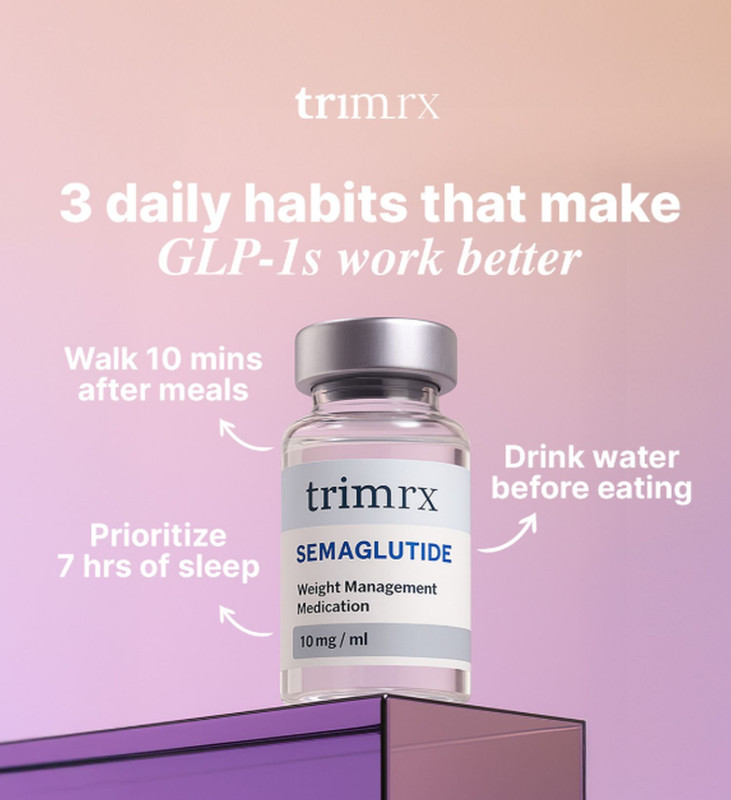
FDA Regulations and Compounding Pharmacy Standards
Understanding FDA regulations helps you identify legitimate compounded semaglutide providers and avoid potentially dangerous sources.
FDA Compounding Facility Types:
503A Compounding Pharmacies:
- Traditional compounding pharmacies
- Compound medications based on individual patient prescriptions
- Regulated primarily by state pharmacy boards
- Must be licensed in the state where they operate
- Can ship to patients in states where they hold licenses
- Subject to state pharmacy board inspections
503B Outsourcing Facilities:
- Larger-scale compounding operations
- Registered directly with the FDA
- Subject to FDA inspections and current good manufacturing practice (cGMP) requirements
- Can compound without individual patient prescriptions
- Must report adverse events to the FDA
- Generally considered to have more stringent oversight
FDA Requirements for Legal Compounding:
- Drug Shortage Requirement: Semaglutide can only be legally compounded while on the FDA drug shortage list
- Licensed Prescriber: Must be prescribed by a healthcare provider licensed in your state
- Individual Patient Prescription: 503A pharmacies must have a patient-specific prescription
- Proper Ingredients: Must use ingredients from FDA-registered suppliers
- Quality Standards: Must follow United States Pharmacopeia (USP) guidelines
- State Licensing: Must be licensed by state pharmacy boards
USP Chapter 797 Standards:
All sterile compounding (including injectable semaglutide) must follow USP Chapter 797, which requires:
- Cleanroom Environment: ISO Class 5 or better air quality
- Sterility Testing: Regular testing to ensure no bacterial contamination
- Personnel Training: Specialized training for compounding staff
- Quality Control: Documentation and testing of each batch
- Beyond-Use Dating: Appropriate expiration dates based on stability testing
- Environmental Monitoring: Regular testing of compounding area
What the FDA Does NOT Regulate:
The FDA does not approve compounded medications as finished drug products. Compounding pharmacies operate under a different regulatory framework than drug manufacturers. This doesn’t make them unsafe, but it means the FDA hasn’t evaluated specific compounded products for safety and efficacy the way it does for brand-name drugs.
Recent FDA Guidance on Compounded GLP-1s:
In October 2023, the FDA issued warnings about compounded GLP-1 medications, specifically cautioning patients to ensure they’re receiving semaglutide (the actual FDA-approved ingredient) rather than semaglutide salts, which have different properties. Legitimate providers like TrimRx use only FDA-approved semaglutide base, not salt forms.
How to Identify a Legitimate Provider
Not all online sources offering compounded semaglutide meet safety standards. Here’s how to verify you’re working with a legitimate provider.
Step 1: Verify the Telehealth Provider Is Licensed
The company connecting you with healthcare providers should:
- Have licensed physicians, nurse practitioners, or physician assistants
- Verify that providers are licensed in your specific state
- Require a comprehensive medical evaluation before prescribing
- Provide clear information about their medical team
- Offer ongoing medical supervision and follow-up
How to Check:
- Ask for the names and license numbers of prescribing providers
- Verify licenses through your state medical board website
- Confirm the provider is licensed to practice telemedicine in your state
When comparing GLP-1 weight loss programs, legitimate providers like TrimRx clearly display their licensing credentials and pharmacy partnerships upfront.
Step 2: Confirm Pharmacy Registration
The compounding pharmacy should be:
For 503A Pharmacies:
- Licensed by your state pharmacy board
- In good standing with no disciplinary actions
- Registered with the DEA if handling controlled substances
For 503B Facilities:
- Registered with the FDA as an outsourcing facility
- Listed on the FDA’s registered outsourcing facilities database
- Subject to FDA inspections
How to Verify:
- Ask the provider which pharmacy they use
- Check your state pharmacy board website for the pharmacy license
- For 503B facilities, search the FDA’s outsourcing facility database
- Look for the pharmacy’s license number on medication packaging
Step 3: Look for Third-Party Accreditation
While not required, accreditation demonstrates commitment to quality:
PCAB (Pharmacy Compounding Accreditation Board):
- Gold standard for compounding pharmacy accreditation
- Rigorous inspection process
- Verifies adherence to quality standards
- Check accredited pharmacies at pcab.org
ACHC (Accreditation Commission for Health Care):
- Another respected accreditation body
- Evaluates quality management systems
- Confirms regulatory compliance
NABP (National Association of Boards of Pharmacy):
- VIPPS (Verified Internet Pharmacy Practice Sites) certification
- Indicates legitimate online pharmacy practices
Step 4: Review Transparency and Communication
Legitimate providers are transparent about:
- Exact pharmacy names and locations
- Specific ingredients and concentrations used
- Source of semaglutide (should be from FDA-registered suppliers)
- Quality testing procedures
- Storage and handling requirements
- Potential side effects and contraindications
Red flags include:
- Refusal to disclose pharmacy information
- Vague answers about ingredient sources
- No clear medical oversight structure
- Inability to provide pharmacy license numbers
Step 5: Evaluate Medical Oversight
Safe compounded semaglutide requires:
Before Prescribing:
- Comprehensive health questionnaire
- Review of medical history
- Assessment of contraindications
- Discussion of risks and benefits
- Evaluation of BMI and weight-related conditions
During Treatment:
- Regular follow-up appointments (at least monthly)
- Dose adjustment protocols
- Side effect monitoring and management
- Clear instructions on when to seek emergency care
- Access to provider for questions
Step 6: Assess Pricing Reasonableness
While compounded semaglutide costs significantly less than brand-name, extremely low prices may indicate:
- Substandard ingredients
- Improper dilution
- Unlicensed operations
- Counterfeit medications
Reasonable Price Range:
- $199-$599 per month for compounded semaglutide
- Prices vary based on dosage and program features
- Significantly higher or lower should prompt additional scrutiny
Accreditation Requirements You Need to Know
Understanding different accreditation types helps you evaluate compounding pharmacy quality.
State Pharmacy Board Licensing (Required):
Every legitimate compounding pharmacy must be licensed by the state where it operates. State boards:
- Inspect pharmacy facilities
- Verify pharmacist licenses
- Investigate complaints
- Enforce state pharmacy laws
- Can suspend or revoke licenses for violations
What to Check:
- Pharmacy license number (should be displayed on website or packaging)
- License expiration date (must be current)
- Disciplinary history (check state board website)
- Authorized activities (verify sterile compounding is permitted)
FDA Registration for 503B Facilities (Required for Outsourcing Facilities):
503B outsourcing facilities must register with the FDA and undergo biennial FDA inspections. The FDA maintains a public list of registered facilities.
Advantages of 503B Facilities:
- Direct FDA oversight
- cGMP requirements (same as drug manufacturers)
- Regular FDA inspections
- Mandatory adverse event reporting
- Can produce larger batches
How to Verify: Visit the FDA website and search “registered outsourcing facilities” to confirm the pharmacy is listed and in good standing.
PCAB Accreditation (Optional but Valuable):
PCAB accreditation goes beyond state requirements:
What PCAB Evaluates:
- Facility design and environmental controls
- Quality assurance procedures
- Personnel training and competency
- Documentation and record-keeping
- Sterility testing protocols
- Equipment maintenance
- Standard operating procedures
PCAB Accreditation Process:
- Comprehensive application review
- On-site inspection by trained surveyors
- Review of policies and procedures
- Observation of compounding processes
- Verification of quality control measures
- Three-year accreditation with annual reporting
Finding PCAB-Accredited Pharmacies: Search the directory at pcab.org to verify a pharmacy’s accreditation status.
ACHC Accreditation (Optional):
ACHC offers similar benefits to PCAB:
- Third-party quality verification
- Regular inspections
- Compliance with industry standards
- Continuous quality improvement requirements
Why Accreditation Matters:
While not legally required, accreditation indicates:
- Commitment to exceeding minimum standards
- Willingness to undergo third-party scrutiny
- Investment in quality management systems
- Regular evaluation and improvement processes
TrimRx partners exclusively with pharmacies that meet or exceed these accreditation standards, ensuring every patient receives properly compounded, quality-tested medication.
USP Chapter 797 Compliance (Required):
All sterile compounding must comply with USP Chapter 797:
Key Requirements:
- ISO Class 5 or better cleanroom environment
- Primary engineering controls (laminar flow hoods)
- Personnel garbing and hand hygiene
- Environmental monitoring
- Media fill testing to demonstrate sterility
- Regular facility cleaning and disinfection
- Beyond-use date assignment based on stability
- Master formulation records
- Compounding records for every batch
Pharmacies should document and be able to demonstrate Chapter 797 compliance.
Red Flags: Avoiding Unsafe Providers
Knowing what to avoid is just as important as knowing what to look for.
Major Red Flags That Indicate Unsafe Sources:
- No Prescription Required
Legitimate semaglutide requires a prescription from a licensed provider. Sources offering semaglutide without a prescription are operating illegally and likely selling:
- Counterfeit medications
- Improperly compounded products
- Medications from unknown sources
- Products that may not contain actual semaglutide
Never buy semaglutide from:
- Websites that don’t require prescriptions
- Social media sellers
- International pharmacies without proper licensing
- Research chemical suppliers
- No Licensed Provider Consultation
Safe prescribing requires:
- Detailed health history review
- Assessment of contraindications
- Discussion of risks and benefits
- Evaluation of appropriateness
Red flags:
- Automated prescriptions with no human review
- Prescriptions issued without video or phone consultation
- No opportunity to ask questions or discuss concerns
- Generic questionnaires without follow-up
- Undisclosed or Unlicensed Pharmacy
Legitimate providers clearly identify their compounding pharmacy partners. Be wary of:
- Refusal to name the compounding pharmacy
- “Proprietary” or “private label” pharmacy claims
- Pharmacies that can’t be verified through state licensing boards
- Offshore or international pharmacies claiming to compound semaglutide
- Extremely Low Prices
Prices significantly below $199/month may indicate:
- Improperly diluted medication
- Use of semaglutide salts instead of semaglutide base
- Substandard ingredients
- Unlicensed operations
- Counterfeit products
Quality compounding has inherent costs. Unrealistically cheap prices often mean corners are being cut.
- Unrealistic Claims or Guarantees
Be skeptical of providers claiming:
- “FDA-approved compounded semaglutide” (compounded products aren’t FDA-approved)
- Guaranteed specific weight loss amounts
- No side effects
- Superior effectiveness to brand-name versions
- “Pharmaceutical grade” without proper documentation
- Pressure Tactics
Legitimate providers never:
- Rush you into starting treatment
- Pressure you to commit to long-term contracts immediately
- Use fear tactics about brand-name shortages
- Discourage you from consulting other providers
- Create artificial urgency with “limited supply” claims
- Poor Communication or Customer Service
Warning signs include:
- Inability to reach a human representative
- No licensed pharmacist available for questions
- Delayed or no responses to medical concerns
- Generic email responses that don’t address specific questions
- No clear emergency contact procedures
- Lack of Follow-Up Care
Safe semaglutide use requires ongoing monitoring. Avoid providers who:
- Don’t schedule follow-up appointments
- Provide no mechanism for reporting side effects
- Automatically refill without checking in
- Have no process for dose adjustments
- Don’t offer access to medical support between appointments
- Suspicious Packaging or Labeling
Properly compounded semaglutide should have:
- Clear pharmacy label with name, address, and license number
- Patient name and prescription number
- Medication name, strength, and volume
- Beyond-use date (expiration)
- Storage instructions
- Lot number for traceability
- Instructions for administration
Red flags in packaging:
- Unlabeled vials
- Missing pharmacy information
- No lot numbers
- Unclear or incorrect dosing information
- Poor quality labels or handwritten information
- Damaged or poorly sealed containers
- Requests for Payment via Unusual Methods
Legitimate providers accept standard payment methods:
- Credit/debit cards
- HSA/FSA cards
- Bank transfers through secure portals
- Established payment processors
Be wary of requests for:
- Cryptocurrency
- Wire transfers
- Gift cards
- Cash payments
- Payments to individual names rather than business entities
Cost Breakdown: What to Expect
Understanding typical costs helps you budget and identify pricing that seems too good to be true.
Compounded Semaglutide Pricing Components:
- Initial Consultation Fee
- Range: $0-$129
- One-time charge for medical evaluation
- Some providers include this in first month cost
- Others offer free consultations
TrimRx offers initial consultations as part of the service with no separate fee.
- Monthly Medication Cost
- Range: $199-$599 per month
- Varies by provider and dosage
- Often decreases with longer commitments
Typical Pricing by Provider Type:
- Value providers (like TrimRx): $199-$299/month
- Mid-range providers: $300-$450/month
- Premium providers: $450-$599/month
- Ongoing Program or Membership Fees Some providers charge separate fees for:
- Access to healthcare providers
- Nutritional support or coaching
- Mobile app features
- Educational resources
Range: $0-$145/month additional
Best value providers include medical oversight in medication cost with no separate membership fees.
- Shipping and Handling
- Most providers: Free shipping
- Expedited shipping: $15-$50 if available
- Standard delivery: 3-7 business days
Total Monthly Cost Examples:
Budget-Conscious Option:
- Provider: TrimRx
- Initial consultation: Included
- Monthly medication: $199 (with annual commitment)
- Membership fees: $0
- Shipping: Free
- Total: $199/month
Mid-Range Option:
- Provider: Various telehealth platforms
- Initial consultation: $49
- Monthly medication: $350-$450
- Membership fees: $49/month
- Shipping: Free
- Total: $399-$499/month
Premium Option:
- Provider: Comprehensive programs with extensive support
- Initial consultation: Included in first month
- Monthly medication: $450-$599
- Membership fees: Included
- Shipping: Free
- Total: $450-$599/month
Factors That Affect Pricing:
Dosage:
- Starting doses (0.25-0.5 mg weekly): Lower end of price range
- Maintenance doses (1.0-2.4 mg weekly): Mid to higher range
- Most providers charge the same regardless of dose
Commitment Length:
- Month-to-month: Highest per-month cost
- Quarterly commitment: 10-15% discount
- Six-month commitment: 15-20% discount
- Annual commitment: 20-30% discount
Additional Services Included:
- Basic medication only: Lower cost
- Coaching and support: Mid-range cost
- Comprehensive program with nutritionist, app, classes: Higher cost
Pharmacy Type:
- 503A pharmacies: Generally lower cost
- 503B facilities: May be slightly higher due to additional FDA oversight costs
Hidden Costs to Watch For:
- Cancellation fees if you don’t complete contracted period
- Restocking fees for returned medication
- Fee to transfer prescriptions to different pharmacies
- Charges for additional provider consultations beyond included visits
- Lab work or blood tests (may cost $75-$200 if not included)
- State-specific fees or taxes
Cost Comparison: Compounded vs Brand-Name
Monthly Cost Comparison:
| Medication | Brand-Name (No Insurance) | Compounded |
| Semaglutide | $900-$1,350 | $199-$599 |
| Annual Cost | $10,800-$16,200 | $2,388-$7,188 |
| Savings | — | $5,612-$9,012/year |
When Compounded Makes Financial Sense:
- You don’t have insurance coverage for GLP-1s
- Your insurance requires high copays or deductibles
- You’re paying entirely out-of-pocket
- You need to start treatment quickly without insurance approval delays
- You prefer avoiding insurance documentation of weight loss medication
State-by-State Availability
Compounded semaglutide availability varies by state due to different pharmacy licensing and telemedicine regulations.
How State Regulations Affect Access:
State Pharmacy Board Requirements: Each state has its own pharmacy licensing requirements. A compounding pharmacy must hold a license in your state to ship medication to you, or work through a pharmacy licensed in your state.
Telemedicine Licensing: Healthcare providers must be licensed in the state where the patient is located. Telehealth platforms must have providers licensed in your state or work within interstate medical licensure compact agreements.
States with Broadest Access:
These states generally have fewer restrictions on compounded medications and telemedicine:
- Texas
- Florida
- California
- Arizona
- Colorado
- Tennessee
- Georgia
- North Carolina
States with More Restrictions:
Some states have additional requirements that may limit access:
- Must use in-state pharmacies only
- Additional telemedicine requirements
- More stringent compounding regulations
- Limitations on prescribing certain medications via telemedicine
For patients in New York and other states with specific regulations, providers like TrimRx offer tirzepatide weight loss options that comply with local requirements while maintaining accessibility.
How to Verify Availability in Your State:
Step 1: Check Provider Coverage Most telehealth platforms list which states they serve. Look for:
- “Available in [number] states”
- State selection during sign-up process
- FAQ section addressing state availability
Step 2: Confirm Pharmacy Can Ship to Your State The compounding pharmacy must be licensed in your state or have reciprocal agreements allowing interstate shipping.
Step 3: Verify Telemedicine Laws Your state must permit telemedicine prescribing for the type of medication and visit format the provider uses (video, phone, asynchronous).
Interstate Pharmacy Compacts:
Some states participate in pharmacy compacts allowing licensed pharmacies to dispense to multiple states. However, these compacts vary and change, so verify current status with the provider.
Military and Federal Employees:
Special rules may apply for:
- Active duty military members
- Military dependents
- Federal employees with specific benefits
- Veterans using VA healthcare
Check with providers about special programs or requirements.
What If Compounded Semaglutide Isn’t Available in Your State?
Alternative Options:
- Brand-Name Through Insurance: Work with insurance to access Wegovy or Ozempic
- Local Compounding Pharmacy: Some local compounding pharmacies compound semaglutide with a prescription from your doctor
- Clinical Trials: Research studies may provide access
- Manufacturer Programs: Patient assistance programs for brand-name medications
Regulatory Changes to Watch:
Compounded medication availability can change based on:
- FDA shortage list updates (if semaglutide is removed from shortage list, compounding may become restricted)
- State law changes affecting telemedicine or compounding
- New federal regulations on compounding
- DEA or FDA enforcement actions
Legitimate providers will notify patients of any regulatory changes affecting their ability to provide compounded semaglutide.
Getting Your Prescription Online
The process of obtaining compounded semaglutide through telehealth follows specific steps designed to ensure safety and appropriateness.
Step-by-Step Process:
Step 1: Choose a Verified Provider
Select a telehealth platform that:
- Works with FDA-registered compounding pharmacies
- Employs licensed healthcare providers in your state
- Provides transparent pricing
- Offers ongoing medical supervision
- Has verifiable credentials and reviews
TrimRx meets all these criteria and simplifies access to compounded semaglutide with straightforward pricing and licensed medical oversight.
Step 2: Complete Health Assessment
Expect detailed questions about:
Medical History:
- Current and past medical conditions
- Previous weight loss attempts
- Surgical history
- Family history of thyroid cancer or MEN 2 syndrome
Current Health Status:
- Height and weight (BMI calculation)
- Blood pressure
- Current medications and supplements
- Allergies
- Pregnancy status or plans
Lifestyle Factors:
- Diet and eating patterns
- Physical activity level
- Sleep quality
- Stress levels
- Weight loss goals
Be completely honest. Withholding information could lead to dangerous drug interactions or contraindications being missed.
Step 3: Provider Review and Consultation
Your healthcare provider will:
Review Your Information:
- Assess your eligibility based on BMI and health status
- Check for contraindications
- Evaluate appropriateness of semaglutide for your situation
- Determine if additional testing is needed
Consultation Format:
- Live video appointment (15-30 minutes), or
- Phone consultation, or
- Asynchronous review with follow-up messaging
Topics Covered:
- How semaglutide works
- Expected results and timeline
- Common side effects and management
- Serious risks and when to seek emergency care
- Dosing schedule and injection technique
- Lifestyle recommendations
- Follow-up schedule
Step 4: Prescription and Pharmacy Processing
If approved, your provider will:
- Send prescription to compounding pharmacy partner
- Specify dosage and strength
- Include necessary patient information
- Authorize appropriate refills
Pharmacy Processing Time:
- Prescription verification: Same day
- Compounding: 1-3 business days
- Quality testing: Included in compounding time
- Packaging and shipping: 1-2 business days
- Total time: 3-7 business days from approval to delivery
Step 5: Medication Delivery
Expect:
- Discrete packaging (no indication of contents)
- Cold shipping with ice packs (semaglutide requires refrigeration)
- Tracking information
- Delivery signature may be required
Package Contents:
- Semaglutide vials or pre-filled syringes
- Syringes and needles (if using vials)
- Alcohol swabs
- Sharps container
- Instruction sheet
- Storage guidelines
Step 6: Starting Treatment
First Injection:
Many providers offer:
- Video tutorial showing injection technique
- Written instructions with images
- Live support for first injection
- Troubleshooting guidance
Typical Starting Protocol:
- Week 1-4: 0.25 mg once weekly
- Week 5-8: 0.5 mg once weekly
- Week 9-12: 1.0 mg once weekly
- Continue increasing every 4 weeks until reaching effective dose or maximum of 2.4 mg weekly
Injection Technique:
- Subcutaneous injection (under the skin, not into muscle)
- Rotate injection sites (abdomen, thigh, upper arm)
- Inject on same day each week
- Can be taken with or without food
Step 7: Follow-Up Care
Scheduled Check-Ins:
- Week 2: Side effect check and technique review
- Month 1: Assess tolerance and response
- Monthly thereafter: Monitor progress, adjust dose, address concerns
Between Appointments:
- Report significant side effects
- Ask questions via messaging or phone
- Update provider on any health changes
- Request dose adjustments if needed
What Providers Monitor:
- Weight loss progress
- Side effect severity and management
- Adherence to medication schedule
- Need for dose adjustments
- Any health changes or concerns
Refill Process:
Most providers offer:
- Automatic refills timed with your dosing schedule
- Reminder notifications before shipment
- Easy rescheduling if needed
- Subscription management through patient portal
Medication Management Tips:
Storage:
- Keep refrigerated (36-46°F) until use
- Protect from light
- Don’t freeze
- Can be at room temperature for up to 56 days if needed
Tracking:
- Note injection dates and sites
- Record any side effects
- Track weight weekly
- Monitor food intake and exercise
Safety:
- Inspect medication before each use (should be clear and colorless)
- Dispose of needles in sharps container
- Don’t share medication with others
- Keep out of reach of children
- Watch expiration dates
When to Contact Your Provider Immediately:
- Severe abdominal pain
- Vision changes
- Symptoms of pancreatitis (severe stomach pain radiating to back)
- Severe allergic reaction (difficulty breathing, facial swelling)
- Signs of thyroid tumor (lump in neck, difficulty swallowing, persistent hoarseness)
- Kidney problems (decreased urination, swelling)
- Severe nausea preventing food or fluid intake
- Signs of gallbladder problems (yellowing of skin/eyes, fever with abdominal pain)
Frequently Asked Questions
Is compounded semaglutide the same as Ozempic or Wegovy? Compounded semaglutide contains the same active ingredient (semaglutide) as Ozempic and Wegovy but is made by compounding pharmacies rather than pharmaceutical manufacturers. When properly compounded by FDA-registered pharmacies, it provides equivalent therapeutic effects at significantly lower costs.
How do I know if a compounded semaglutide provider is legitimate? Verify that: (1) the provider uses licensed healthcare professionals in your state, (2) the compounding pharmacy is FDA-registered (503B) or state-licensed (503A), (3) they require a valid prescription after medical evaluation, (4) they provide transparent information about their pharmacy partners, and (5) pricing falls within the reasonable range of $199-$599/month.
Can I use insurance to pay for compounded semaglutide? Insurance typically does not cover compounded medications. However, you may be able to use HSA or FSA funds for compounded semaglutide. Some providers like TrimRx accept HSA/FSA payments even though they don’t work with insurance directly.
Why is compounded semaglutide so much cheaper than brand-name? Compounded semaglutide costs less because it doesn’t include: pharmaceutical company brand development costs, extensive marketing expenses, patent-protected pricing, or insurance markup. Compounding pharmacies produce medication in smaller batches with lower overhead, passing savings to patients.
What’s the difference between 503A and 503B compounding pharmacies? 503A pharmacies are traditional compounding pharmacies regulated primarily by state boards, compounding based on individual prescriptions. 503B outsourcing facilities are registered with the FDA, subject to federal inspections and cGMP requirements, and can produce larger batches. Both can legally compound semaglutide during shortage periods.
Do I need to see a doctor in person to get compounded semaglutide? No, telehealth consultations with licensed providers are sufficient for obtaining compounded semaglutide prescriptions. The provider must be licensed in your state and conduct an appropriate medical evaluation, which can be done via video, phone, or secure messaging platforms.
How long will compounded semaglutide be available? Compounded semaglutide is available while brand-name versions remain on the FDA drug shortage list. If Novo Nordisk resolves supply issues and the FDA removes semaglutide from the shortage list, compounding may become restricted. Legitimate providers will notify patients of any changes.
What should I look for on the medication label? The label should include: pharmacy name and license number, patient name, prescription number, medication name and concentration, beyond-use date, storage instructions, lot number for traceability, and administration instructions. Missing information is a red flag.
Can I get compounded semaglutide without a prescription? No. Any source offering semaglutide without a prescription is operating illegally and likely selling counterfeit or improperly sourced medication. Legitimate compounded semaglutide always requires a prescription from a licensed healthcare provider after appropriate medical evaluation.
What happens if I have side effects from compounded semaglutide? Contact your prescribing provider immediately if you experience concerning side effects. Legitimate providers offer ongoing support and can adjust your dose, provide anti-nausea medication, or discontinue treatment if necessary. Severe side effects may require emergency medical attention.
Key Safety Checklist for Buying Compounded Semaglutide
Before Choosing a Provider:
- Verify healthcare providers are licensed in your state
- Confirm compounding pharmacy is FDA-registered (503B) or state-licensed (503A)
- Check pharmacy license status on state board website
- Look for third-party accreditation (PCAB, ACHC)
- Review provider transparency about pharmacy partners
- Confirm pricing falls within reasonable range ($199-$599/month)
- Verify they require medical consultation before prescribing
- Check for ongoing medical supervision and follow-up
During the Evaluation Process:
- Complete comprehensive health assessment honestly
- Have opportunity for live consultation or detailed messaging with provider
- Receive thorough explanation of risks and benefits
- Get clear instructions on dosing and administration
- Understand side effect management protocols
- Know when to seek emergency care
- Receive written information you can reference later
When You Receive Medication:
- Verify pharmacy label includes all required information
- Check medication appears clear and colorless
- Confirm beyond-use date is appropriate (not expired)
- Packaging includes proper supplies (syringes, alcohol swabs, sharps container)
- Storage instructions are clear
- Have access to injection tutorial or instructions
- Know how to contact provider with questions
During Treatment:
- Attend all scheduled follow-up appointments
- Report side effects promptly
- Track weight loss and overall response
- Follow dosing schedule consistently
- Store medication properly
- Rotate injection sites
- Dispose of sharps safely
- Refill medication before running out
Ready to get started with safe, affordable compounded semaglutide? Visit the complete guide to where to buy compounded semaglutide or start your consultation with TrimRx today for transparent access to FDA-registered pharmacy-compounded semaglutide with full medical oversight and quality assurance.

Transforming Lives, One Step at a Time
Keep reading
How Online GLP-1 Prescriptions Work: From Consult to Delivery
The idea of getting a prescription for a GLP-1 medication without setting foot in a doctor’s office still surprises some people. It shouldn’t. Telehealth…

How to Verify a Compounding Pharmacy Is Safe and Legitimate
The growth of the compounded GLP-1 market has brought something genuinely useful to patients who couldn’t otherwise afford semaglutide or tirzepatide. It has also…

What Is a Compounding Pharmacy and How Does It Work?
If you’ve been researching GLP-1 medications like semaglutide or tirzepatide, you’ve probably come across the term “compounding pharmacy” more than once. It gets used…


