Where to Inject Tirzepatide for Best Results
Introduction
Standing in your kitchen with a new prescription can feel like a major turning point, but it often comes with a sudden wave of uncertainty. You know that tirzepatide is a powerful tool for your health journey, yet the actual mechanics of the first dose can be intimidating. Many people find themselves staring at the injection pen or syringe, wondering if the spot they choose will influence how much weight they lose or how they feel the next morning. At TrimRx, we believe that confidence in your treatment is just as important as the medication itself. This guide covers the specific anatomy of injection sites, how to rotate them effectively, and what the current research suggests about maximizing your results. Our goal is to ensure that your experience with a personalized weight loss program is as comfortable and effective as possible.
If you are considering whether a personalized prescription program may be appropriate for you, you can complete a free eligibility assessment.
Understanding Tirzepatide and Subcutaneous Administration
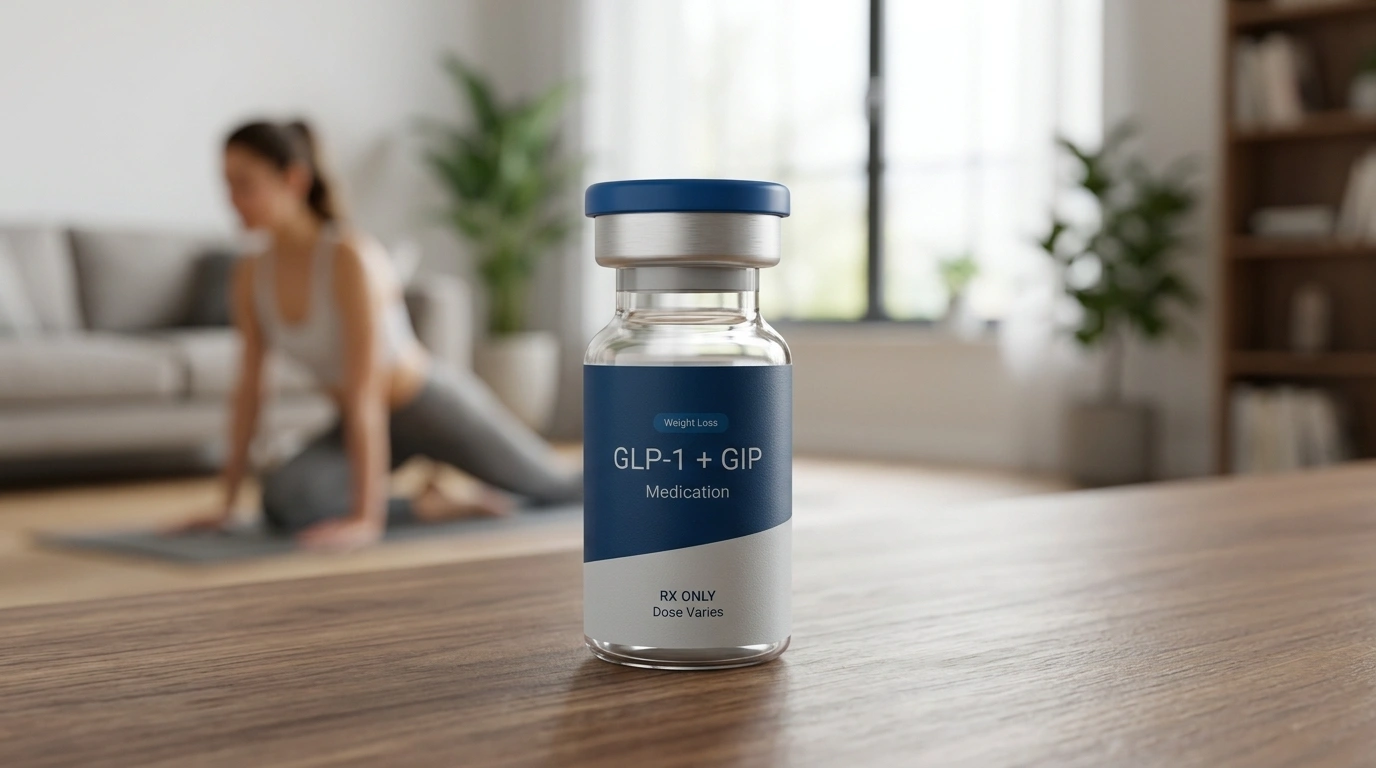
Tirzepatide is a dual-acting medication that mimics two naturally occurring hormones in the body: glucagon-like peptide-1 (GLP-1) and glucose-dependent insulinotropic polypeptide (GIP). These hormones work together to regulate blood sugar, slow digestion, and signal to the brain that you are full. Unlike medications that are swallowed or injected into a vein, tirzepatide is designed for subcutaneous administration.
A subcutaneous injection is a method of delivering medication into the fatty tissue layer located directly under the skin and above the muscle. This layer has few blood vessels, which allows the medication to be absorbed slowly and steadily over several days. This slow release is why many of these medications only need to be administered once per week. For an individual starting this journey, understanding that the medication needs a “fatty cushion” is the first step in choosing the right site.
For additional guidance on preparation and technique, review this complete guide to self-injecting tirzepatide.
Quick Answer: The three primary sites for injecting tirzepatide are the abdomen, the front of the thighs, and the back of the upper arms. While all three are clinically effective, some patients find that rotating sites or choosing the thigh may help manage mild gastrointestinal side effects.
The Three Primary Injection Sites
To get the most out of your treatment, you must use one of the three medically recommended areas. These regions have the necessary subcutaneous fat to ensure the medication is absorbed at the intended rate.
The Abdomen
The abdomen is the most common injection site because it is easily accessible and typically has a consistent layer of fatty tissue. When using this area, you should aim for a spot at least two inches away from your belly button (umbilicus).
The abdomen is often preferred by those who want the most consistent absorption rate. However, it is also the site most frequently associated with a slightly higher incidence of nausea in some individuals. If you choose the abdomen, imagine a circle around your belly button and pick a spot outside that radius, moving to a different “clock position” each week.
This detailed tirzepatide stomach injection guide provides additional information about choosing and preparing the abdominal area.
The Front of the Thighs
The thighs are another excellent option, especially for individuals who are self-administering for the first time. The ideal area is the front and outer part of the thigh, midway between the knee and the hip.
You should avoid the inner thigh, as this area can be more sensitive and contains more blood vessels and nerves. The front of the thigh is often cited by patients as a “comfortable” spot because it is easy to see and reach while sitting down.
The Back of the Upper Arms
The back of the upper arm (the triceps area) is a valid injection site, but it can be difficult to reach if you are injecting yourself. This site is usually best if you have a partner or caregiver who can assist you.
The injection should go into the fleshy, outer part of the back of the arm. Because this area often has less fat than the abdomen, it is important to ensure the needle stays in the subcutaneous layer and does not reach the muscle.
For a broader overview of approved locations, see this GLP-1 injection site guide.
Does the Injection Site Affect Weight Loss?
A common question among those using tirzepatide is whether one site leads to better weight loss results than another. Clinical studies, including the pharmacokinetic profiles of branded medications like Mounjaro® and Zepbound®, generally show that the total amount of medication that reaches the bloodstream is similar regardless of the site used.
However, there can be subtle differences in the speed of absorption. The abdomen tends to have the fastest absorption rate, followed by the arm, and then the thigh. While these differences are usually too small to change the number on the scale significantly, they can influence how you experience the medication.
Key Takeaway: While all approved sites are effective for weight loss, the abdomen may offer the most consistent absorption, while the thigh might be preferred by those looking to potentially minimize early-onset side effects.
Read more about whether injection location affects tirzepatide treatment before choosing the site that best fits your routine.
Managing Side Effects Through Site Rotation
Side effects such as nausea, bloating, or indigestion are common when starting a GLP-1 or GIP receptor agonist. Interestingly, many healthcare providers and patients have noted that switching the injection site can sometimes help manage these symptoms.
If you experience significant nausea after injecting in the abdomen, your provider might suggest trying the thigh for your next dose. The theory is that the slightly slower absorption rate in the thigh may lead to a more gradual rise of the medication in your system, potentially easing the burden on your digestive tract.
Note: If you experience severe or persistent side effects, it is essential to consult your licensed healthcare provider to discuss dosage adjustments or other management strategies.
If you are still deciding whether prescription treatment is right for you, take the free assessment quiz to begin the evaluation process.
The Critical Role of Site Rotation
Rotating your injection site is not just a suggestion; it is a vital part of long-term success. If you inject into the exact same square inch of skin every week, you risk developing a condition called lipohypertrophy.
Lipohypertrophy is the accumulation of extra fat and scar tissue under the skin. These lumps can become firm and may actually change how the medication is absorbed. If you inject into a site with lipohypertrophy, the tirzepatide may not be absorbed predictably, which could lead to a “stall” in your progress or unexpected fluctuations in how you feel.
For more practical strategies, explore this guide to rotating tirzepatide injection sites.
How to Rotate Effectively
A simple way to manage rotation is to follow a weekly pattern. For example:
- Week 1: Right side of the abdomen.
- Week 2: Left side of the abdomen.
- Week 3: Right thigh.
- Week 4: Left thigh.
Even within the same general area, such as the abdomen, you should move the injection point by at least one inch from the previous week’s spot. Keeping a simple log in a notebook or a health app can help you remember where you last injected.
Step-by-Step: How to Inject Tirzepatide Properly
Achieving the best results starts with a clean and safe injection technique. Whether you are using a pre-filled pen or a vial and syringe from a compounding pharmacy, the steps remain largely the same.
Step 1: Prepare your supplies.
Gather your medication, an alcohol swab, and a sharps container. Ensure the medication is clear and colorless (or slightly yellowish) and that there are no visible particles.
Step 2: Wash your hands.
Thoroughly clean your hands with soap and water to prevent any risk of infection at the injection site.
Step 3: Clean the injection site.
Use an alcohol swab to wipe the area of skin you have chosen. Let the skin air dry completely; injecting through wet alcohol can cause a stinging sensation.
Step 4: Prepare the medication.
If using a vial, wipe the rubber stopper with alcohol and draw the exact dose prescribed by your provider. If using a pen, remove the cap and follow the manufacturer’s instructions for priming or unlocking.
Step 5: Inject the medication.
Gently pinch a fold of skin if instructed by your provider (though this is not always necessary with modern short needles). Insert the needle at a 90-degree angle. Push the plunger or press the pen button and hold it for the required amount of time (usually 5–10 seconds) to ensure the full dose is delivered.
Step 6: Dispose of the needle.
Place the used syringe or pen in a puncture-resistant sharps container immediately. Never dispose of needles in the regular trash.
For a visual walkthrough, follow this step-by-step tirzepatide injection guide.
Common Mistakes to Avoid
Even with the best intentions, it is easy to fall into habits that might hinder your results or cause discomfort.
- Injecting into damaged skin: Never inject into areas with bruises, scars, stretch marks, or redness. This tissue may not absorb the medication correctly.
- Injecting into muscle: If you lean into the injection too hard or use a needle that is too long, you might hit the muscle. This can cause the medication to be absorbed too quickly and may cause more pain.
- Temperature sensitivity: Injecting medication straight from the refrigerator can sometimes sting. You may let your dose sit at room temperature for about 30 minutes before injecting to make the process more comfortable.
- Massaging the site: Do not rub or massage the area after the injection. This can interfere with the slow-release nature of the subcutaneous absorption.
Storing Your Medication for Maximum Potency
The “where” of injection is important, but the “how” of storage is equally critical for results. Tirzepatide is a peptide, which means it is a delicate chain of amino acids that can break down if exposed to extreme conditions.
Most formulations should be kept in the refrigerator. Avoid placing the medication in the very back of the fridge or near the cooling element, as it could freeze. If tirzepatide freezes, it loses its potency and should be discarded. Similarly, keep the medication away from direct sunlight and heat. When you travel, use an insulated bag with a cold pack to maintain the integrity of your medication.
Supporting Your Injections with Lifestyle
Medication is a powerful catalyst, but the best results are achieved when it is part of a holistic approach. At TrimRx, we emphasize that what you do between injections is what sustains your long-term health.
To support the metabolic changes triggered by tirzepatide, focus on:
- Protein Intake: Higher protein consumption helps preserve lean muscle mass as you lose weight.
- Hydration: GLP-1 medications can sometimes decrease your thirst drive. Aim for consistent water intake throughout the day to support kidney function and digestion.
- Micronutrient Support: Because you may be eating significantly less, it is important to ensure you are still getting essential vitamins. We offer options like GLP-1 Daily Support to help bridge these nutritional gaps.
- Movement: Regular physical activity, particularly resistance training, works in tandem with the medication to improve insulin sensitivity and body composition.
Navigating the Telehealth Path
The modern approach to weight management has removed many of the traditional barriers to care. Through our platform, you can access clinical expertise without the need for in-person waiting rooms. We connect you with licensed providers who evaluate your health history, goals, and BMI to determine the most appropriate treatment path.
If a prescription is appropriate, we work with FDA-registered and inspected compounding pharmacies to ensure you receive high-quality compounded tirzepatide or semaglutide. These pharmacies follow strict quality control standards to provide customized dosages that can be adjusted as you progress. Unlike a traditional one-size-fits-all model, our program is built around your specific needs, providing you with 24/7 access to specialists who can answer questions about your injection technique or side effects.
Bottom line: Success with tirzepatide is a combination of proper injection technique, consistent site rotation, and a personalized support system that addresses your nutrition and lifestyle needs.
If you want to explore whether a personalized prescription program fits your goals, start with the free assessment.
Why Personalization Matters
No two bodies respond to medication in exactly the same way. Some individuals may see significant results at the lowest dose, while others may require a steady titration upward. This is why a personalized program is so beneficial. Instead of navigating the complexities of GLP-1 and GIP medications alone, you have a team to help you interpret your body’s signals.
Whether you are curious about the differences between branded options like Mounjaro® or Zepbound® and compounded alternatives, or you simply need help perfecting your injection routine, our platform is designed to be your partner. We provide the tools—from the initial medical assessment to the medication shipped to your door—to help you focus on your health rather than the logistics.
Conclusion
Mastering where to inject tirzepatide is a foundational skill that will serve you throughout your weight loss journey. By understanding the nuances of the abdomen, thigh, and arm, and by committing to a regular rotation schedule, you can ensure the medication works as intended while minimizing discomfort. Remember that the “best” results come from a combination of scientific precision and daily consistency.
At TrimRx, our mission is to help you embrace a healthier lifestyle through a transparent, science-backed, and empathetic approach. We are here to simplify the process, providing you with a clear path toward sustainable health.
Your Next Steps:
- Take the Free Assessment: If you are ready to see if a personalized tirzepatide or semaglutide program is right for you, complete our online health quiz.
- Prepare Your Space: Clear a spot in your refrigerator and designate a safe place for your sharps container.
- Start Your Log: Begin tracking your injection sites and how you feel each week to find your personal “sweet spot” for injections.
FAQ
Does it hurt to inject tirzepatide?
Most people find the injection to be relatively painless because the needles used for subcutaneous delivery are very thin and short. To minimize discomfort, ensure the medication is at room temperature and the alcohol on your skin has dried completely before injecting.
For additional comfort tips, read about what tirzepatide injections feel like.
Can I inject tirzepatide more than once a week for better results?
No, you should never inject tirzepatide more frequently than prescribed by your healthcare provider. The medication is designed to last in your system for a full week, and taking extra doses can significantly increase the risk of severe side effects and toxicity.
What should I do if I see a small drop of liquid or blood after injecting?
It is common to see a tiny drop of blood or a small amount of clear liquid at the injection site. This usually does not mean you lost your dose; simply press a cotton ball or gauze pad to the area for a few seconds, but do not rub it.
Can I switch my injection site every week?
Yes, in fact, it is highly recommended to switch your injection site every week. Rotating between the abdomen, thighs, and arms helps prevent the buildup of scar tissue and ensures that the medication is absorbed consistently over time.
If you are ready to discuss whether a prescription weight management program may be appropriate, begin the free health assessment.
Disclaimer: This content is for informational purposes only and does not constitute medical advice. It is not intended to diagnose, treat, cure, or prevent any disease or condition. Individual results may vary. Always consult a qualified healthcare professional before starting any weight loss program or medication.

Transforming Lives, One Step at a Time
Keep reading

Starting Tirzepatide While on the Pill: The First Four Weeks
You have your first box and you take an oral contraceptive. There is a labeled instruction that applies to you, and the mistake almost…

Marathon Training on Tirzepatide When You Can’t Fuel
You have a plan on the fridge and a medication that has made eating feel optional. Those two things are in genuine conflict, and…

Paying Cash for Tirzepatide? Don’t Stretch Your Supply
When every vial comes out of your own pocket, the arithmetic is hard to ignore. If a month’s supply costs what it costs, and…


