Who Gives Ozempic Shots and How to Get Started
Introduction
Navigating the world of modern weight loss can feel overwhelming, especially when you are trying to understand the logistics of new medications. If you have been researching GLP-1 (glucagon-like peptide-1) receptor agonists, you have likely asked: who gives Ozempic shots? The answer involves two parts: who authorizes the treatment and who physically performs the injection. At TrimRx, we understand that starting a new medical journey requires clarity, empathy, and expert guidance. This post covers the roles of healthcare providers in the prescription process, the shift toward telehealth for weight management, and the practical steps for self-administration at home. Our goal is to ensure you feel equipped to take the next step in your health journey with confidence. Obtaining this medication requires a professional medical evaluation to ensure it is the right fit for your unique metabolic profile, and you can take our free assessment quiz to get started.
Who Prescribes Ozempic Shots?
The first step in starting a semaglutide for weight loss medication like Ozempic® is obtaining a valid prescription. This medication is not available over the counter and must be authorized by a licensed healthcare professional. In the United States, several types of providers have the authority to evaluate patients and write these prescriptions.
Primary Care Physicians and Specialists
Many individuals start by speaking with their primary care physician (PCP). Doctors of Medicine (MDs) and Doctors of Osteopathic Medicine (DOs) are the most common providers who manage metabolic health. Additionally, specialists known as endocrinologists—doctors who focus on the body’s hormone systems—often prescribe Ozempic® for its primary FDA-approved use: managing type 2 diabetes.
Nurse Practitioners and Physician Assistants
In many states, Nurse Practitioners (NPs) and Physician Assistants (PAs) have full or partial prescribing authority. These providers play a critical role in weight management clinics and telehealth platforms. They are trained to review medical histories, interpret lab results, and determine if a GLP-1 medication is appropriate for an individual’s health goals.
Telehealth Platforms
The rise of telehealth has made it significantly easier to connect with licensed providers without the need for an in-person office visit. The TrimRx platform connects individuals with licensed healthcare professionals who specialize in metabolic health. Through a secure online portal, these providers review your health data and determine eligibility for a personalized treatment program.
Key Takeaway: Only a licensed healthcare professional, such as a doctor, nurse practitioner, or physician assistant, can legally prescribe Ozempic® or compounded semaglutide after a thorough health review.
Who Actually Administers the Injection?
A common misconception is that you must visit a doctor’s office every week to receive your injection. While some specialized weight loss clinics do offer in-office administration, the vast majority of GLP-1 medications are designed for self-administration at home.
Self-Administration at Home
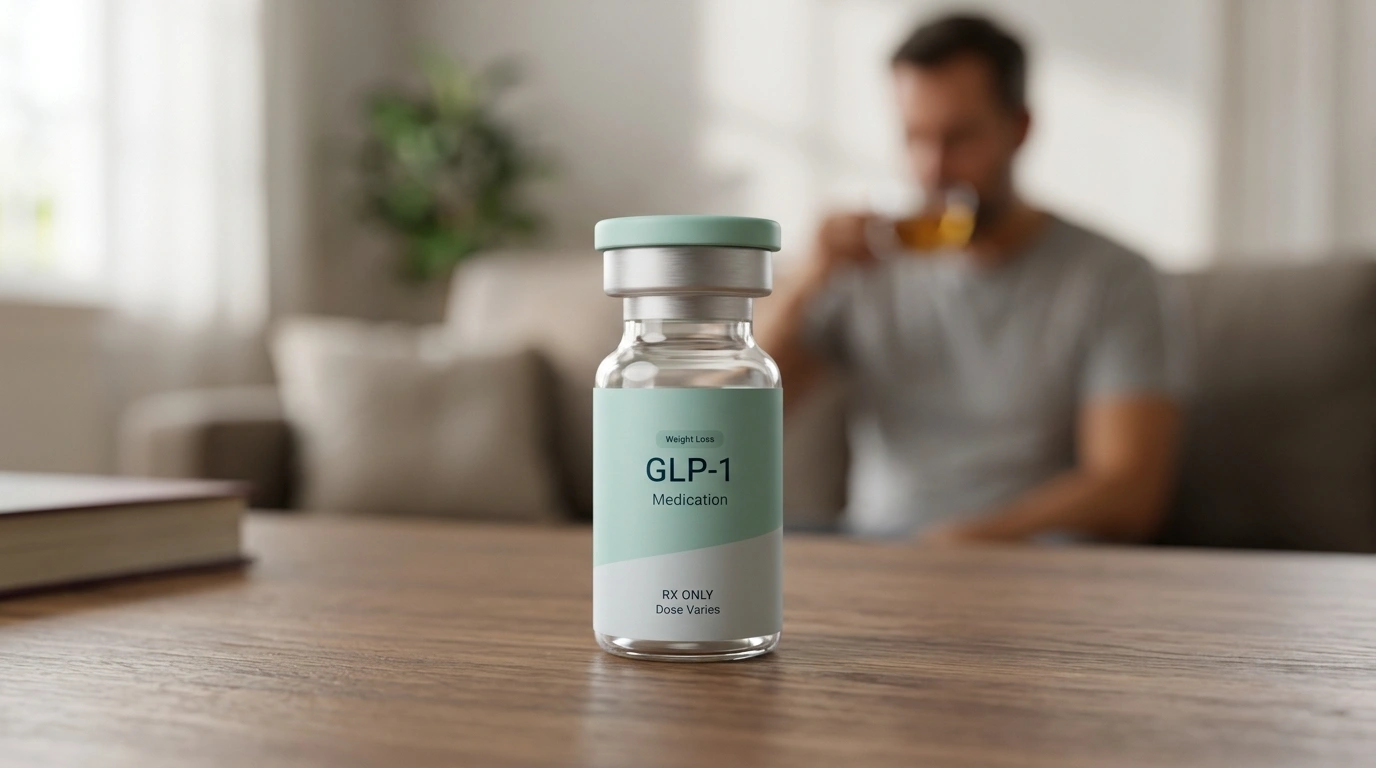
Ozempic® and other semaglutide-based medications are often called the weight loss shot because they come in a pre-filled pen or a vial with small syringes. They are specifically designed to be “subcutaneous” injections, meaning they go into the fatty tissue just beneath the skin rather than into a vein or muscle. This design makes it safe and relatively simple for most people to give themselves the shot once a week.
Support from Caregivers
If you are uncomfortable with needles or have physical limitations that make self-injection difficult, a family member or caregiver can be trained to give the shot. The process is straightforward, and most people find that after the first one or two attempts, it becomes a quick and painless part of their weekly routine.
In-Clinic Administration
Some patients prefer the peace of mind that comes with a professional administering the dose. Certain local weight loss clinics or medical spas provide this service, where a nurse or medical assistant gives the injection. However, this often involves the inconvenience of weekly travel, which is why telehealth-supported self-administration has become the preferred choice for many.
How to Self-Administer GLP-1 Medications
If your provider determines you are a candidate for a weight loss program that includes injectable medication, you will need to know how to use the equipment correctly. Whether you are using a branded pen or a syringe for compounded GLP-1, the process follows similar safety protocols.
Step 1: Prepare your supplies. Gather your medication, an alcohol swab, and a sharps container for disposal. Ensure the medication is clear and colorless; if it looks cloudy or has particles, do not use it.
Step 2: Choose and clean your injection site. The three recommended areas for subcutaneous injection are the front of the thighs, the abdomen (at least two inches away from the belly button), or the back of the upper arm. Wipe the skin with an alcohol swab and let it air dry.
Step 3: Prepare the dose. If using a pen, attach a new needle and dial your prescribed dose. If using a vial and syringe, draw the exact amount of medication your provider has ordered.
Step 4: Inject the medication. Insert the needle straight into the cleaned skin. Press the button or plunger down completely. Hold it for about 5 to 10 seconds to ensure the full dose is delivered before withdrawing the needle.
Step 5: Dispose of the needle safely. Place the used needle or pen into a puncture-resistant sharps container. Never throw needles directly into the regular trash.
Note: It is important to rotate your injection site each week. If you injected into your left thigh last week, try your right thigh or your abdomen this week. This helps prevent skin irritation and ensures consistent absorption.
Understanding the Role of Medical Supervision
Even though you may be administering the shot yourself, you are never truly “on your own.” Medical supervision is a core component of a safe weight loss journey. When you use a service like ours, you have ongoing access to a clinical team that monitors your progress.
Why supervision matters:
- Dose Titration: Most GLP-1 programs start with a very low dose to allow your body to adjust. A provider will gradually increase your dose over several months based on how you feel and how much weight you are losing.
- Side Effect Management: Nausea and digestive changes are common when starting semaglutide. A medical professional can offer guidance on managing these issues or adjust your plan if necessary.
- Health Monitoring: Providers review your progress and may request follow-up lab work to ensure your metabolic markers—like blood sugar and cholesterol—are moving in the right direction.
Bottom line: While you perform the actual injection, a medical professional remains responsible for the safety, dosage, and overall direction of your treatment plan.
Branded Ozempic vs. Compounded Semaglutide
When discussing who gives these shots, it is important to understand the different types of medication available. You may hear terms like “branded,” “generic,” or “compounded” used interchangeably, but they have distinct meanings in the medical world.
Branded Medications
Ozempic® and Wegovy® are brand-name medications manufactured by Novo Nordisk. Ozempic® is specifically FDA-approved for type 2 diabetes, though it is often prescribed “off-label” for weight loss. Wegovy® is FDA-approved specifically for chronic weight management. These typically come in a specialized auto-injector pen.
Compounded Semaglutide
Because of high demand and supply shortages, many patients access compounded semaglutide. Compounding is the process where a licensed pharmacist combines, mixes, or alters ingredients to create a medication tailored to an individual’s needs.
Important: Compounded semaglutide is not FDA-approved. However, the compounded medications used in our programs are prepared and shipped by FDA-registered, inspected compounding pharmacies. These pharmacies must adhere to strict quality standards.
Compounded options are often more accessible and may be delivered in a vial with separate syringes. This requires the patient to “draw up” the medication themselves, which provides more flexibility in dosing under a provider’s guidance.
| Feature | Branded Ozempic® | Compounded Semaglutide |
|---|---|---|
| Active Ingredient | Semaglutide | Semaglutide |
| FDA Status | FDA-approved for Diabetes | Not FDA-approved |
| Source | Traditional Pharmacy | FDA-registered Compounding Pharmacy |
| Format | Multi-dose or single-use pen | Vial and Syringe |
| Prescription Required | Yes | Yes |
Qualifying for a Personalized Weight Loss Program
Not everyone who wants a GLP-1 medication will be eligible for one. Healthcare providers follow specific clinical guidelines to ensure the medication is used safely and effectively. Through TrimRx, the first step for any prospective patient is a free assessment quiz.
Eligibility Criteria
Providers generally look for specific markers to determine if someone is a candidate for semaglutide or tirzepatide:
- BMI (Body Mass Index): Often, a BMI of 30 or greater is required. Alternatively, a BMI of 27 or greater may be acceptable if the individual has weight-related health conditions such as high blood pressure or high cholesterol.
- Medical History: Providers will screen for contraindications, such as a personal or family history of medullary thyroid carcinoma or Multiple Endocrine Neoplasia syndrome type 2 (MEN 2).
- Previous Attempts: Many programs are designed for those who have tried traditional diet and exercise without achieving sustainable results.
The Telehealth Onboarding Process
Starting a program online is designed to be efficient. After completing the initial assessment, you may be asked to provide recent lab work or complete new tests to check your kidney function and metabolic health. A licensed provider then reviews all this information to create your personalized plan. Once approved, the medication is shipped directly from a partner pharmacy to your door.
Managing Potential Side Effects
Because GLP-1 medications work by slowing down your digestive system, it is natural for the body to experience some adjustment period. Knowing what to expect can make the process of giving yourself shots much less stressful.
Common Side Effects:
- Mild to moderate nausea
- Occasional constipation or diarrhea
- A feeling of being “overly full”
- Occasional fatigue
Most of these symptoms are temporary and tend to peak within the first 48 hours after an injection. To support your body during this time, many people choose to supplement their routine with our GLP-1 Daily Support supplement, which is designed to provide essential nutrients that may be lacking when your appetite decreases.
Additionally, a Weight Loss Boost supplement can help maintain energy levels as your body shifts its metabolic focus.
Myth: You have to suffer through severe nausea for the medication to work. Fact: While mild nausea is common, severe discomfort is not a requirement for weight loss. If side effects are significant, your provider can adjust your dose or suggest management strategies to keep you comfortable.
Why Choose a Telehealth-First Approach?
Traditionally, managing weight through medication required frequent trips to a clinic, time spent in waiting rooms, and the potential for “white coat syndrome” or feeling judged in an office setting. The telehealth model changes this dynamic entirely.
Our approach focuses on:
- Convenience: No waiting rooms or in-person visits required. Everything happens on your schedule.
- Transparency: We provide a straightforward program that keeps expectations clear as your plan evolves.
- Support: Access to a dedicated team of specialists ensures your questions are answered 24/7.
- Personalization: Every program is built around your specific health profile, goals, and history.
The goal of our personalized programs is to bridge the gap between clinical excellence and the reality of daily life. By providing the tools, the medication, and the medical oversight online, we make sustainable weight loss more achievable for a wider range of people.
The Science of GLP-1 and Weight Management
To understand why it matters who gives these shots, it helps to understand how GLP-1 actually works for weight loss. Semaglutide is a synthetic version of a hormone your body naturally produces.
When you eat, your gut releases GLP-1. This hormone signals to your brain that you are full. It also tells your stomach to empty more slowly and prompts your pancreas to release insulin, which helps manage blood sugar levels. People struggling with weight often have a “biological set point” that makes weight loss difficult; their bodies may not produce enough GLP-1 or may not respond to it effectively.
By introducing a GLP-1 receptor agonist through a weekly injection, we are essentially reinforcing the body’s natural signaling system. This leads to reduced hunger, fewer cravings, and a more manageable relationship with food. Because the medication has a long “half-life,” one shot lasts an entire week, providing steady support for your metabolism.
Long-Term Success and Sustainability
Success with GLP-1 medications is not just about the number on the scale; it is about creating a healthier lifestyle that you can maintain. The medication acts as a powerful tool to quiet “food noise” and make healthy choices easier, but it works best when paired with mindful habits.
A personalized program typically includes:
- Nutritional Guidance: Learning how to prioritize protein and hydration to maintain muscle mass while losing fat.
- Physical Activity: Incorporating movement that feels good and supports metabolic health.
- Consistent Monitoring: Regular check-ins with your provider to celebrate wins and adjust the plan as your body changes.
As you progress through your journey, your needs will evolve. The initial dose that worked on day one might need to be increased as your body adapts. Having a clinical team to guide those transitions is what separates a “fad diet” from a medically supervised health transformation.
Conclusion
Determining who gives Ozempic shots is a critical first step in taking control of your metabolic health. While the physical administration is a simple task you can perform in the comfort of your own home, the “giving” of the treatment starts with a licensed medical professional who evaluates your needs. TrimRx stands for a future where weight loss is supported by science, empathy, and accessibility. We believe that everyone deserves a personalized path to health without the barriers of traditional clinical settings. By merging modern technology with clinical expertise, we provide the supervision and medication necessary for you to reach your goals. If you are ready to see if a GLP-1 program is right for you, the best next step is to take our free assessment quiz to explore your options.
FAQ
Do I have to go to a clinic to get the shot every week?
No, most GLP-1 medications, including Ozempic® and compounded semaglutide, are designed for self-administration at home. Your provider will give you clear instructions on how to perform the injection, and the needles used are very small to minimize discomfort. Telehealth platforms allow you to manage your entire program virtually without visiting a physical office.
Who can legally write a prescription for Ozempic?
Only licensed healthcare professionals with prescribing authority can write a prescription for this medication. This includes Doctors of Medicine (MDs), Doctors of Osteopathic Medicine (DOs), Nurse Practitioners (NPs), and Physician Assistants (PAs). These providers must evaluate your health history and current vitals before authorizing treatment, so the easiest way to begin is to complete the free assessment quiz.
Can I give the shot to myself in the arm or stomach?
Yes, the recommended injection sites for GLP-1 medications are the abdomen, the front of the thighs, or the back of the upper arms. These are areas with subcutaneous fat, which allows the medication to be absorbed correctly. You should rotate the site each week to prevent skin irritation.
Is a prescription always required for semaglutide?
Yes, semaglutide is a powerful metabolic medication that requires a prescription from a licensed professional. It is not available over the counter. A medical evaluation is necessary to ensure the medication is safe for you and to determine the correct dosage based on your individual health profile.
Disclaimer: This content is for informational purposes only and does not constitute medical advice. It is not intended to diagnose, treat, cure, or prevent any disease or condition. Individual results may vary. Always consult a qualified healthcare professional before starting any weight loss program or medication.

Transforming Lives, One Step at a Time
Keep reading
Can You Take Ibuprofen on Ozempic?
For occasional use in someone who is well hydrated and has healthy kidneys, ibuprofen is generally considered reasonable, and it is worth checking with…

Why Do I Feel Best Two Days After My Ozempic Injection?
Because you are noticing the shape of a weekly dose, and day two often sits in a useful window: the initial side effects have…

Does Pepto Bismol Help Nausea on Ozempic?
Ask your pharmacist before using it, because Pepto Bismol is not the neutral stomach remedy most people assume. Its active ingredient, bismuth subsalicylate, contains…


