Why Am I Gaining Weight on Zepbound
Introduction
You step on the scale, expecting to see a lower number after starting your medication, but instead, the needle has moved up. It is a moment of deep frustration and confusion, especially when you have committed to a new health journey. At TrimRx, we understand that weight loss is rarely a straight line. Seeing a gain while taking a medication like Zepbound® can feel like a personal failure, but it is often a physiological response to changes in your body. This article covers the biological, lifestyle, and dosage-related reasons why your weight might fluctuate during treatment and how to stay on track. While it may feel discouraging, weight gain on this medication is often a temporary hurdle that can be managed with professional guidance and patience.
Quick Answer: Weight gain on Zepbound® is often caused by the initial titration phase where the dose is not yet at a therapeutic level. Other common factors include water retention, constipation, or lifestyle adjustments that have not yet aligned with the medication’s metabolic effects.
The Science of Tirzepatide and Weight Fluctuations
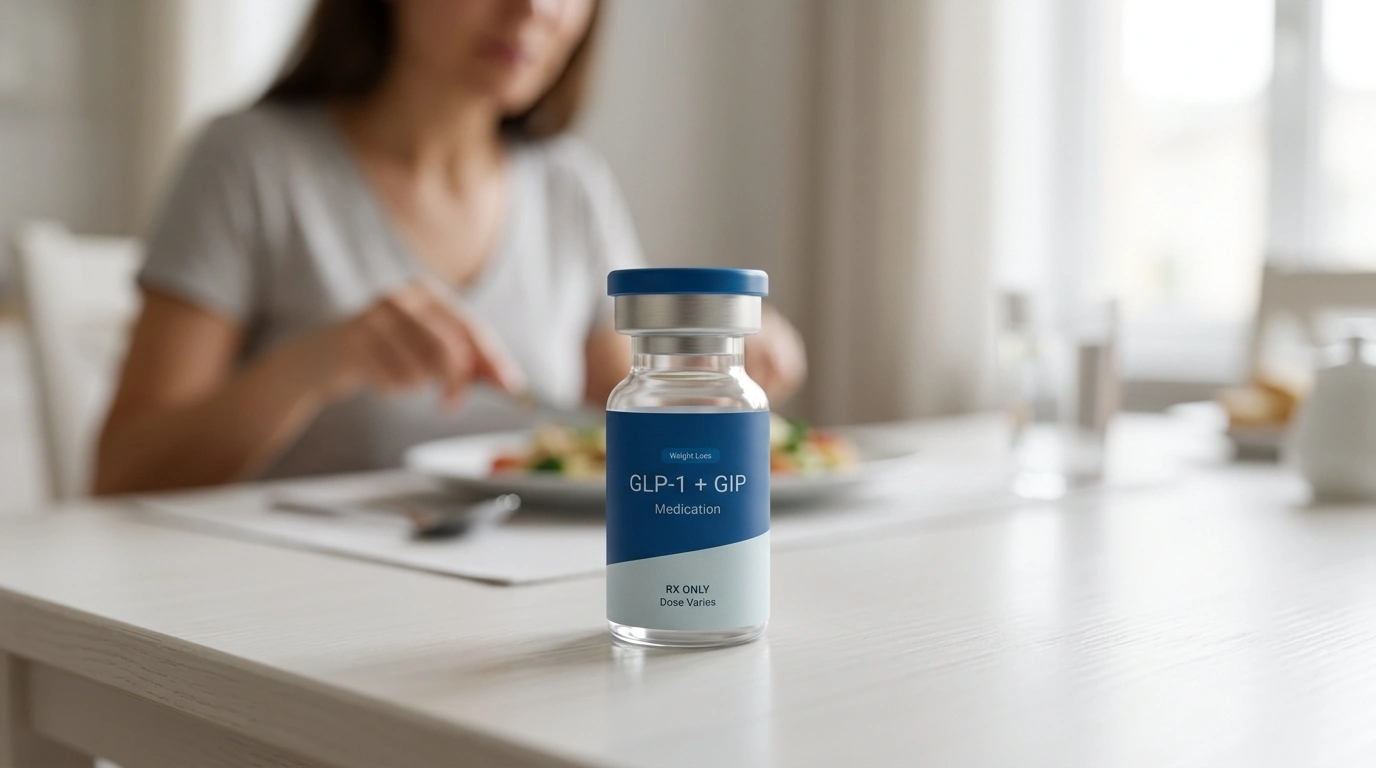
To understand why the scale might be moving up, it is helpful to understand how the medication works. Zepbound® contains an active ingredient called tirzepatide. This is a dual-receptor agonist, meaning it mimics two different hormones in your body: glucagon-like peptide-1 (GLP-1) and glucose-dependent insulinotropic polypeptide (GIP). These hormones help regulate blood sugar, slow down digestion, and signal to your brain that you are full.
When you first start this medication, your body undergoes a significant metabolic shift. Your insulin sensitivity changes, and your digestive system slows down. For many, these changes lead to immediate weight loss. For others, the body may react by holding onto water or adjusting its metabolic rate, leading to a temporary stall or even a slight gain.
The Role of the Titration Schedule
One of the most common reasons for seeing a gain or a lack of loss in the early weeks is the dosing schedule. Most patients start on a 2.5 mg dose. This is officially considered a “loading dose” or an “induction dose.” It is designed to introduce the medication to your system slowly to minimize side effects, rather than to maximize weight loss.
- Loading Phase: The first 4 to 8 weeks are often about habituation.
- Therapeutic Dose: Many clinical studies show that significant weight loss often begins at the 5 mg, 7.5 mg, or 10 mg doses.
- Biological Variability: Every individual processes tirzepatide differently; some may feel the effects immediately, while others require a higher concentration in their bloodstream to see results.
If you are considering whether prescription GLP-1 treatment may be appropriate for you, you can complete a free eligibility assessment.
Common Reasons for Weight Gain on GLP-1 Medications
It is important to distinguish between gaining body fat and seeing a higher number on the scale. These are not always the same thing. Several factors can cause the scale to rise even if you are technically in a caloric deficit.
Water Retention and Sodium Sensitivity
When you change your diet or start a new medication, your body’s fluid balance can shift. If you are eating more processed “diet” foods that are high in sodium, your body may hold onto extra water. Additionally, the GIP component of tirzepatide affects how your kidneys handle salt and water.
For additional guidance on building meals around protein, fiber, and nutrient-dense foods, see this TrimRx guide to the best foods for weight loss.
Inflammation and Muscle Repair
If you have recently started an exercise program alongside your medication, your muscles may be holding onto water. When you work out, you create tiny tears in your muscle fibers. The body repairs these through a process that involves slight inflammation and water retention. This is a sign of progress, not a sign that the medication is failing.
Digestive Transit Time and Constipation
Zepbound® works by slowing down gastric emptying. This means food stays in your stomach and intestines longer. While this helps you feel full, it can also lead to constipation. If your digestive system is backed up, you are literally carrying more physical weight in your body.
For a closer look at this issue, read why Zepbound can cause constipation and how to manage it.
Managing GI Health
For many individuals, a “gain” of two or three pounds is simply a result of a slower digestive tract. Increasing fiber intake, staying hydrated, and speaking with a provider about stool softeners can often resolve this “weight gain” quickly. Our personalized programs at TrimRx help patients navigate these common side effects through 24/7 access to specialists.
During treatment, some people also explore daily nutritional support designed for GLP-1 users.
The “Halo Effect” and Calorie Creep
Sometimes, the knowledge that we are on a powerful weight loss medication can lead to a psychological phenomenon often called the “halo effect.” We may subconsciously believe the medication is doing so much work that we can afford to be less diligent with our food choices.
- Liquid Calories: You may be eating less solid food but drinking more calories in the form of specialty coffees or sodas.
- Caloric Density: Even small portions of high-calorie foods can add up.
- Hidden Sugars: Many “health foods” contain added sugars that can spike insulin and hinder progress.
Key Takeaway: A rise on the scale is often due to “non-fat” mass, such as water retention from new exercise or physical waste due to slower digestion. Focus on consistency rather than daily fluctuations.
Biological Factors and Metabolic Adaptation
Your body is designed for survival. When you start to lose weight rapidly, your body may fight back by slowing your basal metabolic rate (BMR). This is often called “metabolic adaptation” or “starvation mode.”
Inadequate Caloric Intake
It sounds counterintuitive, but eating too little can sometimes stall weight loss or lead to weight gain. If your caloric intake drops too low, your body may increase levels of cortisol, the stress hormone. High cortisol levels are closely linked to water retention and fat storage, particularly in the abdominal area.
The Importance of Protein
When you lose weight, you want to lose fat, not muscle. If you aren’t eating enough protein, your body may break down muscle tissue for energy. Since muscle burns more calories at rest than fat, losing muscle slows your metabolism further. This makes it easier to gain weight even if you are eating small amounts.
For more ideas about preserving muscle and choosing protein sources, explore what protein is best for weight loss.
Myth: If I’m not losing weight, I need to eat even less. Fact: You may need to eat more protein and fiber to support your metabolism and ensure your body feels safe enough to release stored fat.
Hormonal Fluctuations
For women, the menstrual cycle can cause significant weight fluctuations. It is common to gain 3 to 5 pounds of water weight in the week leading up to a period. This gain is entirely hormonal and has nothing to do with the effectiveness of the tirzepatide.
Lifestyle Habits That Influence Results
Medication is a powerful tool, but it works best when supported by specific lifestyle habits. If the scale is moving in the wrong direction, it may be time to audit your daily routines.
Sleep and Stress Management
Lack of sleep is a major contributor to weight gain. When you are sleep-deprived, your body produces more ghrelin (the hunger hormone) and less leptin (the fullness hormone). Even on a GLP-1 medication, these hormonal signals can be strong enough to cause “grazing” or poor food choices.
For practical nutrition strategies that support fullness, review these weight loss meal-planning principles.
Stress and Cortisol
Chronic stress keeps your body in a “fight or flight” state. This state encourages the body to hold onto energy stores (fat) and water. If you are going through a high-stress period at work or home, the scale might reflect that stress rather than your actual fat loss progress.
Alcohol Consumption
Alcohol provides “empty” calories that the body prioritizes burning over fat. Furthermore, alcohol can irritate the digestive lining and cause significant bloating and water retention. For many on Zepbound®, alcohol also increases the risk of nausea, which can lead to eating bland, high-carb foods to settle the stomach.
When to Consult a Healthcare Provider
If you have been on the medication for more than 8 to 12 weeks and are consistently gaining weight despite following a healthy diet, it is essential to speak with a healthcare professional. We provide access to licensed providers who can review your health profile and determine if a dosage adjustment is necessary.
If you need help determining whether a personalized prescription program may fit your goals, see if you qualify for a personalized program.
Potential Medical Concerns
In some cases, weight gain could be a sign of an underlying issue that needs to be addressed:
- Hypothyroidism: An underactive thyroid can make weight loss nearly impossible.
- Insulin Resistance: While the medication helps with this, some individuals may need additional support.
- Medication Interactions: Other drugs you are taking (like steroids or certain antidepressants) may cause weight gain.
Bottom line: Persistent weight gain should be discussed with a professional to rule out underlying conditions or the need for a higher dose.
How to Get Back on Track
If you are frustrated by the scale, don’t give up. Weight loss is a marathon, not a sprint. Here is a step-by-step approach to troubleshooting weight gain while on a GLP-1 program.
Step 1: Track your intake honestly. / Use a food diary for three days to see if hidden calories or a lack of protein are the culprits.
Step 2: Increase your water intake. / Drinking more water actually helps your body release the water it is holding onto and helps alleviate constipation.
Step 3: Focus on protein and fiber. / Ensure every meal has a lean protein source to protect your muscle mass and keep your metabolism active.
Step 4: Audit your movement. / Are you incorporating strength training? Building muscle is the best way to prevent metabolic slowdown.
Step 5: Review your dosage with a provider. / If you are still on a low dose, you may simply need to move up to the next level of the titration schedule.
For more practical guidance, see how protein supports weight loss.
The Role of Personalized Support
At TrimRx, we believe that weight loss is more than just a prescription. It is about a holistic approach that includes medical supervision and the right supplemental support. Our platform connects you with licensed providers who can tailor your program to your specific needs. If you find that the medication alone isn’t providing the results you want, we offer quick-access supplements like GLP-1 Daily Support or Weight Loss Boost. These are designed to provide the nutrient foundations your body needs during a caloric deficit.
For people looking for additional energy and metabolic support during weight loss, Weight Loss Boost may be worth exploring.
We offer a telehealth-first experience, meaning you never have to wait in a doctor’s office to discuss your concerns. Whether you are dealing with side effects or scale frustrations, our team is available to help you navigate the journey.
Conclusion
Gaining weight on Zepbound® is a common experience that usually points to a need for adjustment rather than a failure of the medication. Whether it is the result of water retention, the initial titration phase, or the body’s natural metabolic defenses, these hurdles can be overcome. We are committed to providing a transparent and empathetic path to sustainable health. By focusing on protein intake, hydration, and consistent communication with your healthcare provider, you can turn the scale back in the right direction. Our mission is to help you embrace a healthier lifestyle through science-backed, personalized care.
Key Takeaway: Don’t let a temporary fluctuate on the scale derail your long-term goals. Weight loss is a complex biological process that requires time, patience, and the right professional support.
If you are ready to see if a personalized program is right for you, the best next step is to take the free assessment quiz. This helps our partner providers understand your medical history and goals to create a plan that works for your unique body.
FAQ
Why did I gain weight during the first month of treatment?
The first month usually involves a 2.5 mg loading dose, which is often too low to trigger significant fat loss but can cause the body to hold water as it adjusts to the medication. Additionally, changes in sodium intake or the start of a new exercise routine can cause temporary fluid retention.
Can constipation from Zepbound cause weight gain?
Yes, because the medication slows down your digestive system, physical waste can stay in your colon longer, leading to a higher number on the scale. This is not fat gain, but rather the weight of undigested food and water, which usually resolves once regular bowel movements resume. For more information, review this guide to managing Zepbound-related constipation.
Is it possible to be “resistant” to tirzepatide?
While most people respond to the medication, some are “slow responders” who do not see significant results until they reach higher therapeutic doses like 10 mg or 15 mg. It is important to complete the titration process before deciding if the medication is effective for you.
How do I know if I’m gaining muscle or fat?
If the scale is going up but your clothes are fitting better or your waist circumference is decreasing, you are likely gaining muscle or holding water while losing fat. Using a body composition scale or tracking measurements can provide a more accurate picture of your progress than weight alone.
Disclaimer: This content is for informational purposes only and does not constitute medical advice. It is not intended to diagnose, treat, cure, or prevent any disease or condition. Individual results may vary. Always consult a qualified healthcare professional before starting any weight loss program or medication.

Transforming Lives, One Step at a Time
Keep reading

Massage on Zepbound: What to Know Before Your Appointment
A massage or a spa day should be relaxing. If you take Zepbound or compounded tirzepatide, a few simple steps make sure it is:…

College Move-In Day on Zepbound
Moving a child into college is one of the bigger days in a parent’s life. It is also physically demanding: a long drive, waiting…

Dental Hygienists on Zepbound
Dental hygiene is close, physical work. You see a patient roughly every hour, spend most of the day leaning over the chair, wear a…


