Why Am I Not Losing Weight on Tirzepatide In 2026?
Why Am I Not Losing Weight on Tirzepatide?
If you’re taking tirzepatide and the scale won’t budge, you’re not alone, and it doesn’t necessarily mean the medication has failed you. Tirzepatide (the active ingredient in Mounjaro and Zepbound) is one of the most effective weight loss medications available today. But several factors can slow or completely stall your progress. The most common reasons include being on too low a dose, not giving the medication enough time, dietary habits that quietly offset the drug’s effects, and underlying medical conditions that make losing weight harder.
Let’s break down each one so you can figure out what’s happening and what to do about it.
You Might Still Be on a Starter Dose
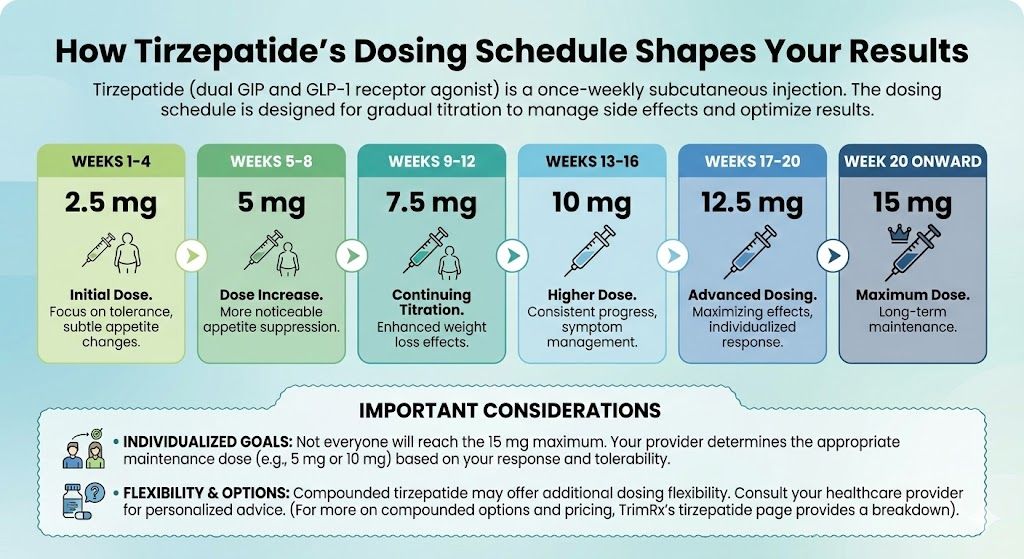
This is the single most common reason people feel like tirzepatide isn’t delivering results. The standard protocol starts at 2.5 mg for the first four weeks. That initial dose is designed to help your body adjust and minimize side effects like nausea. It’s not optimized for weight loss.
Most people don’t see meaningful movement on the scale until they reach 5 mg or higher. Some don’t really hit their stride until 10 mg or even 15 mg. If you’re still in the first month or two, the honest answer might simply be: it’s too early to judge. The tirzepatide results timeline shows that significant weight loss typically kicks in around weeks six through eight for most patients.
Those early weeks are an adjustment period, not a preview of your long-term results.
Your Calorie Intake May Be Higher Than You Realize
Tirzepatide works partly by reducing appetite, which naturally leads most people to eat less. But “eating less” doesn’t automatically mean “eating in a calorie deficit.” If the foods you’re choosing are calorie-dense (think nuts, cheese, cooking oils, granola, or restaurant meals loaded with hidden butter and sauces), you can still consume enough calories to prevent weight loss even when your appetite feels noticeably smaller.
Consider this scenario: a patient eats only two meals a day because tirzepatide has significantly reduced their hunger. Sounds like it should work, right? But if those two meals are large portions of calorie-dense foods, they could easily reach 2,000+ calories without feeling like they’ve overeaten.
Try tracking your food for a week. Not forever. Just long enough to see where you actually stand. A lot of people are genuinely surprised by the numbers once they start measuring portions and reading labels.
You’re Losing Fat but the Scale Doesn’t Show It
Here’s the thing: the scale only tells part of the story. If you’ve started exercising alongside tirzepatide, especially strength training, you might be building muscle while simultaneously losing fat. Muscle is denser than fat, so your body composition can improve dramatically while the number on the scale barely moves or even ticks up slightly.
Pay attention to how your clothes fit. Take measurements around your waist, hips, and thighs. If those numbers are shrinking even while the scale stays flat, the medication is working. You’re experiencing body recomposition rather than straightforward weight loss.
This is actually a better outcome than pure scale-driven loss, because preserving muscle mass keeps your metabolism healthier over the long haul.
Other Medications May Be Working Against You
Several commonly prescribed medications can promote weight gain or make it harder to lose, even while you’re on tirzepatide. These include certain antidepressants (particularly SSRIs like paroxetine and mirtazapine), beta-blockers, insulin, some antihistamines, and corticosteroids like prednisone.
If you’re taking any of these, that doesn’t mean tirzepatide can’t work for you. It means you might need a higher dose, more patience, or a conversation with your provider about whether alternative medications exist for those conditions. Don’t stop any prescribed medication on your own. Instead, bring this up at your next appointment so your provider can evaluate the full picture.
An Underlying Medical Condition Is Slowing You Down
Certain health conditions make weight loss significantly harder regardless of which medication you’re using. Hypothyroidism is the classic example. When your thyroid doesn’t produce enough hormone, your metabolism slows, and losing weight becomes an uphill battle. The good news? Hypothyroidism is easily tested with a simple blood panel and very treatable.
PCOS (polycystic ovary syndrome) is another condition that creates hormonal imbalances affecting weight. Insulin resistance, which is common in both PCOS and prediabetes, can also blunt tirzepatide’s effectiveness. If you haven’t had bloodwork done recently, it’s worth requesting a comprehensive metabolic panel and thyroid check.
Cushing’s syndrome, untreated sleep apnea, and chronic stress (which keeps cortisol elevated) are other potential culprits. The pattern to watch for: if you’re genuinely eating in a deficit and the scale hasn’t moved for six or more weeks, something metabolic may be going on beneath the surface.
You’re Not Getting Enough Sleep
This factor gets overlooked constantly, but sleep has a real, measurable impact on weight loss. A study published in the Annals of Internal Medicine found that when dieters got adequate sleep, more than half of the weight they lost came from fat. When their sleep was restricted to about 5.5 hours per night, the amount of fat lost dropped by 55%, even though calorie intake stayed the same (Nedeltcheva et al., Annals of Internal Medicine, 2010).
Poor sleep increases ghrelin (your hunger hormone) and decreases leptin (your satiety hormone). It also drives cortisol higher, which promotes fat storage, especially around the midsection. If you’re consistently getting fewer than seven hours a night, your body is biochemically working against your weight loss goals.
Prioritize sleep the way you prioritize your injection schedule. It matters that much.
Your Dose Probably Needs an Adjustment
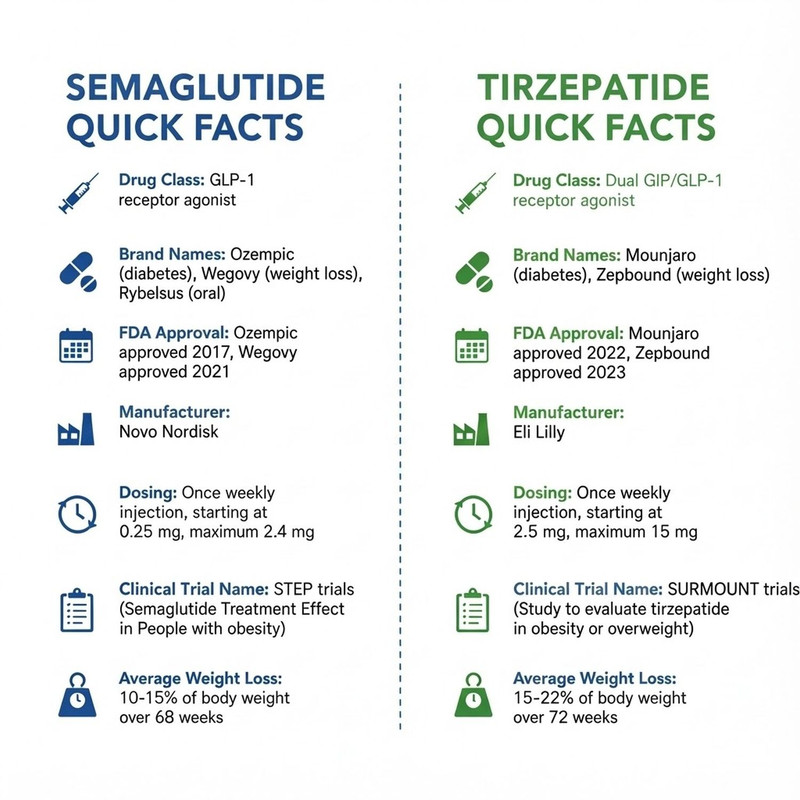
Tirzepatide’s dosing range runs from 2.5 mg all the way up to 15 mg. That’s a wide range, and there’s significant individual variability in how people respond. Some patients get excellent results at 5 mg. Others need 12.5 mg or 15 mg to see comparable outcomes.
If you’ve been on the same dose for several weeks and your weight loss has stalled after an initial period of progress, it may be time to discuss a dose increase with your provider. This is a normal, expected part of the titration process, not a sign that the medication is failing. The tirzepatide weight loss results data consistently shows that higher doses produce greater average weight loss in clinical trials.
Your provider can help determine whether an adjustment makes sense based on your side effects and overall response.
A Practical Checklist to Get Back on Track
If your weight loss has stalled on tirzepatide, work through these steps:
Track your food honestly for one full week. Look specifically for hidden calorie sources like cooking oils, dressings, and snacking. Take body measurements alongside the scale. Waist, hips, and thighs can reveal progress that your weight alone misses. Review your full medication list with your provider. Ask specifically about drugs that may promote weight gain. Request updated bloodwork if you haven’t had labs in the past six months. Thyroid, fasting glucose, and insulin levels are good starting points. Audit your sleep. Aim for at least seven hours nightly and address any sleep disruptions. Ask your provider about a dose adjustment, especially if you’ve been at the same level for more than four weeks without progress.
If you’re looking for provider support to help optimize your tirzepatide treatment, TrimRx connects you with licensed clinicians who specialize in GLP-1 weight loss management. You can also explore compounded tirzepatide options that may offer more flexibility in dosing and cost.
Weight loss is rarely a straight line. Stalls happen. What matters is identifying the cause and making targeted adjustments rather than assuming the medication doesn’t work for you.
This information is for educational purposes and is not medical advice. Consult with a healthcare provider before starting any medication. Individual results may vary.

Transforming Lives, One Step at a Time
Keep reading

Tirzepatide Not Working? What to Try Next
Tirzepatide Not Working? What to Try Next If tirzepatide doesn’t seem to be working for you, the first thing to know is that this…

Tirzepatide Results Timeline: Week by Week Guide
Tirzepatide produces some of the most significant weight loss results of any medication currently available, but those results don’t happen overnight. The drug follows…

Tirzepatide Weight Loss Results: What the Research Shows
Tirzepatide delivers some of the most substantial weight loss of any currently available medication. Clinical trial data from the SURMOUNT-1 study shows that participants…


