Why Am I Still Hungry After Taking Mounjaro? Navigating Your Weight Loss Journey
Introduction
It is often a Tuesday or Wednesday afternoon when the realization hits: you are standing in front of the pantry, scouring the shelves for a snack, despite having administered your weekly injection just a day or two prior. For many individuals, the expectation when starting a dual-agonist medication like Mounjaro® is a near-total silencing of “food noise”—that constant internal chatter about what, when, and how much to eat. When that hunger returns or persists, it can lead to a cocktail of frustration and concern. Is the medication working? Is your body resistant? Did you do something wrong?
At TrimRx, our journey began with a shared vision to help individuals embrace healthier lifestyles by merging cutting-edge telehealth innovations with effective weight loss solutions. We understand that the experience of persistent hunger while on a powerful medication can feel isolating. Our platform is a user-friendly and supportive space where individuals receive personalized, medically supervised care—all designed to make sustainable weight loss attainable and tailored to the individual. We believe that sustainable weight loss should be achieved through science, empathy, and a transparent approach.
The purpose of this article is to deconstruct the physiological, psychological, and lifestyle factors that answer the question: why am i still hungry after taking mounjaro? We will explore how the medication interacts with your hormones, why the titration process matters, and how your dietary choices can either support or undermine the medication’s efficacy. By the end of this guide, you will have a comprehensive understanding of how to manage these hunger signals and how to work with your body rather than against it.
We will cover the science of dual-hormone activation, the nuances of the standard dosing schedule, and the critical role of nutrient density. Whether you are in your first month of treatment or have reached a maintenance level, this information is designed to empower you with actionable insights. We are here to partner with you in this health journey, providing the clarity you need to move forward with confidence.
The Science of Satiety: How Mounjaro® Interacts with Your Body
To understand why hunger might persist, we must first look at the sophisticated mechanism of the medication itself. Mounjaro® (tirzepatide) represents a significant leap in metabolic science. Unlike earlier generations of weight loss medications that targeted a single hormone pathway, this is a dual GIP (glucose-dependent insulinotropic polypeptide) and GLP-1 (glucagon-like peptide-1) receptor agonist.
The Role of GLP-1 and GIP Receptors
GLP-1 is a hormone naturally secreted by the intestines in response to food. It performs several critical functions: it stimulates insulin secretion, suppresses glucagon (which prevents the liver from releasing too much sugar), and significantly slows down gastric emptying. This slowing of the “stomach clock” is why many people feel full much sooner during a meal. Furthermore, GLP-1 receptors are located in the brain’s appetite centers, specifically the hypothalamus, where they signal a sense of satisfaction.
GIP, the second component, was once thought to be less important for weight loss, but recent research indicates it plays a synergistic role. GIP may help improve how the body metabolizes fats and could potentially enhance the brain’s sensitivity to GLP-1. Together, these two pathways aim to create a powerful environment for appetite regulation. However, because this is a hormonal intervention, the body requires time to recalibrate its internal signaling. To see if you are a candidate for these advanced options, you can take our free assessment quiz to receive a personalized treatment plan.
Why Satiety Isn’t Instantaneous
It is vital to remember that the goal of these medications is not to eliminate hunger entirely. Hunger is a survival mechanism, a signal from your body that it requires fuel. The objective is to bring hunger back to a manageable, healthy level where you are in control of your choices. For some, the initial response is so strong that they feel no hunger at all, but as the body reaches a “steady state”—the point where the medication level in the blood remains consistent—the body’s natural counter-regulatory hormones may try to compensate, leading to a return of some appetite.
The Titration Process: Patience as a Strategy
One of the most common reasons someone might ask “why am i still hungry after taking mounjaro” is that they are simply in the early stages of their program. At TrimRx, we emphasize that weight loss is a marathon, not a sprint. Our commitment to safety means we work exclusively with FDA-registered and inspected pharmacies to ensure the highest quality of medication, which is then administered through a careful titration schedule.
The 2.5 mg Initiation Phase
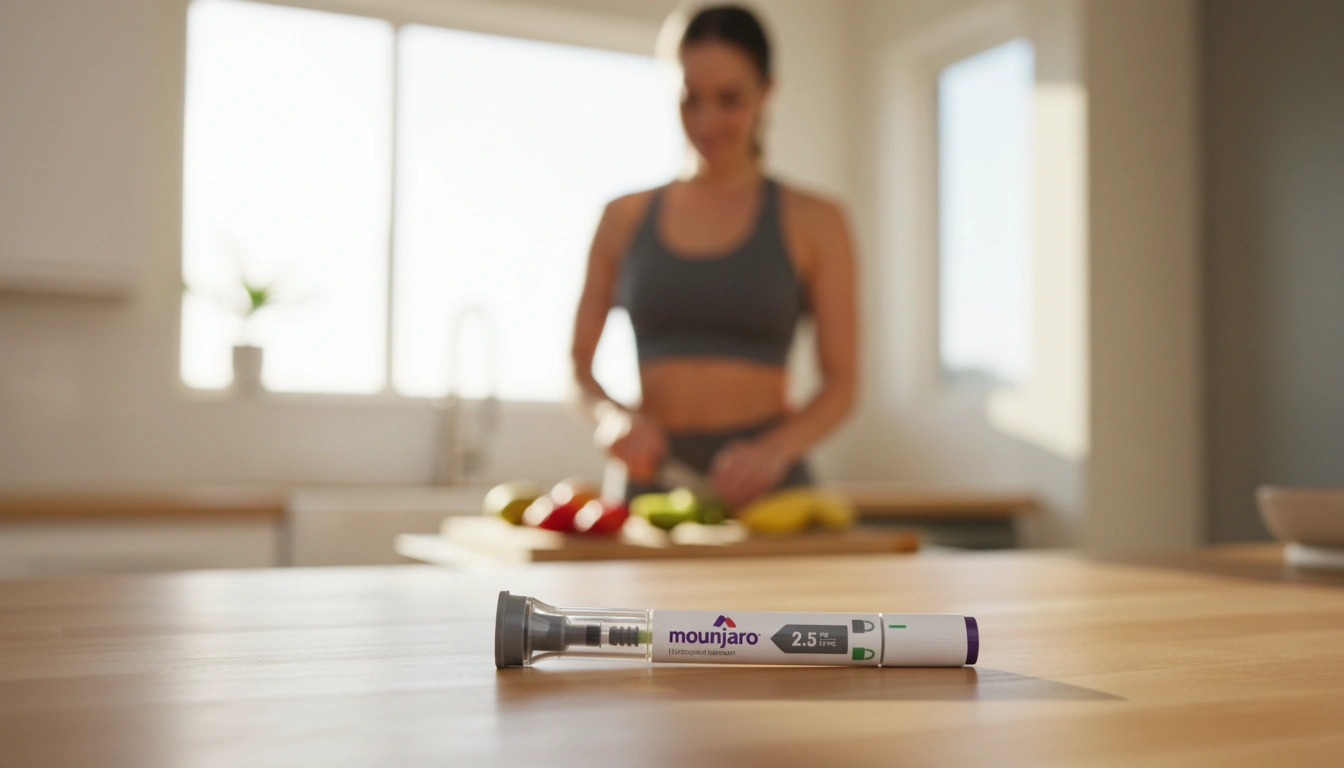
The standard starting dose of Mounjaro® is 2.5 mg once weekly. It is important to understand that this is primarily a “loading dose” or an “induction dose.” Its main purpose is to introduce the molecule to your system and allow your gastrointestinal tract to acclimate, thereby minimizing potential side effects like nausea or indigestion.
For many individuals, 2.5 mg is not enough to provide significant appetite suppression. If you are in your first four weeks and still feeling hungry, this is not a sign of failure. It is a sign that your body is preparing for the higher, more therapeutic doses. Most clinical studies show that the most significant weight loss and hunger reduction occur at the 10 mg and 15 mg levels.
The Journey to Maintenance Doses
Following the initial month, the dose typically increases to 5 mg, and then continues to climb in 2.5 mg increments every four weeks based on your doctor’s recommendation and your personal tolerance. During this period, you may notice that hunger suppression feels “patchy.” You might feel very full for the first three days after an injection, only to have your appetite return by day six.
This happens because the medication has a half-life of approximately five days. As the concentration in your blood dips toward the end of the week, your hunger signals may become more vocal. This is an excellent time to lean on supportive supplements. Our GLP-1 Daily Support is designed to help maintain overall wellness during these transitional periods.
Biological Variation: Why Every Journey is Unique
No two metabolic profiles are identical. Genetics, age, starting weight, and hormonal health (such as thyroid function or insulin resistance levels) all play a role in how a person responds to tirzepatide.
Metabolic Adaptation
Some individuals are “slow responders.” Their bodies may require a higher concentration of the medication before the brain’s receptors fully engage with the satiety signals. Conversely, “hyper-responders” might feel total appetite suppression on the lowest dose. If you find that your progress is slower than what you see in general statistics, it may be that your body is still in the process of metabolic adaptation.
The Impact of Prior Treatments
For individuals who have previously used other weight loss medications, the body may have developed a certain level of hormonal tolerance. In these cases, it might take reaching the mid-to-high range of Mounjaro® doses before the familiar “silencing” of hunger occurs. This is why a personalized treatment plan is so critical—we don’t believe in a one-size-fits-all approach.
Dietary Factors: Fueling for Fullness
Even with the most advanced medication, what you put on your plate matters. You can actually “eat through” the effects of Mounjaro® if your dietary choices are not aligned with your goals.
The Importance of Protein and Fiber
If you are feeling hungry, the first thing to examine is your protein intake. Protein is the most satiating macronutrient. It triggers the release of peptide YY, a hormone that tells your brain you are full. When taking Mounjaro®, your total caloric intake naturally drops, making every gram of protein more important. If you are consuming mostly simple carbohydrates, your blood sugar may spike and then crash, leading to “rebound hunger,” even if the medication is trying to slow your digestion.
Fiber is the second pillar of satiety. It adds bulk to the diet and further slows the absorption of sugar into the bloodstream. A diet low in fibrous vegetables and whole grains can lead to a feeling of emptiness in the stomach, which the brain interprets as hunger. To support your nutritional goals, you might consider our Weight Loss Boost supplement, which is formulated to complement a healthy lifestyle.
The Pitfalls of Ultra-Processed Foods
Ultra-processed foods are designed to bypass our natural satiety signals. They are often “hyper-palatable,” meaning they contain the perfect ratio of fats, sugars, and salts to keep us wanting more. Because these foods digest quickly, they don’t stay in the stomach long enough to trigger the prolonged fullness that Mounjaro® is designed to facilitate. If your diet consists of many boxed or fast-food options, you may find yourself asking “why am i still hungry after taking mounjaro” more often than those focusing on whole, single-ingredient foods.
Satiety-Boosting Food Examples:
- Proteins: Chicken breast, Greek yogurt, tofu, lentils, and white fish.
- Fibers: Broccoli, chia seeds, raspberries, and black beans.
- Healthy Fats: Avocado, walnuts, and olive oil (in moderation).
Psychological and Emotional Hunger
Not all hunger is physical. Often, what we perceive as hunger is actually “food noise” or emotional triggers that the medication hasn’t fully addressed yet.
Understanding Emotional Eating
Stress, boredom, anxiety, and even happiness can trigger a desire to eat. This is often referred to as “head hunger.” While Mounjaro® is excellent at reducing the physical growl of the stomach, it does not automatically erase decades of emotional coping mechanisms. If you find yourself wanting to eat when you know your stomach is physically full, it may be helpful to practice mindful eating.
The Habit of “Food Noise”
For some, the habit of thinking about the next meal is so ingrained that the brain continues the pattern even when the body is satisfied. This is where the supportive community and empathetic care at TrimRx come into play. We believe in science, but we also believe in empathy. Our platform provides a supportive space to help you navigate these psychological hurdles. You can start your journey by taking our free assessment quiz.
Lifestyle Influences on Appetite
Beyond what you eat and the medication you take, how you live your life significantly impacts your hunger levels.
The Sleep-Hunger Connection
Sleep deprivation is a major driver of hunger. When you don’t get enough rest, your body increases the production of ghrelin (the hunger hormone) and decreases the production of leptin (the satiety hormone). This hormonal imbalance can easily override the effects of Mounjaro®. Ensuring 7–9 hours of quality sleep is a non-negotiable part of a successful weight loss program.
Hydration: Thirst Masking as Hunger
The human brain often struggles to distinguish between thirst and hunger. Because Mounjaro® slows down digestion, it is also common for people to forget to drink enough water. Dehydration can lead to fatigue and a gnawing feeling in the stomach that feels remarkably like hunger. Before reaching for a snack, try drinking 16 ounces of water and waiting fifteen minutes to see if the sensation passes.
Stress and Cortisol
High levels of chronic stress lead to elevated cortisol. Cortisol is known to increase cravings for high-calorie, sugary foods. If you are going through a particularly stressful period at work or home, you may find that your appetite is higher than usual. Incorporating stress-management techniques like walking, meditation, or deep breathing can help the medication do its job more effectively.
Optimizing Your TrimRx Experience
At TrimRx, we are more than just a provider of medication; we are a comprehensive partner in your health. We offer personalized, medically supervised care that includes doctor consultations, lab work, and unlimited support with no hidden fees.
Personalized Treatment Plans
Our product offerings are designed to meet you where you are. For those seeking prescription-strength solutions, we offer a range of options including:
- Compounded Semaglutide & Oral Semaglutide
- Ozempic® & Wegovy®
- Compounded Tirzepatide & Oral Tirzepatide
- Mounjaro® & Zepbound®
For these medications, a free assessment quiz is required to determine eligibility and create a tailored plan. We ensure that our approach remains consistent regardless of dosage changes, emphasizing transparent service and safety.
Quick-Access Support
In addition to our personalized programs, we offer quick-access supplements that do not require a quiz. These are perfect for individuals looking for that extra edge in their wellness journey:
- GLP-1 Daily Support: Designed to provide essential nutrients that may be lacking when caloric intake is reduced.
- Weight Loss Boost: Aimed at supporting metabolic health and energy levels.
When to Consult Your Provider
While some hunger is normal, persistent and intense hunger that prevents weight loss should be addressed.
Signposts for a Dose Adjustment
If you have been on a specific dose for more than four weeks and have seen no change in your appetite or your weight, it may be time to discuss a dose increase with your healthcare provider. This is a standard part of the titration process. Our telehealth platform makes it easy to have these conversations with medical professionals who understand the nuances of tirzepatide.
Checking for Underlying Issues
Occasionally, persistent hunger can be a symptom of an underlying issue, such as a nutrient deficiency or a separate hormonal imbalance. During your consultations, it is important to be transparent about your symptoms. We prioritize your safety by partnering with FDA-registered pharmacies and ensuring your medical supervision is thorough and attentive.
Sustainable Success Beyond the Injection
The ultimate goal of using a medication like Mounjaro® is to create a window of opportunity where you can build sustainable habits. The medication is a tool—a powerful one—but it works best when integrated into a lifestyle focused on wellness.
Building Lasting Habits
Use the periods of decreased hunger to experiment with new, healthy recipes and to find forms of movement that you enjoy. When the medication helps manage the “food noise,” it becomes much easier to listen to your body’s true needs. By focusing on protein, hydration, and sleep, you provide the medication with the best possible environment to succeed.
The TrimRx Philosophy
We believe that sustainable weight loss should be achieved through science, empathy, and a transparent approach. We are committed to providing you with the tools you need to not only lose weight but to maintain a healthier lifestyle for the long term. Our journey began with the vision of merging innovation with supportive care, and we continue that mission every day with every individual we serve.
Conclusion
Feeling hungry after taking Mounjaro® can be frustrating, but as we have explored, it is often a normal part of the body’s adjustment process or a signal that certain lifestyle factors need refinement. Whether it is the need for a dose increase, a focus on higher protein intake, or a better night’s sleep, there are clear paths toward achieving the satiety you desire.
Remember that this journey is uniquely yours. While others may experience immediate results, your body may require a more gradual approach. By staying patient, focusing on nutrient-dense foods, and utilizing the resources available at TrimRx, you can navigate these challenges effectively.
If you are ready to take the next step in your personalized weight loss journey, we invite you to take our free assessment quiz today. Together, we can find the right path for your unique needs and help you embrace the healthier lifestyle you deserve.
Frequently Asked Questions
1. Is it normal to feel hungry on the 2.5 mg dose of Mounjaro®?
Yes, it is very common. The 2.5 mg dose is considered a starting dose intended to help your body acclimate to the medication. Many people do not experience significant appetite suppression until they move up to the 5 mg or 7.5 mg doses. If you are just starting out, patience is key as your body builds up to a therapeutic level.
2. Why does my hunger return a few days before my next injection?
Mounjaro® has a half-life of about five days. This means the concentration of the medication in your system begins to decrease toward the end of the week. As the levels drop, your natural hunger signals may become more noticeable. This “wear-off” effect often diminishes as you reach higher maintenance doses where the steady-state concentration is higher.
3. Can what I eat affect how hungry I feel while on the medication?
Absolutely. Foods high in refined sugars and simple carbohydrates can cause blood sugar fluctuations that trigger hunger, even with the medication. Focus on high-protein and high-fiber meals, as these are more satiating and work with the medication to keep you feeling full for longer. Proper hydration is also essential, as thirst is often mistaken for hunger.
4. Does being hungry mean Mounjaro® isn’t working for me?
Not necessarily. The medication is designed to manage and reduce appetite, not to eliminate it completely. Some hunger is healthy and indicates your body needs fuel. However, if you experience no appetite suppression at all after several dose increases, you should consult with your healthcare provider to evaluate your personalized treatment plan.

Transforming Lives, One Step at a Time
Keep reading

How to Choose Between Ozempic and Mounjaro
If you’ve spent any time researching GLP-1 medications for weight loss, you’ve probably landed on this question eventually. Ozempic and Mounjaro are the two…

Mounjaro Savings Card: Eli Lilly Programs Explained
Mounjaro carries a list price of over $1,000 per month without insurance. For people managing type 2 diabetes or pursuing weight loss with tirzepatide,…

Effective Strategies for Managing Your Journey: What Helps Nausea From Mounjaro and How to Stay on Track
Discover what helps nausea from Mounjaro with our expert guide. Explore dietary tips, hydration strategies, and natural remedies to manage side effects effectively.


