Why Are Skinny People Taking Ozempic and Is It Safe?
Introduction
It is hard to scroll through social media or read a headline today without seeing a celebrity or influencer who appears significantly slimmer than they did just a few months ago. This cultural shift has sparked a massive surge in interest regarding GLP-1 medications like Ozempic®. While these treatments were originally designed for people with type 2 diabetes or clinical obesity, a controversial trend has emerged: individuals who are already at a healthy weight seeking these drugs to shed “vanity pounds.” At TrimRx, we believe that understanding the science behind these medications is the first step toward making safe, informed decisions about your health. This post explores the metabolic reality of why people are seeking these treatments off-label and the physiological risks that come with using medical weight loss tools when they are not clinically indicated. We will cover clinical eligibility, the impact on lean muscle, and why a personalized, medically supervised approach is the only way to achieve sustainable health.
Quick Answer: Many people at a healthy weight seek GLP-1 medications like Ozempic® to reach an aesthetic goal or “super skinny” look, often referred to as off-label use. However, taking these medications without meeting clinical BMI criteria can lead to severe muscle wasting, metabolic slowdown, and nutritional deficiencies that outweigh any temporary aesthetic benefits.
The Cultural Phenomenon of GLP-1 Medications
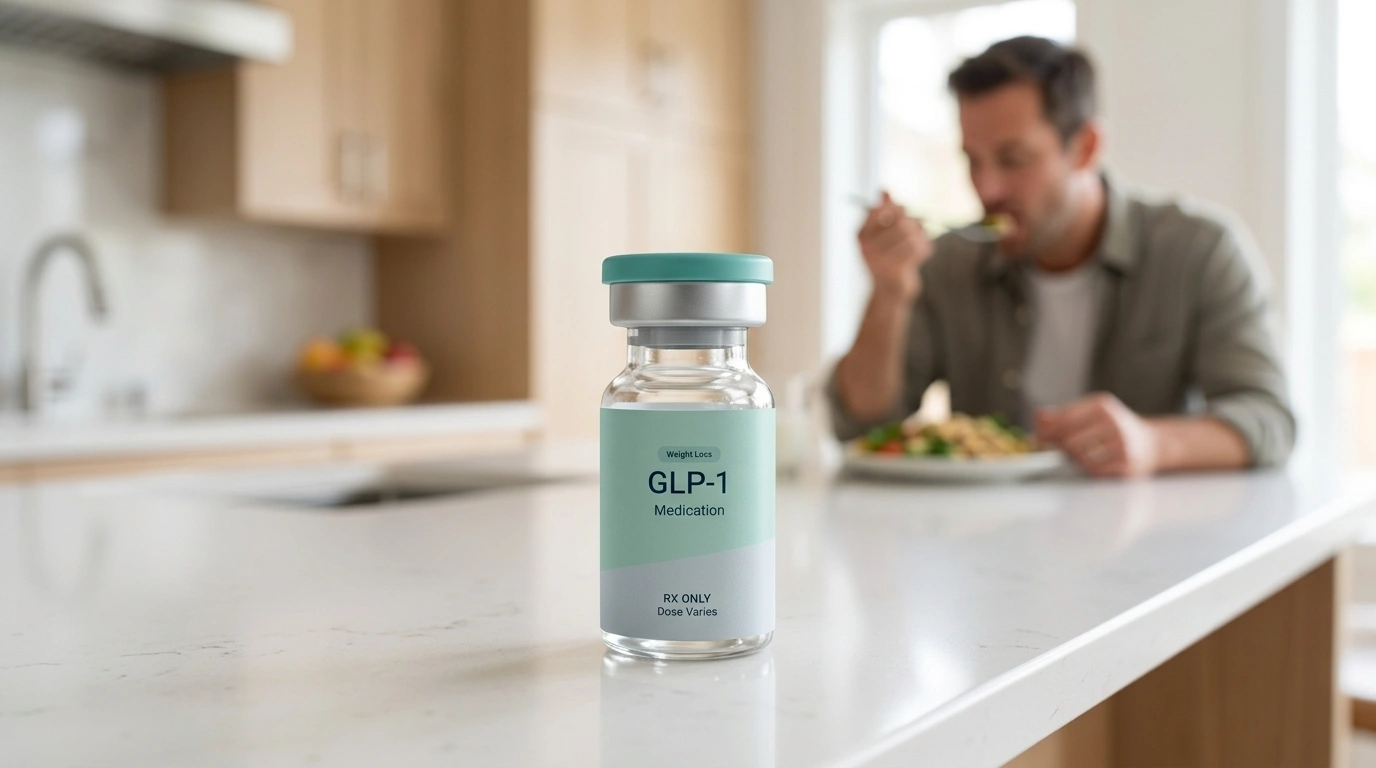
The conversation around weight loss has shifted from “willpower” to “biology” almost overnight. Medications like Ozempic® and Wegovy® contain the active ingredient semaglutide, which belongs to a class of drugs called GLP-1 (Glucagon-like peptide-1) receptor agonists. These medications mimic a hormone naturally produced in the gut that tells the brain you are full and tells the stomach to slow down digestion.
For individuals facing the complex disease of obesity, this is life-changing. It silences “food noise”—the constant, intrusive thoughts about eating—and allows for significant weight reduction. However, this clinical success has spilled over into the “vanity” market. People who are already within a healthy weight range are increasingly curious about how a weekly injection might help them reach a specific aesthetic or fit into a smaller clothing size. This trend is fueled by the desire for a “quick fix” and a societal obsession with thinness, but it often ignores the fact that these are powerful metabolic medications, not simple supplements. For additional context, explore this overview of how GLP-1 medications affect appetite and metabolism.
How GLP-1 Medications Work in the Body
To understand why using these drugs for minor weight loss is risky, you must first understand what they do to your internal systems. A GLP-1 receptor agonist (a substance that mimics a natural hormone) works in three primary ways:
- Brain Signaling: It targets the hypothalamus, the area of the brain that regulates hunger. It sends a profound signal of satiety, or fullness.
- Gastric Emptying: It slows down the rate at which food leaves your stomach. This keeps you feeling full for a much longer period after a meal.
- Insulin Regulation: It prompts the pancreas to release insulin when blood sugar is high and reduces the amount of sugar the liver produces.
When an individual with obesity takes these medications, the drug helps “reset” a metabolic system that is often out of balance. However, in a person with a healthy BMI (Body Mass Index) and a functioning metabolism, the drug can override natural survival signals. This can lead to a state of extreme caloric restriction that the body is not prepared to handle.
Key Takeaway: GLP-1 medications are designed to correct metabolic imbalances in patients with clinical obesity or diabetes. In healthy individuals, they can cause the body to enter a state of starvation that disrupts normal hormonal and metabolic functions.
Clinical Eligibility: Who Is a Candidate?
Medical professionals use specific, evidence-based criteria to determine who should be prescribed GLP-1 medications. These guidelines exist because the benefits of the drug—such as reducing the risk of heart disease, stroke, or diabetes—must outweigh the potential side effects.
Standard eligibility usually requires:
- A BMI of 30 or higher (classified as obesity).
- A BMI of 27 or higher if accompanied by at least one weight-related health condition, such as high blood pressure, high cholesterol, or sleep apnea.
The clinical trials for these medications were conducted on people who met these criteria. There is very little long-term data on the safety or efficacy of these drugs for people with a BMI of 22 or 24. When someone without these medical needs takes the medication, they are using it “off-label.” While off-label prescribing is legal, it carries unique risks when the patient lacks the metabolic “cushion” of excess adipose tissue (fat stores). If you want to understand whether a medically supervised program may be appropriate, you can complete a free eligibility assessment.
The Risk of Muscle Wasting and Sarcopenia
One of the most significant dangers for “skinny” people taking GLP-1 drugs is the loss of lean muscle mass. When you lose weight rapidly, your body does not just burn fat; it also breaks down muscle tissue for energy. This is especially true if you are already lean.
Sarcopenia is the clinical term for the loss of skeletal muscle mass and strength. In people with a high starting weight, some muscle loss is expected, but it can be managed with high protein intake and resistance training. For someone who is already at a healthy weight, losing even five or ten pounds of muscle can be devastating. Read more about muscle loss concerns during GLP-1 treatment.
Muscle is metabolically active tissue. It burns more calories at rest than fat does. If you lose muscle while on a GLP-1 medication, your resting metabolic rate (the number of calories your body burns just to stay alive) drops significantly. This creates a dangerous cycle where, once you stop the medication, you are likely to regain weight faster than before because your metabolism is now slower.
Understanding “Ozempic Face” and Aesthetic Side Effects
The term “Ozempic Face” has become a popular way to describe the gaunt, aged appearance some people develop while on these medications. This happens because the drug causes rapid fat loss throughout the entire body, including the face.
Subcutaneous fat in the face is what gives us a youthful, plump appearance. When that fat disappears quickly, the skin can sag, and wrinkles become more prominent. For a person with a significant amount of weight to lose, facial fat loss is often balanced by overall health improvements. For someone who is already thin, losing facial fat can lead to a “hollowed-out” or “skeletal” look that many find aesthetically unappealing, often requiring expensive cosmetic fillers to correct.
Nutritional Deficiencies and Malnutrition
Because GLP-1 medications effectively “turn off” hunger, it becomes very easy to stop eating enough essential nutrients. For someone who is already thin, this can lead to malnutrition very quickly. When you are eating a very small amount of food, every bite must be nutrient-dense.
Individuals using these drugs for vanity weight loss often report:
- Extreme Fatigue: The brain and muscles do not have enough glucose and energy to function.
- Hair Loss: Known as telogen effluvium, this is a common reaction to the stress of rapid weight loss and lack of protein and vitamins.
- Bone Density Loss: Without adequate nutrition and the “load” of healthy weight, bones can become more fragile.
- Brain Fog: Poor nutrient intake affects cognitive function and mood.
Note: If you are using any weight management program, it is vital to work with a healthcare provider who monitors your nutritional status to prevent long-term damage to your hair, skin, and bones.
Side Effects: The Reality of the “Quick Fix”
The side effects of GLP-1 medications are not trivial. Many people who seek these drugs for minor weight loss find that the “cost” of being a few pounds lighter is a significant decrease in their quality of life.
Common gastrointestinal side effects include:
- Nausea and Vomiting: This is the most frequently reported issue and can be severe enough to interfere with work and daily life.
- Gastroparesis: Also known as “stomach paralysis,” this is a condition where the stomach takes too long to empty its contents, leading to chronic bloating and pain.
- Diarrhea or Constipation: The slowing of the digestive tract can cause significant bowel discomfort.
- Acid Reflux: Many patients experience worsening heartburn while on these medications.
There are also rarer but more serious risks, such as pancreatitis (inflammation of the pancreas) and gallbladder problems. These risks are why medical supervision is non-negotiable. You can also review this guide to weight loss medication safety.
Compounded vs. Branded Medications
As demand for these drugs has skyrocketed, many people have turned to compounded versions of semaglutide or tirzepatide. It is important to understand the distinction between these and the branded versions.
Ozempic®, Wegovy®, Mounjaro®, and Zepbound® are branded, FDA-approved medications. Compounded semaglutide and compounded tirzepatide are not FDA-approved themselves. However, they are prepared and shipped by FDA-registered, inspected compounding pharmacies. This occurs most often when the branded drugs are on the FDA’s official shortage list.
At TrimRx, we connect our patients with licensed healthcare providers who can determine if a compounded medication is appropriate for their specific health profile. This ensures that even if you are using a compounded version, you are doing so under the watchful eye of a professional who understands your medical history and goals.
The Importance of a Personalized Program
Weight loss is not a one-size-fits-all journey. A “skinny” person taking a medication they found online without a doctor’s consultation is taking a massive risk with their metabolic health. At our platform, we emphasize that medication is only one piece of the puzzle.
Our personalized programs include:
- A Comprehensive Assessment: We use a free assessment quiz to gather your health data and ensure you meet the clinical criteria for treatment.
- Doctor Consultations: You work with licensed providers who oversee your dosing and monitor for side effects.
- Lab Work and Support: We ensure that your internal markers—like kidney function and blood sugar—stay in a healthy range.
- Holistic Approach: We focus on sustainable lifestyle changes so that you can maintain your results without being dependent on a “quick fix.”
Our mission at TrimRx is to provide a telehealth-first experience that merges clinical expertise with modern convenience. We believe that everyone deserves access to high-quality care without the stress of waiting rooms or hidden fees.
The Rebound Effect: What Happens When You Stop?
Perhaps the most overlooked aspect of why people at a healthy weight should avoid these drugs is what happens when the treatment ends. Clinical studies have shown that many people who stop taking GLP-1 medications regain a significant portion of the weight they lost. For a deeper look, read what happens when you stop taking semaglutide.
When a person who didn’t need to lose much weight stops the drug, the “food noise” often returns with a vengeance. Because their metabolism may have slowed down due to muscle loss during the “skinny” phase, their body is now primed to store fat. This can lead to someone ending up at a higher weight—and a higher body fat percentage—than they had before they started. This “yo-yo” effect is incredibly hard on the heart and the metabolic system.
Nutrient Support for Weight Management
For those who do not meet the clinical criteria for prescription GLP-1 medications but still want to support their metabolic health, there are other paths. Quick-access supplements like our GLP-1 Daily Support or Weight Loss Boost supplement are designed to provide the body with essential vitamins and nutrients that support natural energy levels and metabolic function. These do not require a prescription and can be a great way to optimize your health while focusing on a balanced diet and regular exercise.
Why Medical Supervision Is Non-Negotiable
If you are considering a GLP-1 medication, the first step should never be trying to find a “workaround” to get a prescription. Instead, you should seek a platform that prioritizes your safety. A licensed healthcare provider will look at more than just the number on your scale. They will evaluate your:
- Family medical history (specifically regarding thyroid or pancreatic issues).
- Current medications to check for interactions.
- Nutritional habits and physical activity levels.
- Psychological relationship with food and body image.
This comprehensive view is what separates a “quick fix” from a sustainable health transformation. We provide this level of care through our telehealth platform, ensuring that every patient has a dedicated team supporting them 24/7.
Bottom line: Using GLP-1 medications for “vanity” weight loss can lead to permanent metabolic damage and significant muscle loss. These are serious medical treatments that require clinical eligibility and professional oversight to be used safely and effectively.
Conclusion
The rise of medications like Ozempic® has changed the way we think about weight, but it has also created a dangerous trend of “off-label” use among people who do not clinically need them. While the desire to reach an aesthetic goal is understandable, the biological cost of taking these drugs without a medical indication is often too high. From muscle wasting and “Ozempic Face” to long-term metabolic slowdown, the risks are real and documented. Our team is committed to helping you find the right path for your unique body. Whether that involves a medically supervised prescription program or targeted nutritional supplements, our focus is always on your long-term health and well-being. If you are ready to see if you qualify for a personalized program, the best next step is to take the free assessment quiz to get started on a journey backed by science and empathy.
FAQ
Why are people taking Ozempic® if they aren’t overweight?
Many individuals seek the medication off-label to achieve a specific “super skinny” aesthetic or to lose small amounts of weight quickly, often influenced by celebrity trends and social media. However, this use is not clinically recommended as the risks of muscle loss and metabolic disruption often outweigh the benefits for those with a healthy BMI.
What are the dangers of taking GLP-1 drugs for vanity weight loss?
The primary risks include significant loss of lean muscle mass (sarcopenia), nutritional deficiencies, and a permanent slowdown of the resting metabolic rate. Additionally, people at a lower weight may experience more pronounced side effects like severe nausea, hair loss, and a gaunt facial appearance. You can review GLP-1 safety considerations before discussing treatment with a provider.
Do I need a high BMI to get a prescription through TrimRx?
Yes, we follow clinical guidelines that typically require a BMI of 30 or higher, or a BMI of 27 or higher with a weight-related health condition. Every patient must complete a free eligibility assessment and consult with a licensed provider to ensure the program is medically appropriate for them.
Will I regain the weight if I stop taking the medication?
Research suggests that many people experience a return of appetite and some weight regain after stopping GLP-1 medications, especially if they have not made long-term lifestyle changes. This “rebound” can be more difficult for those who lost muscle mass during the process, as their bodies may burn calories less efficiently than before. Our guide to weight regain after stopping GLP-1 treatment explains this transition in more detail.
Disclaimer: This content is for informational purposes only and does not constitute medical advice. It is not intended to diagnose, treat, cure, or prevent any disease or condition. Individual results may vary. Always consult a qualified healthcare professional before starting any weight loss program or medication.

Transforming Lives, One Step at a Time
Keep reading

Why Does My Tongue Feel Coated on Ozempic?
Usually because there is less saliva washing your tongue clean, and less food passing over it to do the same job mechanically. Your tongue…

Starting a New Job With No Insurance While on Ozempic
The problem is usually a waiting period rather than a permanent loss, and waiting periods are plannable in a way that job loss is…

Does Collagen Help With Loose Skin on Ozempic?
Probably not for the thing you are hoping it will fix, and it is unlikely to do harm. Collagen supplements have been studied mainly…


