Why Did I Bruise After My Ozempic Shot and How to Manage It
Introduction
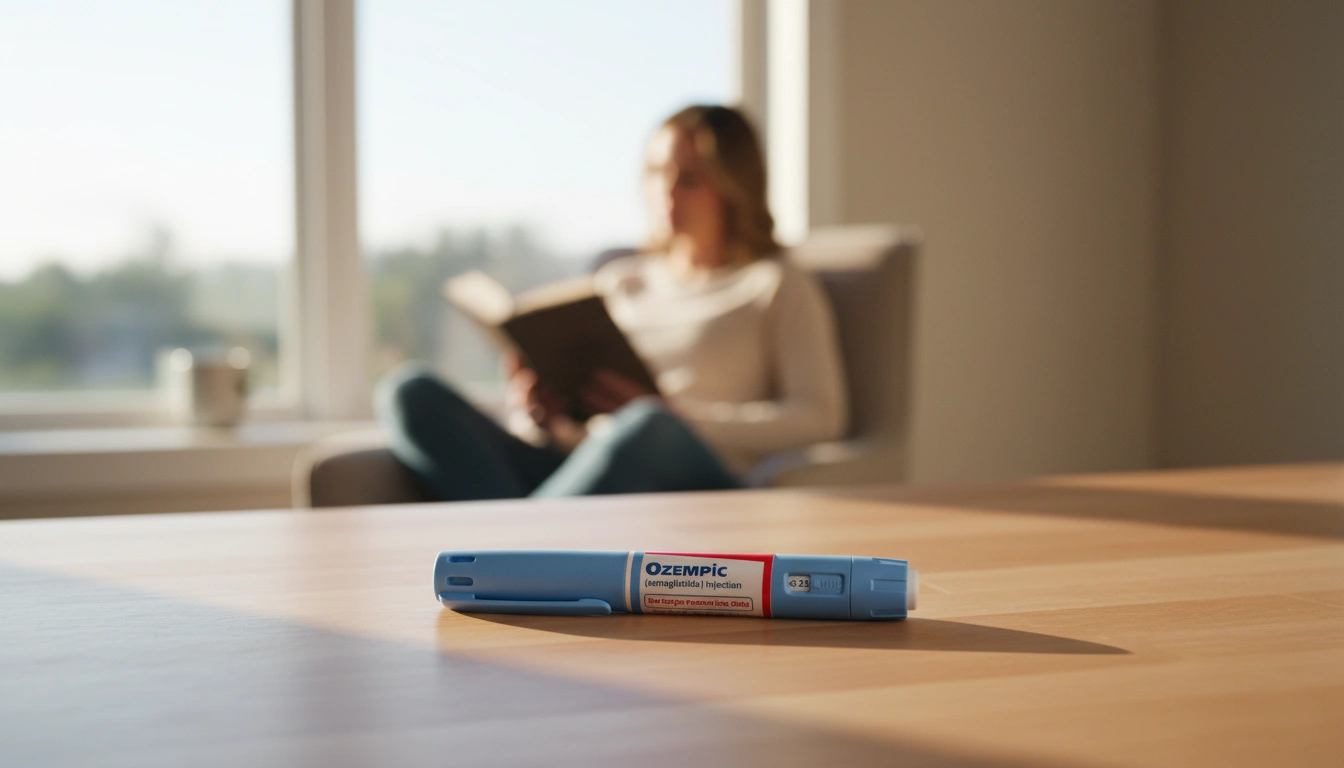
Observing a small purple or blue mark on your skin after a routine weekly injection can be a surprising experience, especially when you are focused on the transformative journey of health and wellness. While these marks—known medically as ecchymosis—can look startling against the skin, they are often a very minor part of a much larger success story. At TrimRx, we believe that every individual deserves to feel confident and informed at every step of their weight loss journey. Whether you are just beginning or are well on your way to reaching your goals, understanding the “why” behind your body’s reactions is essential for a stress-free experience.
The use of GLP-1 receptor agonists like semaglutide has revolutionized the way we approach weight management. However, as with any medical intervention involving a needle, the physical act of administration can sometimes leave a temporary trace. If you have ever wondered, “why did i bruise after my ozempic shot,” you are certainly not alone. While clinical trials show that injection site reactions are relatively uncommon—occurring in a small percentage of users—the real-world experience can vary based on skin sensitivity, technique, and even what you ate or drank earlier in the week.
The purpose of this guide is to provide a comprehensive look at why bruising happens, how you can minimize the risk, and what it means for your overall treatment. We will dive deep into the mechanics of subcutaneous injections, explore the external factors that make skin more prone to marking, and highlight the importance of a personalized approach to care. At TrimRx, our story began with a vision to merge cutting-edge telehealth innovation with compassionate, individualized support. We know that sustainable weight loss is achieved through science and empathy, and that includes addressing even the smallest concerns like a minor bruise.
By the end of this post, you will have a thorough understanding of proper injection techniques, the role of your body’s anatomy in this process, and how our personalized weight loss programs are designed to support you through every challenge. We will also touch upon supportive supplements that can enhance your wellness throughout this transition. Together, we can ensure your path to a healthier lifestyle is as smooth and comfortable as possible.
The Science of Subcutaneous Injections
To understand why a bruise might appear, it is helpful to first look at where the medication is going. Ozempic®, as well as our Compounded Semaglutide, is administered via a subcutaneous injection. This means the needle is intended to reach the fatty tissue layer that sits just beneath the skin and above the muscle.
The Anatomy of the Subcutaneous Layer
The subcutaneous layer is a vital part of our physiology. It acts as an insulator, a shock absorber, and a storage area for energy in the form of fat. This layer is also home to a complex network of tiny blood vessels called capillaries. These capillaries are incredibly thin—some are so narrow that blood cells must travel through them in single file.
When you perform your weekly injection, the needle must pass through the epidermis and dermis to reach this fatty layer. Because the network of capillaries is so dense, it is occasionally possible for the needle to inadvertently nick one of these tiny vessels. When a capillary is punctured, a small amount of blood leaks into the surrounding tissue. Because the skin stays intact, that blood is trapped, resulting in the visible discoloration we recognize as a bruise.
Why Some People Bruise More Than Others
Have you ever noticed that some people seem to get bruises just by bumping into a table, while others never seem to mark? This variability is often due to individual differences in capillary fragility and skin thickness. As we age, our skin naturally becomes thinner, and the protective fatty layer can diminish, making the underlying blood vessels more vulnerable to trauma. Furthermore, genetic factors play a role in how quickly our blood clots and how robust our vessel walls are.
At TrimRx, we recognize these unique biological differences. This is why we emphasize that weight loss is not a one-size-fits-all solution. Every individual who joins our community is encouraged to take our free assessment quiz to ensure their treatment plan is tailored specifically to their needs and physical profile.
Common Reasons for Bruising After an Injection
If you find yourself asking why did i bruise after my ozempic shot, the answer usually lies in the mechanics of the injection itself rather than the medication. While Ozempic® (semaglutide) is FDA-approved for specific uses, the bruising is a physical reaction to the needle.
Incorrect Injection Technique
One of the most frequent causes of bruising is the way the injection is administered. Even with the very fine needles used in modern injection pens, technique matters.
Applying Too Much Pressure
It is a common instinct to want to “make sure” the needle goes in by pressing the pen firmly against the skin. However, pushing too hard can compress the tissue and increase the likelihood of damaging multiple capillaries at once. A gentle touch is usually all that is required for the needle to penetrate effectively.
The Angle of Entry
The goal is to enter the skin at a 90-degree angle. If the needle enters at a shallow or “slanted” angle, it travels a longer distance through the dermal layers before reaching the subcutaneous fat. This increases the surface area of potential trauma, making a bruise more likely.
Moving the Needle While Inserted
If your hand shakes or if you shift the pen while the needle is still under the skin, it can create a small “tearing” motion in the underlying tissue. This mechanical irritation is a primary driver of localized bruising.
Medication and Supplement Interactions
Your internal chemistry also plays a significant role in how your skin reacts to a needle. Certain substances can “thin” the blood or inhibit the ability of platelets to plug tiny holes in blood vessels.
- Over-the-Counter Pain Relievers: Medications like aspirin, ibuprofen, and naproxen are known as NSAIDs. They interfere with blood clotting. If you have taken these recently, you may find that you bruise more easily at the injection site.
- Prescription Anticoagulants: If you are on prescription blood thinners for heart health, bruising is a much more common side effect of any injection.
- Herbal Supplements: High doses of Vitamin E, fish oil (Omega-3s), garlic, and ginkgo biloba can have mild anti-platelet effects.
While these supplements are often beneficial, they can contribute to the frequency of bruising. If you are looking to support your body during weight loss without these specific side effects, you might consider our GLP-1 Daily Support, which is formulated to complement your journey.
How to Prevent Bruising from Your Weekly Shot
Preventing a bruise is often easier than treating one. By refining your routine, you can significantly reduce the chances of seeing those purple marks.
Master the Art of Site Rotation
One of the most important rules for any injectable medication is to never use the exact same spot twice in a row. Repeatedly injecting into the same square inch of skin can lead to a condition called lipohypertrophy, where the fatty tissue becomes hard or lumpy. It also causes chronic irritation to the local blood vessels.
We recommend rotating between the three main approved areas: the abdomen, the front of the thighs, and the back of the upper arms. Within these areas, you should visualize a grid and move your injection site by at least an inch each week.
Temperature Matters
Injecting cold medication can sometimes be more painful and cause more tissue irritation than medication at room temperature. While pens should be stored in the refrigerator according to their specific guidelines, many people find success by letting the pen sit out for about 30 minutes before use. This allows the liquid to reach a more comfortable temperature, reducing the “sting” and potential for localized trauma.
The Six-Second Rule
When using an injection pen, it is crucial to follow the manufacturer’s instructions regarding timing. After the dose button is fully depressed, you should count to six before withdrawing the needle. This ensures that the full volume of the medication has been delivered and allows the pressure in the tissue to stabilize. Removing the needle too quickly can cause a “backflow” effect that might irritate the puncture site further.
Post-Injection Care: Pressure, Not Rubbing
After you withdraw the needle, you might see a tiny drop of blood or clear liquid. It is perfectly fine to apply gentle pressure with a clean cotton ball or gauze for a few seconds. However, do not rub the area. Rubbing or massaging the site can force the medication into areas it isn’t meant to go and can actually break more tiny capillaries, making a bruise larger than it would have been otherwise.
The TrimRx Difference: Personalized Care and Safety
At TrimRx, our commitment goes beyond just providing access to medication. We are dedicated to safe, effective weight loss and individualized care. We understand that seeing a bruise might cause a moment of hesitation, which is why our platform is designed to be a user-friendly and supportive space.
Medically Supervised, Support-Oriented
When you choose a personalized weight loss program through TrimRx, you are choosing a path backed by science and empathy. While we partner with FDA-registered and inspected pharmacies for the fulfillment and shipping of your medications, we ensure that every plan is overseen by qualified professionals who understand the nuances of GLP-1 therapy.
Our approach remains consistent regardless of dosage changes. We believe in transparency—no hidden fees, no complicated tiers. Your service includes the doctor consultation, the medication (whether it is Ozempic®, Wegovy®, or Compounded Tirzepatide), all necessary lab work, and unlimited support. If you have questions about a bruise or a side effect, our team is there to guide you.
Quality and Compliance
Safety is our cornerstone. We exclusively work with pharmacies that are FDA-registered and inspected. It is important to note that while branded medications like Ozempic® and Zepbound® are FDA-approved, compounded medications are prepared by these specialized pharmacies to meet individual needs and are not themselves “FDA-approved” in the same way. However, they are a vital tool for many on their weight loss journey, and we ensure they are held to the highest standards of quality.
Managing a Bruise Once it Appears
If you have already noticed a bruise, there is no need for alarm. Most injection-site bruises are “superficial,” meaning they only affect the top layers of tissue.
The First 24 Hours: Cold Compression
If you notice redness or swelling immediately after an injection, applying a cold compress can help. The cold causes blood vessels to constrict (vasoconstriction), which limits the amount of blood that leaks out and can keep the bruise small. Use a cloth-covered ice pack for 10 to 15 minutes.
After 48 Hours: Gentle Warmth
Once the initial “leakage” has stopped and the bruise has formed, your body begins the process of reabsorbing the trapped blood. At this stage, applying a warm compress can help increase blood flow to the area, which speeds up the removal of the cellular debris and helps the discoloration fade faster.
Nutritional Support for Skin Health
Maintaining the integrity of your skin and blood vessels from the inside out is a long-term strategy. Proper hydration and a diet rich in Vitamin C and Vitamin K can support vascular health. For those looking for an extra edge in their daily routine, our Weight Loss Boost can be a great addition to your wellness regimen, providing support as your body undergoes significant changes.
Beyond Bruising: Understanding Other Side Effects
While we have focused on why did i bruise after my ozempic shot, it is important to place this in the context of other common experiences. Most side effects of semaglutide and tirzepatide are gastrointestinal in nature.
Digestive Adjustments
Nausea, vomiting, and changes in bowel habits are the most frequently reported side effects. These usually occur when a dose is first started or recently increased. They are a sign that the medication is working to slow your gastric emptying, which helps you feel full longer.
To manage these, we often recommend:
- Eating smaller, more frequent meals.
- Avoiding high-fat or greasy foods that can sit heavily in the stomach.
- Staying upright after eating.
The “Ozempic Face” and Skin Changes
You may have heard the term “Ozempic face” in the media. This isn’t a side effect of the medication itself, but rather a result of rapid weight loss. When we lose fat quickly, we lose it from all over the body, including the fat pads in our face that provide volume and a youthful appearance. This can lead to sagging skin or a more “hollowed” look.
At TrimRx, we advocate for sustainable weight loss. We want you to lose weight at a pace that allows your skin to adapt and your body to remain nourished. By combining medical science with modern technology, we help you monitor these changes and adjust your plan as needed.
When Should You Be Concerned?
While a small bruise is typically nothing to worry about, there are certain “red flags” that indicate you should reach out to a healthcare professional.
Large or Spreading Marks
If a bruise is larger than two or three inches in diameter or if it continues to grow significantly several days after the injection, it may indicate a more significant hematoma (a larger collection of blood).
Signs of Infection
A bruise is just discoloration. If the site becomes hot to the touch, starts draining fluid or pus, or if you develop a fever, these are signs of a potential infection rather than a simple bruise.
Systematic Bruising
If you start seeing bruises in areas where you did not inject yourself—such as on your shins, arms, or torso—this could indicate an issue with your blood’s ability to clot. In such cases, it is essential to consult your primary care physician to rule out any underlying conditions.
Severe Pain
A standard injection-site bruise might be slightly tender if you press on it, but it should not cause throbbing or sharp pain that interferes with your daily life.
Navigating Your Journey with TrimRx
Sustainable weight loss is about more than just a number on a scale; it’s about how you feel in your own skin. Whether you are using Compounded Semaglutide, Mounjaro®, or Zepbound®, our goal is to make the process as transparent and supportive as possible.
Taking the First Step
If you are ready to see which of our personalized programs is right for you, we invite you to start your journey by taking our assessment quiz. This simple tool helps us understand your health history, your goals, and any concerns you might have about side effects like bruising.
Quick-Access Wellness
Not everyone is looking for a prescription program immediately. Some may want to boost their current efforts with high-quality supplements. Our GLP-1 Daily Support is designed to provide the essential nutrients your body needs during this transition, while our Weight Loss Boost offers a convenient way to stay energized and focused.
Conclusion
Bruising after an Ozempic® or semaglutide shot is usually a minor, temporary inconvenience—a small mark on the road to a much larger transformation. By understanding the anatomy of your skin, refining your injection technique, and being mindful of how certain medications and supplements affect your body, you can minimize these occurrences and focus on what truly matters: your health and vitality.
At TrimRx, we are more than just a provider of weight loss solutions; we are your partners in health. We believe in merging innovation with empathy to create a space where you feel heard and supported. From the moment you take our free assessment quiz to the day you reach your goal weight, we are here to provide the clinical expertise and compassionate care you deserve.
Don’t let the fear of a small bruise hold you back from the life-changing benefits of personalized weight loss. With the right technique, a supportive community, and a science-backed plan, you can embrace a healthier lifestyle with confidence.
Frequently Asked Questions
1. Is it normal to bruise every time I take my semaglutide shot?
While some people have more fragile capillaries and may bruise more frequently, it is not considered “normal” to have significant bruising with every single dose. If this is happening, it is a good idea to review your injection technique, ensure you are rotating sites properly, and check if you are applying too much pressure with the pen.
2. Does a bruise mean the medication didn’t work?
Not at all. A bruise is simply a sign that a tiny blood vessel was nicked during the injection. The medication is still absorbed into the subcutaneous fatty tissue as intended. As long as you followed the “six-second rule” and saw the dose window return to zero, you can be confident that you received your full dose.
3. Should I skip my next dose if I still have a bruise?
You should not skip your dose, but you should definitely not inject into the bruised area. Choose a completely different site (for example, if your left abdomen is bruised, move to the right side or your thigh) to give the previous site time to heal completely.
4. Can supplements help reduce the appearance of bruises?
While we cannot claim that supplements “cure” bruising, maintaining overall skin and vascular health is beneficial. Supplements like our GLP-1 Daily Support focus on providing a foundation of wellness. Additionally, ensuring you have adequate Vitamin C in your diet can help support the strength of your capillary walls over time.

Transforming Lives, One Step at a Time
Keep reading

How to Get Ozempic or Semaglutide in Miami
Miami’s wellness culture runs deep, and GLP-1 medications have become a significant part of that conversation across the city. From Brickell to Coral Gables…

How to Get Ozempic or Semaglutide in Los Angeles
Los Angeles has no shortage of wellness clinics, concierge medicine practices, and weight loss programs promising access to the latest treatments. Semaglutide is at…
How to Get Ozempic or Semaglutide in Chicago
Chicago residents looking for semaglutide have more options than they might realize, and fewer of those options require setting foot in a clinic than…


