Why Does Compounded Semaglutide Expire?
Introduction
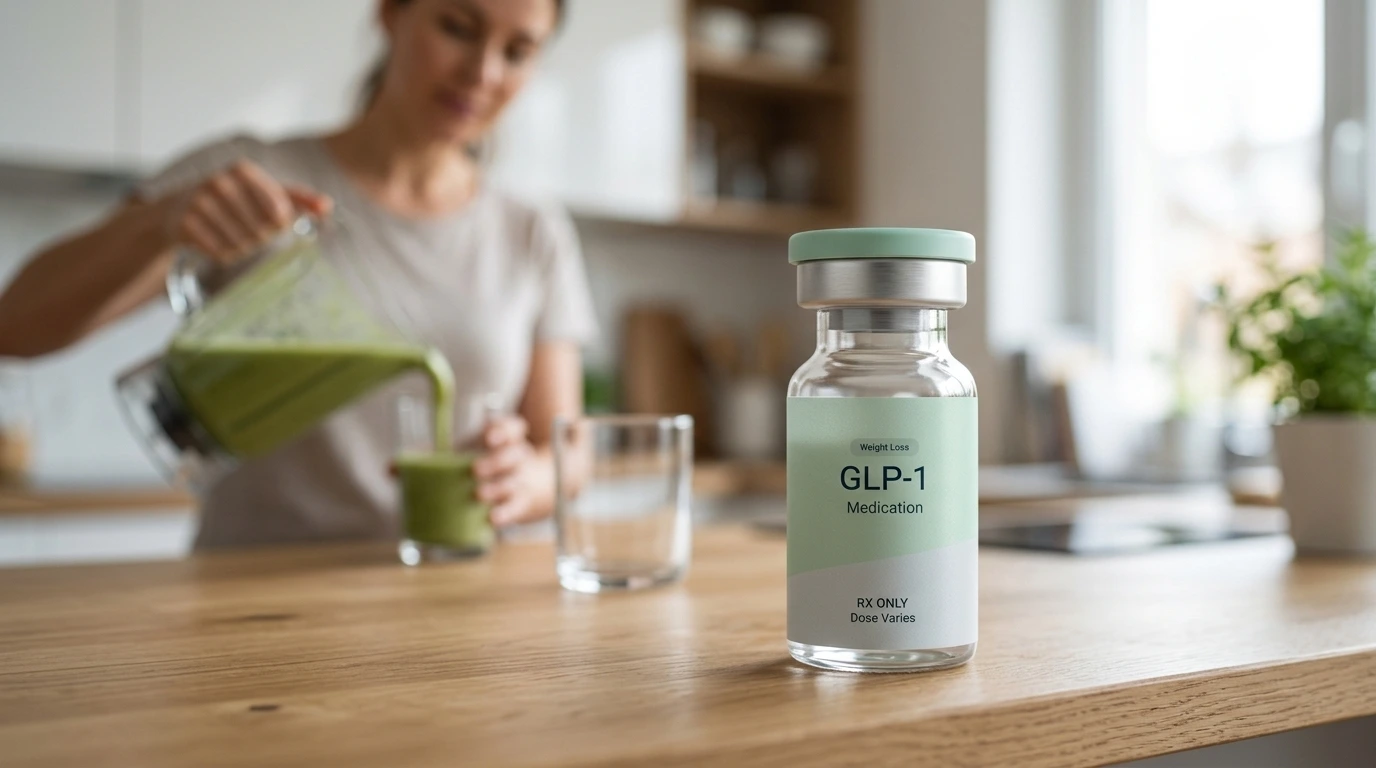
Finding a forgotten vial of medication in the back of the refrigerator can feel like a small victory, especially when you are committed to a weight loss journey. However, when it comes to compounded semaglutide, that “extra” supply requires a careful look at the label. You might wonder why a medication that looks perfectly clear needs to be discarded after a specific date.
At TrimRx, we believe that understanding the science behind your treatment is essential for both your safety and your success. This article explains the biological and chemical reasons why compounded semaglutide has a limited shelf life, how expiration affects your weight loss results, and how to ensure you are always using a potent, safe product. For more guidance, read our overview of compounded semaglutide storage and shelf life. While the desire to save every drop is understandable, the biology of this medication makes the expiration date a critical boundary for your metabolic health.
The Science of Semaglutide as a Peptide
To understand why this medication expires, we first have to look at what it is made of. Semaglutide is a GLP-1 receptor agonist, a type of medication that mimics a hormone naturally produced in your body. Specifically, it is a peptide, which is a short chain of amino acids.
You can think of a peptide as a very specific “key” designed to fit into a “lock” (the GLP-1 receptor) in your brain and gut. When the key fits perfectly, it sends signals to your body to slow down digestion, increase feelings of fullness, and stabilize blood sugar. However, peptides are biologics—fragile, protein-like structures that are highly sensitive to their environment.
Unlike a hard tablet of aspirin that might stay stable for years in a dry bottle, a liquid peptide is in a constant state of transition. Over time, the chemical bonds holding those amino acids together begin to weaken. When those bonds break, the “key” changes shape. Once the shape changes, it can no longer fit into your receptors correctly, making the medication less effective or completely inactive.
If you are considering prescription support, you can complete a free eligibility assessment to learn whether a personalized program may be appropriate for your health profile.
Compounding vs. Branded Medications
It is important to distinguish between how different versions of this medication are handled. Branded medications like Ozempic® and Wegovy® are mass-produced in large-scale manufacturing facilities and often come in pre-filled pens. These products have expiration dates determined by the manufacturer based on long-term stability testing of their specific delivery system.
Compounded semaglutide, on the other hand, is prepared by specialized pharmacies. These pharmacies are FDA-registered and inspected, but the medications they produce are “compounded”—meaning they are mixed or altered to meet the specific needs of a patient or to address a shortage.
Because compounded medications are prepared in smaller batches and often provided in multi-dose vials, they follow different dating rules known as a Beyond-Use Date (BUD). The BUD is not just a suggestion; it is a calculated limit based on the pharmacy’s professional standards to ensure the medication remains sterile and potent from the moment it is created until the final dose is administered. For a closer comparison, see how compounded semaglutide dating differs from Ozempic.
Key Takeaway: Compounded semaglutide is a fragile peptide that loses its “shape” and effectiveness over time. The Beyond-Use Date (BUD) is a strictly calculated safety limit to ensure you are receiving a potent dose.
Why the Beyond-Use Date Matters
The Beyond-Use Date is often shorter than the expiration date you might see on a commercial product. This is due to several factors involving the preparation and the environment.
Loss of Molecular Potency
As mentioned, the primary reason for expiration is the degradation of the peptide itself. Even under perfect conditions, the active molecules in the liquid solution will eventually break down. If you use a vial that is months past its BUD, you may be injecting a solution that only contains 50% or 70% of the intended dose. For an individual who has been successfully managing their appetite on a specific dose, this sudden drop in potency can cause “food noise” to return and stall weight loss progress.
Preservative Breakdown
Most multi-dose vials contain bacteriostatic water, which includes a small amount of preservative (usually benzyl alcohol). These preservatives are designed to prevent the growth of bacteria if a tiny amount of a contaminant enters the vial during use. However, these preservatives have a limited lifespan. Once they begin to break down, they can no longer effectively protect the solution, increasing the risk of a localized infection at the injection site.
The “28-Day Rule”
A common standard in the medical industry is the 28-day rule for opened multi-dose vials. Once a vial is punctured for the first time, a clock starts. Every time a needle enters the rubber stopper, there is a microscopic risk of introducing air or contaminants. Most pharmacies and healthcare providers recommend discarding a vial 28 to 30 days after the first puncture, even if there is medication left inside.
For additional context about what can happen after the dating window passes, read what happens if you use expired compounded semaglutide.
Environmental Factors That Accelerate Expiration
The date on your label assumes the medication is being stored under ideal conditions. If those conditions are compromised, the medication can “expire” or lose its effectiveness much faster than the date indicates. Our guide to semaglutide storage, travel, and handling covers these considerations in greater detail.
- Temperature Fluctuations: Semaglutide must be kept refrigerated, ideally between 36°F and 46°F. If the medication gets too warm (above 86°F), the proteins can “denature” or unfold.
- Freezing: Freezing is just as dangerous as heat. If a vial is pushed to the back of the fridge and accidentally freezes, the ice crystals can physically shred the delicate peptide chains. If your medication has ever frozen and thawed, it should be discarded.
- Light Exposure: Peptides are sensitive to UV light. This is why most compounded medications are shipped in opaque packaging or amber-colored vials. Leaving a vial on a sunny countertop can cause the molecules to break down within hours.
Quick Answer: Compounded semaglutide expires because it is a protein-based peptide that naturally degrades over time. Once the vial is punctured or the “Beyond-Use Date” passes, the medication loses its potency and the risk of bacterial contamination increases.
How Your Personal Program Manages Expiration
At TrimRx, our goal is to eliminate the guesswork involved in medication safety. Our personalized weight loss programs are designed to ensure you receive fresh medication exactly when you need it. By working with our network of licensed providers and FDA-registered compounding pharmacies, we help ensure your treatment plan is synchronized with the shelf life of your medication.
When you participate in a program through us, your supplies are typically sent in quantities that align with your dosing schedule. This minimizes the chance of having “leftover” medication that reaches its expiration date before you can use it. We also provide clear instructions on how to store your medication correctly to preserve every bit of its potency.
If you want to learn whether a personalized prescription program may fit your needs, take the free assessment quiz.
Risks of Using Expired Compounded Semaglutide
It can be tempting to use a vial that is a few weeks past its date, especially if you are concerned about the cost of your treatment. However, there are two primary risks that make this a poor choice for your health.
1. Ineffective Treatment and Weight Regain
Weight loss with GLP-1 medications is highly dependent on consistent dosing. If the medication has lost its potency, your body is essentially going through a “forced” dose reduction. This can lead to:
- Increased hunger and cravings.
- Fluctuations in blood sugar.
- A plateau in weight loss.
- Frustration that might lead you to give up on your goals.
2. Safety and Infection Concerns
Because semaglutide is an injectable medication, sterility is paramount. Using a vial where the preservatives have failed or the solution has been compromised can lead to:
- Redness, swelling, or pain at the injection site.
- Abscesses or localized infections.
- A systemic immune response to “aggregated” proteins (clumped-up pieces of broken peptides).
Note: If you have accidentally used expired medication, do not panic. Monitor the injection site for signs of infection and contact your healthcare provider. Most often, the main consequence is a lack of efficacy, but professional guidance is always recommended.
Visual Signs of Spoiled Medication
While you should always follow the date on the label, you should also perform a visual inspection before every dose. If you notice any of the following, do not use the medication, even if it is not yet expired:
- Cloudiness: The solution should be clear. If it looks milky or “foggy,” the proteins may have broken down.
- Particles: If you see tiny “flakes” or crystals floating in the liquid, the medication is no longer safe to use.
- Color Changes: Any yellowing or discoloration is a sign of chemical degradation.
- Leakage: A compromised seal can lead to contamination and should be reported to your pharmacy immediately.
Step-by-Step: Managing Your Supply
To get the best results from your personalized program, follow these steps:
- Step 1: Check the label immediately. / When your package arrives, locate the Beyond-Use Date (BUD) and write it on your calendar.
- Step 2: Store in the center of the fridge. / Avoid the door (where temperatures fluctuate) and the very back (where it might freeze).
- Step 3: Mark the “First Puncture” date. / Use a small piece of tape on the vial to record the date you first used it.
- Step 4: Inspect before every use. / Hold the vial up to the light to ensure the liquid is clear and free of particles.
- Step 5: Dispose of expired vials safely. / Use a sharps container for needles and follow local guidelines for disposing of the remaining liquid.
If you are ready to discuss whether prescription GLP-1 treatment is appropriate for you, find out if you qualify for a personalized program.
Conclusion
The expiration of compounded semaglutide is a matter of science, not a marketing tactic. Because these medications are delicate biologics, their potency and safety depend on strict timelines and proper storage. Using expired medication can stall your progress, bring back food noise, and introduce unnecessary health risks.
Our mission is to help you achieve sustainable, science-backed weight loss through a transparent and personalized approach. We handle the clinical logistics so you can focus on the lifestyle changes that lead to long-term health. By respecting the expiration dates on your medication, you are respecting the hard work you have put into your journey so far.
If you are ready to start a program where the quality of your medication and the expertise of your support team are prioritized, the first step is simple. We invite you to take the free assessment quiz to see which personalized program may be right for your health profile.
FAQ
Can I use compounded semaglutide if it is one week past the expiration date?
It is not recommended to use any medication past its Beyond-Use Date (BUD) or expiration date. While the medication might not become immediately toxic, its potency cannot be guaranteed, and the risk of bacterial contamination increases significantly once the preservatives begin to break down.
Why is the expiration date for compounded semaglutide shorter than Ozempic®?
Branded medications like Ozempic® undergo extensive long-term stability testing in their specific delivery pens, whereas compounded medications are prepared in smaller batches and often stored in multi-dose vials. The shorter BUD on compounded products reflects the professional standards required to ensure the solution remains sterile and chemically stable without the mass-manufacturing preservatives and packaging of branded versions. For more detail, read why compounded semaglutide may expire faster than Ozempic.
How should I store my semaglutide to make sure it doesn’t expire early?
To maintain the integrity of the medication until its expiration date, keep it in the main body of your refrigerator between 36°F and 46°F. Keep it away from light by storing it in its original packaging, and never allow the medication to freeze or be exposed to temperatures above 86°F.
Does the medication expire 28 days after I open it?
Most healthcare providers and pharmacies follow the USP <797> guidelines, which suggest that multi-dose vials should be discarded 28 to 30 days after the first puncture. Even if the date on the vial’s label is further away, the risk of contamination from repeated needle entries means the medication should be discarded a month after opening.
Disclaimer: This content is for informational purposes only and does not constitute medical advice. It is not intended to diagnose, treat, cure, or prevent any disease or condition. Individual results may vary. Always consult a qualified healthcare professional before starting any weight loss program or medication.

Transforming Lives, One Step at a Time
Keep reading
Semaglutide vs Tirzepatide: Comparing Weight Loss, Blood Sugar, and Side Effects
Semaglutide and Tirzepatide are one of the most common comparisons in medical weight loss. The two medications share a clear family resemblance. Both are…

How Much Weight Can You Lose on Semaglutide?
How much weight can you lose on semaglutide? The answer varies depending on your starting weight, dosage, treatment duration, and individual response to the…

Hair Shedding Months Into Semaglutide
It shows up in the shower drain first, then on the pillow, then in the brush. By the time most people search this, they…


