Why Does My Zepbound Injection Site Itch?
Introduction
Starting a weight loss journey with a medication like Zepbound® is often a moment of hope and excitement. However, that enthusiasm can quickly turn to frustration if you notice a red, itchy patch developing at the site of your last injection. If you have found yourself asking, “Why does my Zepbound injection site itch?” you are certainly not alone. Localized skin irritation is one of the most frequently reported side effects for those using injectable weight loss medications.
At TrimRx, we believe that understanding the “why” behind your body’s reactions is the first step toward a more comfortable and successful experience. While an itchy spot can be annoying, it is usually a manageable side effect that does not require stopping treatment. In this post, we will cover why these reactions happen, how to distinguish a minor irritation from a serious allergy, and practical steps you can take to soothe your skin and prevent future itching. If you are considering prescription support, you can complete a free eligibility assessment.
Understanding Zepbound® and Injection Site Reactions
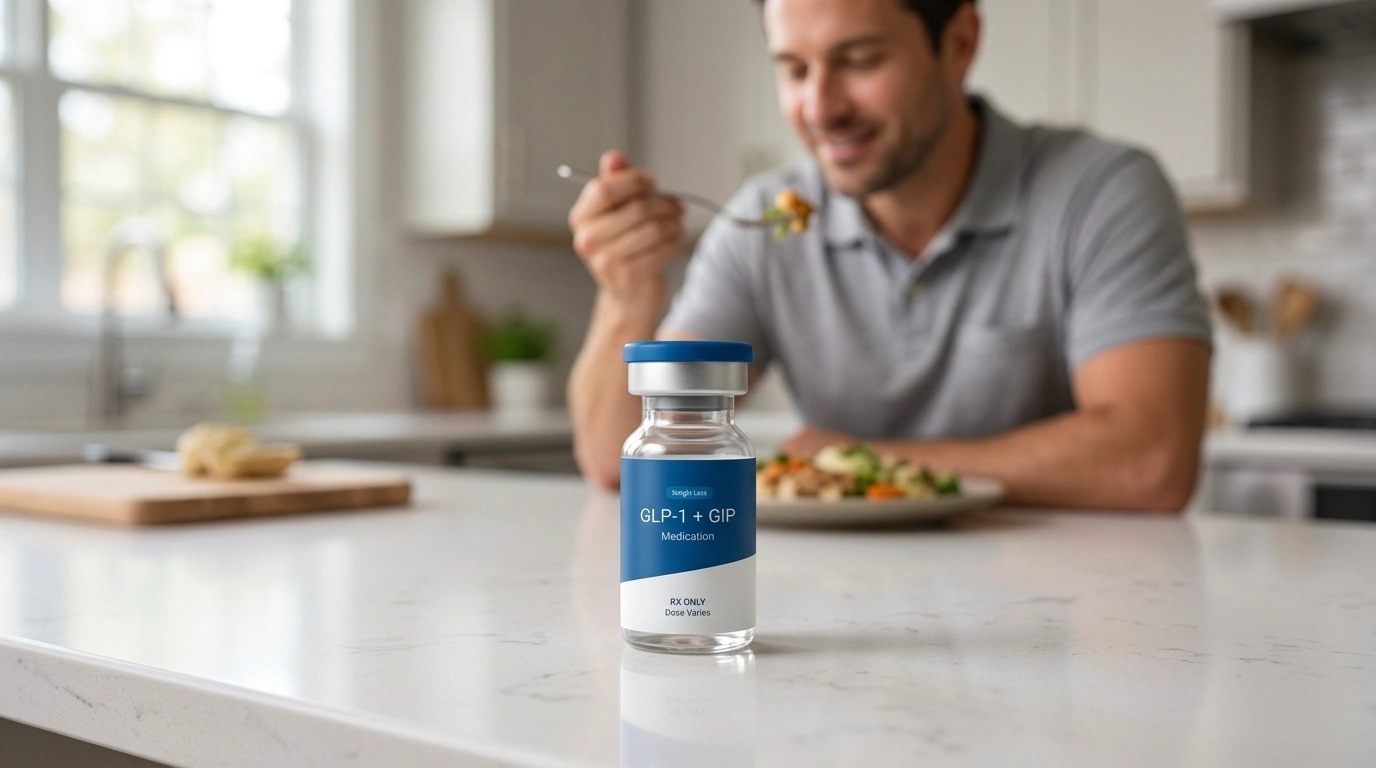
Zepbound® is a brand-name injectable medication containing the active ingredient tirzepatide. Tirzepatide is a dual agonist, meaning it mimics two different hormones in the body: glucagon-like peptide-1 (GLP-1) and glucose-dependent insulinotropic polypeptide (GIP). These hormones work together to regulate appetite, slow stomach emptying, and improve how your body handles blood sugar.
Because this medication is administered via a subcutaneous injection—meaning it is delivered into the fatty tissue just under the skin—the area can sometimes become reactive. This is known as an injection site reaction (ISR). An ISR is essentially a localized immune response. Your body recognizes a foreign substance and a physical puncture, and it responds by sending specialized cells to the area, which can cause redness, swelling, and itching. For a closer look at similar symptoms, read about what a red bump after a tirzepatide injection may mean.
Quick Answer: Itching at the injection site is typically caused by a localized immune response to the medication or the needle. It is often a delayed hypersensitivity reaction where the body releases histamines in the specific area where the liquid was deposited.
Why the Itch Happens: The Biological Mechanism
To understand why the skin itches, we have to look at what happens beneath the surface once you press the injection button.
The Role of Histamines
When you inject Zepbound®, your immune system may perceive the medication or the preservatives in the solution as “foreign.” In response, local mast cells—a type of white blood cell—may release histamines. Histamines are chemicals that help the body get rid of something it thinks is harmful. They cause blood vessels to expand and the skin to become sensitive, which results in the classic “itchy” sensation.
Delayed Hypersensitivity
Interestingly, many people do not feel the itch immediately. It is common for the redness and itching to appear 24 to 72 hours after the dose is administered. This is known as a delayed hypersensitivity reaction. Unlike an immediate allergic reaction, which happens within minutes, a delayed reaction is mediated by T-cells in the immune system. This type of reaction is usually confined to a small circle around the injection point and does not mean you are having a whole-body allergic response.
Sensitivity to Inactive Ingredients
Every injectable medication contains inactive ingredients that help keep the liquid stable and germ-free. Some individuals may be sensitive to these stabilizers or preservatives. While the active tirzepatide is doing the work for weight loss, your skin might be reacting to the “carrier” liquid that holds the medication. You can also review this guide to Zepbound rash causes and what to do.
Identifying Different Types of Reactions
It is important to be able to tell the difference between a normal, expected side effect and something that requires medical intervention.
Normal Injection Site Reactions:
- A small red circle or “hive-like” bump.
- Mild to moderate itching that stays in one spot.
- A slight “bruised” feeling or firmness at the site.
- Symptoms that peak after a couple of days and then fade.
Potential Signs of Concern:
- A rash that spreads far beyond the injection site.
- Hives appearing on other parts of your body.
- Swelling of the face, lips, or tongue.
- Difficulty breathing or a rapid heartbeat.
Key Takeaway: Most itching is a localized “nuisance” side effect. However, if you experience symptoms like hives on your chest or trouble breathing, you should seek emergency medical care immediately, as this could indicate a systemic allergic reaction.
Common Triggers for Itching and Redness
Sometimes, the itch isn’t just about the medication itself, but how the injection was handled. Several external factors can make a reaction more likely.
1. Temperature of the Medication
Zepbound® is typically stored in the refrigerator. Injecting cold liquid into warm body tissue can be shocking to the local nerves and cells. Cold medication is more viscous and can cause more “micro-trauma” to the subcutaneous tissue, leading to increased inflammation and itching.
2. Alcohol Swab Irritation
Standard practice involves cleaning the skin with an alcohol prep pad before injecting. If the alcohol has not completely evaporated before you puncture the skin, the needle can “track” the alcohol deep into the tissue. This can cause a stinging sensation and subsequent itching as the alcohol irritates the internal layers of the skin.
3. Injection Technique and Depth
If the needle does not go deep enough into the fatty layer, the medication may be deposited too close to the surface of the skin (the dermis). The dermis contains more nerve endings and immune cells than the fat layer below it. When medication is “trapped” too shallowly, it is much more likely to cause a visible, itchy wheal. For additional guidance, review how to inject GLP-1 medication step by step.
4. Site Rotation Issues
Injecting into the exact same square inch of skin week after week causes cumulative trauma. The tissue can become “angry” and hypersensitive. This is why healthcare providers emphasize the importance of rotating injection sites every single time you dose. Learn more about where to inject GLP-1 medications and how to choose different areas.
How to Relieve Itching After Your Injection
If you are currently dealing with an itchy spot, there are several ways to calm the skin and reduce the urge to scratch.
Immediate At-Home Remedies
- Cold Compresses: Apply a cool cloth or a cold pack (wrapped in a towel) to the area for 10–15 minutes. This constricts the blood vessels and numbs the nerve endings, providing immediate relief from the itch.
- Avoid Scratching: Scratching creates tiny tears in the skin, which can lead to infection or make the inflammation worse. If the itch is intense, try gently tapping the area instead.
Over-the-Counter Options
- Topical Creams: A small amount of 1% hydrocortisone cream can help reduce inflammation. Alternatively, calamine lotion or anti-itch creams containing pramoxine can soothe the surface.
- Oral Antihistamines: If the reaction is particularly bothersome, an over-the-counter antihistamine like cetirizine or loratadine may help dampen the body’s histamine response.
Note: Before applying any medicated creams or taking new oral medications, please consult with your healthcare provider to ensure they are safe for you.
Strategies to Prevent Future Itching
The best way to handle injection site itching is to prevent it from happening in the first place. You can modify your routine slightly to see if the reaction improves.
The “Room Temperature” Rule
Remove your medication from the refrigerator about 30 minutes before you plan to use it. This allows the liquid to reach room temperature, which makes the injection much smoother and less irritating to the tissue.
Perfecting Your Injection Technique
Step 1: Clean the area with an alcohol swab.
Step 2: Wait at least 30 to 60 seconds for the alcohol to air dry completely. Do not blow on it or fan it with your hand.
Step 3: Ensure you are injecting into a “fleshy” area—the abdomen, outer thigh, or the back of the upper arm.
Step 4: After the injection, do not rub the site. Simply let it be.
Managing Site Rotation
Visualize your abdomen as a clock face. If you injected at “12 o’clock” last week, move to “3 o’clock” this week. You can also switch between your stomach, thighs, and arms. Keeping a simple log or using a calendar to track your sites can prevent you from over-stressing one specific area of skin.
The Role of Personalized Support
Navigating side effects is a normal part of any medical weight loss journey. At TrimRx, we focus on providing a platform where you can access clinical expertise without the stress of a traditional doctor’s office. When you use our telehealth services, you are connected with licensed providers who can help you manage these exact issues.
Our mission is to ensure that your path to metabolic health is sustainable. If a specific medication or delivery method is causing significant discomfort, the providers we work with can help evaluate your technique or discuss alternative options. Whether you are using a branded medication like Zepbound® or a compounded alternative through our partner pharmacies, having 24/7 access to specialist support makes a significant difference in your long-term success. If you are ready to explore whether a personalized program may be appropriate, take the free assessment quiz.
Other Common Side Effects of Tirzepatide
While itching is a localized concern, it is helpful to keep the broader picture of the medication in mind. Most people using tirzepatide experience systemic side effects that are gastrointestinal in nature. For broader context, see this overview of tirzepatide side effects and management strategies.
- Nausea: Usually most common in the first few days after an injection or when increasing the dose.
- Digestion Changes: Some individuals experience constipation, while others may have diarrhea.
- Fatigue: A feeling of tiredness as the body adjusts to changes in calorie intake and metabolic rate.
- Reduced Appetite: This is the intended effect, but it can feel intense during the first few weeks of treatment.
Most of these side effects, including the injection site itching, tend to diminish over time as your body builds a tolerance to the medication. Consistency is key, and many people find that by the third or fourth month, their skin no longer reacts to the shots at all.
Key Takeaway: Side effects are often temporary. By using proper injection techniques and rotating your sites, you can significantly reduce localized irritation while focusing on your weight loss goals.
The TrimRx Approach to Wellness
We believe that weight loss is more than just a number on a scale; it is about how you feel every day. Dealing with an itchy injection site can be a small hurdle, but it shouldn’t stop you from reaching your destination. Our platform is designed to provide the tools, medications, and professional guidance needed to make this journey as smooth as possible.
Through TrimRx, we connect you with a personalized program tailored to your unique health profile. This includes access to medical professionals who can answer your questions about side effects and help you optimize your treatment. We are committed to a transparent, empathetic approach that prioritizes your comfort and health above all else. To begin, see if you qualify for a personalized program.
Conclusion
Itching at the Zepbound® injection site is a common, localized reaction that usually indicates your immune system is simply paying attention to the new medication. In most cases, this “nuisance” side effect can be managed with simple changes like letting the medication warm up, rotating your sites more effectively, or using a cool compress.
Bottom line: While the itch is real, it is rarely a sign of a dangerous allergy. With the right technique and support, you can overcome this minor discomfort and stay focused on your health transformation.
If you are ready to take the next step in your weight management journey with a team that understands the details, we invite you to take our free assessment quiz. This helps our partner providers understand your needs and determine the best personalized path forward for you.
FAQ
Why does my injection site only start itching two days after the shot?
This is a common phenomenon known as a delayed hypersensitivity reaction. It takes time for the T-cells in your immune system to recognize the medication in the subcutaneous tissue and trigger a localized inflammatory response, which results in the delayed appearance of redness and itching.
Can I put a bandage over the injection site if it itches?
Yes, you can use a bandage, but it is often better to leave the area open to the air. If you do use a bandage, ensure it is not too tight, as pressure can sometimes increase the sensation of itching. If the itching is caused by the adhesive of the bandage itself, you may want to switch to a hypoallergenic brand.
Does an itchy injection site mean the medication isn’t working?
No, the itching is a skin-level reaction and does not affect how the medication works inside your body. Tirzepatide will still effectively regulate your appetite and blood sugar regardless of whether the injection site becomes red or itchy.
Should I stop taking the medication if the itching persists?
You should not stop your medication without consulting your healthcare provider first. In most cases, the itching is a minor side effect that can be managed. However, if the itch is accompanied by a body-wide rash, swelling of the face, or difficulty breathing, you should stop use and seek medical help immediately.
Disclaimer: This content is for informational purposes only and does not constitute medical advice. It is not intended to diagnose, treat, cure, or prevent any disease or condition. Individual results may vary. Always consult a qualified healthcare professional before starting any weight loss program or medication.

Transforming Lives, One Step at a Time
Keep reading

Why Is There a Bruise Where I Injected My Zepbound?
A bruise means a small blood vessel was disturbed under the skin and blood spread into the surrounding tissue. It is one of the…

My Zepbound Pen Won’t Click Past a Certain Dose
Start by checking which device you are holding, because the answer depends entirely on that. Zepbound has commonly been supplied in the United States…

Zepbound Alternatives: Your Options Compared
If Zepbound isn’t the right fit, the main alternative is semaglutide (sold as Wegovy), which produces slightly less weight loss but works similarly, along…


