Why Does Zepbound Cause Vomiting
Introduction
Starting a new weight loss journey often brings a mix of excitement and apprehension. For many individuals prescribed Zepbound®, that initial optimism can be met with the physical discomfort of nausea or vomiting. It is a common experience that can feel discouraging, leaving you wondering if your body is reacting poorly to the medication. At TrimRx, we believe that understanding the biological “why” behind these symptoms is the first step toward managing them effectively. This article will explore the specific mechanisms of tirzepatide, the active ingredient in Zepbound®, to explain why digestive upset occurs. We will also discuss how our personalized approach to weight loss can help you navigate these side effects. Understanding how these medications interact with your digestive system and brain can help you stay on track toward your health goals with confidence.
If you are considering whether a personalized prescription program may be right for you, you can complete a free eligibility assessment.
How Tirzepatide Interacts With Your Body
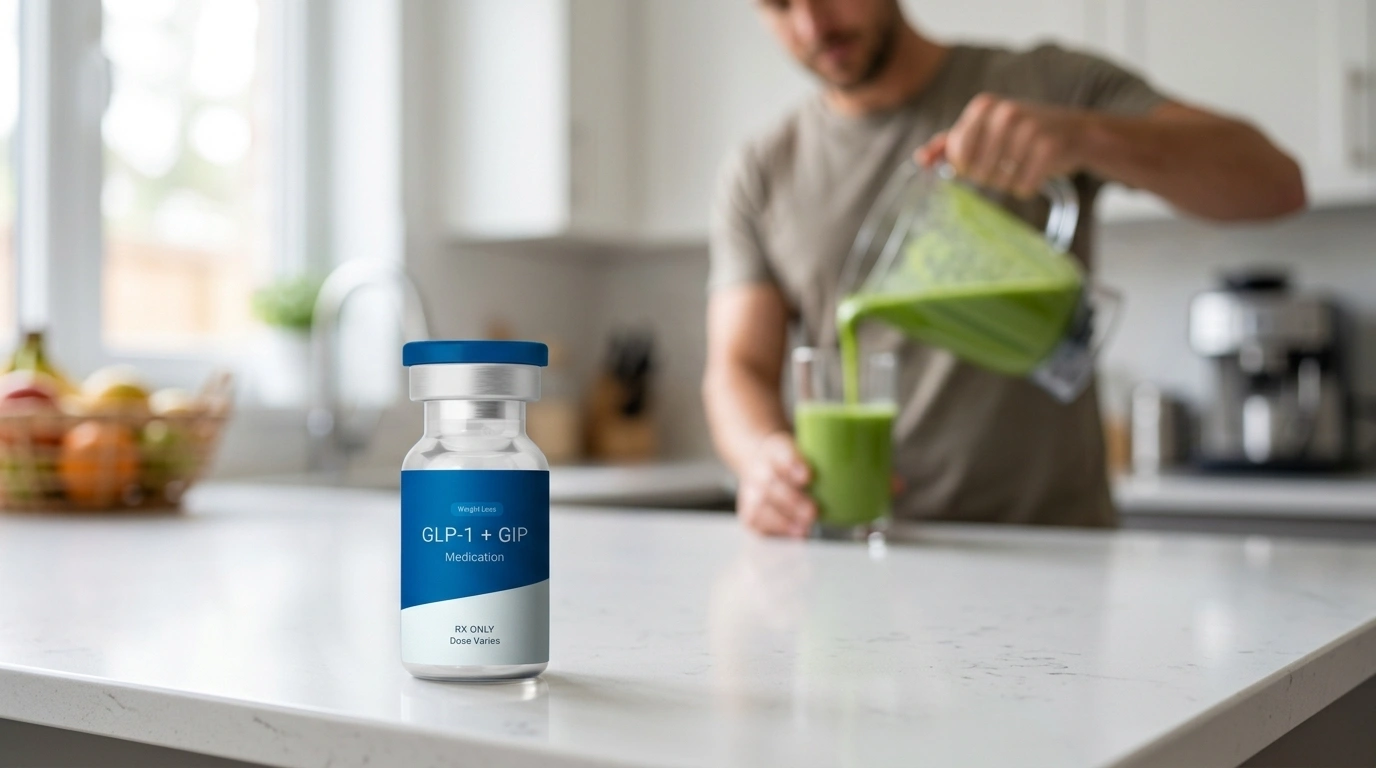
To understand why vomiting occurs, it is essential to first understand what tirzepatide is and how it functions. Tirzepatide is a dual-receptor agonist. This means it mimics two specific hormones naturally produced in the human body: Glucagon-like peptide-1 (GLP-1) and Glucose-dependent insulinotropic polypeptide (GIP).
The GLP-1 hormone is primarily responsible for signaling fullness to the brain and slowing the rate at which the stomach empties. The GIP hormone also plays a role in energy balance and how the body processes fats and sugars. While these dual actions are highly effective for weight management and blood sugar regulation, they significantly alter the normal rhythm of your digestive tract.
When you introduce a medication that mimics these hormones, your body must adapt to new chemical signals. For many people, the initial introduction or an increase in dosage causes the digestive system to “overreact” to these signals, leading to the common side effects of nausea and vomiting.
For more background on the adjustment period, read what to expect with the first dose of tirzepatide.
Key Takeaway: Tirzepatide works by mimicking natural hormones that control hunger and digestion. Vomiting is often a byproduct of the body adjusting to these heightened hormonal signals.
The Role of Delayed Gastric Emptying
The most direct cause of vomiting while taking Zepbound® is a process called delayed gastric emptying. In clinical terms, this is sometimes referred to as slowing the “motility” of the gut.
Under normal circumstances, your stomach processes food and moves it into the small intestine at a steady pace. When tirzepatide activates GLP-1 receptors, it tells the stomach to hold onto food for a longer period. This is a deliberate mechanism designed to help you feel full on less food and to keep you feeling satisfied for hours after a meal.
However, if the stomach remains full for too long, or if you consume a large meal out of habit, the digestive system may become overwhelmed. When the stomach cannot move food forward into the intestines quickly enough, the body’s natural defense mechanism is to move it backward. This results in the sensation of nausea and, eventually, vomiting.
For a deeper explanation of this process, see why tirzepatide causes nausea.
Why food volume matters: Because your stomach is processing food much more slowly, the “volume” of food you could previously handle may now be too much. For an individual who has not yet adjusted their portion sizes, the physical presence of too much food in a slow-moving stomach is a primary trigger for emesis (the clinical term for vomiting).
The Brain and the Nausea Center
Vomiting is not just a “stomach issue”; it is a complex process coordinated by the brain. The brain contains a specific region known as the area postrema, often called the “chemoreceptor trigger zone” or the brain’s nausea center. This area is located outside the blood-brain barrier, which allows it to sense chemicals and hormones circulating in the bloodstream.
Tirzepatide interacts with receptors in this part of the brain. For some individuals, the brain interprets these new hormonal signals as a sign of toxicity or imbalance. In response, the brain triggers the vomiting reflex as a protective measure.
As your body becomes more familiar with the medication over time, the “nausea center” typically becomes less sensitive to the medication. This is why many patients find that their symptoms are most intense during the first few weeks of treatment or immediately following a dosage increase.
You can also review how common Zepbound side effects are to better understand what may occur during treatment.
Common Triggers for Vomiting
While the medication sets the stage for digestive upset, certain external factors can act as triggers. Identifying these can help you reduce the frequency of vomiting episodes.
High-Fat and Greasy Foods
Fatty foods are naturally harder for the body to digest and stay in the stomach longer than proteins or carbohydrates. When combined with the delayed gastric emptying caused by Zepbound®, high-fat meals can create a “backlog” in the stomach. Fried foods, heavy sauces, and high-fat meats are common culprits that lead to post-meal vomiting.
Eating Too Quickly
It takes time for the stomach to signal to the brain that it is full. When you are on a GLP-1 or GIP medication, this communication is even more critical. If you eat rapidly, you may consume far more than your slowed digestive system can handle before the “full” signal registers. By the time you feel stuffed, it is often too late to prevent the discomfort that leads to vomiting.
Large Portion Sizes
The habit of “clearing the plate” can be detrimental when starting tirzepatide. Because the medication significantly reduces the physical space available in the stomach due to slow emptying, traditional portion sizes may physically exceed the stomach’s current capacity.
Dehydration or Lack of Electrolytes
While dehydration itself doesn’t always cause vomiting, it can make the nausea associated with the medication much worse. A lack of proper hydration can slow digestion even further, creating a cycle of discomfort.
For additional guidance, explore this tirzepatide side effects and management guide.
Bottom line: Vomiting is often triggered by a combination of the medication’s effect on the gut and specific dietary habits like eating high-fat foods or large portions.
The Importance of Dosage Titration
One of the most common reasons people experience vomiting is the process of “titration.” This refers to the gradual increase of the medication dose over several months. The goal of titration is to find the lowest effective dose while allowing the body time to build a tolerance to the side effects.
When you move from one dose to a higher one, your body is exposed to a stronger hormonal signal. If the jump in dosage is too significant or if the body hasn’t fully acclimated to the previous dose, vomiting is a common response. This is why clinical protocols generally recommend staying on a starting dose for at least four weeks before considering an increase.
Through the TrimRx platform, we connect you with healthcare providers who understand the nuances of titration. Our programs focus on a personalized pace, ensuring that your transition between doses is as smooth as possible. If side effects become unmanageable, a provider may recommend staying at a current dose for a longer period rather than rushing to a higher one.
If you are ready to discuss whether a supervised program is appropriate for you, take the free assessment quiz.
Practical Strategies to Manage Nausea and Vomiting
If you are experiencing vomiting, there are several practical steps you can take to alleviate the symptoms. These adjustments focus on working with your medication rather than against it.
Modify Your Eating Habits
- Eat smaller, more frequent meals: Instead of three large meals, aim for five or six tiny snacks throughout the day. This prevents the stomach from ever becoming too full.
- Prioritize lean protein: Foods like chicken, fish, and tofu are generally easier to digest than heavy red meats or fried items.
- Chew thoroughly: Breaking food down mechanically in the mouth takes some of the workload off your stomach.
- Stop before you feel full: Learn to listen for the very first signs of satiety. In many cases, if you wait until you feel “full,” you have already eaten too much.
Focus on Hydration
Staying hydrated is vital, especially if you have already vomited, as dehydration can lead to a dangerous cycle of more nausea.
- Sip, don’t gulp: Large amounts of water hitting the stomach at once can trigger the vomiting reflex. Small, frequent sips are better tolerated.
- Use electrolytes: Plain water may not be enough if you are losing fluids. Sugar-free electrolyte drinks or powders can help maintain your mineral balance.
- Avoid carbonation: Bubbles can create gas and bloating, adding pressure to an already slow-moving stomach.
Optimal Timing and Environment
- Avoid lying down after eating: Stay upright for at least two to three hours after your last meal. This allows gravity to assist the downward movement of food.
- Fresh air: Sometimes, physical triggers like strong smells can induce vomiting when you are already feeling nauseous from the medication. Keeping your environment cool and well-ventilated can help.
For more practical suggestions, read what to do for nausea from Zepbound.
Note: If you are unable to keep any liquids down for more than 24 hours, you should contact a healthcare professional immediately to prevent severe dehydration.
When to Contact a Healthcare Provider
While occasional vomiting is a known side effect of Zepbound® and other tirzepatide treatments, it is important to distinguish between “expected” side effects and “concerning” symptoms. You should consult a licensed healthcare provider if you experience any of the following:
- Persistent Vomiting: If you cannot keep food or water down for an extended period.
- Severe Abdominal Pain: Intense pain, especially if it radiates to your back, can be a sign of pancreatitis, a rare but serious condition.
- Signs of Dehydration: These include extreme thirst, dark-colored urine, dizziness, or confusion.
- Gallbladder Issues: Severe pain in the upper right side of your abdomen, often following a meal.
A healthcare provider can offer medical guidance, adjust your dosage, or prescribe anti-nausea medications (such as ginger-based supplements or prescription anti-emetics) to help you through the adjustment phase.
Personalized Weight Loss Support
At TrimRx, we understand that weight loss is not a “one size fits all” journey. The biological response to GLP-1 and GIP medications varies significantly from person to person. This is why a personalized approach is so essential.
When you participate in a program through our platform, you aren’t just receiving a prescription. You are gaining access to a system designed to monitor your progress and side effects. We provide access to licensed providers who can evaluate your health profile and goals to determine the best course of action. Whether that involves using branded medications like Zepbound® or Mounjaro® (which you fill at your local pharmacy) or compounded options, the focus remains on your safety and comfort.
A Note on Compounded Medications: For those who may have difficulty accessing branded medications due to shortages or other factors, we provide access to compounded tirzepatide. It is important to note that compounded tirzepatide is not FDA-approved. However, it is prepared and shipped by FDA-registered, inspected compounding pharmacies. These pharmacies follow strict quality standards to ensure you receive a high-quality product tailored to your needs.
Optimizing Your Results with Supplements
Managing the side effects of weight loss medications often requires a multi-faceted approach. In addition to dietary changes, certain supplements can support your body’s natural pathways and digestive health.
For example, our GLP-1 Daily Support is designed to provide nutrients that may be lacking when your appetite is significantly reduced. Ensuring your body has the right vitamins and minerals can help maintain energy levels and support overall metabolic health during your transition. Similarly, our Weight Loss Boost supplement can complement your program by supporting your body’s natural processes. These quick-access supplements are available for immediate purchase and do not require a medical consultation.
You can explore energy support during weight loss if you are looking for an additional supplement option to complement your routine.
The Path to Long-Term Success
Vomiting can feel like a major setback, but for most people, it is a temporary hurdle. As your body adapts to the dual-agonist effects of tirzepatide, these symptoms usually diminish. The goal of these medications is to provide a tool that makes sustainable lifestyle changes easier to maintain.
By focusing on slow titration, mindful eating, and proper hydration, you can minimize the impact of side effects. Remember that weight loss is a marathon, not a sprint. Taking the time to manage your side effects correctly now will set the foundation for long-term health and success.
At TrimRx, our mission is to help individuals embrace healthier lifestyles through science, empathy, and a transparent, personalized approach to sustainable weight loss. We are here to serve as your knowledgeable guide, helping you navigate the complexities of modern weight loss treatments without the stress of in-person waiting rooms or hidden fees.
Conclusion
Understanding why Zepbound® causes vomiting—primarily through delayed gastric emptying and the brain’s response to hormonal shifts—allows you to take control of your treatment. By adjusting your portion sizes, choosing lean proteins, and staying hydrated, you can significantly reduce the risk of digestive upset. While these side effects can be challenging, they are often a sign that the medication is actively working to change your metabolic signals.
Key Takeaway: Success with GLP-1 and GIP medications depends on a partnership between the medication and your lifestyle choices. Patience and personalized support are your best tools for overcoming initial side effects.
If you are ready to start a medically supervised program that prioritizes your individual health profile, the first step is simple. By completing our free assessment quiz, you can begin the process of connecting with a licensed healthcare provider who can tailor a weight loss plan to your specific needs. Whether you are just beginning or looking for better ways to manage your current treatment, we are dedicated to supporting you every step of the way.
FAQ
How long does the vomiting usually last when starting Zepbound®?
For most people, nausea and vomiting are most frequent during the first few weeks of treatment or after a dosage increase. As your body becomes accustomed to the hormone-mimicking effects of the medication, these symptoms typically subside within a few days to a week after the initial adjustment. If vomiting persists beyond the first few weeks, you should consult your healthcare provider to discuss your dosage.
Can I prevent vomiting by changing the time I take my injection?
While the timing of the injection (morning vs. evening) doesn’t change how the medication works, some people find that taking the injection before bed allows them to “sleep through” the initial wave of nausea. Others prefer taking it on a day when they have a light schedule. The most important factor in preventing vomiting is not the time of the injection, but rather keeping your meals small and low in fat in the 24 hours following your dose.
Is vomiting a sign that the medication is working too well?
Vomiting is a side effect of the medication’s mechanism, specifically how it slows down your stomach and signals your brain. While it indicates the medication is active in your system, it is not a requirement for weight loss. The goal is to achieve a balance where the medication suppresses your appetite without causing physical illness. If you are vomiting frequently, it may mean your dose is too high or your body needs more time to adjust.
What should I eat if I am feeling nauseous on Zepbound®?
If you are struggling with nausea, stick to bland, simple foods that are easy for the stomach to process. The “BRAT” diet (bananas, rice, applesauce, toast) can be helpful for short-term management. Avoid spicy, fried, or highly processed foods, as these stay in the stomach longer and are more likely to trigger vomiting. Once the nausea passes, prioritize lean proteins and hydrating fluids with electrolytes.
Disclaimer: This content is for informational purposes only and does not constitute medical advice. It is not intended to diagnose, treat, cure, or prevent any disease or condition. Individual results may vary. Always consult a qualified healthcare professional before starting any weight loss program or medication.

Transforming Lives, One Step at a Time
Keep reading

Kids’ Birthday Party on Zepbound
If you have young children, birthday parties are a regular part of life: your own child’s, and the steady stream of classmates’ parties most…
Water Aerobics on Zepbound
For people with painful knees, hips, or backs, water aerobics and pool exercise are often the first kind of exercise that feels possible. The…

New Year’s Eve on Zepbound
New Year’s Eve is built around staying up late. There is usually a big dinner or a party spread, drinks through the evening, champagne…


