Why Has My Weight Loss Plateaued? A Biotech Expert’s View
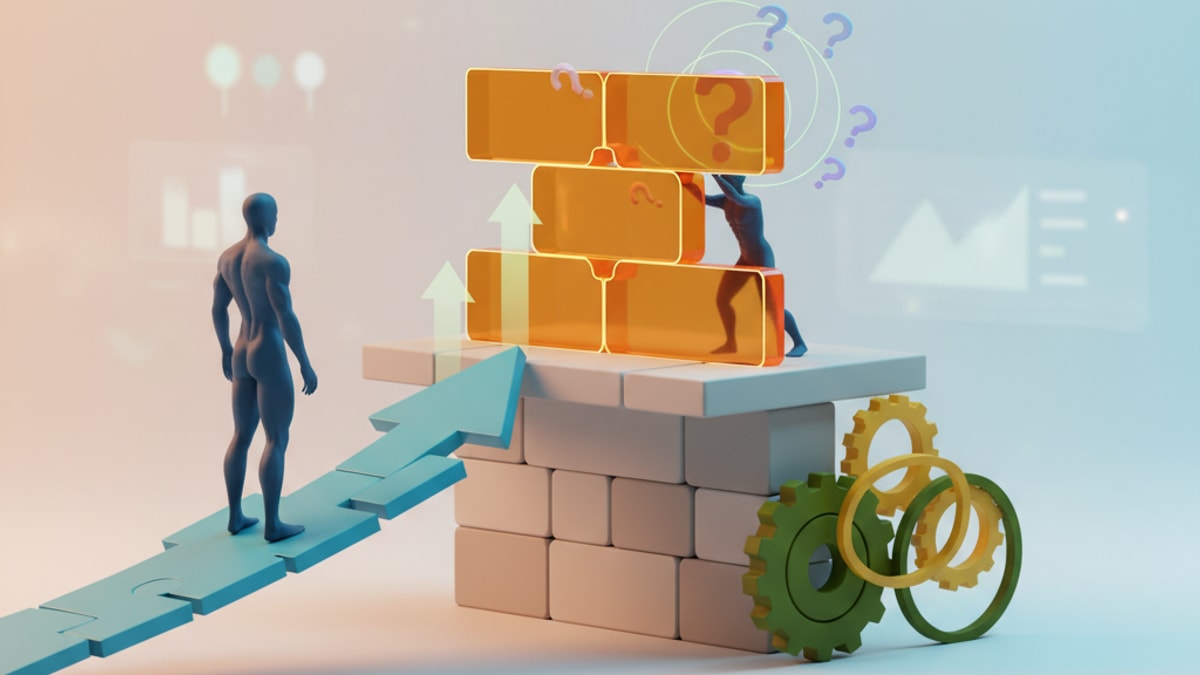
That Sinking Feeling: When the Scale Just Won't Budge
You’ve been diligent. You've tracked your food, you've been consistent with exercise, and you watched the numbers on the scale drop week after week. It felt incredible. The momentum was real. And then… it just stopped. The scale hasn't moved in days, maybe even weeks. The frustration is immense, and that nagging question starts to echo: why has my weight loss plateaued?
Let’s be honest, this is the moment where so many well-intentioned health journeys come to a screeching, demoralizing halt. It’s easy to feel like you’ve failed or that your body is somehow broken. We can’t stress this enough: you haven't failed. Your body isn't broken. It's actually doing exactly what it's designed to do—survive. What you're experiencing is a completely normal, albeit infuriating, biological phenomenon. Here at TrimrX, our entire clinical approach is built on understanding and working with your body's complex systems, not against them. We’ve guided thousands of people through this exact challenge, and we're here to pull back the curtain on what's really going on.
The Real Reason You've Hit a Wall: Metabolic Adaptation
This is the big one. It's the formidable biological force at the heart of nearly every weight loss plateau. Your body is a marvel of efficiency, hardwired over millennia to resist starvation. When you consistently consume fewer calories than you burn, your body doesn't cheer you on. It panics.
It perceives the sustained calorie deficit as a threat and initiates a series of powerful countermeasures to conserve energy. This process is called metabolic adaptation, or adaptive thermogenesis. Your metabolism—the rate at which you burn calories at rest—begins to slow down. The very engine that was burning through fat for you starts to throttle back. Suddenly, the 1,800-calorie-a-day plan that was creating a deficit is now just enough to maintain your current, lower weight. The math has changed, and you're stuck.
This isn't just a minor adjustment. Research has shown that this metabolic slowdown can be significant. Your body becomes a hyper-efficient machine, learning to run on less fuel. It reduces the energy it spends on basic functions, from pumping blood to regulating body temperature. It even subtly reduces your non-exercise activity thermogenesis (NEAT)—the calories you burn from fidgeting, standing, and walking around. You might feel more tired or less inclined to move, and that's your biology pulling the emergency brake. This is a critical, non-negotiable element of the human survival mechanism. But in the context of modern weight loss, it’s a massive roadblock.
Hormones at War: The Hunger Games Inside Your Body
Beyond the metabolic slowdown, a fierce hormonal battle is raging inside you. Two key players in this drama are leptin and ghrelin. Think of leptin as the 'satiety' hormone; it's produced by your fat cells and tells your brain, "We're full, we have enough energy stored." Ghrelin is its opposite, the 'hunger' hormone, secreted by your stomach, screaming, "Feed me!"
As you lose body fat, your leptin levels plummet. This drop sends a powerful signal to your brain that your energy stores are dangerously low. In response, your brain ramps up the production of ghrelin. The result? You feel hungrier, more often. Cravings intensify. Food becomes an obsession. It’s not a lack of willpower; it’s a potent, biologically-driven command to eat more and restore the fat you've lost. Our team has found that this hormonal shift is one of the most difficult psychological hurdles for people to overcome with traditional diet and exercise alone. You're not just fighting a craving for pizza; you're fighting a primal survival instinct.
This is where modern medicine offers a profound advantage. Medically-supervised treatments using GLP-1 receptor agonists, like the Semaglutide and Tirzepatide we use at TrimrX, directly target these hormonal pathways. GLP-1 medications work by mimicking the hormones in your gut that signal fullness to your brain. This helps to quiet the relentless hunger signals, rebalance your body's satiety system, and give you back control. It allows you to navigate a calorie deficit without feeling like you're in a constant state of deprivation. It's about working with your biology, not fighting an unwinnable war against it.
The Sneaky Saboteurs: Unseen Factors Grinding You to a Halt
While metabolic adaptation and hormones are the primary drivers, several other factors can contribute to a stubborn plateau. Often, it's a combination of these things creating a perfect storm of stagnation.
1. The Calorie Creep Phenomenon
When you start a weight loss plan, you’re often meticulous. You weigh every almond, you measure every drop of olive oil. But over time, a little bit of complacency can set in. A 'splash' of creamer becomes a bit more generous. A 'handful' of nuts gets a little bigger. This is what we call 'calorie creep' or 'portion distortion.' These small, almost imperceptible increases can add up to 100-300 extra calories per day. That might not sound like much, but when your metabolism has already adapted to a lower intake, it can be enough to completely erase your calorie deficit and halt progress.
We recommend a 'tracking audit' every few weeks. Go back to basics for three to five days. Weigh and measure everything as precisely as you did at the beginning. You might be shocked to discover where those extra calories have been hiding. It’s not about being obsessive forever; it’s about recalibrating your perception and staying honest with yourself.
2. Your Workouts Aren't Working Anymore
Remember that first month at the gym? You felt sore after every session, and the weight seemed to melt off. But now, that same 30-minute elliptical routine feels easy. You barely break a sweat. That’s because your body has adapted to the physical stress, just as it adapted to the calorie deficit. It has become more efficient at performing those movements, so it burns fewer calories to get the job done.
To break through a fitness-related plateau, you need to introduce a new stimulus. This is known as the principle of progressive overload. It doesn't mean you have to destroy yourself in the gym, but it does mean you need to change things up. This could involve:
- Increasing Intensity: Try high-intensity interval training (HIIT) instead of steady-state cardio.
- Increasing Duration: Add an extra 10-15 minutes to your workout.
- Increasing Resistance: If you're lifting weights, it's time to increase the weight, reps, or sets. Building lean muscle is one of the most effective ways to boost your resting metabolism.
- Changing Modality: If you've only been running, try swimming or cycling. If you've only been doing cardio, incorporate strength training. The novelty itself can be enough to kickstart progress.
3. The Stress Factor: Cortisol's Catastrophic Impact
We live in a world of demanding schedules and high expectations. Chronic stress is rampant, and it has a devastating effect on weight loss. When you're constantly stressed, your body pumps out the hormone cortisol. While essential in short bursts for 'fight or flight' responses, chronically elevated cortisol is a formidable enemy of fat loss.
Cortisol can increase appetite, especially for high-fat, high-sugar 'comfort' foods. It can also encourage the body to store fat, particularly visceral fat around your abdominal organs—the most dangerous kind. Furthermore, it can interfere with sleep, which brings us to our next point.
4. The Unsung Hero: Why Sleep is Non-Negotiable
Sleep is not a luxury; it's a critical, non-negotiable element of metabolic health. Poor sleep does more than just make you groggy. It throws your entire hormonal system into disarray. Just one night of inadequate sleep can cause your ghrelin (hunger hormone) levels to spike and your leptin (satiety hormone) levels to fall. It also increases cortisol and can impair insulin sensitivity, making it harder for your body to process carbohydrates effectively.
Our experience shows that clients who prioritize getting 7-9 hours of quality sleep per night see dramatically better and more consistent results. If you've plateaued, take an unflinching look at your sleep habits. Are you scrolling on your phone in bed? Is your room dark and cool? Fixing your sleep hygiene can sometimes be the single most effective change you make to get the scale moving again.
The Scale Can Lie: Water Weight and Muscle Gain
Sometimes, a plateau isn't a plateau at all. At least, not a fat loss plateau. The number on the scale is a crude measurement; it reflects the total mass of your body, which includes fat, muscle, bone, organs, and water. It can't differentiate between them.
If you've recently started a new strength training program, you might be building lean muscle mass. Muscle is denser than fat, so it's possible to be losing inches and getting leaner while your weight stays the same or even increases slightly. This is a good thing! We recommend using multiple metrics to track progress: body measurements (waist, hips, thighs), how your clothes fit, progress photos, and how you feel. Don't let the scale be your only barometer of success.
Water retention is another major culprit. A high-sodium meal, a tough workout, hormonal fluctuations (especially for women), and even stress can cause your body to hold onto several pounds of water. This can easily mask a week's worth of genuine fat loss, creating the illusion of a plateau. Be patient. Stay consistent with your habits, and the water weight will eventually flush out, revealing the progress you've actually made.
| Common Plateau Culprit | The Underlying Biology | Our Recommended Strategic Solution |
|---|---|---|
| Metabolic Adaptation | Your body slows its resting metabolism to conserve energy in a calorie deficit. | Introduce a 'refeed day' with higher carbs, or consider a 'diet break' for 1-2 weeks to reset hormones. A medically-supervised approach can help manage this adaptation. |
| Hormonal Imbalance | Leptin (satiety) drops and ghrelin (hunger) rises, causing intense cravings and hunger. | Prioritize sleep (7-9 hours), manage stress effectively, and ensure adequate protein intake. GLP-1 treatments can directly help rebalance these hunger signals. |
| Workout Stagnation | Your body becomes efficient at your routine, burning fewer calories for the same amount of work. | Apply progressive overload: increase weight, add intensity (like HIIT), change the type of exercise, or increase the duration of your workouts. |
| Calorie Creep | Small, unconscious increases in portion sizes slowly erase your calorie deficit. | Conduct a 3-day 'tracking audit.' Go back to meticulously weighing and measuring your food to recalibrate your portion awareness. |
| Chronic Stress & Poor Sleep | Elevated cortisol and hormonal disruption from lack of sleep promote fat storage and increase hunger. | Implement stress-management techniques (meditation, walking). Create a strict sleep routine, aiming for a dark, cool, and quiet environment. |
Breaking Through: Advanced Strategies for the Toughest Plateaus
So, you’ve audited your tracking, changed up your workouts, prioritized sleep, and the scale is still stuck. What now? This is where a more sophisticated, science-backed approach becomes essential. It’s the very reason TrimrX exists—to provide solutions when the conventional methods fall short.
For many, the biological forces of metabolic adaptation and hormonal hunger are simply too powerful to overcome with willpower alone. It’s like trying to hold a beach ball underwater; you can do it for a while, but eventually, biology wins. This is not a personal failing.
This is where treatments like GLP-1s come into play. By working on a physiological level to regulate appetite, enhance satiety, and stabilize blood sugar, these medications change the fundamental equation. They help your body work with you, not against you. They quiet the biological 'noise' that makes sustained weight loss so challenging, allowing your consistent efforts with nutrition and exercise to finally deliver the results they should. It’s about giving you the right tool to overcome the specific biological barrier that is your plateau. If you're curious whether this approach is right for you, you can Take Quiz on our website to see if you qualify.
Our clinical team designs personalized programs that consider your unique physiology. We don't just hand you a medication; we provide comprehensive medical supervision to ensure your treatment is effective, safe, and tailored to help you break through your specific plateau and achieve sustainable, long-term results. The goal isn't just to lose weight; it's to reset your body's metabolic patterns for lasting health.
A plateau feels like an ending, but it's really a crossroad. It’s a signal from your body that it’s time for a new strategy. It's an opportunity to look beyond the simplistic 'eat less, move more' mantra and address the complex, powerful biology that's truly in the driver's seat. By understanding these forces and leveraging modern medical science, you can finally move past the frustration and get back on the path to achieving your goals. If you're ready to overcome this hurdle for good, it might be time to Start Your Treatment.
Don't let a plateau be the end of your story. Let it be the moment you decided to get smarter, get the right support, and finally break through. We've seen it work time and time again. Your body has adapted. Now, it's time for your strategy to adapt, too.
Frequently Asked Questions
How long does a weight loss plateau typically last?
▼
A true weight loss plateau can last anywhere from a few weeks to a few months. Our clinical team generally defines a plateau as at least two to three weeks with no change in weight or body measurements despite consistent adherence to your plan.
Is it possible I’m gaining muscle and losing fat at the same time?
▼
Yes, this is called body recomposition, and it’s quite common, especially if you’re new to strength training. This is why we always recommend tracking body measurements and how your clothes fit, not just the number on the scale.
Can eating too few calories cause a weight loss plateau?
▼
Absolutely. A severe and prolonged calorie deficit can trigger a more aggressive metabolic slowdown and increase stress hormones like cortisol. This can effectively halt fat loss as your body enters a state of preservation.
Will a ‘cheat meal’ break my plateau?
▼
A strategically planned higher-calorie meal, often called a ‘refeed,’ can sometimes help. It can temporarily boost leptin levels and metabolism. However, an unplanned, overly indulgent ‘cheat day’ can easily undo a week’s worth of progress.
How do GLP-1 medications like Semaglutide help with a plateau?
▼
GLP-1s work by targeting the hormonal side of the plateau. They enhance feelings of fullness and reduce hunger signals from the brain, making it much easier to maintain a calorie deficit without the intense biological drive to overeat.
Is a weight loss plateau a sign that I’ve reached my ‘natural’ weight?
▼
Not necessarily. While everyone has a general ‘set point’ weight range, a plateau is more often a sign of metabolic adaptation rather than reaching your final healthy weight. It’s a signal that your strategy needs to evolve.
Should I just do more cardio to break a plateau?
▼
While increasing cardio can help, focusing solely on it can sometimes backfire by increasing cortisol and appetite. A balanced approach that includes strength training to build metabolism-boosting muscle is often far more effective.
How much does stress really impact a weight loss plateau?
▼
The impact is significant. Chronic stress elevates cortisol, a hormone that directly encourages abdominal fat storage and can increase cravings for unhealthy foods. Managing stress is a critical, often overlooked, component of breaking a plateau.
Could hidden sugars in ‘healthy’ foods be causing my plateau?
▼
This is a very common issue. Many yogurts, sauces, protein bars, and dressings are loaded with hidden sugars that can add up quickly and stall progress. We recommend always reading the nutrition labels carefully, even on foods marketed as healthy.
Why did my weight go up after a hard workout?
▼
Intense exercise causes micro-tears in your muscle fibers. The body’s natural repair process involves inflammation and water retention, which can cause a temporary, and completely normal, increase on the scale for a day or two.
Is it better to reduce calories or increase exercise to break a plateau?
▼
The best approach often involves a combination of both. A slight reduction in calories combined with a change in your workout routine (like adding intensity or strength training) creates a new stimulus for your body to adapt to.
Can I overcome a plateau without medication?
▼
Yes, many people can break through plateaus by adjusting their diet, exercise, and lifestyle factors like sleep and stress. However, for those with significant metabolic adaptation or hormonal resistance, medical interventions can provide the necessary support to overcome these biological barriers.

Transforming Lives, One Step at a Time
Keep reading

Do You Need a Prescription for GLP-1s? The 2026 Answer
Wondering ‘do you need a prescription for glp 1’ in 2026? Yes. We explain why a doctor’s oversight is critical for safe, effective results.

How to Get GLP-1 Covered By Insurance: Our 2026 Playbook
Struggling with how to get glp-1 covered by insurance? Our 2026 guide breaks down prior authorizations, appeals, and documentation.

Traveling with GLP-1s in 2026: Your Essential Trip-Proof Plan
Don’t let travel disrupt your GLP-1 treatment. Learn how to travel with glp 1 medications safely and stress-free in our 2026 expert guide.


