Why Increase Zepbound Dose: Your Guide to Weight Loss Progress
Introduction
Standing on the scale and seeing the same number for three weeks straight can be a deeply personal frustration. You have followed the protocol, adjusted your lifestyle, and seen initial success, but suddenly the momentum stalls. This is a common point in the weight loss journey where many individuals ask: why increase Zepbound dose? For those utilizing the weight loss platform TrimRx, these transitions are often the most critical part of a long-term strategy. Adjusting the dosage of tirzepatide—the active ingredient in Zepbound®—is not about rushing the process; it is a clinical necessity designed to help your body overcome metabolic hurdles. In this article, we will examine the science behind dosing schedules, the signals that it is time for an increase, and how a personalized approach ensures you reach your health goals safely and effectively. Dosing increases are a strategic tool used by healthcare providers to maintain weight loss momentum while minimizing side effects.
How Tirzepatide Works in the Body
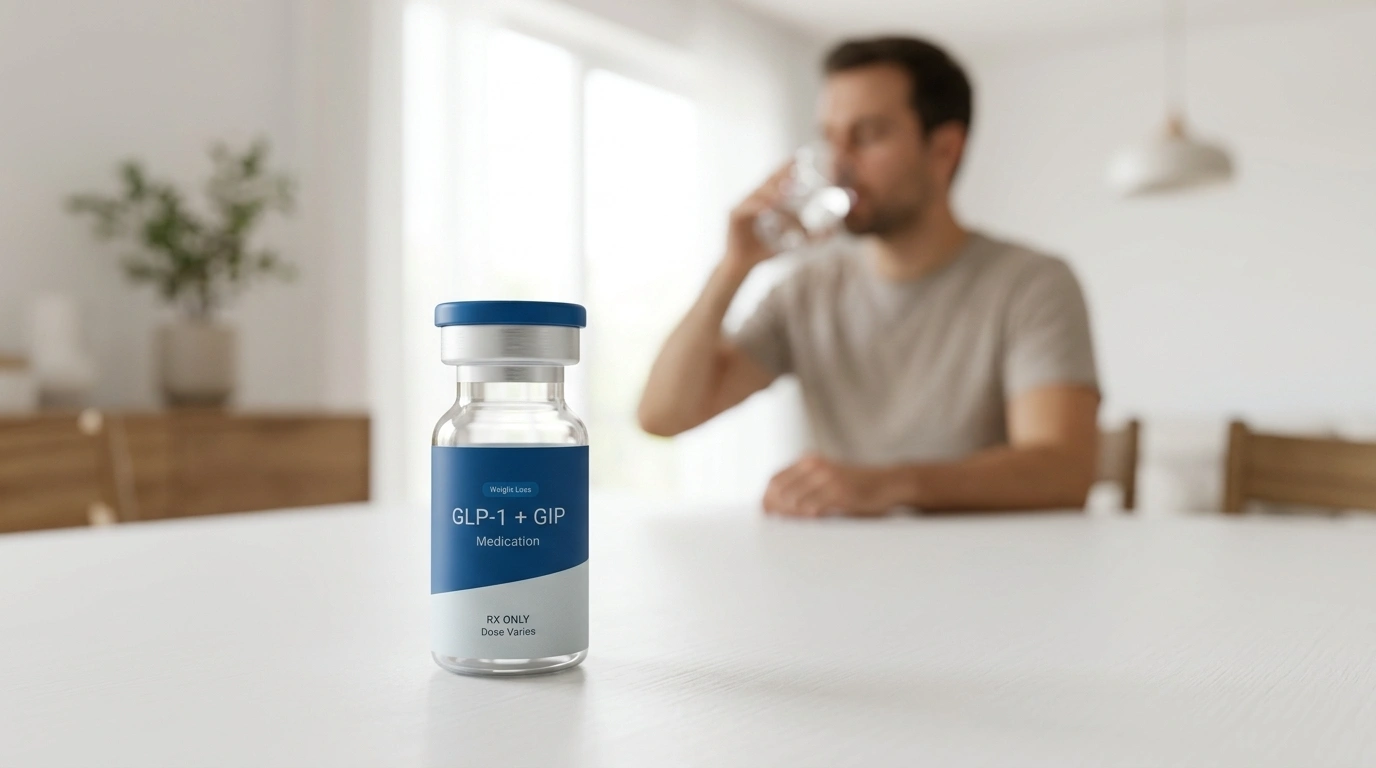
Before discussing why a dose increase is necessary, it is important to understand the medication itself. Tirzepatide is a dual agonist, meaning it targets two different hormone receptors in the body: the glucagon-like peptide-1 (GLP-1) receptor and the glucose-dependent insulinotropic polypeptide (GIP) receptor. For a broader overview, read our guide to how tirzepatide works in the body.
GLP-1 is a hormone naturally produced in your gut that signals the brain when you are full. It also slows down “gastric emptying,” which is the rate at which food leaves your stomach. By keeping food in your stomach longer, you feel satisfied for a greater period after eating. GIP is another hormone that complements this process by improving how your body breaks down sugar and fat. Together, these two mechanisms help regulate blood sugar and reduce the overall amount of energy you consume.
When you first start a medication like tirzepatide, your body needs time to adapt to these hormonal changes. If you were to start at the highest dose immediately, the digestive system would likely experience significant distress. This is why the journey begins with an initiation phase, gradually building up to a therapeutic level.
Key Takeaway: Tirzepatide mimics two natural hormones (GLP-1 and GIP) to slow digestion and signal fullness to the brain, requiring a gradual dose buildup to ensure patient safety and comfort.
The Standard Zepbound Dosing Schedule
The path to a higher dose is usually structured and predictable. Clinical protocols for Zepbound® generally follow a specific titration schedule, which is the process of gradually increasing the amount of medication. Our tirzepatide dose increase guide provides another look at the timing and signals involved.
Typically, an individual starts at a 2.5 mg dose. This is widely considered an “initiation” dose. Its primary purpose is not necessarily to cause rapid weight loss, but to introduce the medication to your system. Most people stay on this 2.5 mg dose for exactly four weeks.
If the medication is tolerated well, the provider may move the individual to 5 mg. From there, increases occur in 2.5 mg increments (7.5 mg, 10 mg, 12.5 mg, and finally 15 mg). Each step usually lasts at least four weeks. This slow climb allows the provider to find the “lowest effective dose”—the amount of medication that provides consistent weight loss with the fewest side effects.
Typical Dosing Milestones
| Dose Level | Purpose | Duration |
|---|---|---|
| 2.5 mg | Initiation and Tolerance | 4 Weeks |
| 5 mg | First Therapeutic Dose | 4+ Weeks |
| 7.5 mg to 12.5 mg | Escalation for Continued Weight Loss | 4+ Weeks each |
| 15 mg | Maximum Maintenance Dose | Indefinite |
Key Reasons to Increase Your Zepbound Dose
While the schedule provides a framework, the decision to move up is often based on how an individual’s body responds. There are several clinical and physiological reasons why a healthcare provider will recommend an increase.
1. Moving from Initiation to Therapy
The most common reason for the first increase is simply the transition out of the “starter” phase. Because 2.5 mg is intended to build tolerance, many people do not see significant weight loss during the first month. Moving to 5 mg is the standard next step to reach a level where the medication can begin working more effectively on metabolic pathways.
2. Overcoming a Weight Loss Plateau
A plateau is generally defined as four consecutive weeks with no weight loss despite following the prescribed program. As you lose weight, your metabolism may slow down as a survival mechanism—a process often called “metabolic adaptation.” An increase in dosage can provide a stronger signal to the brain and gut, helping to overcome this stall and continue the downward trend in weight. For more perspective, read why weight loss can stall on tirzepatide.
3. The Return of “Food Noise”
“Food noise” is a term many people use to describe the constant, intrusive thoughts about eating or cravings for specific foods. One of the primary benefits of tirzepatide is the reduction or elimination of this noise. If an individual finds that these cravings are returning toward the end of their weekly dosing cycle, it may be a sign that their body has adapted to the current dose and requires a higher concentration to maintain satiety.
4. Reaching the Maintenance Target
In clinical trials for Zepbound®, such as the SURMOUNT studies, the most significant weight loss was often observed at the higher doses, specifically 10 mg and 15 mg. If an individual has a significant amount of weight to lose to reach a healthy BMI, the provider may continue to titrate the dose until the patient reaches these higher maintenance levels to maximize the medication’s efficacy.
Bottom line: Dose increases are driven by a mix of standard clinical protocols, the need to overcome weight plateaus, and the management of returning appetite or cravings.
Recognizing the Signs That It Is Time to Move Up
How do you know if you are ready for the next step? It is a balance between effectiveness and tolerance. If you are experiencing no side effects but your weight has stayed the same for a month, you are likely a candidate for an increase. Our guide to recognizing when to increase tirzepatide covers similar signs and timing considerations.
Indicators for a dose increase include:
- You feel hungry shortly after eating a balanced meal.
- The “full” feeling disappears only a few days after your last injection.
- Weight loss has slowed to less than 0.5 pounds per week over a month-long period.
- You are no longer experiencing the digestive side effects that occurred when you first started the current dose.
It is essential to communicate these feelings to your medical team. At TrimRx, we prioritize this feedback loop, as it allows the licensed providers to tailor the program to your specific metabolic response.
When to Stay at Your Current Dose
Increasing the dose is not always the right answer. Sometimes, staying at a lower dose for a longer period is the best strategy for long-term success. More is not always better if the “more” makes it impossible to maintain a healthy lifestyle.
You might stay at your current dose if:
- You are still losing weight: If you are losing 1 to 2 pounds per week on 5 mg, there is no clinical reason to rush to 7.5 mg. Staying at the lowest effective dose minimizes the risk of future side effects.
- You are experiencing significant side effects: If you are struggling with nausea, vomiting, or severe constipation, increasing the dose will likely worsen these symptoms. Providers will usually wait until side effects subside before considering an increase.
- You have reached your goal: Once you reach your target weight, you and your provider may discuss a maintenance dose, which could be lower than your peak dose.
Myth: You must reach the 15 mg dose to see real results. Fact: Many individuals achieve their health goals on middle-tier doses like 7.5 mg or 10 mg. The “right” dose is the one that works for your specific body.
Managing Side Effects During Dosing Transitions
When you do move to a higher dose, your body has to recalibrate. It is common to experience a temporary return of mild side effects during the first week or two of a new dosage level. Common symptoms include nausea, diarrhea, or a change in bowel habits. For a deeper overview, read what to expect from tirzepatide side effects.
To manage these transitions, focus on hydration and protein intake. Drinking plenty of water helps the kidneys and digestive system process the medication. Eating small, frequent meals rather than three large ones can also prevent the stomach from feeling overly full, which often triggers nausea.
Some patients find that taking their injection at a different time of day or in a different injection site, such as the thigh instead of the abdomen, can help mitigate side effects. Always consult your provider before making changes to how you administer your medication. If you are considering prescription treatment, you can complete a free eligibility assessment to begin the review process with a provider.
The Science of Dose-Dependent Weight Loss
The reason healthcare providers look toward higher doses is backed by significant clinical research. In the SURMOUNT-1 clinical trial, participants were divided into groups receiving 5 mg, 10 mg, and 15 mg of tirzepatide.
The results showed a clear “dose-dependent” relationship. Those on the 15 mg dose generally lost a higher percentage of their body weight compared to those on the 5 mg dose. However, the study also showed that even the 5 mg group saw life-changing improvements in metabolic health. This suggests that while higher doses may offer more significant weight reduction, every step of the titration process contributes to the overall goal of better health.
Note: Clinical studies are conducted under strict supervision. In a real-world setting, your provider will balance these trial results with your personal health history and how you feel on the medication.
The Role of Personalized Care in Dosing
Weight loss is not a one-size-fits-all process. Factors such as your starting weight, your activity level, your age, and your underlying metabolic health all play a role in how you respond to tirzepatide. This is why a telehealth-first approach is so valuable.
Through our platform, you have access to licensed providers who look at your progress holistically. We don’t just look at the number on the scale; we look at how you are feeling, your energy levels, and any challenges you face. This personalized oversight is what allows for “precision dosing”—adjusting the medication in a way that fits your life, not just a standard chart.
If you are just starting your journey or are curious if a GLP-1 medication is right for you, take the free assessment quiz as the first step. This helps our partner providers understand your health profile to determine the best starting point for your program.
How to Prepare for Your Next Dose Increase
If you and your provider have decided it is time to move up, there are a few steps you can take to make the transition as smooth as possible:
- Hydrate Early: Increase your water intake 24 hours before your first higher-dose injection.
- Focus on Clean Protein: Prioritize lean proteins like chicken, fish, or tofu to help maintain muscle mass as your weight loss accelerates.
- Track Your Symptoms: Keep a simple log of how you feel for the first three days after the increase. This information is vital for your next consultation.
- Plan Your Meals: Have bland, easy-to-digest foods on hand in case you experience mild nausea during the first 48 hours.
Step 1: Consultation / Discuss your current progress and side effects with your provider to confirm an increase is appropriate.
Step 2: Prescription Update / Your provider will issue an updated prescription for the new dosage level.
Step 3: Pharmacy Processing / The medication is prepared and shipped from an FDA-registered, inspected compounding pharmacy directly to your door.
Step 4: Monitoring / Begin the new dose and report any significant changes or concerns to your support team via the platform.
Safety and Medical Guidance
It is crucial to remember that you should never adjust your dose on your own. Tirzepatide is a powerful medication that affects your endocrine system and metabolic processes. Taking too much too soon can lead to severe dehydration or gastrointestinal distress.
If you miss a dose, or if you have been off the medication for more than two weeks due to travel or illness, do not simply jump back in at your highest dose. Your body may have lost its tolerance for that level of the medication. In these cases, a provider will often recommend “re-titrating,” which means starting back at a lower dose and working your way up again.
Important: If you experience severe abdominal pain, persistent vomiting, or signs of an allergic reaction, seek medical attention immediately. These can be signs of rare but serious complications that require professional evaluation.
Why Quality Matters in Compounded Medications
For many people, accessing branded medications like Zepbound® or Mounjaro® can be difficult due to supply shortages or insurance hurdles. This is why many choose to work with platforms that offer compounded tirzepatide.
Compounded medications are prepared by pharmacists to meet the specific needs of a patient. While compounded tirzepatide is not FDA-approved, it is made using the same active ingredient found in branded versions. At TrimRx, we ensure that all compounded medications are sourced from FDA-registered and inspected compounding pharmacies. This commitment to quality means you can focus on your progress with the peace of mind that your treatment is being handled with clinical rigor.
Conclusion
Increasing your Zepbound dose is a natural and expected part of a successful weight loss journey. Whether you are moving from the initiation phase to a therapeutic level or trying to break through a frustrating plateau, these adjustments are designed to keep your metabolism moving in the right direction. By listening to your body and working closely with the providers through the TrimRx platform, you can navigate these transitions with confidence. Our mission is to provide you with the tools, science, and support needed to achieve sustainable weight loss through a program tailored specifically to you.
If you are ready to take the next step in your health journey, the path forward is simple. You can begin with a free online assessment to see which personalized program is the best fit for your goals.
FAQ
How long should I stay on the 2.5 mg dose of Zepbound?
The standard initiation period for the 2.5 mg dose is four weeks. This timeframe is designed to allow your body to acclimate to the medication and minimize potential gastrointestinal side effects. Most providers will move patients to the 5 mg therapeutic dose after this initial month, provided the medication is being tolerated well.
What should I do if I hit a plateau at my current dose?
If your weight loss has stalled for four weeks or more, it may be time to discuss a dose increase with your healthcare provider. Before moving up, your provider will likely review your daily habits, such as protein intake and physical activity. If those factors are in place and weight loss remains stalled, an increase to the next dosage tier is often the recommended clinical step. You can also review this guide to tirzepatide weight loss plateaus for additional context.
Can I stay on a lower dose if I am already losing weight?
Yes, many providers follow the “lowest effective dose” principle. If you are consistently losing 1 to 2 pounds per week and have manageable side effects, there may be no immediate need to increase your dosage. Staying at a lower dose can reduce the risk of side effects and leave room for future increases if your weight loss slows down later.
Will a higher dose cause more side effects?
It is possible to experience a temporary increase in side effects like nausea or fatigue when you first transition to a higher dose. However, because the titration schedule is gradual, most people find that these symptoms are mild and resolve within a few days. Maintaining proper hydration and eating small, protein-rich meals can help significantly during these transitions. For more information, explore this tirzepatide side effects guide.
Disclaimer: This content is for informational purposes only and does not constitute medical advice. It is not intended to diagnose, treat, cure, or prevent any disease or condition. Individual results may vary. Always consult a qualified healthcare professional before starting any weight loss program or medication.

Transforming Lives, One Step at a Time
Keep reading

Massage on Zepbound: What to Know Before Your Appointment
A massage or a spa day should be relaxing. If you take Zepbound or compounded tirzepatide, a few simple steps make sure it is:…

College Move-In Day on Zepbound
Moving a child into college is one of the bigger days in a parent’s life. It is also physically demanding: a long drive, waiting…

Dental Hygienists on Zepbound
Dental hygiene is close, physical work. You see a patient roughly every hour, spend most of the day leaning over the chair, wear a…


