Why Is Sleep Important for Weight Loss? Our Experts Explain
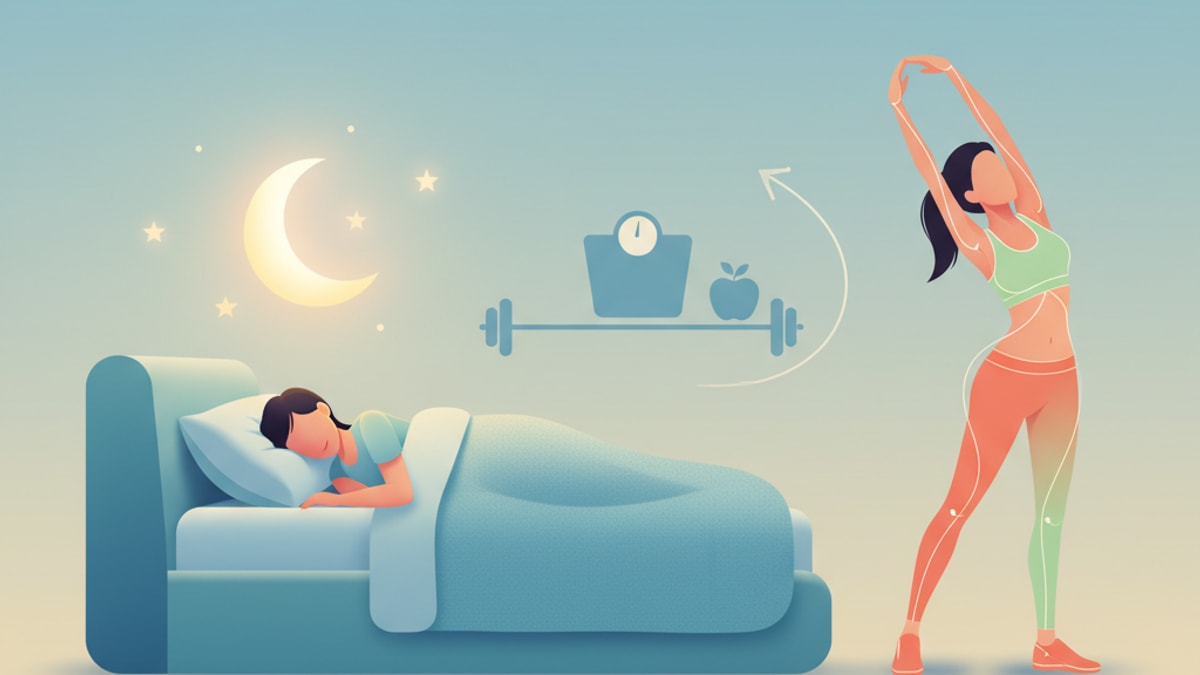
You’re doing everything right. You’ve dialed in your nutrition, you’re hitting the gym consistently, and you’re staying hydrated. Yet, the scale remains stubbornly fixed. It’s a frustrating, all-too-common scenario, and our team has seen it countless times. The culprit is often the one thing most people overlook in their health journey: sleep. It’s not just about feeling rested; it’s a critical, non-negotiable element of your metabolic health. The question isn't just a casual curiosity—understanding why is sleep important for weight loss is fundamental to achieving real, sustainable results.
We get it. In a world of demanding schedules and relentless pressure to be productive, sleep often feels like a luxury—the first thing to be sacrificed. But our experience in medically-supervised weight management shows that treating sleep as an afterthought is one of the biggest roadblocks to success. It’s the hidden variable that can either supercharge your efforts or quietly sabotage them from the inside out. Let’s be blunt: if you’re not prioritizing sleep, you’re fighting your own biology every step of the way. It’s time to change that perspective.
The Hormonal Havoc of Poor Sleep
To truly grasp why sleep is so important for weight loss, we have to talk about hormones. Think of your body as a finely tuned orchestra. When you sleep, the conductor—your brain—is busy coordinating a symphony of hormonal processes that regulate appetite, stress, and metabolism. When you cut that performance short, the music turns into noise. Two of the most important players in this orchestra are ghrelin and leptin.
Ghrelin is often called the 'hunger hormone.' It’s produced in your stomach and sends signals to your brain that it’s time to eat. Leptin is its counterpart, the 'satiety hormone.' Produced by your fat cells, it tells your brain that you're full and have enough energy stored. Under normal, well-rested conditions, these two work in a beautiful, balanced harmony. When you sleep, leptin levels rise, suppressing appetite, while ghrelin levels fall. You wake up feeling balanced.
Now, let's introduce sleep deprivation. Even one night of insufficient sleep can throw this delicate balance into complete disarray. Studies have shown that when you're sleep-deprived, your body produces more ghrelin and less leptin. The result is a formidable double-whammy. You’re not just hungrier; you also don't get the signal that you’re full. You physically feel a more intense, gnawing drive to eat, and the 'off' switch is broken. Our team has found that this isn't a matter of willpower; it’s a powerful biological current that's incredibly difficult to swim against. You’re being chemically programmed to overeat.
This isn't just a minor fluctuation. The shift can be dramatic. People who consistently sleep less than six hours a night often find themselves consuming hundreds of extra calories per day without even realizing it. They reach for that extra snack or a larger portion size because their body is screaming for energy. It's a vicious cycle: you're tired, so you eat for a quick energy boost, which often leads to poor food choices, which can then disrupt your sleep even further. It's a physiological trap.
Cortisol: The Stress Hormone That Sabotages Your Efforts
Another major villain in the sleep-loss saga is cortisol. Known as the primary stress hormone, cortisol has a complicated relationship with your body. In short bursts, it’s essential for survival—the 'fight or flight' response. But when it’s chronically elevated, it becomes catastrophic for weight management. And one of the most reliable ways to spike your cortisol levels is to consistently shortchange yourself on sleep.
When your body is sleep-deprived, it perceives this as a state of stress. As a result, your adrenal glands pump out more cortisol. This has several devastating effects. First, elevated cortisol directly increases your appetite. Worse yet, it specifically triggers cravings for foods that are high in fat, sugar, and salt—the so-called 'comfort foods.' It's a primal response; your brain thinks it's in danger and needs dense, readily available energy to survive. So, that irresistible urge for a donut or a bag of chips after a rough night? That’s cortisol talking, not a lack of discipline.
But wait, it gets worse.
Cortisol also influences where your body stores fat. Chronically high levels encourage the accumulation of visceral fat. This is the dangerous, deep-abdominal fat that wraps around your organs and is strongly linked to metabolic syndrome, type 2 diabetes, and heart disease. So, not only does poor sleep make you want to eat more junk food, but it also tells your body to store the resulting calories in the most harmful way possible. Our clinical team can't stress this enough: managing cortisol by getting adequate sleep is foundational for both weight loss and overall long-term health.
Insulin Resistance: Sleep's Quiet Role in Metabolism
This is where things get even more nuanced. The conversation around weight loss often centers on calories in versus calories out, but the efficiency of your metabolism plays a huge role. A key factor here is insulin sensitivity—how well your cells respond to the hormone insulin, which is responsible for shuttling glucose (sugar) from your bloodstream into your cells for energy.
When you're insulin sensitive, your body handles carbohydrates efficiently. When you become insulin resistant, your cells don't respond as well to insulin's signal. The pancreas has to pump out more and more insulin to get the job done, and your blood sugar levels remain high. This state is a precursor to prediabetes and type 2 diabetes, and it’s a nightmare for weight loss because high insulin levels are a powerful signal for your body to store fat.
Here’s the shocking part: research has shown that just a few consecutive nights of poor sleep can significantly impair insulin sensitivity, sometimes to a degree comparable to that seen in individuals with prediabetes. Your body becomes less effective at processing the sugar you consume. This means that the same meal you ate when you were well-rested might have a much more negative metabolic impact when you’re tired. Your body is more likely to store those calories as fat instead of using them for fuel. This is a critical point we discuss with patients in our programs at TrimrX. While advanced treatments like GLP-1 medications are incredibly effective at improving insulin sensitivity, their impact is maximized when supported by lifestyle factors like restorative sleep. You can’t medicate your way out of a poor sleep routine.
The Brain on No Sleep: Why You Crave Fries, Not Salad
We’ve covered the hormonal chaos. Now let's talk about what happens inside your brain. Your ability to make sound, rational decisions plummets when you’re sleep-deprived. Specifically, two key areas of the brain are affected: the prefrontal cortex and the amygdala.
The prefrontal cortex is your brain's CEO. It’s responsible for executive functions like planning, impulse control, and decision-making. It’s the part of your brain that says, “I should probably have the grilled chicken salad instead of the cheeseburger and fries.” The amygdala, on the other hand, is one of your brain's primitive, emotional reward centers. It’s the part that says, “Cheeseburger! Now!”
When you get a full night's sleep, there’s a strong connection between the prefrontal cortex and the amygdala. The CEO is in charge, keeping the emotional, impulsive drives in check. But when you’re tired, that connection weakens. The prefrontal cortex becomes sluggish and less effective, while the amygdala goes into overdrive. Food, especially highly palatable, high-calorie food, suddenly seems infinitely more rewarding. The rational part of your brain that governs healthy choices is essentially offline.
This is why, after a night of tossing and turning, you find yourself walking past the produce aisle and heading straight for the bakery. It’s not a moral failing. Your brain chemistry has been fundamentally altered, stacking the deck against your best intentions. It’s an uphill battle against your own neurobiology, and it’s one you’re unlikely to win with willpower alone.
The Impact of Sleep on Weight Loss Factors: A Comparison
To make this clear, we've broken down the direct effects of adequate rest versus sleep deprivation on the key biological factors that govern your weight.
| Factor | Optimal Sleep (7-9 Hours) | Sleep Deprivation (<6 Hours) |
|---|---|---|
| Ghrelin (Hunger Hormone) | Levels are suppressed, leading to normal appetite control. | Levels spike, significantly increasing feelings of hunger. |
| Leptin (Satiety Hormone) | Levels are high, signaling fullness and satisfaction. | Levels plummet, impairing the ability to feel full. |
| Cortisol (Stress Hormone) | Follows a natural rhythm, peaking in the morning and lowering at night. | Chronically elevated, promoting fat storage and cravings. |
| Insulin Sensitivity | Cells are highly responsive to insulin, promoting efficient glucose use. | Sensitivity is impaired, leading to higher blood sugar and fat storage. |
| Food Cravings | Cravings are manageable; rational food choices are easier. | Intense cravings for high-fat, high-sugar foods are common. |
| Energy for Exercise | High. You have the physical and mental stamina for workouts. | Low. Motivation is diminished, and physical performance suffers. |
| Muscle Repair & Growth | Human Growth Hormone (HGH) is released, aiding recovery. | HGH release is blunted, hindering muscle repair and metabolic rate. |
Beyond the Scale: How Sleep Boosts Your Workout and Recovery
So far, we’ve focused on how poor sleep undermines weight loss. But let's flip the script. Great sleep actively accelerates it. A huge part of any successful weight loss plan is exercise, which helps build metabolically active muscle mass. But the magic of muscle growth doesn't happen when you're lifting weights; it happens when you're sleeping.
During the deep stages of sleep, your pituitary gland releases a pulse of Human Growth Hormone (HGH). HGH is essential for repairing the microscopic tears in your muscles that occur during exercise, allowing them to rebuild stronger. This process is what builds lean muscle, and lean muscle is your body's metabolic engine. The more you have, the more calories you burn, even at rest.
When you don't get enough deep sleep, you rob your body of this crucial recovery window. HGH secretion is significantly reduced. This means your muscles can't repair themselves effectively, leading to prolonged soreness, a higher risk of injury, and—most importantly for weight loss—less muscle growth. You're putting in the work at the gym but not reaping the full metabolic rewards. On top of that, who has the energy for a challenging workout after a terrible night's sleep? Motivation plummets, and performance suffers. You can’t push as hard or go as long, resulting in a less effective, lower-calorie-burn session. Quality sleep ensures you have both the physical energy to perform and the biological support to recover and build a stronger, more efficient metabolism.
Making It Practical: Our Team's Top Tips for Better Sleep
Knowing why sleep is important for weight loss is one thing; actually getting it is another. We've seen firsthand how modern life conspires against good sleep hygiene. Here are some of the most effective, evidence-based strategies our team recommends to patients looking to improve their sleep and, consequently, their weight loss results.
-
Create a Consistent Schedule: This is the big one. Go to bed and wake up at the same time every day, even on weekends. This helps regulate your body's internal clock, or circadian rhythm, making it easier to fall asleep and wake up naturally.
-
Engineer Your Sleep Environment: Your bedroom should be a sanctuary for sleep. This means making it cool, dark, and quiet. Use blackout curtains, a white noise machine, or earplugs if necessary. We can't stress this enough: remove screens from the bedroom. The blue light emitted from phones, tablets, and TVs disrupts melatonin production, the hormone that signals your body it's time to sleep.
-
Develop a Wind-Down Ritual: You can't go from 100 mph to zero. Create a relaxing routine for the hour before bed. This could include reading a physical book (not on a screen!), taking a warm bath, listening to calming music, or practicing light stretching or meditation. This signals to your brain and body that it's time to transition into sleep mode.
-
Be Smart About Caffeine and Alcohol: Avoid caffeine after 2 p.m. Its stimulating effects can linger in your system for hours. And while alcohol might make you feel drowsy initially, it severely disrupts the quality of your sleep later in the night, particularly the restorative REM and deep sleep stages.
-
Get Morning Sunlight: Exposure to natural light first thing in the morning is a powerful signal for your circadian rhythm. It helps suppress melatonin and reinforces your body's natural wake-up cycle, making it easier to feel sleepy at the appropriate time that evening.
How We Integrate Sleep into a Modern Weight Loss Plan
At TrimrX, we take a comprehensive, science-backed approach to weight loss. We know that powerful medical treatments, like the GLP-1 medications we specialize in, are most effective when they're part of a holistic strategy that addresses the interconnected systems of the body. And sleep is a cornerstone of that strategy.
We see medications like Semaglutide and Tirzepatide as powerful tools to reset your body's metabolic and hormonal baseline. They work wonders for improving insulin sensitivity and regulating appetite signals. But to truly sustain those results, you need to support that new baseline with healthy lifestyle habits. That’s where sleep comes in. By optimizing your sleep, you're creating the ideal internal environment for these treatments to work their magic. You're ensuring your cortisol levels are managed, your hunger hormones are balanced, and your brain is primed to make healthy choices.
Our approach isn't just about prescribing a medication; it's about providing a framework for lasting success. When you work with us, we consider all the factors contributing to your weight, including your sleep patterns. We help you understand how to leverage sleep to enhance your results, break through plateaus, and build a foundation for long-term health. If you're ready to stop fighting your biology and start working with it, we're here to help. You can see if you're a candidate when you Take Quiz on our site.
It’s time to stop viewing sleep as a passive activity or a waste of time. It is an active, powerful, and absolutely essential process for anyone serious about losing weight and reclaiming their health. It's the silent partner to your diet and exercise efforts, and ignoring it is like trying to build a house on an unstable foundation. Prioritize your rest, and you'll find that every other aspect of your weight loss journey becomes just a little bit easier. It's the strategic advantage you've been missing. When you're ready to build a complete plan, you can Start Your Treatment with our team. We've seen it work.
Frequently Asked Questions
How many hours of sleep are really needed for weight loss?
▼
While individual needs vary slightly, our team recommends aiming for a consistent 7-9 hours of quality sleep per night. Consistently getting less than 7 hours can trigger the negative hormonal and metabolic changes that hinder weight loss.
Can I just ‘catch up’ on sleep on the weekends?
▼
Unfortunately, you can’t fully erase the metabolic damage of weekday sleep deprivation by sleeping in on weekends. While it may help you feel more rested, it doesn’t completely reverse the impaired insulin sensitivity and hormonal imbalances. Consistency is far more effective.
Does poor sleep directly cause belly fat?
▼
Yes, there’s a strong link. Sleep deprivation increases cortisol, a stress hormone that specifically promotes the storage of visceral fat, which is the dangerous fat around your abdominal organs. This makes managing belly fat particularly difficult without adequate sleep.
Will sleeping more help me lose weight without changing my diet?
▼
Sleeping more is a powerful facilitator, but it isn’t a magic bullet. Improving your sleep will naturally help regulate your appetite and reduce cravings, making it much easier to stick to a healthy diet. It works best as part of a comprehensive strategy that also includes nutrition and activity.
How does sleep affect GLP-1 medications like Semaglutide?
▼
GLP-1 medications work by improving insulin sensitivity and regulating appetite. Since poor sleep undermines both of these things, getting adequate rest creates the ideal biological environment for these medications to be as effective as possible. It’s a synergistic relationship.
Why do I feel so much hungrier when I’m tired?
▼
It’s a direct hormonal response. When you’re sleep-deprived, your body produces more ghrelin (the ‘go’ hormone for hunger) and less leptin (the ‘stop’ hormone for fullness). Your body is chemically signaling you to eat more and telling you you’re not full.
Can a sleeping aid or supplement help with weight loss?
▼
While some aids can help you fall asleep, they don’t always promote the natural, restorative sleep architecture needed for optimal hormonal regulation. We recommend focusing on improving your sleep hygiene first, as this leads to truly restorative sleep. Always consult a physician before starting any new supplement.
What is the best time to go to bed for weight loss?
▼
The best time is whatever allows you to get 7-9 hours of consistent sleep and aligns with your body’s natural circadian rhythm. For most people, this means being asleep during the core night hours, typically between 10 p.m. and 7 a.m., but consistency is the most important factor.
Does napping help or hurt weight loss efforts?
▼
Short naps (20-30 minutes) can be beneficial for alertness and may help reduce cortisol without interfering with nighttime sleep. However, long or late-afternoon naps can disrupt your sleep schedule. They can be a helpful tool, but they aren’t a substitute for a full night of restorative sleep.
How quickly does improving sleep start to impact weight loss?
▼
You can notice changes in appetite, cravings, and energy levels within just a few days of improving your sleep consistency. While the impact on the scale will take longer and depends on other factors, the positive biological shifts that support weight loss begin almost immediately.
Is it just about the quantity or also the quality of sleep?
▼
Quality is just as important, if not more so. Fragmented or disrupted sleep, even if it totals 8 hours, won’t allow you to cycle through the deep, restorative sleep stages where crucial hormonal regulation occurs. A dark, quiet, and cool environment is key to improving sleep quality.
What if I have a diagnosed sleep disorder like sleep apnea?
▼
If you have a condition like sleep apnea, it’s critical to seek treatment from a medical professional. Untreated sleep apnea severely disrupts sleep quality and can have a profound negative impact on your metabolism and weight. Treating it is a crucial step in your health journey.

Transforming Lives, One Step at a Time
Keep reading

Do You Need a Prescription for GLP-1s? The 2026 Answer
Wondering ‘do you need a prescription for glp 1’ in 2026? Yes. We explain why a doctor’s oversight is critical for safe, effective results.

How to Get GLP-1 Covered By Insurance: Our 2026 Playbook
Struggling with how to get glp-1 covered by insurance? Our 2026 guide breaks down prior authorizations, appeals, and documentation.

Traveling with GLP-1s in 2026: Your Essential Trip-Proof Plan
Don’t let travel disrupt your GLP-1 treatment. Learn how to travel with glp 1 medications safely and stress-free in our 2026 expert guide.


