Why Ozempic Might Not Be Working: Navigating Your Weight Loss Journey
Introduction
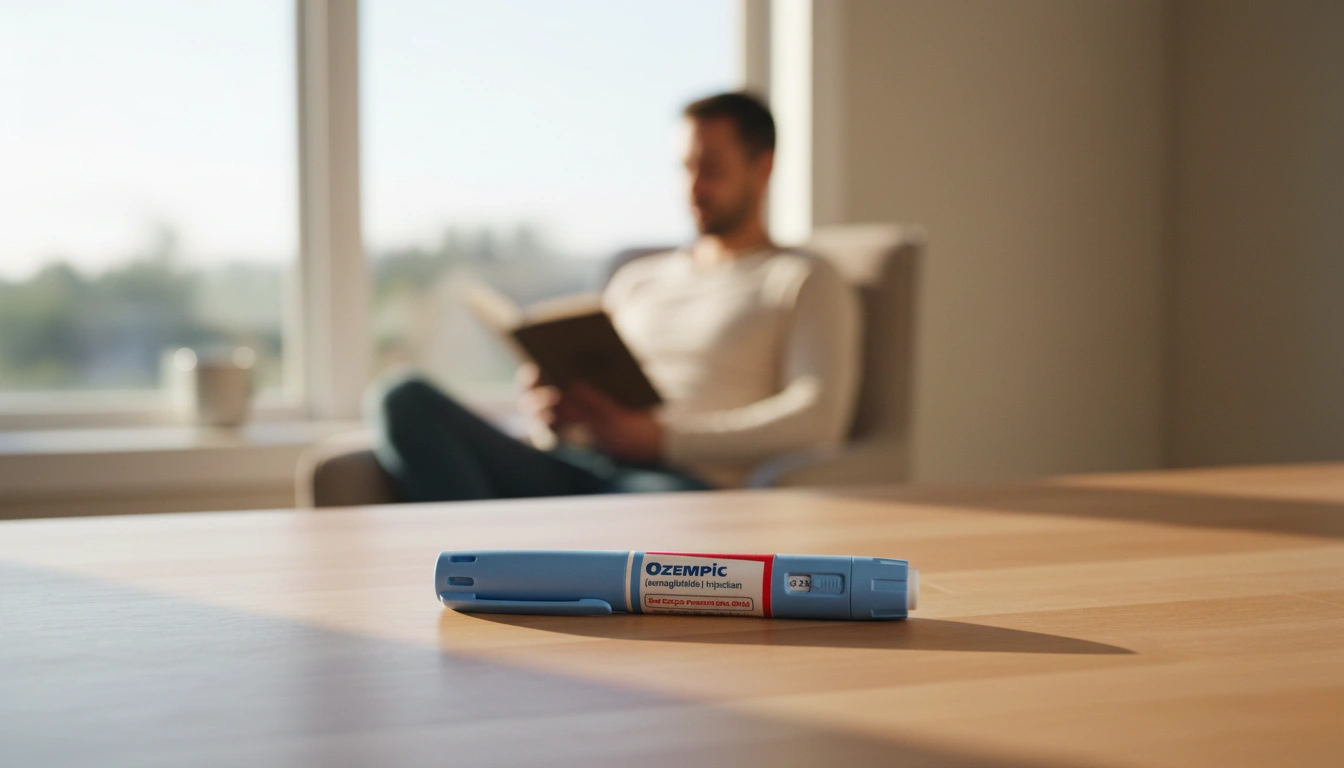
It’s a common, often disheartening experience: you’ve started a new weight loss medication, perhaps Ozempic, with hopes of significant progress, only to find the scales barely budging or your momentum stalling. This can be incredibly frustrating, leaving many to wonder, “Why is my Ozempic not working as expected?” The journey to sustainable weight loss is rarely a straight line, and encountering periods of slow or absent progress, even with the aid of powerful medications, is a reality many individuals face. Understanding these dynamics is crucial for maintaining motivation and making informed decisions about your health path.
For many, the introduction of GLP-1 receptor agonists like Ozempic has been a game-changer, offering a new avenue for weight management by influencing appetite, satiety, and blood sugar regulation. These medications, originally developed for type 2 diabetes, have shown remarkable potential in supporting weight loss. However, their effectiveness isn’t universal, and individual responses can vary significantly. This isn’t a sign of failure, but rather an indication that a multifaceted approach to weight loss is often required, one that considers the intricate interplay of biology, lifestyle, and personalized care.
At TrimRx, our journey began with a shared vision to help individuals embrace healthier lifestyles by merging cutting-edge telehealth innovations with effective weight loss solutions. We understand that effective weight loss is a deeply personal endeavor, deserving of compassionate care that respects every individual’s unique journey. We believe that sustainable weight loss should be achieved through science, empathy, and a transparent approach, providing a user-friendly and supportive space where personalized, medically supervised care is designed to make sustainable weight loss attainable and tailored to the individual.
This post will delve into the various reasons why an individual might not be seeing the anticipated weight loss results with Ozempic or similar GLP-1 medications. We will explore the nuances of metabolic adaptation, the critical role of lifestyle adjustments, the impact of medication adherence and dosage, and the influence of underlying health conditions. Our aim is to empower you with knowledge and practical strategies to understand and overcome these challenges. By the end, you will gain a deeper insight into your weight loss journey and discover how our commitment to personalized care and transparent service at TrimRx can support you every step of the way, helping you unlock your full potential for lasting health.
Understanding GLP-1 Medications and Their Mechanism
Before we dive into potential challenges, let’s briefly revisit what GLP-1 medications are and how they generally work. Ozempic, for instance, contains semaglutide, which is a glucagon-like peptide-1 (GLP-1) receptor agonist. It mimics the natural hormone GLP-1, which your gut releases after you eat. This hormone plays several crucial roles in your body, primarily helping to regulate blood sugar levels.
The core mechanisms through which GLP-1s like Ozempic contribute to weight management include:
- Slowing Gastric Emptying: These medications slow down how quickly food leaves your stomach. This means you feel fuller for longer periods, which can naturally lead to reduced food intake.
- Increasing Satiety: By signaling to your brain, GLP-1s help enhance feelings of fullness and reduce appetite, often diminishing “food noise” – the intrusive thoughts that can lead to eating when not truly hungry.
- Insulin Regulation: For individuals with type 2 diabetes, GLP-1s stimulate insulin release when blood sugar is high and inhibit glucagon secretion, further aiding blood sugar control.
While these effects are powerful, it’s important to remember that GLP-1 medications are tools, not magic bullets. Clinical trials have demonstrated significant weight loss, with some studies showing participants losing an average of 15% of their body weight over 68 weeks with semaglutide. However, these results are averages, and individual experiences vary, underscoring the personalized nature of weight loss. Understanding these mechanisms helps us appreciate both the potential and the complexities involved when progress isn’t as expected.
The Individual Response Factor: Why Everyone Is Unique
One of the most profound truths in medicine and weight management is that every individual’s body responds differently. While Ozempic and other GLP-1 medications are highly effective for many, approximately 15% of people may not experience clinically relevant weight loss. This variability is a key reason why your Ozempic might not be working as you anticipated.
Genetic and Metabolic Influences
Your unique genetic makeup plays a significant role in how your body metabolizes medications and responds to various weight loss interventions. Some individuals are simply genetically predisposed to respond more or less strongly to GLP-1 agonists. This isn’t a reflection of effort but rather an intricate biological reality.
Furthermore, your metabolic rate – the speed at which your body naturally converts food into fuel – is a critical factor. People with a naturally slower metabolism might experience slower initial weight loss or hit plateaus more quickly. As you lose weight, your body’s metabolism can also naturally adapt and slow down, a phenomenon we’ll explore further.
Your current overall health, including any pre-existing metabolic conditions like insulin resistance, can also influence your response. For individuals with type 2 diabetes, for instance, the body’s ability to respond to GLP-1 and stimulate insulin secretion might be reduced compared to those without diabetes. This “pre-established metabolic disease” can make the journey more challenging, requiring a more nuanced approach.
The Role of Dosage and Titration
GLP-1 medications like Ozempic are typically started at a low dose and gradually increased over several weeks or months. This process, known as titration, is essential for minimizing side effects and allowing your body to adjust safely. If you’re early in your treatment, you might not yet be at the therapeutic dose where the most significant weight loss occurs.
Many people experience their most rapid weight loss within the first three to six months of reaching higher doses. If you’re still on a lower dose, it’s possible that you simply need more time or a dosage adjustment to see the desired effects. Our comprehensive service at TrimRx includes doctor consultations and ongoing support, allowing for careful monitoring and titration to help you reach your optimal dosage. We understand that patience is key, and our approach remains consistent regardless of dosage changes, ensuring you receive transparent service every step of the way.
To explore how a personalized treatment plan, including potential prescription medications like Ozempic, might be tailored for you, we encourage you to take our free assessment quiz. This helps determine your eligibility and guide you toward a path that’s right for your unique needs.
Beyond the Medication: Crucial Lifestyle Pillars
While GLP-1 medications are powerful tools, they are most effective when integrated into a holistic lifestyle approach. Ozempic isn’t a standalone solution; it amplifies the benefits of healthy eating, regular physical activity, and positive behavioral changes. If you’re finding that your Ozempic is not working as expected, it’s vital to assess these foundational pillars of health.
Nutritional Foundations: Fueling Your Progress
What you eat, and how you eat, profoundly impacts your weight loss journey. Many clinical trials for GLP-1 medications incorporate lifestyle interventions for all participants, highlighting their non-negotiable importance.
Optimizing Macronutrients: Protein and Fiber
If you’re not seeing results, consider your intake of protein and fiber. These macronutrients are champions for weight loss because they promote satiety, helping you feel fuller and more satisfied for longer. This naturally reduces overall caloric intake.
- Protein: Aim for adequate protein intake, roughly 1.2-1.6 grams per kilogram of body weight per day for most adults actively trying to lose weight. Good sources include lean meats, fish, poultry, eggs, dairy products (like Greek yogurt), soy-based foods, beans, lentils, nuts, and nut butters. Prioritizing protein can help preserve muscle mass while you lose fat, which is crucial for maintaining a healthy metabolism.
- Fiber: Experts recommend 25 grams of fiber daily for women and 38 grams for men (slightly less after age 50). Fiber-rich foods include fruits (especially with the peel), vegetables, beans, legumes, nuts, seeds (in moderation), and whole grains.
Adjusting your diet to prioritize these elements can significantly enhance the effectiveness of your medication. Consider whether you are consuming enough of these essential nutrients. For additional support, our GLP-1 Daily Support supplement is designed to complement your efforts, providing key nutrients to support overall wellness during your weight loss journey.
Mindful Eating and Caloric Awareness
Beyond nutrient composition, how you approach eating matters. Are you practicing mindful eating – savoring your food, eating without distractions, and stopping when comfortably full? Or are old habits like snacking between meals, overeating, or relying on processed foods, sugary drinks, and fast food creeping back in?
Cutting back on carbohydrates, added sugars, and highly processed foods while increasing protein and whole foods can make a substantial difference. Tracking your food intake, even for a short period, can help uncover “hidden” calories or larger portions that might be hindering progress. Our personalized approach includes guidance that can help you integrate these changes effectively, working alongside your prescription to optimize your outcomes.
The Power of Movement: Exercise and Muscle Health
Physical activity is another cornerstone of effective weight management. While exercise alone may not always lead to dramatic weight loss, its synergy with a reduced-calorie diet and GLP-1 medications is undeniable, especially for long-term weight maintenance.
Aerobic vs. Strength Training
A balanced exercise routine incorporating both aerobic and resistance training is ideal.
- Aerobic Exercise: Aim for at least 150 minutes of moderate-intensity aerobic activity per week, gradually increasing to 300 minutes. This could include brisk walking, cycling, swimming, or dancing.
- Strength Training: Incorporating strength training is particularly important. Weight loss, especially rapid weight loss, can sometimes lead to a reduction in muscle mass alongside fat loss. Maintaining or building muscle through resistance training helps boost your metabolism, as muscle tissue burns more calories at rest than fat tissue. It also helps preserve physical function and can prevent the “weakening” of muscles observed in some studies.
Starting low and progressing slowly is key to avoiding injury and maintaining consistency. If your current workout routine feels stagnant, try varying the type, intensity, or duration of your activities. This keeps your body challenged and can help overcome plateaus.
Addressing Muscle Loss Concerns
Studies indicate that weight loss, even medication-assisted weight loss, can sometimes be accompanied by a loss of muscle mass. This can negatively impact metabolism and overall strength. Resistance training, combined with adequate protein intake, can effectively mitigate this. It’s about building a healthier, stronger you, not just a lighter one. Our approach at TrimRx emphasizes sustainable health, considering all aspects of your well-being.
Holistic Wellness: Sleep, Stress, and Mental Well-being
Your mental and emotional state, as well as the quality of your sleep, are deeply intertwined with your weight loss success. These often-overlooked factors can significantly impact hormonal balance, metabolism, and adherence to healthy habits.
- Quality Sleep: Insufficient sleep is linked to elevated cortisol levels (the stress hormone) and an increased risk of obesity. It can slow down your metabolism and impact hormones that regulate hunger and satiety, making you crave unhealthy foods. Aim for 7-8 hours of quality sleep per night. Establishing a consistent sleep schedule and practicing good sleep hygiene (e.g., avoiding screens before bed, creating a relaxing environment) can make a profound difference.
- Stress Management: Chronic stress leads to sustained elevated cortisol, which can encourage overeating, particularly cravings for high-calorie comfort foods, and contribute to weight gain around the midsection. Effective stress-reduction techniques, such as mindfulness, meditation, yoga, or even regular walks in nature, can help regulate cortisol levels.
- Emotional and Psychological Aspects: Emotional eating or underlying psychological issues can derail even the most determined efforts. Addressing these aspects, perhaps with the support of a therapist or support group, is crucial for long-term success. Our empathetic brand personality recognizes the complexity of these factors, ensuring our supportive space caters to your comprehensive well-being.
If you are looking for immediate support for overall wellness during your weight loss journey, our Weight Loss Boost supplement offers a convenient option to complement your efforts.
Navigating the Weight Loss Plateau: A Natural Phase
One of the most common reasons individuals feel their Ozempic is not working is hitting a weight loss plateau. This isn’t a sign of failure but a normal, built-in survival mechanism of your body.
Metabolic Adaptation Explained
As your body loses weight, it requires fewer calories to maintain its new, smaller mass. Your metabolism naturally slows down to conserve energy. This means that the caloric deficit that initially led to rapid weight loss might no longer be sufficient to continue losing weight at the same pace. Hormones related to appetite and satiety can also shift, sometimes leading to increased hunger even while on medication. This biological reality means that sustainable weight loss is rarely a linear progression. Most people experience the most rapid loss early on, followed by a slower pace and occasional plateaus after about three to six months.
Strategies to Break Through a Plateau
When you encounter a plateau, instead of becoming discouraged, view it as an opportunity to reassess and adjust your strategy.
- Re-evaluate Your Diet: Even small changes can make a difference. Tighten up your caloric intake slightly, focusing on nutrient-dense foods. Ensure adequate protein and fiber to maximize satiety. Consider consulting with a healthcare provider or a registered dietitian to fine-tune your meal plan.
- Increase Exercise Intensity or Variety: If your body has adapted to your current workout routine, switch things up. Increase the duration, intensity, or type of exercise. Incorporating more strength training can help build muscle and boost your metabolism.
- Optimize Sleep and Stress: Review your sleep habits and stress management techniques. Small improvements in these areas can have a surprisingly significant impact on metabolic function and hunger regulation.
- Patience and Persistence: Remember, weight management is a long game. Small, consistent steps and a patient mindset are vital. Celebrating non-scale victories – improved energy, better sleep, increased fitness – can help maintain motivation through slower periods.
Our supportive environment at TrimRx is designed to help you navigate these plateaus with expert guidance. We’re here to remind you that consistency, coupled with the right support, can lead to lasting change.
When Ozempic Isn’t Enough: Exploring Other Factors
Sometimes, despite diligent effort with medication and lifestyle, progress remains elusive. In these cases, other medical or pharmacological factors might be at play, requiring a deeper look and potentially a different approach.
Undiscovered Medical Conditions
Certain underlying medical conditions can significantly impede weight loss efforts, even when on GLP-1 medication.
- Hypothyroidism: An underactive thyroid can slow metabolism, making weight loss difficult.
- Sleep Apnea or Chronic Insomnia: These conditions can disrupt hormonal balance, including those related to appetite and metabolism.
- Eating Disorders: For individuals with conditions like binge eating disorder, while GLP-1s can sometimes help, specialized treatment for the eating disorder may also be necessary.
It’s crucial to have an open dialogue with your healthcare provider about your complete medical history and any symptoms you might be experiencing. Our initial assessment and doctor consultations at TrimRx are designed to identify such factors, ensuring your weight loss plan is comprehensive and addresses all relevant health considerations. We focus on safety by working exclusively with FDA-registered and inspected pharmacies for the shipping of weight loss medications, and ensuring all services comply with HIPAA, TCPA, and CCPA guidelines, prioritizing your well-being.
Medication Interactions and Side Effects
Other medications you might be taking can interfere with weight loss or even promote weight gain. Certain antidepressants, beta-blockers, or steroids, for example, are known to have weight gain as a side effect. It’s essential to discuss all your current medications with your healthcare provider to identify any potential conflicts.
Furthermore, while GLP-1 medications are generally well-tolerated, side effects like nausea, constipation, or acid reflux can occur. If these side effects are severe or persistent, they might lead to inconsistent medication adherence or even discontinuation, which will naturally impact weight loss. In such cases, your provider might suggest strategies to manage side effects, adjust your dosage, or consider alternative medications that might be better tolerated. Our commitment to compassionate care means we prioritize your comfort and well-being throughout your journey.
Considering Alternative GLP-1 and Dual Agonist Options
If you’ve been consistently taking Ozempic, making lifestyle adjustments, and still find that your Ozempic is not working as hoped, it might be time to explore other medication options. The landscape of weight loss medications is evolving, and newer drugs offer different mechanisms or higher efficacy for some individuals.
- Wegovy (Semaglutide): While Ozempic contains semaglutide and is FDA-approved for type 2 diabetes, Wegovy also contains semaglutide but is FDA-approved specifically for chronic weight management in individuals with obesity or overweight and related conditions. Wegovy is available in higher doses than Ozempic, which can lead to greater weight loss for some.
- Tirzepatide (Zepbound/Mounjaro): Tirzepatide is a dual GLP-1 and GIP (glucose-dependent insulinotropic polypeptide) receptor agonist. It acts on two incretin hormones, offering a potentially more powerful effect on appetite regulation and blood sugar control. Zepbound (tirzepatide) is FDA-approved for weight loss, and clinical trials have shown it can lead to even greater weight reduction compared to semaglutide for some individuals. Mounjaro (tirzepatide) is FDA-approved for type 2 diabetes, similar to Ozempic, but often results in significant weight loss as a secondary effect.
At TrimRx, our personalized weight loss program offers a range of options, including these advanced medications. After you take our free assessment quiz, our healthcare providers can help you determine the most suitable treatment plan, which may include options like Compounded Semaglutide, Oral Semaglutide, Ozempic®, Compounded Tirzepatide, Oral Tirzepatide, Mounjaro®, Zepbound®, or Wegovy®. We ensure that our medications are provided through FDA-registered, inspected, and approved pharmacies. (It’s important to clarify that while branded medications like Ozempic®, Zepbound®, Wegovy®, and Mounjaro® are FDA-approved, compounded medications are not FDA-approved.) Our comprehensive service includes doctor consultations, medication, lab work, unlimited support, and shipping, all with no hidden fees, providing a transparent and results-oriented path forward.
Our Personalized Approach to Your Weight Loss Journey
At TrimRx, we recognize that when your Ozempic is not working as anticipated, it can be a challenging moment. Our entire platform is built around supporting you through these complexities, offering solutions that are rooted in science, delivered with empathy, and tailored to your unique biological and lifestyle needs.
The TrimRx Difference: Science, Empathy, and Support
Our brand is empathetic, innovative, trustworthy, supportive, results-oriented, and personalized. We combine advanced medical science with modern technology to deliver compassionate care. We prioritize your safety and well-being by partnering exclusively with FDA-registered and inspected pharmacies for the shipping of your weight loss medications. This commitment extends to ensuring our approach remains consistent and transparent, regardless of your dosage or the specific medication you are prescribed.
We believe in empowering you with choices and comprehensive support. Our full service includes everything you need: thorough doctor consultations to understand your health profile, the appropriate medication shipped directly to you, necessary lab work, and unlimited ongoing support from our dedicated team. We are committed to fostering a supportive space where your questions are answered, and your progress is celebrated, providing a true partnership in your health journey.
Finding Your Path with TrimRx: From Assessment to Action
Understanding your individual needs is the first step toward effective weight management. This is why we offer a personalized assessment. By taking our free assessment quiz, you provide us with essential information that helps our healthcare providers determine your eligibility for prescription weight loss medications and craft a treatment plan that is truly personalized for you.
Our product offerings for personalized weight loss include:
- Compounded Semaglutide
- Oral Semaglutide
- Ozempic®
- Compounded Tirzepatide
- Oral Tirzepatide
- Mounjaro®
- Zepbound®
- Wegovy®
These options reflect our innovative approach to offering a broad spectrum of clinically proven solutions, ensuring that if one path isn’t yielding the desired results, there are other carefully considered options available to explore under expert medical guidance.
Enhancing Your Journey: Quick-Access Support
Beyond prescription medications, we understand that comprehensive support also means addressing daily wellness needs. To complement your personalized weight loss program or to provide immediate support for your overall well-being, we offer quick-access supplements that do not require a quiz for purchase:
- GLP-1 Daily Support: Designed to support your body’s natural processes, aiding in areas like metabolism and energy.
- Weight Loss Boost: Provides additional nutritional assistance to help you feel your best as you work towards your goals.
These supplements are carefully formulated to integrate seamlessly into your routine, offering another layer of support as you embrace a healthier lifestyle. We believe in providing comprehensive solutions that cater to every facet of your weight loss and wellness journey.
Conclusion
The experience of feeling that your Ozempic is not working can be discouraging, but it’s a common phase in many weight loss journeys. As we’ve explored, the reasons are often multi-faceted, ranging from individual biological responses and medication adherence to critical lifestyle factors like diet, exercise, sleep, and stress management. Weight loss is a complex interplay of these elements, and recognizing this complexity is the first step toward finding effective solutions.
At TrimRx, we firmly believe that sustainable weight loss is achievable through a science-backed, empathetic, and transparent approach. Our dedication to personalized care ensures that we look beyond a single medication to consider your entire health profile, offering a supportive space where you receive medically supervised care tailored precisely to you. Whether you’re navigating a plateau, exploring alternative GLP-1 options, or seeking comprehensive lifestyle guidance, our platform is designed to provide the tools and expertise you need.
Remember, your weight loss journey is unique, and encountering challenges doesn’t mean failure. It means it’s time to reassess, adjust, and continue with renewed understanding and support. We invite you to explore how our personalized programs can make a difference. To discover if our prescription weight loss medications are right for you, take our free assessment quiz today. For immediate support, explore our GLP-1 Daily Support and Weight Loss Boost supplements. Together, we can chart a path forward, helping you achieve lasting health and well-being.
FAQ
Q1: How long does it typically take to see weight loss results with Ozempic?
A1: While individual results vary, many people start to see initial weight loss within the first 12 weeks of treatment, often as doses are titrated up. More significant and sustained weight loss typically becomes apparent after reaching higher, maintenance doses, which can take several months. Clinical trials often report average results over periods of 68 weeks or longer. Patience and consistent adherence to your prescribed regimen and lifestyle changes are key.
Q2: Can a weight loss plateau happen even when I’m taking Ozempic?
A2: Yes, experiencing a weight loss plateau is a very normal part of any weight loss journey, including when using medications like Ozempic. As your body loses weight, your metabolism naturally adapts and slows down, requiring fewer calories to maintain the new weight. This is your body’s survival mechanism. When a plateau occurs, it’s often an opportunity to reassess your lifestyle factors like diet, exercise, sleep, and stress management, and discuss potential adjustments with your healthcare provider.
Q3: What lifestyle changes are most crucial if I feel my Ozempic isn’t working?
A3: If you feel your Ozempic isn’t working, focusing on key lifestyle changes can significantly enhance its effectiveness. Prioritize a nutrient-dense diet rich in lean protein and fiber, while reducing processed foods, refined carbohydrates, and added sugars. Aim for at least 150-300 minutes of moderate-intensity aerobic exercise per week, combined with strength training to preserve muscle mass. Additionally, ensure you’re getting adequate, quality sleep (7-8 hours) and actively managing stress, as these factors profoundly impact metabolism and hormonal balance.
Q4: If Ozempic isn’t effective for me, what are my other options?
A4: If Ozempic isn’t yielding the desired results, several other options may be available. Your healthcare provider might consider adjusting your dosage, reviewing potential medication interactions, or exploring alternative GLP-1 medications like Wegovy (which is semaglutide specifically approved for weight management at higher doses) or dual GLP-1/GIP agonists such as Tirzepatide (found in Zepbound or Mounjaro). At TrimRx, we offer a range of these prescription medications and quick-access supplements. We encourage you to take our free assessment quiz to discuss personalized alternatives with our healthcare providers.

Transforming Lives, One Step at a Time
Keep reading

Does Ozempic Affect Sleep: What Patients Experience
Sleep changes on Ozempic catch a lot of patients off guard. You might expect nausea or reduced appetite, but disrupted rest isn’t something most…

Ozempic While Sick: Managing Colds, Flu, and Illness
Getting sick while on Ozempic raises questions that don’t always have obvious answers. Should you take your dose as usual? What happens if you…

Ozempic and Gas: Why It Happens and How to Manage It
Gas is one of those Ozempic side effects that people don’t always bring up with their doctor but absolutely notice. Excess flatulence, bloating, and…


