Why Ozempic Reduces Alcohol Cravings: What’s Happening in the Brain
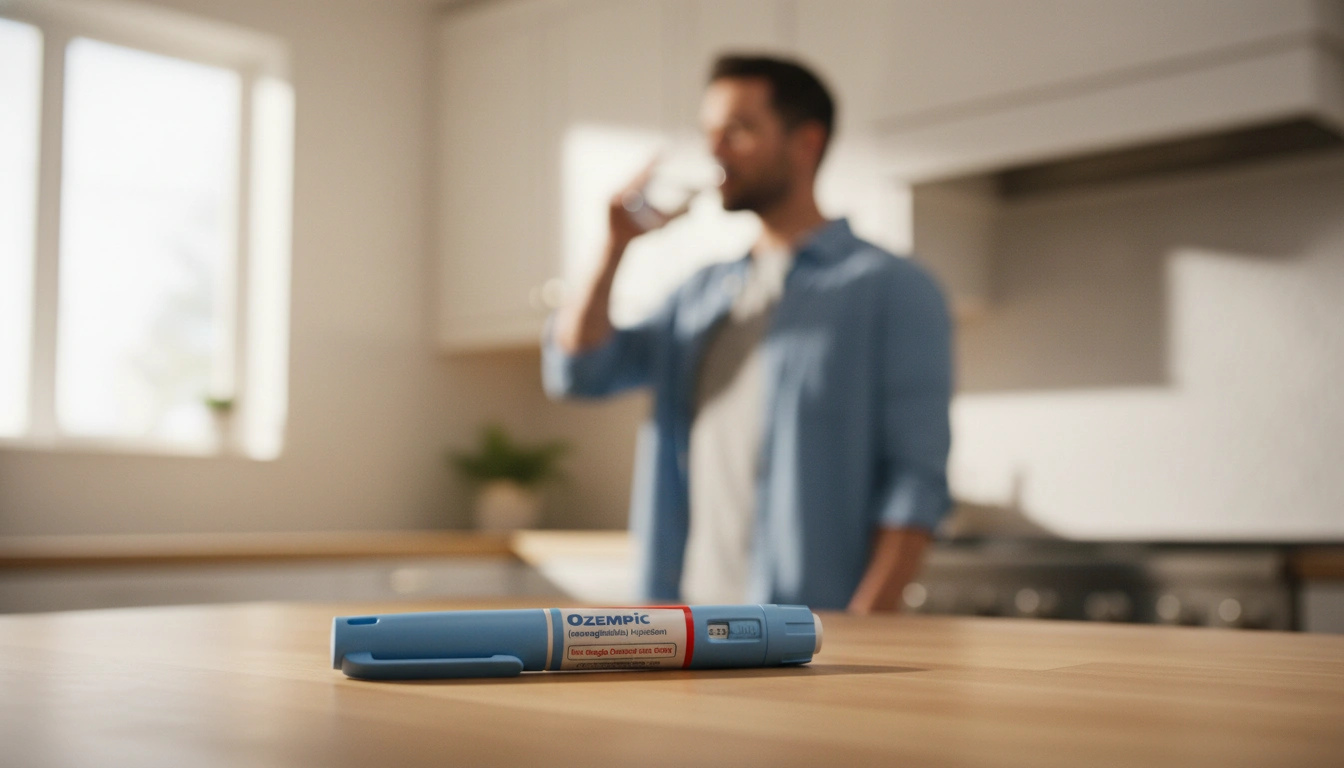
One of the more unexpected things patients report on Ozempic is that they simply stop wanting to drink as much. Not because of nausea or feeling unwell, but because the pull toward alcohol quietly fades. This isn’t a placebo effect or coincidence. There’s a growing body of research explaining why semaglutide and other GLP-1 medications appear to reduce alcohol cravings at the neurological level, and it has everything to do with how these drugs interact with the brain’s reward system.
GLP-1 Receptors Aren’t Just in Your Gut
Most people understand GLP-1 medications as gut-based drugs. They slow digestion, reduce appetite, and regulate insulin. What’s less widely known is that GLP-1 receptors exist throughout the brain, including in regions directly involved in reward, motivation, and addictive behavior.
The ventral tegmental area and the nucleus accumbens, two structures at the core of the brain’s dopamine reward circuit, both contain GLP-1 receptors. These are the same regions activated by alcohol, nicotine, sugar, and other substances that produce pleasurable or compulsive responses. When semaglutide activates GLP-1 receptors in these areas, it appears to dampen the dopamine response to rewarding stimuli, including alcohol.
In simpler terms: alcohol becomes less rewarding to the brain on Ozempic. The anticipatory craving, that mental pull toward a drink at the end of a stressful day, loses some of its intensity. For many patients this happens gradually and without much fanfare. They just notice at some point that they’re drinking less without really trying.
What the Research Actually Shows
Animal studies established the GLP-1 and alcohol connection well before human data caught up. Multiple rodent studies showed that GLP-1 agonists significantly reduced voluntary alcohol consumption, alcohol-seeking behavior, and the motivational drive to obtain alcohol, even in animals that had been conditioned to prefer it.
Human data is still emerging but points in the same direction. A 2022 retrospective analysis published in The Journal of Clinical Psychiatry examined electronic health records of patients prescribed semaglutide and found a significantly lower rate of alcohol use disorder diagnoses and alcohol-related events compared to matched controls on other medications. The effect was notable enough that researchers flagged it as warranting dedicated clinical trials.
Anecdotal reports from patients and clinicians have also piled up rapidly. Patients who previously drank several glasses of wine per night describe losing interest after a few weeks on semaglutide. Some report finding the taste of alcohol less appealing. Others say the social ritual of drinking still appeals to them but the craving itself is simply quieter.
It’s Not Just Alcohol
Understanding why Ozempic reduces alcohol cravings requires zooming out slightly, because alcohol isn’t the only reward-driven behavior patients report changes in.
Many people on GLP-1 medications describe a broader quieting of what’s sometimes called “food noise,” the constant mental chatter about eating, cravings, and anticipation of food. The same mechanism appears to extend to other dopamine-driven urges. Patients report reduced interest in gambling, shopping compulsively, smoking, and yes, drinking.
This is sometimes framed as a side effect, but for many patients it feels more like relief. The compulsive quality of certain behaviors, the sense of being pulled toward something despite knowing better, diminishes. The brain’s reward circuitry is simply less reactive. You can read more about the food noise effect in our article on how Ozempic changes your relationship with food.
Why This Matters Clinically
The implications here extend well beyond weight loss. Alcohol use disorder affects tens of millions of people in the United States, and existing treatment options have significant limitations. The idea that a medication already prescribed for metabolic health might simultaneously reduce problematic drinking is generating serious scientific interest.
Several clinical trials are now underway specifically examining GLP-1 medications as a potential treatment for alcohol use disorder. Early phase results have been promising. Researchers at the University of Southern California and other institutions are exploring semaglutide and other GLP-1 agonists as adjunct treatments for addiction, not just obesity.
For patients currently on Ozempic for weight loss, this is relevant because it helps explain an experience many find puzzling. If you’ve noticed your desire to drink has decreased, you’re not imagining it. And if you’ve been wondering whether that’s a good thing, clinically speaking, the answer appears to be yes.
Does Everyone Experience This Effect
No, and it’s worth being direct about that. The reduction in alcohol cravings on semaglutide is real and documented, but it isn’t universal. Some patients notice no change in their drinking habits at all. Others find that while the craving for alcohol decreases, the habit or social ritual around drinking remains intact and carries them through regardless.
Factors that seem to influence whether a patient experiences this effect include baseline drinking patterns, the dose of semaglutide, individual neurological variation, and how long they’ve been on treatment. Patients with higher baseline alcohol consumption and those who drink partly in response to stress or emotional discomfort tend to report the most noticeable reduction in cravings.
If you haven’t noticed any change in your desire to drink after starting Ozempic, that doesn’t mean the medication isn’t working. GLP-1 receptors in the brain vary in density and sensitivity from person to person, and the reward-dampening effect simply isn’t as pronounced for everyone.
What This Means for Your Treatment
If you’re on Ozempic or semaglutide and you’ve noticed you’re drinking less without consciously trying, this is worth paying attention to rather than ignoring. It may represent an opportunity to reset habits around alcohol that have been difficult to change through willpower alone.
At the same time, reduced cravings aren’t the same as reduced sensitivity to alcohol’s effects. Many patients find they’re more susceptible to intoxication on GLP-1 medications even as they want to drink less. Our article on whether Ozempic increases alcohol sensitivity covers that side of the equation in detail.
The broader takeaway is that semaglutide affects the brain in ways that go well beyond appetite. The reward system changes are real, they’re increasingly well-documented, and they interact with behaviors, including drinking, that patients often assumed had nothing to do with their weight loss medication.
If you’re considering starting a GLP-1 medication and want to understand how it might affect you beyond the scale, connecting with a knowledgeable provider is the right first step. Take the TrimRx assessment to see which medication may be right for your situation.
This information is for educational purposes and is not medical advice. Consult with a healthcare provider before starting any medication. Individual results may vary.

Transforming Lives, One Step at a Time
Keep reading

Why Am I Hungry Again on Ozempic: What to Do
You started Ozempic, the appetite suppression kicked in, and for a while eating less felt almost effortless. Then something shifted. The hunger came back,…
How to Talk to Friends and Family About Taking Ozempic
Starting a GLP-1 medication is a medical decision, and like most medical decisions, it’s fundamentally private. You don’t owe anyone an explanation. But the…

Ozempic and Anxiety: Side Effects and What to Watch For
Anxiety isn’t listed as a primary side effect of Ozempic in the official prescribing information, but it shows up often enough in patient reports…


