Why Ozempic Stops Working: Understanding Plateaus in Weight Loss
Introduction
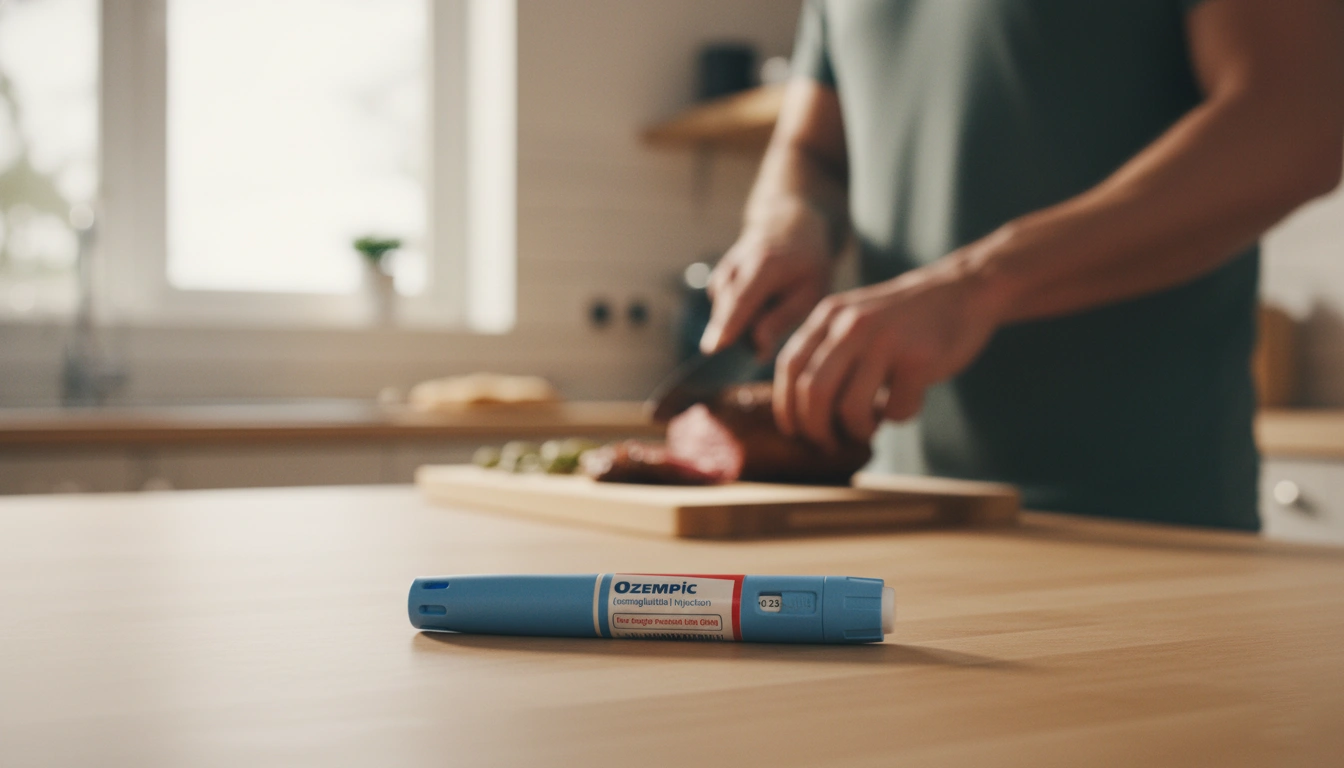
Embarking on a weight loss journey often brings a mix of hope and determination. For many, the initial progress with medications like Ozempic can feel transformative, offering a powerful tool in achieving health goals. Imagine the relief and motivation that comes with seeing consistent results, only to encounter a sudden halt in progress. This experience, often referred to as a weight loss plateau, can be profoundly frustrating, leaving individuals to wonder, “Why has my medication stopped working?” This common turning point can be disheartening, especially after a period of significant positive change.
The effectiveness of GLP-1 medications, such as Ozempic (semaglutide), in reducing appetite and slowing gastric emptying has revolutionized weight management for many adults. These medications can lead to substantial weight reduction, improving overall health and quality of life. However, it’s a well-documented phenomenon that after an initial period of success, typically ranging from several months to over a year, progress can slow or even stop. This natural adaptation by the body is not a sign of failure but a complex biological response to weight loss itself.
In this comprehensive guide, we will delve into the multifaceted reasons behind weight loss plateaus when using medications like Ozempic. We will explore the science of metabolic adaptation, discuss the critical role of lifestyle factors, examine the nuances of medication dosing, and consider individual physiological differences. Our purpose is to demystify this common experience, providing clarity and actionable strategies to help you navigate these challenges. By the end of this article, you will gain a deeper understanding of why these plateaus occur and, crucially, discover effective approaches to reignite your progress.
At TrimRx, our journey began with a shared vision to help individuals embrace healthier lifestyles by merging cutting-edge telehealth innovations with effective weight loss solutions. We believe that sustainable weight loss should be achieved through science, empathy, and a transparent approach. Through this exploration, we will highlight how our personalized, medically supervised programs can offer tailored support and guidance, ensuring your weight loss journey is both safe and sustainable. Understanding these intricate dynamics is the first step toward overcoming obstacles and continuing your path to improved health.
The Foundation of Weight Loss: How GLP-1 Medications Work
To understand why a plateau might occur, it’s essential to first appreciate how medications like Ozempic contribute to weight loss. Ozempic, a brand name for semaglutide, belongs to a class of drugs known as GLP-1 receptor agonists. These medications mimic the action of a natural hormone, glucagon-like peptide-1 (GLP-1), which plays a crucial role in regulating blood sugar and appetite.
Mimicking Natural Hormones for Satiety and Regulation
When you eat, your gut releases GLP-1, which sends signals to your brain to feel full and satisfied. Ozempic enhances these natural processes in several key ways:
- Appetite Suppression: By acting on the brain’s appetite centers, GLP-1 agonists reduce hunger and cravings, making it easier to consume fewer calories. Many individuals report a significant reduction in “food noise” – the persistent thoughts about food that can drive overeating.
- Slowed Gastric Emptying: The medication slows down how quickly food moves from your stomach into your intestines. This means you feel fuller for longer periods, further contributing to reduced food intake. This effect also helps prevent rapid spikes in blood sugar, which can stabilize appetite.
- Improved Insulin Sensitivity: While primarily known for its role in type 2 diabetes management, Ozempic also helps regulate blood sugar by stimulating insulin release and reducing glucose production by the liver. Stable blood sugar levels can indirectly support weight management by reducing cravings and energy crashes.
The combined effect of these mechanisms leads to a reduction in caloric intake and, consequently, weight loss. Clinical studies have shown that individuals using semaglutide for type 2 diabetes management have experienced significant weight loss, often in the range of 8-14 pounds over 30-56 weeks, when combined with diet and exercise. For those specifically prescribed the higher-dose semaglutide (Wegovy) or tirzepatide (Zepbound, Mounjaro) for weight management, even greater reductions in body weight (up to 15-20%) have been observed. It’s important to clarify that while Ozempic aids weight loss, it is FDA-approved for type 2 diabetes management, whereas Wegovy and Zepbound are specifically FDA-approved for chronic weight management.
Unpacking the Weight Loss Plateau: Why Progress Slows
Encountering a plateau on your weight loss journey can be perplexing, especially when you’re consistently taking your medication. It’s a common experience, not a personal failure, and understanding its underlying causes is the key to moving forward. This phenomenon occurs when your body’s energy burn equals the energy you consume, halting further weight reduction.
The Body’s Innate Survival Mechanism: Metabolic Adaptation
One of the primary drivers behind a weight loss plateau is metabolic adaptation, also known as adaptive thermogenesis. Our bodies are incredibly sophisticated, designed for survival. When you reduce your caloric intake and lose a significant amount of weight, your body interprets this as a period of scarcity and adjusts its metabolism to conserve energy.
Hormonal Shifts and Reduced Energy Expenditure
As you lose weight, your body requires fewer calories to maintain its new, smaller mass. This means your basal metabolic rate (BMR)—the number of calories your body burns at rest—decreases. Additionally, changes in hormone levels, such as leptin, ghrelin, and thyroid hormones, occur to counteract further weight loss. Your body essentially becomes more efficient at using energy, making it harder to create the calorie deficit needed for continued weight loss. Dr. Jason Ng, an endocrinologist at the University of Pittsburgh, explains that “weight loss plateau happens when your body’s energy burn equals energy being added through food.” This natural adjustment is a built-in survival mechanism, not a sign that your medication has “stopped working” in its fundamental action.
Reaching a Healthy Weight and Shifting Goals
Another significant factor contributing to plateaus is simply reaching a weight that is healthier for your body. While you might have a specific target number in mind, your body may settle at an “appropriate weight” that optimizes its functions. Dr. Mir Ali, medical director at the MemorialCare Surgical Weight Loss Center, notes that plateaus tend to happen after a patient loses a significant amount of weight and is getting closer to a healthy weight. “The body is tending to hold on to calories to preserve itself,” he states.
It’s common for individuals to be very focused on the number on the scale, which can lead to frustration when that number stops moving. However, as Dr. Ali advises, the true goal is often improved health, not just a specific number. During a plateau, your body composition may still be changing, your clothes might fit better, and your overall health markers could be improving, even if the scale doesn’t reflect it. Focusing on these non-scale victories can be crucial for maintaining motivation and understanding holistic progress.
The Role of Medication and Dosing in Plateaus
While GLP-1 medications are highly effective, their optimal use involves careful consideration of dosing and individual response. Several factors related to the medication itself can contribute to a plateau.
Inadequate Dosage Adjustments
GLP-1 medications are typically started at a low dose and gradually increased over several weeks or months to minimize side effects and find the most effective therapeutic dose. This titration process is crucial. If the dosage is not increased appropriately or if an individual remains on a dose that is no longer potent enough for their current weight and metabolism, weight loss can stall. Our healthcare providers at TrimRx work diligently to monitor your progress and adjust your personalized treatment plan, including medication dosages, to ensure you are on the most effective path. You can discover your eligibility for our prescription weight loss medications by taking our free, personalized assessment.
Reaching Maximum Dose
Every medication has a maximum recommended dose. Once you reach this point, there’s no further room for increasing the dosage to stimulate additional weight loss. If you’ve plateaued at the maximum dose, it indicates that your body has adapted to the medication’s effects at its highest permissible level. In such cases, other strategies, which we will explore, become even more vital. TrimRx maintains transparent service, ensuring our approach remains consistent regardless of dosage changes, providing continuous support and guidance throughout your journey.
Tachyphylaxis: Developing Tolerance to the Medication
Similar to how our bodies can build a tolerance to various substances, some individuals may develop a reduced response to GLP-1 medications over time, a phenomenon known as tachyphylaxis. This means the same dose that was initially effective might no longer produce the same appetite-suppressing or metabolic effects. While not universally experienced, if suspected, a consultation with your healthcare provider or an endocrinologist is warranted to explore whether a different approach might be beneficial.
Irregular Doses
Consistency is paramount with any medication, and GLP-1 agonists are no exception. Missing doses or taking them inconsistently can significantly impact their effectiveness. The body relies on a steady presence of the medication to maintain its effects on appetite and metabolism. Irregularity can lead to fluctuations in medication levels, diminishing its overall impact on weight loss. Our programs at TrimRx emphasize the importance of adherence and provide unlimited support to help you stay on track with your treatment plan.
Lifestyle Factors: The Pillars of Sustainable Weight Loss
Medication is a powerful tool, but it works synergistically with lifestyle choices. When Ozempic seems to stop working, it’s often a sign to revisit and potentially intensify your commitment to a healthy lifestyle.
Dietary Habits: Rethinking Your Plate
Even with medication helping to reduce appetite, dietary choices remain critical. Simply taking Ozempic without making conscious changes to eating habits may not lead to the desired long-term results.
Caloric Intake and Food Quality
As your metabolism adapts to weight loss, your caloric needs decrease. What might have been a sufficient calorie deficit initially may no longer be enough. Reassessing your calorie intake and focusing on nutrient-dense foods becomes even more important during a plateau. Prioritizing lean proteins, fiber-rich vegetables, and whole grains can help maintain satiety, preserve muscle mass, and provide essential nutrients. Reducing refined carbohydrates and added sugars is often a crucial step. Partnering with a registered dietitian, a service that can be seamlessly integrated into your TrimRx journey, can help you develop a sustainable eating pattern tailored to your evolving needs, without restrictive diets.
Physical Activity: Beyond the Scale
Regular physical activity is the secret sauce that amplifies the benefits of weight loss medication. If you’re not seeing the results you expect, evaluate your activity levels.
Boosting Metabolism and Building Muscle
Exercise, especially strength training, helps boost your metabolism and enhance your body’s response to medication. While cardio burns calories, strength training builds muscle mass, which is more metabolically active than fat. This means more muscle helps you burn more calories at rest, counteracting the metabolic slowdown that occurs with weight loss. Diversifying your workout routine – by changing intensity, type, or duration – can prevent your body from fully adapting and keep your metabolism engaged. Remember to look beyond the scale; increased strength, improved endurance, and better fitting clothes are all valuable indicators of progress.
Sleep, Stress, and Overall Well-being
Often overlooked, factors like sleep and stress profoundly impact weight management.
The Impact of Poor Sleep
Chronic sleep deprivation can disrupt hormones that regulate appetite (ghrelin and leptin), leading to increased hunger and cravings. It can also slow metabolism and increase cortisol levels, which promotes fat storage. Aiming for 7-9 hours of quality sleep per night is a foundational component of successful weight loss.
Managing Stress Effectively
High stress levels trigger the release of cortisol, a hormone that can increase appetite, particularly for comfort foods, and promote abdominal fat storage. Developing effective stress management techniques—whether through mindfulness, meditation, exercise, or spending time in nature—is vital for supporting your weight loss efforts.
At TrimRx, our empathetic and supportive approach extends to all aspects of your well-being. We offer comprehensive service that includes doctor consultations, access to lab work, and unlimited support to address these critical lifestyle factors alongside medication. Our aim is to empower you with the tools and guidance needed for holistic health improvement.
Individual Differences and Underlying Health Issues
Every individual’s body is unique, and responses to medication and weight loss strategies can vary significantly. These individual differences can play a substantial role in why a plateau occurs.
Unique Metabolic Rates and Genetic Predispositions
Your genes and inherent metabolic rate dictate how efficiently your body turns food into fuel. Some individuals may naturally have a slower metabolism or genetic predispositions that make weight loss more challenging, even with medication. Understanding that your journey is unique, and setting realistic goals based on your body’s specific responses, is crucial for sustained success.
Unaddressed Health Conditions
Certain underlying medical issues can impede weight loss, even when taking effective medications like Ozempic. For example, conditions such as hypothyroidism (an underactive thyroid), polycystic ovary syndrome (PCOS), or insulin resistance can significantly impact metabolism and make it harder to lose weight. If you’re experiencing a plateau despite consistent effort, it’s essential to consult with your healthcare provider to rule out or address any undiagnosed or poorly managed health conditions. Our comprehensive service at TrimRx includes initial lab work and ongoing medical supervision to identify and account for such factors in your personalized treatment plan.
Moving Past the Plateau: Strategies for Renewed Progress
Encountering a plateau doesn’t mean your weight loss journey is over; it means it’s time for a strategic re-evaluation. With the right adjustments and support, you can reignite your progress and continue towards your health goals.
Professional Guidance and Personalized Assessment
The first and most crucial step in overcoming a plateau is to consult with your healthcare provider. They can assess your current situation, review your medication dosage, evaluate your lifestyle, and identify any underlying medical issues that might be contributing to the stall.
At TrimRx, we stand by our commitment to personalized, medically supervised care. Our platform offers a user-friendly and supportive space where you can connect with medical professionals who understand the complexities of weight loss. We encourage you to take our free assessment quiz to see if you qualify for our prescription weight loss medications. This initial step helps us understand your unique health profile and begin crafting a treatment plan tailored specifically for you.
Optimizing Your Personalized Treatment Plan
Depending on your specific circumstances, your healthcare provider might suggest several adjustments to your current plan:
Medication Adjustments and Alternatives
If you haven’t reached the maximum dose, your doctor may recommend a cautious increase to see if a higher dosage yields renewed weight loss. If you are already at the maximum dose of semaglutide (Ozempic/Wegovy) and still experiencing a plateau, or if you’ve developed a tolerance, your provider might consider switching to a different medication.
- Tirzepatide (Mounjaro/Zepbound): This is a dual agonist that mimics two natural hormones, GLP-1 and GIP. This dual action can potentially lead to greater weight loss effects compared to GLP-1 agonists alone.
- Other GLP-1 Medications: For some, switching to another GLP-1 such as Wegovy (a higher dose of semaglutide specifically approved for weight management) or Saxenda (liraglutide, a daily GLP-1 injection) might be considered based on individual response and tolerance.
- Novel Agents: Research continues into new medications, including triple agonists like retatrutide, which target multiple pathways for even more comprehensive effects on weight.
- Compounded Medications: For individuals who qualify, we offer compounded Semaglutide and compounded Tirzepatide through FDA-registered and inspected pharmacies. We also provide Oral Semaglutide and Oral Tirzepatide options, alongside branded medications like Ozempic®, Mounjaro®, Zepbound®, and Wegovy®.
It is important to remember that compounded medications are not FDA-approved, but they are prepared in FDA-registered and inspected pharmacies that adhere to strict safety and quality standards. Our commitment to safety is paramount; we work exclusively with these reputable pharmacies for the shipping of all weight loss medications.
Enhancing Lifestyle Modifications
Beyond medication, refining your lifestyle habits can unlock renewed progress.
Dietary Refinements
- Increase Protein Intake: Protein helps with satiety and muscle preservation, which is vital during weight loss. Focus on lean sources like chicken, fish, legumes, and eggs.
- Prioritize Fiber: Foods rich in fiber (fruits, vegetables, whole grains) contribute to fullness and digestive health.
- Mindful Eating: Pay attention to hunger and fullness cues. Avoid distractions while eating and savor your meals.
- Hydration: Drinking ample water can help suppress appetite and support metabolic functions.
Strategic Exercise Adjustments
- Vary Your Workouts: If you typically stick to one type of exercise, try incorporating new activities. Switch between cardio, strength training, and flexibility exercises.
- Increase Intensity or Duration: Even small increases in the intensity or duration of your workouts can create a greater calorie deficit and boost metabolism.
- Incorporate Strength Training: Building muscle is crucial for improving your metabolic rate. Aim for at least 2-3 strength training sessions per week.
Holistic Well-being
- Optimize Sleep: Establish a consistent sleep schedule and create a relaxing bedtime routine to ensure adequate rest.
- Manage Stress: Integrate stress-reducing practices into your daily life, such as meditation, yoga, or hobbies that bring you joy.
At TrimRx, our brand is empathetic and supportive. We offer compassionate care that respects every individual’s unique journey. We understand that effective weight management is a blend of advanced medical science, modern technology, and comprehensive lifestyle support. Our unlimited support ensures you have a consistent resource to guide you through these lifestyle adjustments.
Quick-Access Supplements for Enhanced Support
To complement your weight loss journey, TrimRx also offers quick-access supplements designed to support overall wellness, available without requiring the personalized assessment quiz. These can be valuable additions, particularly when navigating a plateau.
- GLP-1 Daily Support: This supplement is formulated to support your body’s natural processes, potentially helping with metabolic function and digestive health.
- Weight Loss Boost: Designed to enhance your weight loss journey, this supplement provides targeted support that can be beneficial when your progress slows.
These supplements are readily available to provide additional assistance as you work to overcome plateaus and achieve your health goals.
Conclusion
The experience of a weight loss plateau, particularly when using medications like Ozempic, is a common and often challenging phase in any health journey. It’s a natural biological response, not a failure of the medication or your commitment. By understanding the intricate factors at play—from metabolic adaptation and dosing nuances to the critical role of lifestyle and individual differences—you gain the power to strategically address these stalls.
Remember, sustainable weight loss is rarely a straight line; it’s a dynamic process that requires ongoing adjustment, patience, and a holistic approach. The goal extends beyond a number on the scale to encompass improved health, increased energy, and a better quality of life.
At TrimRx, we are dedicated to safe, effective weight loss and individualized care. Our platform provides a user-friendly and supportive space where individuals receive personalized, medically supervised care, all designed to make sustainable weight loss attainable and tailored to the individual. We blend advanced medical science with modern technology, offering compassionate care and transparent service every step of the way. From initial doctor consultations and essential lab work to access to powerful prescription medications through FDA-registered pharmacies, unlimited support, and convenient shipping with no hidden fees, we are here to guide you.
If you’ve hit a plateau or are just beginning your weight loss journey, we invite you to explore the possibilities. Take our free assessment quiz today to discover if you qualify for our personalized prescription weight loss programs. Additionally, consider how our GLP-1 Daily Support and Weight Loss Boost supplements can offer immediate support for your overall wellness. Together, we can navigate the complexities of weight loss, celebrate every milestone, and build a healthier, more vibrant future.
Frequently Asked Questions
Q1: How long does a weight loss plateau typically last when using Ozempic or similar medications?
A weight loss plateau can vary significantly in duration for each individual. Studies suggest that many patients on semaglutide may experience a plateau around the 60-week mark, after achieving substantial initial weight loss. However, it’s common for plateaus to occur earlier or later, as your body adapts to the medication and your new weight. The duration often depends on how quickly you address the contributing factors, such as adjusting diet, exercise, or medication under medical supervision.
Q2: Can lifestyle changes really help if Ozempic seems to have stopped working for weight loss?
Absolutely. Lifestyle changes are foundational to sustainable weight loss and become even more critical during a plateau. While Ozempic helps manage appetite and blood sugar, it works best when combined with healthy eating and regular physical activity. Re-evaluating your caloric intake, increasing protein, varying your exercise routine (especially incorporating strength training), optimizing sleep, and managing stress can help overcome metabolic adaptation and create a renewed calorie deficit. TrimRx’s comprehensive programs emphasize these lifestyle adjustments, providing unlimited support and guidance alongside medication.
Q3: What are my options if I’ve reached the maximum dose of Ozempic and still experience a weight loss plateau?
If you’ve reached the maximum recommended dose of Ozempic and are still experiencing a plateau, your healthcare provider may discuss several options. These could include exploring alternative GLP-1 medications like Wegovy (a higher dose of semaglutide approved for weight management) or considering dual agonists such as Tirzepatide (Mounjaro or Zepbound), which have different mechanisms of action that might be more effective. Your doctor will assess your overall health, progress, and individual response to determine the most appropriate next steps. Take our free assessment quiz to explore potential prescription options through TrimRx.
Q4: How does TrimRx personalize treatment to help individuals overcome weight loss plateaus?
At TrimRx, our approach is centered on personalized, medically supervised care. When an individual experiences a plateau, our medical professionals conduct a thorough review of their current progress, medication dosage, lifestyle habits, and lab results. Based on this comprehensive assessment, we work with you to adjust your treatment plan. This might involve fine-tuning medication dosages (if appropriate), recommending specific dietary and exercise strategies, suggesting our GLP-1 Daily Support or Weight Loss Boost supplements, or exploring alternative prescription options like Compounded Tirzepatide through our FDA-registered and inspected pharmacies. Our unlimited support ensures you have continuous guidance to navigate these challenges effectively.

Transforming Lives, One Step at a Time
Keep reading

Rybelsus vs Ozempic: Pill vs Injection
Here’s a question that comes up often: if Rybelsus and Ozempic both contain semaglutide, why would you choose one over the other? The same…

Phentermine vs Ozempic: Short-Term vs Long-Term
Phentermine has been around since the 1950s. Ozempic represents a completely different generation of weight loss medicine. If you’re comparing these two options, you’re…

Contrave vs Ozempic: Comparing Weight Loss Medications
When people start researching prescription weight loss medications, Contrave and Ozempic often come up in the same conversation, but they work in fundamentally different…


