Why Wegovy Stops Working: Navigating Weight Loss Plateaus and Finding Success
Introduction
At what point does the excitement of seeing a lower number on the scale transform into the frustration of a stationary needle? For many individuals embarking on a weight loss journey with semaglutide, there is an initial “honeymoon phase” where the pounds seem to melt away with newfound ease. However, clinical data suggests that by approximately week 60 of treatment, a significant number of people experience a leveling off in their progress. If you have found yourself wondering why Wegovy stops working or why your weight loss has suddenly stalled despite your best efforts, you are certainly not alone. This phenomenon is not typically a sign of failure or a lack of willpower; rather, it is often the result of complex biological adaptations that our bodies utilize to maintain equilibrium.
We understand that hitting a plateau can feel like hitting a brick wall. At TrimRx, our journey began with a shared vision to help individuals embrace healthier lifestyles by merging cutting-edge telehealth innovations with effective weight loss solutions. We believe that sustainable weight loss should be achieved through science, empathy, and a transparent approach. This blog post is designed to pull back the curtain on the science of weight loss stalls. We will explore the physiological reasons behind metabolic adaptation, the importance of dosing schedules, and how lifestyle factors—from muscle preservation to gut health—play a pivotal role in your success.
By the end of this article, you will have a comprehensive understanding of how GLP-1 medications interact with your unique biology and, more importantly, how to reignite your progress. We will cover everything from the hormonal shifts that occur during weight loss to practical strategies for breaking through a plateau. Whether you are just starting out or have been on your journey for months, this guide will serve as a roadmap for your continued transformation. Together, we will explore the nuances of personalized care and how you can take control of your health. To begin your own customized journey, we encourage you to take our free assessment quiz to see if you qualify for our personalized programs.
The Mechanism of GLP-1 and Weight Regulation
To understand why a weight loss medication might appear to lose its effectiveness, we must first look at how it interacts with the body’s natural systems. Wegovy, which contains the active ingredient semaglutide, is a GLP-1 receptor agonist. This means it mimics a hormone naturally produced in the gut called glucagon-like peptide-1.
How Semaglutide Influences the Brain and Gut
GLP-1 serves as a chemical messenger that communicates with two primary areas: the brain’s appetite centers and the digestive system. In the brain, specifically the hypothalamus, the medication helps to “turn down the volume” on hunger signals while increasing signals of satiety, or fullness. This is why many people report a significant reduction in “food noise”—those intrusive, constant thoughts about the next meal.
In the gut, the medication slows down gastric emptying. This means food stays in the stomach longer, which physically contributes to a prolonged feeling of fullness. Furthermore, it aids the pancreas in managing insulin response, which helps stabilize blood sugar levels. When these systems work in harmony, the result is often a consistent calorie deficit and subsequent weight loss. However, the body is an incredibly adaptive machine, and over time, it may begin to counter these effects.
The Role of Personalized Treatment Plans
Because every individual’s hormonal makeup is different, a one-size-fits-all approach rarely yields long-term results. We believe that sustainable weight loss should be tailored to the individual. Our platform is a user-friendly and supportive space where individuals receive personalized, medically supervised care—all designed to make sustainable weight loss attainable. If you feel like your current regimen isn’t meeting your needs, you can complete our free assessment quiz to determine your eligibility for a treatment plan designed specifically for your biology.
Defining the “True” Weight Loss Plateau
It is essential to distinguish between a temporary fluctuation and a true plateau. Many factors can cause the scale to stay the same for a few days, such as water retention from a high-sodium meal, muscle inflammation after a new workout, or hormonal changes during a menstrual cycle.
Indicators of a Genuine Stall
A true plateau is generally defined as a period of four weeks or more where weight remains stagnant despite consistent adherence to medication and lifestyle protocols. During this time, the body has reached a state of metabolic equilibrium where the energy you consume matches the energy your body expends at its new, lower weight.
If you find that the medication no longer provides the same level of appetite suppression it once did, it may be time to evaluate your dosage or supplemental support. For those looking for immediate ways to support their journey, our GLP-1 Daily Support is designed to complement your daily wellness routine and help bridge the gap during challenging phases.
The Science of Why Wegovy Stops Working
When people ask “why did my weight loss stop?” they are often looking for a lifestyle error, but the answer frequently lies in biology. The human body is evolutionarily programmed to resist weight loss as a survival mechanism.
Adaptive Thermogenesis: The Body’s Defense
One of the primary reasons for a stall is a process called adaptive thermogenesis. As you lose weight, your body becomes more efficient. A smaller body requires fewer calories to perform basic functions like breathing and circulating blood. However, the body often slows down its metabolism even further than what is expected for the new weight.
When you lose weight, the body senses a reduction in energy stores. In response, it may decrease your basal metabolic rate (BMR) and reduce the number of calories you burn during daily movement. This is the body’s way of trying to return to its previous “set point.” This biological pushback is why many people experience a plateau around the one-year mark.
Hormonal Shifts: Leptin and Ghrelin
Weight loss also triggers changes in hunger-regulating hormones. Leptin, the hormone produced by fat cells that tells your brain you are full, tends to decrease as fat stores shrink. Conversely, ghrelin, the “hunger hormone,” often increases.
While GLP-1 medications are designed to override these signals, the body’s natural drive to eat can sometimes become strong enough to compete with the medication’s effects. This is where a multi-faceted approach becomes crucial. Supporting your metabolism through products like our Weight Loss Boost can provide the extra assistance needed to keep moving forward.
Biological and Medical Factors Influencing Plateaus
Beyond basic metabolism, several specific health factors can influence how your body responds to semaglutide over time.
Reaching the Maximum Dosage
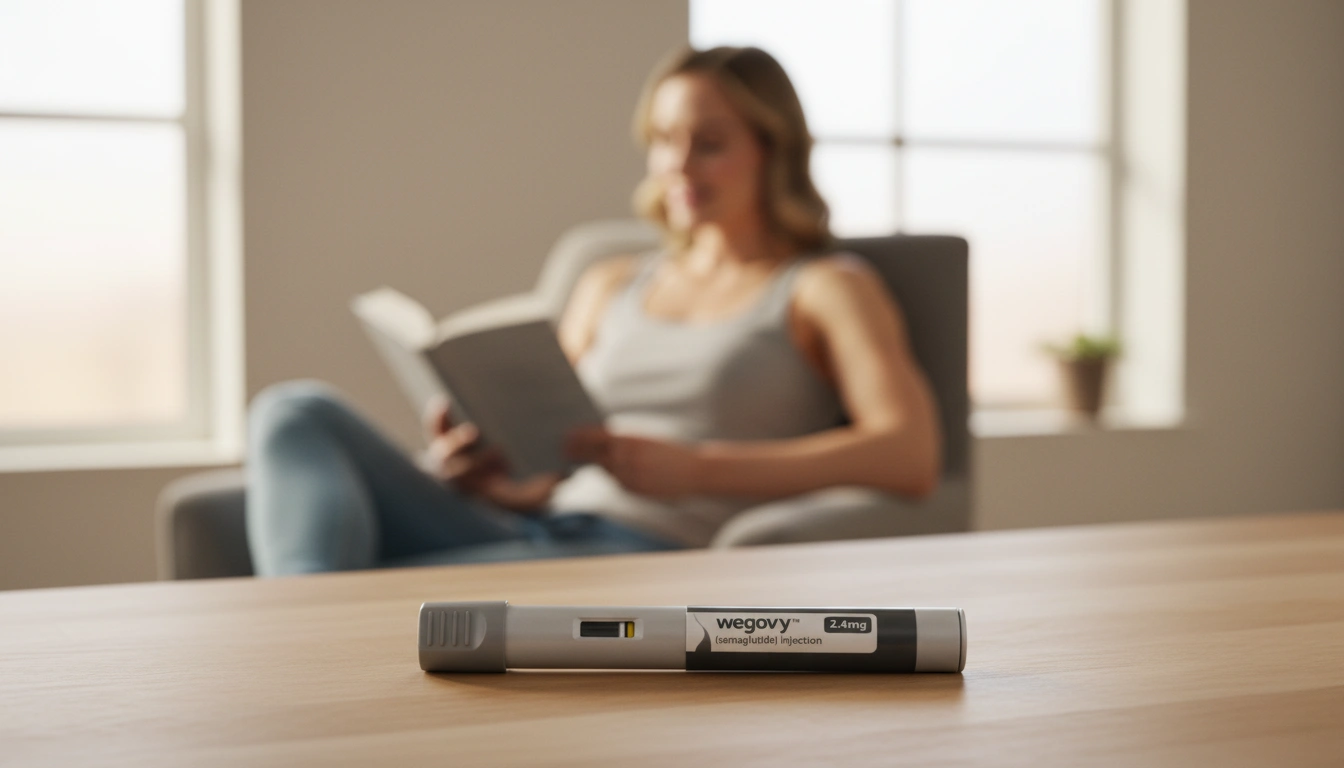
Medications like Wegovy and Ozempic® are typically started at a low dose and gradually increased to minimize gastrointestinal side effects. This process, known as titration, allows the body to acclimate to the medication. However, once an individual reaches the maximum maintenance dose (typically 2.4 mg for Wegovy), there is no “higher” level to go to within that specific medication’s guidelines.
If the body adapts to this maximum dose, the weight loss may level off. In these instances, medical providers may evaluate whether the current medication is still the best fit or if adjustments to the overall wellness plan are necessary. It is important to note that our medications, including Ozempic®, Wegovy®, and Zepbound®, are provided through FDA-registered, inspected, and approved pharmacies to ensure the highest standards of safety and quality.
Underlying Health Conditions
Certain medical conditions can make weight loss significantly more difficult, even with pharmaceutical assistance.
- Insulin Resistance and Diabetes: People with Type 2 Diabetes often lose weight at a slower rate than those without the condition.
- Polycystic Ovary Syndrome (PCOS): Hormonal imbalances associated with PCOS can lead to stubborn weight retention.
- Hypothyroidism: An underactive thyroid slows the entire metabolic process, making it harder to maintain a calorie deficit.
Addressing these underlying issues is a core part of the personalized care we advocate for at TrimRx. We offer compassionate care that respects every individual’s unique journey by combining advanced medical science with modern technology. To see how we can help you navigate these complexities, take our free assessment quiz.
The Importance of Body Composition and Muscle
A common mistake during rapid weight loss is focusing solely on the number on the scale while ignoring what that weight consists of.
Muscle Loss and Metabolic Rate
When you lose weight, you don’t just lose fat; you can also lose muscle mass. Muscle is metabolically active tissue, meaning it burns more calories at rest than fat does. If a significant portion of your weight loss comes from muscle, your resting metabolic rate will drop, making it easier to hit a plateau.
Research suggests that incorporating resistance training and ensuring adequate protein intake are the best ways to combat this. By preserving muscle, you keep your “metabolic engine” running at a higher speed. This is why we emphasize a comprehensive service that includes not just medication, but the support needed to make lifestyle changes that last.
Shifting the Focus to Non-Scale Victories
If your weight has stalled but your clothes are fitting better, you may be experiencing body recomposition—losing fat while gaining muscle. In this scenario, the medication hasn’t stopped working; your body is simply transforming in ways that the scale cannot measure. Have you noticed improvements in your energy levels or mobility lately, even if the scale hasn’t moved?
Lifestyle Habits That May Cause a Stall
Sometimes, the reason Wegovy seems to stop working is due to subtle changes in our daily habits that accumulate over time.
Calorie Creep and Mindful Eating
In the beginning, the appetite suppression from the medication is often so strong that people eat very little without effort. As the body acclimates, some of that appetite may return. Without realizing it, an individual might start consuming larger portions or snacking more frequently.
Even healthy foods like nuts, avocados, and olive oil are calorie-dense. While they are excellent for your health, consuming them in excess can eliminate the calorie deficit required for weight loss. Utilizing tools like our Weight Loss Boost can help support your metabolic goals as you refine your nutritional intake.
The Role of Gut Health
Recent studies have highlighted the connection between the gut microbiome and weight management. An imbalance in gut bacteria, often referred to as dysbiosis, can lead to increased inflammation and altered energy harvest from food. Some people find that as they change their diet on GLP-1 medications, their gut health shifts. Incorporating fiber-rich vegetables and fermented foods can help maintain a healthy microbiome, which in turn supports the medication’s effectiveness.
Psychological Factors: Stress and Sleep
Weight loss is not just a physical process; it is deeply tied to our psychological well-being.
Cortisol and the Stress Response
When we are chronically stressed, our bodies produce higher levels of cortisol. Cortisol is known to encourage fat storage, particularly in the abdominal area, and can increase cravings for high-calorie “comfort foods.” If you are going through a high-stress period, you might find that your weight loss progress stalls regardless of your medication dose.
The Power of Sleep
Sleep deprivation is a major, yet often overlooked, contributor to weight loss plateaus. Lack of sleep disrupts the balance of ghrelin and leptin, making you hungrier and less satisfied after eating. Furthermore, poor sleep can lead to fatigue, which reduces your desire to be physically active. We believe that sustainable weight loss involves looking at the whole person, including their rest and mental health.
How TrimRx Supports Your Continued Progress
At TrimRx, our brand is empathetic, innovative, trustworthy, supportive, results-oriented, and personalized. We recognize that a plateau is a moment where you need more support, not less.
Medically Supervised, Personalized Care
Our platform provides a space where individuals receive medically supervised care tailored to their unique needs. We work exclusively with FDA-registered and inspected pharmacies to ensure that the medications we partner with—such as Compounded Semaglutide, Oral Semaglutide, and Compounded Tirzepatide—are shipped safely to your door. Our commitment to transparent service means our approach remains consistent regardless of dosage changes, and we offer unlimited support to help you navigate hurdles like plateaus.
Comprehensive Service with No Hidden Fees
We stress a comprehensive service that includes doctor consultations, medication, lab work, and shipping—all with no hidden fees. We believe that by removing the barriers to care, we can help you focus on what really matters: your health. If you are ready to experience a different kind of weight loss journey, we invite you to take our free assessment quiz.
Practical Strategies to Break Through a Plateau
If you have confirmed that you are in a true plateau, there are several evidence-based strategies you can use to restart your progress.
1. Prioritize Protein and Fiber
Protein has a higher thermic effect than fats or carbohydrates, meaning your body burns more calories digesting it. It also helps you feel full and protects your muscle mass. Fiber, found in vegetables and whole grains, slows digestion further and supports gut health. If you need a daily companion to help support your nutrition, consider our GLP-1 Daily Support.
2. Incorporate Resistance Training
If you have been focusing solely on cardio like walking or running, try adding two days of strength training per week. This can include bodyweight exercises, resistance bands, or weight lifting. Building muscle is one of the most effective ways to counteract the metabolic slowdown associated with weight loss.
3. Re-evaluate Caloric Intake
As you lose weight, your calorie needs change. What worked for you 20 pounds ago may no longer create a deficit now. Using a food tracker for a few days can help identify “hidden” calories and bring awareness back to your eating habits.
4. Optimize Sleep and Hydration
Drinking enough water is essential for metabolic processes and can often help reduce feelings of hunger that are actually signals of dehydration. Aim for 7-9 hours of quality sleep to keep your hormones in balance.
5. Consult with Your Provider
Sometimes, a plateau is a sign that a change in medication or dosage is appropriate. At TrimRx, we facilitate access to various options, including Zepbound®, Mounjaro®, and Wegovy®, as well as compounded options through our partner pharmacies. Your provider can help determine if switching from a GLP-1 (like semaglutide) to a dual-agonist (like tirzepatide) is a viable path for you.
Conclusion
Understanding why Wegovy stops working for some people—or why progress slows down—is the first step toward overcoming the challenge. Weight loss is rarely a straight line; it is a series of adjustments and adaptations. Whether it is your body’s natural metabolic defense, a need for a dosage adjustment, or the influence of lifestyle factors like sleep and stress, there is always a way forward.
We are dedicated to safe, effective weight loss and individualized care. Our journey began with the goal of merging cutting-edge telehealth with science and empathy to make sustainable weight loss attainable for everyone. We believe that with the right tools, personalized medical guidance, and high-quality supplemental support, you can break through any plateau and achieve the healthy lifestyle you deserve.
Are you ready to move past the plateau and continue your transformation? Take the next step today by taking our free assessment quiz to see how our personalized programs can support your goals. Together, we can navigate the complexities of your weight loss journey and find the solutions that work for your unique body.
Frequently Asked Questions (FAQs)
1. Is it normal to stop losing weight on Wegovy after several months?
Yes, it is very common. Clinical studies show that weight loss progress often levels off around the one-year mark (approximately week 60). This is usually due to metabolic adaptation, where the body slows its metabolism to compensate for weight loss. If your progress has stalled for more than four weeks, it may be time to consult with a provider to discuss adjustments to your personalized plan.
2. Can I take supplements while on Wegovy to help with a plateau?
Many people find that quick-access supplements can help support their overall wellness journey. For instance, our GLP-1 Daily Support is designed to provide nutritional support, while our Weight Loss Boost can assist with your metabolic goals. Always ensure you are following a plan supervised by a medical professional.
3. Does Wegovy stop working if I don’t exercise?
While Wegovy is highly effective at reducing appetite and slowing digestion, exercise plays a “supporting role” in maintaining weight loss. Specifically, resistance training helps preserve muscle mass, which keeps your metabolism higher. If you aren’t exercising, your body may lose more muscle, leading to a slower metabolic rate and a higher likelihood of hitting a plateau.
4. What should I do if the highest dose of Wegovy is no longer effective?
If you have reached the maximum dose and your weight loss has stalled for an extended period, you should speak with your healthcare provider. They may suggest re-evaluating your caloric intake, increasing physical activity, or exploring alternative medications. At TrimRx, we offer a range of options and personalized treatment plans to help individuals find the most effective solution for their biological needs. You can start this process by taking our quiz.

Transforming Lives, One Step at a Time
Keep reading

Maximizing Your Results: How Should I Eat on Wegovy for Sustainable Success
Wondering how should I eat on Wegovy? Discover the best foods to prioritize protein, manage side effects, and maximize weight loss results with our expert guide.

Is Wegovy a Single Use Pen? Understanding Your Weight Loss Injection
Wondering is Wegovy single use pen? Learn about the one-and-done design, how to administer your dose safely, and how TrimRx supports your weight loss journey.
Does Wegovy Help Lower Blood Sugar and Improve Metabolic Health?
Does Wegovy help lower blood sugar? Discover how this GLP-1 medication stabilizes glucose, improves insulin sensitivity, and supports sustainable weight loss.


