Is Anemia Causing Your Weight Loss? The Real Connection
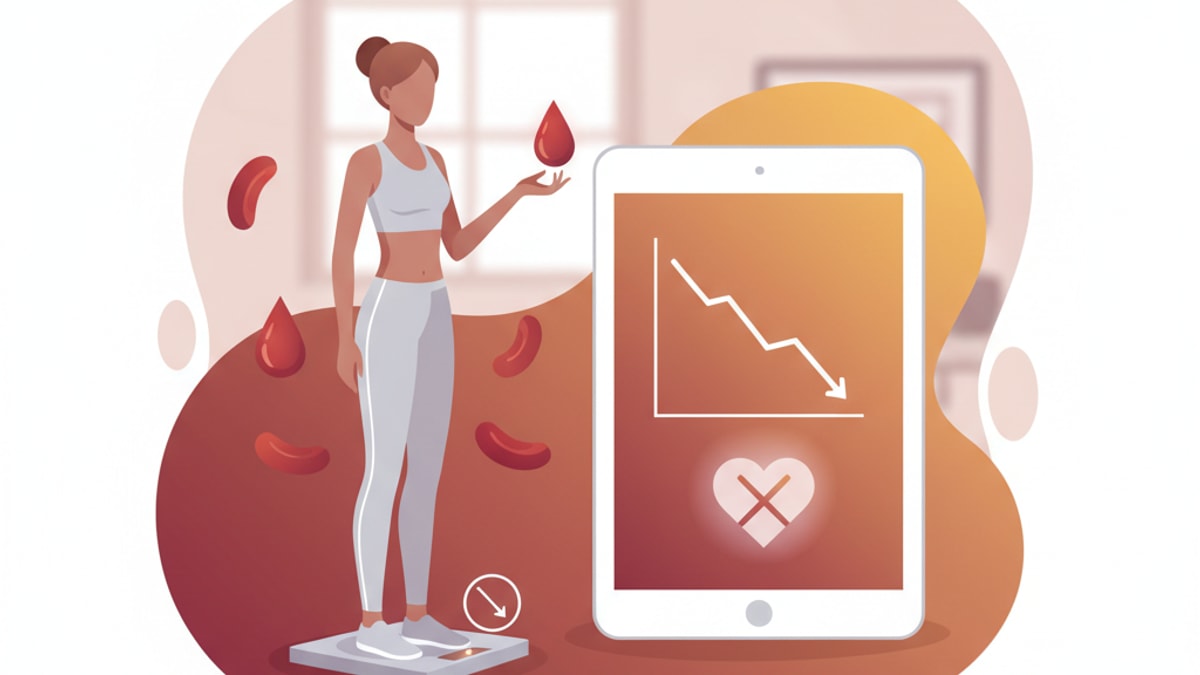
Unexplained weight loss is one of the most unsettling experiences a person can have. It’s a quiet alarm bell. When the numbers on the scale drop without a change in your diet or exercise routine, it’s natural to feel a surge of anxiety. You start asking questions. Is it stress? Is something wrong? And often, in the search for answers, a common question pops up: will anemia cause weight loss? It's a question we hear often, and the answer isn't a simple yes or no. It's far more complex.
Here at TrimrX, our entire approach is rooted in understanding the body as an interconnected system. We've built our practice on medically-supervised treatments that address the core drivers of metabolic health, not just the symptoms. So when we look at a question like this, we don't just see a single condition. We see a web of potential causes and effects. The link between anemia and weight loss is a perfect example of this complexity. It's a relationship of indirect consequences and shared underlying causes, and untangling it is critical for your health.
What Exactly Is Anemia? It’s So Much More Than Just Feeling Tired
Let's get on the same page first. Anemia isn't a disease in itself, but rather a sign that something else is going on in your body. In the simplest terms, it means you don't have enough healthy red blood cells to carry adequate oxygen to your body's tissues. Think of your red blood cells as a fleet of delivery trucks, and hemoglobin as the cargo bay that holds the oxygen. When you're anemic, you either don't have enough trucks, or the trucks you have are poorly equipped for the job.
This oxygen deficit is why the most famous symptom of anemia is fatigue. A deep, bone-crushing exhaustion that coffee can't fix. Your muscles, your brain, your organs—everything is running on a low-oxygen budget. But the effects are sprawling and can touch nearly every aspect of your well-being, from shortness of breath and dizziness to pale skin and cold hands.
There are many types of anemia, but the most common by a long shot is iron-deficiency anemia. Iron is a critical, non-negotiable component of hemoglobin. Without enough iron, your body simply cannot produce the hemoglobin it needs to transport oxygen effectively. Other forms, like vitamin B12 or folate deficiency anemia, also disrupt red blood cell production, but for today's discussion, we'll focus primarily on the iron-deficiency type, as it’s the one most frequently linked to the kind of systemic issues that can affect body weight.
The Real Question: Will Anemia Cause Weight Loss Directly?
So, let’s tackle the main question head-on. Does the state of being anemic directly trigger your body to shed pounds? No. It doesn't. Anemia itself doesn't rev up your metabolism or cause your body to burn fat for fuel. There is no direct biological mechanism where low hemoglobin tells your fat cells to shrink. That’s a fundamental misunderstanding we need to clear up right away.
However, and this is a massive 'however', anemia can and often does lead to weight loss indirectly. The weight loss isn't caused by the low iron itself, but by the cascade of symptoms and secondary effects that anemia unleashes on your body. It’s a classic case of correlation, not direct causation. Understanding this distinction is absolutely crucial because it points you toward the real problems that need solving.
How Anemia's Symptoms Create a Perfect Storm for Weight Loss
The true connection lies in how anemia makes you feel and how it impacts your body's daily functions. The symptoms can dismantle your normal routines and appetites, leading to a caloric deficit you didn't plan for.
1. Catastrophic Fatigue and Apathy
We mentioned the fatigue, but it's hard to overstate its severity. This isn't just feeling a bit sleepy in the afternoon. It's a profound lack of energy that makes even simple tasks feel monumental. Think about what it takes to maintain your weight: grocery shopping, planning meals, cooking, and even the simple act of eating. When you're severely anemic, the energy required for these activities is gone. It becomes easier to skip a meal than to prepare one. The desire to eat gets overshadowed by the overwhelming desire to just… stop. We've seen patients describe it as a total shutdown of motivation, where food becomes an afterthought.
2. Significant Loss of Appetite
Beyond the mechanical difficulty of eating, anemia can directly suppress your appetite. While the exact science is still being explored, the body's state of distress and low energy can disrupt the delicate hormonal balance that governs hunger cues like ghrelin (the 'go' hormone) and leptin (the 'stop' hormone). When your body is in a low-oxygen state, its primary focus is on conserving energy for essential functions, not on signaling a need for more fuel. For many, food just loses its appeal entirely. This isn't a choice; it's a physiological response.
3. Associated Gastrointestinal Disturbances
This is where it gets really interesting. Sometimes, anemia isn't the primary problem but a symptom of a larger issue within the gastrointestinal (GI) tract. Conditions like celiac disease, Crohn's disease, or ulcerative colitis can cause chronic inflammation and damage to the intestinal lining. This leads to two major problems:
- Poor Nutrient Absorption: The damaged gut can't properly absorb nutrients from food, including iron, leading to anemia.
- Direct Weight Loss: These same conditions often cause symptoms like pain, diarrhea, and nausea, which directly interfere with eating and nutrient uptake, causing significant weight loss.
In these cases, both the anemia and the weight loss are symptoms of the same underlying GI disease. You're not losing weight because you're anemic; you're anemic and losing weight because your digestive system is compromised.
4. Impact on Mental Health
The brain needs a tremendous amount of oxygen to function correctly. When it's deprived, your mood can suffer. There's a well-documented link between iron deficiency and an increased risk of depression, anxiety, and general listlessness. As many people know, depression can have a powerful effect on appetite. While some may eat more, many others experience a complete loss of interest in food, contributing further to unintentional weight loss.
Anemia and Weight Loss: When It Signals Something More Serious
Our team can't stress this enough: unexplained weight loss combined with the symptoms of anemia should always be taken seriously. It's a combination that warrants an immediate conversation with your healthcare provider. While it could be due to a correctable nutritional deficiency, it can also be a warning sign for more significant health conditions.
We've already mentioned chronic inflammatory diseases like IBD. But this symptom pairing can also be associated with:
- Chronic Kidney Disease (CKD): Damaged kidneys don't produce enough of a hormone called erythropoietin, which is essential for stimulating red blood cell production. CKD also causes a buildup of waste products in the blood, which can severely suppress appetite and lead to weight loss.
- Chronic Infections or Inflammation: Long-term inflammatory states can interfere with the body's ability to use stored iron, leading to a condition called 'anemia of chronic disease.' The inflammation itself also increases metabolic demand and can cause weight loss.
- Internal Bleeding: Slow, chronic bleeding from sources like stomach ulcers or polyps in the colon can lead to significant iron loss over time, causing anemia. The conditions causing the bleeding can also impact weight.
- Cancers: Certain cancers, particularly those of the digestive tract like colon or stomach cancer, can cause chronic blood loss, leading to anemia. They are also well-known for causing cachexia, a dramatic and debilitating form of weight and muscle loss.
This isn't meant to scare you. It’s meant to empower you. Your body is sending signals. The key is to listen to them and seek professional guidance to interpret them correctly.
Direct vs. Indirect Effects: A Clearer View
To help simplify this complex relationship, our team put together a quick comparison table. This can help you visualize how the pieces fit together.
| Factor | Direct Impact on Weight | Indirect Impact on Weight | Our Professional Observation |
|---|---|---|---|
| Low Hemoglobin/Oxygen | None. Your body does not burn more fat due to low oxygen levels in this context. | High. Leads to severe fatigue, which reduces the energy available for preparing and eating food. | This is the primary driver. The fatigue is often so profound that it overrides normal hunger signals and daily routines. |
| Loss of Appetite | None. It's a symptom, not a metabolic process. | High. Directly reduces caloric intake, forcing the body to use its energy reserves (fat and muscle). | This is often the most noticeable change for patients. Food simply loses its appeal, making eating feel like a chore. |
| GI Malabsorption | High. If an underlying GI condition is present, the body cannot absorb calories and nutrients properly. | High. The same condition causing malabsorption also prevents iron uptake, directly causing anemia. | This is a classic 'two birds, one stone' scenario. The weight loss and anemia are parallel symptoms of a root cause in the gut. |
| Mood Changes | None. Depression itself does not directly burn calories. | Moderate to High. Depression can lead to apathy and a significant decrease in appetite for many individuals. | The mind-body connection is powerful. We consistently see that improving mental well-being is key to restoring physical health. |
Could It Be the Other Way Around? How Dieting Can Cause Anemia
Now, let's flip the script. This is a scenario we see quite often in the world of weight management. Sometimes, the pursuit of weight loss, if done incorrectly, can actually cause anemia. It’s a crucial angle to consider.
Extremely restrictive diets that cut out entire food groups are a major culprit. If you eliminate red meat, poultry, and fortified grains without carefully planning to replace the lost iron and B vitamins from other sources, you can easily develop a nutritional deficiency. This is particularly common in poorly planned vegan or vegetarian diets. The iron from plant sources (non-heme iron) is not as easily absorbed by the body as the iron from animal sources (heme iron), requiring much more careful planning to meet your body's needs.
Similarly, after bariatric surgery, the body's ability to absorb certain nutrients, including iron and B12, can be permanently altered. This makes lifelong supplementation a non-negotiable part of post-surgical care to prevent anemia.
This is why a medically-supervised approach to weight loss is so important. At TrimrX, our programs, which may include advanced GLP-1 medications, are always managed within the context of your total health. We work to ensure your body is getting the nourishment it needs while you're on your weight loss journey. It's about achieving a healthy weight without sacrificing your overall vitality. If you're considering a change, it's worth seeing if a structured approach is right for you. You can Take Quiz to get started.
Getting a Proper Diagnosis Is Not Optional
If any of this sounds familiar—the fatigue, the unexplained weight loss, the pale skin—the next step is not to head to the pharmacy for iron pills. The next step is to see your doctor. Self-diagnosing is a dangerous game. For one, you might be wrong about the cause. For another, taking iron supplements when you don't need them can lead to iron overload (hemochromatosis), a serious condition that can damage your organs.
A proper diagnosis will involve a simple blood test called a Complete Blood Count (CBC), which measures your red blood cells and hemoglobin. If anemia is detected, your doctor will likely order further tests—like ferritin, serum iron, and vitamin levels—to determine the specific type and underlying cause. Only then can a safe and effective treatment plan be created.
This diagnostic rigor is the foundation of good medicine, and it's a principle we live by. We believe in data-driven, personalized care. Whether it’s managing weight with precise medical protocols or investigating a related issue like anemia, the path forward must be guided by facts, not guesswork.
The Path Back to Health and Vitality
Once a proper diagnosis is in place, treating anemia is usually straightforward, focusing on two main goals: restoring your red blood cell count and addressing the root cause.
Treatment often includes:
- Dietary Adjustments: Incorporating more iron-rich foods like lean red meat, poultry, fish, beans, lentils, and dark leafy greens.
- Supplementation: Your doctor will prescribe the correct type and dosage of iron, B12, or folate supplements for your specific needs.
- Treating the Underlying Condition: This is the most important part. If the anemia is caused by a GI disease, kidney issue, or another chronic condition, that root cause must be managed effectively.
As your iron levels and red blood cell counts return to normal, you'll likely notice a dramatic improvement. The fog of fatigue will lift, your energy will return, and very often, your appetite will come back online. This restoration of vitality is key. It allows you to re-engage with your life and provides the foundation upon which you can build other health goals, including achieving and maintaining a healthy weight.
For many of our patients at TrimrX, their weight loss journey is really a journey back to energy and well-being. By using medically-proven treatments to help regulate their metabolic systems, we help them break free from the cycles of fatigue and cravings that hold them back. It's about creating a sustainable path to health where your body is working with you, not against you. If you're ready to find that path, you can Start Your Treatment Now.
So, will anemia cause weight loss? The connection is real, but it's indirect—a story told through symptoms of profound fatigue and a dwindling appetite. More importantly, it's a signal. It's your body telling you to pay attention, to dig deeper, and to seek professional guidance. Don't ignore it. Listening to these signals is the first, most critical step toward restoring your energy, your health, and your overall well-being.
Frequently Asked Questions
Can severe iron deficiency anemia directly cause weight loss?
▼
No, it doesn’t directly cause weight loss by changing your metabolism. Instead, severe anemia leads to symptoms like extreme fatigue, loss of appetite, and general malaise, which cause you to eat less and, consequently, lose weight.
Does your appetite come back after starting iron pills?
▼
For many people, yes. As your iron levels normalize and your body begins producing enough healthy red blood cells, the debilitating fatigue lifts and energy levels improve. This restoration of well-being often leads to a natural return of your appetite.
Can anemia cause weight gain instead of weight loss?
▼
While less common, it’s possible. The profound fatigue from anemia can lead to a very sedentary lifestyle. For some individuals, if their caloric intake remains the same or they turn to high-calorie comfort foods, this inactivity could potentially lead to weight gain.
How long does it take to recover from anemia-related fatigue?
▼
It varies, but with proper treatment (like iron supplementation), many people start to feel a noticeable improvement in their energy levels within a few weeks. However, it can take several months to fully replenish your body’s iron stores and resolve all symptoms.
What are the first signs of anemia I should look for?
▼
The earliest signs are often subtle. You might notice unusual fatigue, weakness, pale skin, shortness of breath during minor exertion, and feeling dizzy or lightheaded. Cold hands and feet are also a very common early indicator.
Is it safe to take iron supplements without a doctor’s diagnosis?
▼
No, we strongly advise against it. Taking iron when you don’t need it can lead to iron overload, which can be toxic to your organs. It’s critical to get a blood test to confirm a deficiency and determine the right dosage with your doctor.
What foods are best for fighting iron deficiency?
▼
Excellent sources include lean red meat, poultry, and fish (heme iron), which are most easily absorbed. Plant-based sources (non-heme iron) include beans, lentils, tofu, spinach, and fortified cereals. Pairing these with a source of vitamin C, like citrus fruits, can enhance absorption.
Can B12 deficiency anemia also cause weight loss?
▼
Yes, it can. Vitamin B12 deficiency (pernicious anemia) can also cause fatigue, weakness, and loss of appetite. It can also have neurological symptoms, so it’s another condition where a proper medical diagnosis is essential.
How does TrimrX’s program fit in if I have anemia?
▼
Our medically-supervised weight loss programs are designed to look at your total health. If you have anemia, it’s a condition that must be managed by your primary doctor. Our role is to ensure your weight management plan supports your overall health, providing a sustainable path to well-being once underlying issues like anemia are addressed.
Will treating my anemia help me lose weight if I am overweight?
▼
Treating anemia will restore your energy levels, which is a fantastic foundation for any health goal. With more energy, you’ll be better equipped to engage in regular physical activity and prepare healthy meals, which are key components of a successful weight management plan.
Can anemia cause shortness of breath?
▼
Absolutely. When you’re anemic, your blood has a lower capacity to carry oxygen. Your body tries to compensate by breathing faster to bring in more oxygen, which you experience as shortness of breath, especially during physical activity.
Are there any visible signs of anemia on the skin or nails?
▼
Yes, besides pale skin, some people with chronic iron deficiency may develop brittle, spoon-shaped nails (koilonychia). You might also notice paleness in the lower eyelid’s inner lining, which is a common clinical sign doctors check for.

Transforming Lives, One Step at a Time
Keep reading

Do You Need a Prescription for GLP-1s? The 2026 Answer
Wondering ‘do you need a prescription for glp 1’ in 2026? Yes. We explain why a doctor’s oversight is critical for safe, effective results.

How to Get GLP-1 Covered By Insurance: Our 2026 Playbook
Struggling with how to get glp-1 covered by insurance? Our 2026 guide breaks down prior authorizations, appeals, and documentation.

Traveling with GLP-1s in 2026: Your Essential Trip-Proof Plan
Don’t let travel disrupt your GLP-1 treatment. Learn how to travel with glp 1 medications safely and stress-free in our 2026 expert guide.


