Digestive Enzymes & Weight Loss: The Unflinching Truth
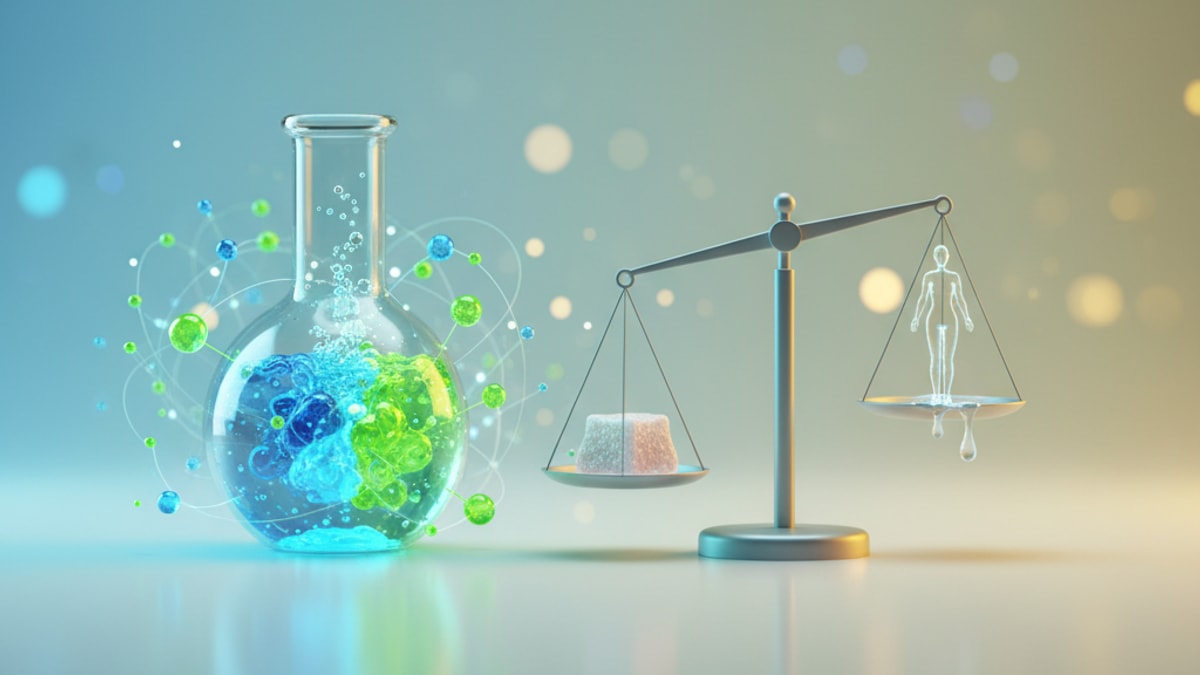
You’re doing everything right. You've cleaned up your diet, you're moving your body more, and you're staying hydrated. Yet, the scale refuses to cooperate, or worse, the number creeps back up. It’s a deeply frustrating place to be, and in that frustration, it’s only natural to start searching for a missing piece of the puzzle. That search often leads to the sprawling world of supplements, where bottles promise to unlock your body's hidden potential. One of the biggest promises we see today revolves around digestive enzymes.
The logic seems so simple, so appealing. If you digest your food better, your body will work more efficiently, your metabolism will fire up, and the extra weight will just melt away. It’s a compelling story. But here at TrimrX, our team is committed to the science of metabolic health, not just compelling stories. We work with the body's complex hormonal systems to create real, sustainable weight loss. So when we get asked, "will digestive enzymes help with weight loss?" our answer is nuanced. It’s not a simple yes or no. It’s a deep dive into what these molecules actually do, what they don’t do, and where they fit into a serious health journey.
First Things First: What Are Digestive Enzymes?
Before we can talk about weight loss, we need to be crystal clear on what we're even discussing. Think of digestive enzymes as microscopic biological scissors. Their one and only job is to break down the large molecules in the food you eat—proteins, carbohydrates, and fats—into smaller, absorbable components like amino acids, simple sugars, and fatty acids. Your body produces them naturally, primarily in your pancreas, stomach, and small intestine.
There are three main players in this game:
- Proteases: These go to work on proteins (found in meat, beans, dairy) and snip them into amino acids.
- Amylases: Their target is carbohydrates (like bread, pasta, and potatoes), which they break down into simple sugars like glucose.
- Lipases: These are responsible for breaking down fats and oils into smaller fatty acids and glycerol.
Without these enzymes, a beautiful, nutrient-rich meal would be largely useless to your body. The nutrients would be locked away in molecules too large for your intestines to absorb. So, in short, they are absolutely critical, non-negotiable elements for basic survival and health. They are fundamental to nutrition. But nutrition and fat loss are two very different things.
The Core Question: Will Digestive Enzymes Help with Weight Loss?
Here’s the unflinching truth our team has come to after years of focusing on metabolic science: Digestive enzymes are not a weight loss tool.
Let’s repeat that for emphasis. Taking a general digestive enzyme supplement will not directly cause you to burn more fat, speed up your metabolic rate in a meaningful way, or magically erase calories. The primary marketing claim—that better digestion equals faster weight loss—is a fundamental misunderstanding of human metabolism. In fact, more efficient digestion technically means you are absorbing more calories from your food, not fewer. If your body was previously failing to break down and absorb fats or carbs, and an enzyme helps you do that, you're actually increasing your caloric intake from the same meal.
This is where the marketing narrative completely falls apart. It preys on the hope that there's a simple hack, a single missing ingredient. But sustainable weight loss isn't about a digestive shortcut. It's a complex interplay of hormones like insulin and glucagon-like peptide-1 (GLP-1), genetics, lifestyle, and your body's unique metabolic signaling. It’s about addressing the root causes of why your body stores fat in the first place, not just about how efficiently you break down a piece of chicken.
The Real Culprit: Confusing Bloating with Fat
So why do so many people swear they feel “slimmer” or that their pants fit better after starting digestive enzymes? The answer is almost always about bloating, not fat.
It’s a huge distinction.
When you have trouble breaking down certain foods—maybe it's lactose in dairy, complex carbs in beans, or fats in a heavy meal—that undigested food travels to your colon. There, the bacteria in your gut have a feast. This fermentation process produces gas, which leads to that uncomfortable, pressurizing feeling of bloating and distension. It can make you feel heavy, sluggish, and several inches larger around the waist.
A digestive enzyme supplement, particularly one targeted at the food you struggle with (like lactase for dairy), can help break that food down before it becomes a banquet for your gut bacteria. Less fermentation means less gas. Less gas means less bloating. The result? You feel lighter, your stomach looks flatter, and you feel significantly more comfortable.
This is a real and valuable benefit for quality of life. We can't stress this enough: feeling good is important. But reducing bloat is not the same as reducing body fat. The fat cells are still there. The change is primarily water and gas, which is temporary. Our experience shows that people often mistake this immediate, tangible relief from bloating for genuine fat loss, creating a powerful placebo effect and a cycle of false hope.
Potential Indirect Benefits (and Some Very Big Caveats)
Now, this is where the conversation gets more interesting. While enzymes aren't a direct fat-burning tool, could they support a weight loss journey indirectly? Potentially, yes. But we need to be very precise about how.
-
Improved Nutrient Absorption from Healthy Foods: If you’re on a weight loss plan, you’re likely eating more lean protein, fiber-rich vegetables, and healthy fats. If your natural enzyme production is suboptimal, you might not be getting the full benefit of these amazing foods. An enzyme supplement could help you better absorb amino acids for muscle maintenance (which is crucial for metabolism) and micronutrients that support overall energy. This doesn't cause weight loss, but it helps create a healthier internal environment that is more conducive to it.
-
Reduced Digestive Discomfort: Let's be honest. It's incredibly difficult to stick to a workout plan or feel motivated to meal prep when you're constantly battling gas, cramping, or indigestion. By alleviating these symptoms, digestive enzymes can make it physically and mentally easier to adhere to the healthy habits that do lead to weight loss. You're more likely to go for that walk or hit the gym if your stomach isn't in knots.
-
Better Tolerance for Protein-Rich Diets: High-protein diets are a cornerstone of many effective weight loss strategies because they promote satiety and help preserve lean muscle mass. However, a sudden, dramatic increase in protein intake can be tough on the digestive system for some people. A protease-focused enzyme can help ease that transition, making a high-protein diet more sustainable.
The massive caveat here is that these are all supportive, secondary benefits. They are grease for the wheels, not the engine itself. Relying on enzymes as your primary strategy is like trying to fix a car's faulty engine by getting a new set of tires. The tires might make the ride a little smoother, but they won't fix the fundamental problem.
Comparing Digestive Enzyme Supplements
If, after consulting with a healthcare professional, you decide enzymes might help with your digestive comfort, it's important to understand that not all supplements are created equal. Here's a breakdown our team often uses to explain the different types:
| Enzyme Type | Primary Function | Best For… | Relevance to Weight Loss Journey |
|---|---|---|---|
| Broad-Spectrum | Contains a mix of proteases, amylases, and lipases to aid in general digestion. | Individuals with general sluggishness after meals, or those unsure of the specific trigger food. | Can potentially reduce overall bloating and discomfort, making it easier to stick with a new, healthy eating plan. |
| Protease-Focused | Specifically targets the breakdown of proteins. | People transitioning to a high-protein diet who experience heaviness, or those with known issues digesting meat or legumes. | Supports the ability to adhere to a high-protein diet, which is beneficial for satiety and muscle preservation during weight loss. |
| Lipase-Focused | Specifically targets the breakdown of fats and oils. | Individuals who feel nauseous or heavy after fatty meals; crucial for those with gallbladder or pancreas issues (under medical care). | Can help manage digestive side effects when incorporating healthy fats (like avocado, nuts, olive oil) into a diet. |
| Lactase/Alpha-Gal | Targets specific sugars, like lactose in dairy or oligosaccharides in beans. | People with diagnosed lactose intolerance or those who experience significant gas and bloating after eating beans or cruciferous vegetables. | Purely for symptom management. Alleviating this discomfort can improve quality of life, but has no direct link to fat loss. |
The Real Drivers of Lasting Weight Loss
So, if enzymes aren't the answer, what is? The answer lies deeper, in the complex world of your metabolism and hormonal signaling. This is the world we operate in every single day at TrimrX. For so many people struggling with weight, the issue isn't what's happening in their stomach, but what's happening in their cells and their brain.
The real battlefield is hormonal. It involves things like:
- Insulin Resistance: This is a condition where your body's cells stop responding properly to the hormone insulin. As a result, your body needs to produce more and more insulin to manage blood sugar, and high insulin levels are a powerful signal to your body to store fat and stop burning it. It’s a metabolic trap.
- Leptin and Ghrelin Imbalance: These are your 'fullness' and 'hunger' hormones. In many individuals with excess weight, the brain becomes resistant to leptin's signals, so you never truly feel satisfied. Meanwhile, ghrelin can drive powerful, relentless cravings.
- GLP-1 Deficiency: Glucagon-like peptide-1 (GLP-1) is a crucial gut hormone that tells your brain you're full, slows down how quickly your stomach empties (keeping you satisfied longer), and helps your pancreas release the right amount of insulin. Many people with obesity have a diminished GLP-1 response.
These are the formidable, moving-target objectives that must be addressed for sustainable weight loss. A digestive enzyme simply doesn't have the tools for this fight. It's not designed for it. This is precisely why medically-supervised programs utilizing advanced treatments like GLP-1 medications (such as Semaglutide and Tirzepatide) are creating such a paradigm shift. These treatments work by targeting the body’s metabolic control center. They help restore proper hormonal signaling, reduce hunger at the neurological level, and correct issues like insulin resistance.
This approach—which we've refined over years—delivers real results because it addresses the root biological cause, not just a downstream symptom like bloating. If you've been stuck in a cycle of trying everything without success, it might be because you've been fighting the wrong battle. If you're ready to see what a targeted, metabolic approach can do, we recommend you Take Quiz to see if you're a candidate. It’s about shifting focus from digestion to the deep, underlying biology of weight.
When Should You Actually Consider Digestive Enzymes?
Our goal isn't to dismiss digestive enzymes entirely. They have legitimate therapeutic uses. We just want to place them in their proper context. Our clinical team would recommend considering them under specific circumstances, always in consultation with a healthcare provider:
- Diagnosed Medical Conditions: For conditions like Exocrine Pancreatic Insufficiency (EPI), where the pancreas doesn't produce enough enzymes, prescription enzymes are not just helpful—they're essential for survival.
- Known Food Intolerances: If you have a confirmed lactose intolerance, a lactase enzyme can be a lifesaver for those times you want to enjoy a small amount of dairy without consequence.
- Age-Related Decline: It's true that natural enzyme production can decrease as we age. For some older adults, a broad-spectrum enzyme might help improve nutrient absorption and digestive comfort.
- After Gallbladder Removal: The gallbladder helps with fat digestion. After its removal, some people find that a lipase-containing enzyme helps them tolerate meals with moderate fat content better.
In these cases, the goal is to manage a specific digestive issue, improve nutrient status, or enhance quality of life. The goal is not, and should not be, weight loss.
Choosing an Enzyme Wisely (If It's Right for You)
If you and your doctor decide an enzyme supplement is appropriate for your digestive goals, don’t just grab the first bottle you see. Quality and formulation matter. A lot.
First, look at the units of activity, not just the milligrams. For enzymes, weight is irrelevant. What matters is their potency. You'll see letters like HUT (for proteases), DU (for amylases), and FIP (for lipases). Higher numbers generally mean higher potency, but the right dosage depends entirely on your individual needs.
Second, consider the source. Enzymes can be derived from animal sources (like pancreatin from pigs), plant sources (like bromelain from pineapple or papain from papaya), or microbial sources (from fungi or bacteria). Plant-based and microbial enzymes tend to be more stable in the acidic environment of the stomach.
Finally, and we can’t say this enough, talk to a professional. A supplement that helps one person could be useless or even cause discomfort for another. A tailored approach is always best. This is a core principle in all our programs, from metabolic treatments to supportive care. If you're ready to get that kind of personalized, science-backed guidance, you can Start Your Treatment with us today.
The search for a weight loss solution can be an exhausting journey, filled with promising claims and disappointing results. It's easy to get sidetracked by supplements like digestive enzymes that seem to offer a simple fix. While they play a critical role in digestive health and can be a powerful tool for managing bloating and discomfort, they are not the key to unlocking sustainable fat loss. True, lasting change comes from addressing the fundamental metabolic and hormonal signals that govern how your body uses and stores energy. It’s about working with your body's intricate systems, not just trying to optimize one small part of the digestive assembly line.
Frequently Asked Questions
Can digestive enzymes accidentally make you gain weight?
▼
While unlikely to cause significant weight gain, it’s theoretically possible. If you had poor absorption before, enzymes could help you absorb more calories from the same amount of food. However, this effect is generally negligible compared to overall diet and metabolic factors.
Do enzymes help with belly fat specifically?
▼
No, digestive enzymes do not target fat loss in any specific area of the body, including the belly. They may reduce bloating, which can make your stomach appear flatter, but this is a reduction in gas and water, not body fat.
How long does it take for digestive enzymes to work for bloating?
▼
For digestive symptoms like bloating and gas, you should notice a difference relatively quickly. Many people feel relief within 30 minutes to an hour after taking them with a meal, as they begin working as soon as they reach the stomach and small intestine.
Are there side effects to taking digestive enzymes?
▼
Most people tolerate them well, but some may experience mild side effects like nausea, diarrhea, or abdominal cramps, especially at high doses. It’s always best to start with a low dose and consult a healthcare professional.
Should I take enzymes with my GLP-1 medication like Semaglutide?
▼
This is a question for your prescribing physician. While there are no major known contraindications, GLP-1 medications slow digestion. Adding enzymes could potentially alter digestive timing, so it’s crucial to discuss any new supplements with your medical provider to ensure it aligns with your treatment plan.
What’s the difference between digestive enzymes and probiotics?
▼
They have very different jobs. Enzymes are like scissors that break down food molecules. Probiotics are live, beneficial bacteria that support gut health, immunity, and can help with digestion through fermentation. They can work together but are not interchangeable.
Do you really lose enzyme production as you age?
▼
Yes, for many people, the production of digestive enzymes, particularly by the pancreas, can decline with age. This can lead to increased digestive discomfort and bloating later in life, which is one reason some older adults find supplements helpful.
Can digestive enzymes help with food intolerances?
▼
They can help with specific intolerances, but not allergies. For example, lactase is an enzyme that helps break down lactose in dairy. However, enzymes cannot do anything for a true food allergy, which is an immune system reaction.
Is it better to get enzymes from food or supplements?
▼
Your body’s own production is the primary source. Certain raw foods like pineapple (bromelain) and papaya (papain) contain natural enzymes, but the concentration is often not high enough for a therapeutic effect. Supplements provide a much more potent and targeted dose.
What is the best time of day to take digestive enzymes?
▼
The best time is right before or at the very beginning of a meal. This timing allows the enzymes to mix with the food in your stomach and be ready to work as soon as digestion begins. Taking them long after a meal is ineffective.
Are plant-based or animal-based enzymes better?
▼
Neither is inherently ‘better,’ but they work differently. Plant-based and microbial enzymes are often preferred as they are active in a broader pH range, meaning they can start working in the stomach’s acid. Animal-based enzymes (pancreatin) typically only become active in the more alkaline small intestine.
Will enzymes help me digest protein shakes better?
▼
Yes, this is a common and effective use. If you experience bloating or discomfort from whey or casein protein shakes, a supplement high in proteases can help break down the concentrated protein, making it easier on your system.

Transforming Lives, One Step at a Time
Keep reading
Is Bupropion an SSRI or a Different Antidepressant?
A lot of people ask the same question at some point: is bupropion an SSRI? It usually comes up after hearing about medications like…

Do You Need a Prescription for GLP-1s? The 2026 Answer
Wondering ‘do you need a prescription for glp 1’ in 2026? Yes. We explain why a doctor’s oversight is critical for safe, effective results.

How to Get GLP-1 Covered By Insurance: Our 2026 Playbook
Struggling with how to get glp-1 covered by insurance? Our 2026 guide breaks down prior authorizations, appeals, and documentation.


