Will Estrogen Help With Weight Loss? A Doctor’s View
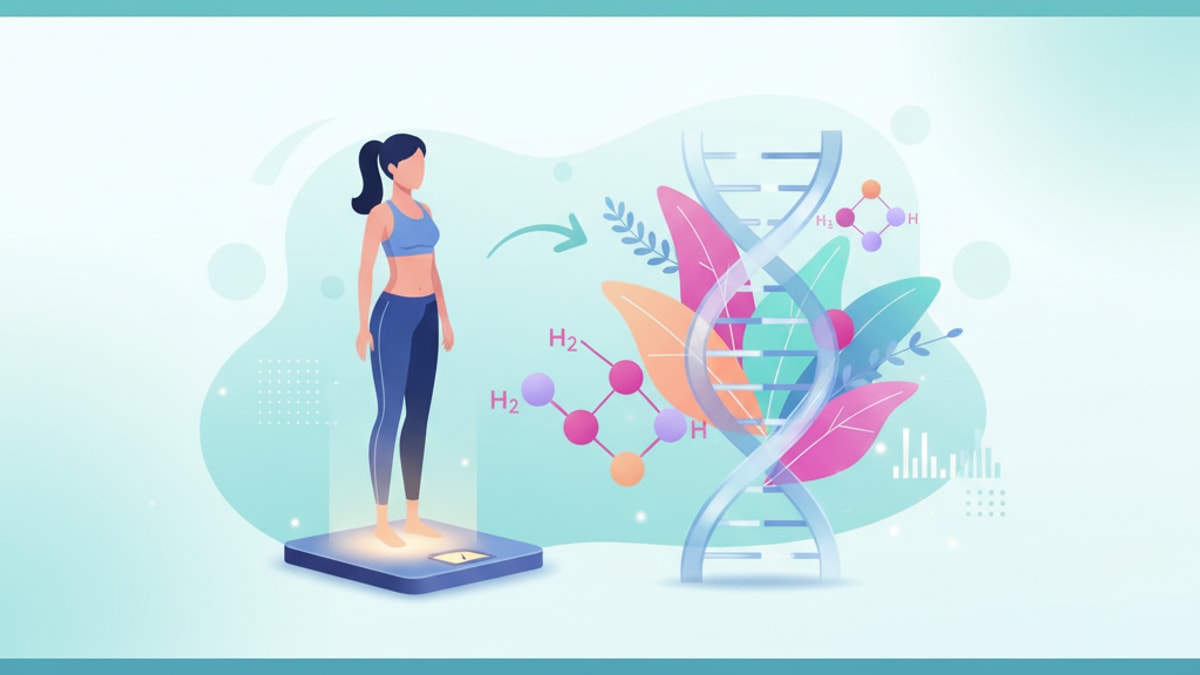
It’s one of the most persistent and frustrating questions we encounter in our work. You’re eating well. You’re moving your body. You're trying to do everything right, but the number on the scale is either stuck or, worse, creeping up. So you start digging, and a question surfaces: will estrogen help with weight loss? It seems logical, right? Weight issues often become more pronounced when estrogen levels start to decline, particularly during perimenopause and menopause. The connection feels undeniable.
Let's be direct. The answer isn't a simple yes or no. It's a complex interplay of biology, metabolism, and timing. Our team at TrimrX has spent years guiding patients through the formidable challenges of weight management, especially when hormones are a primary factor. We've seen firsthand how hormonal shifts can feel like a betrayal by your own body. This isn't just about willpower. It's about biochemistry. We're here to give you an unflinching, science-backed look at estrogen's true role and how it fits into a modern, effective weight loss strategy.
Understanding Estrogen's Real Job
Before we can talk about weight, we have to talk about what estrogen actually is and does. It’s not just one hormone; it's a class of hormones, with estradiol being the most potent and prevalent during your reproductive years. Think of estrogen as a master regulator. It plays a sprawling role in everything from bone density and cardiovascular health to mood and, yes, body composition and metabolism.
For decades, its primary association was with the reproductive system. But we now know its influence is far more profound. Estrogen receptors are found all over the body—in the brain, in fat cells (adipose tissue), in muscle, in the liver, and in the pancreas. This means it has a direct line of communication with the very organs that dictate how your body uses and stores energy.
It helps regulate insulin sensitivity, which is critical for managing blood sugar. Good insulin sensitivity means your cells can effectively pull glucose from your bloodstream for energy. When that process becomes sluggish (a condition known as insulin resistance), your body is more likely to store that excess glucose as fat. Estrogen helps keep that system running smoothly. It also has a say in how your body decides where to store fat. In your younger years, when estrogen is abundant, the body tends to favor subcutaneous fat storage (the fat just under the skin), often around the hips and thighs. This is a metabolically healthier pattern.
It’s a powerful, non-negotiable element of your metabolic health. Not a diet tool.
The Great Hormonal Shift: When Estrogen Declines
Now, this is where it gets interesting—and for many, incredibly challenging. The transition into perimenopause and menopause is marked by a significant, sometimes dramatic, drop in estrogen production. This isn't a gentle tapering off; it's often a chaotic fluctuation that eventually leads to consistently low levels. And this is precisely when many people notice unwelcome changes in their body.
What’s happening under the surface? As estrogen levels fall, its protective, regulatory influence weakens. Several things start to go sideways:
- Metabolic Slowdown: Your basal metabolic rate (BMR), the number of calories your body burns at rest, tends to decrease. This means you need fewer calories to maintain your current weight than you did before. If you keep eating the same way, weight gain is almost inevitable.
- Increased Insulin Resistance: The system that managed blood sugar so well starts to falter. Your body has to work harder to control blood glucose, which promotes fat storage and can increase cravings for carbohydrates and sugar. It’s a vicious cycle.
- Fat Redistribution: This is a big one. The body's fat storage pattern shifts. Instead of storing fat subcutaneously, the body begins to favor visceral fat storage. This is the dangerous, metabolically active fat that accumulates deep within the abdominal cavity, surrounding your organs. Visceral fat is a major driver of inflammation and is strongly linked to chronic diseases like type 2 diabetes and heart disease. It's why many notice a shift from a 'pear' shape to an 'apple' shape.
- Loss of Muscle Mass: Estrogen plays a role in maintaining muscle. As it declines, sarcopenia (age-related muscle loss) can accelerate. Since muscle is metabolically active tissue, losing it further slows your metabolism. Less muscle means you burn fewer calories, even when you're not exercising.
It’s a perfect storm. Your metabolism slows, your body becomes less efficient at handling sugar, you start storing fat in the most dangerous places, and you lose the very tissue that helps you burn calories. It's not your imagination. It is biologically harder to manage your weight during this life stage.
So, Will Estrogen Therapy Directly Cause Weight Loss?
Here’s the core of the issue. Given all the problems that low estrogen causes, it seems logical that replacing it with Hormone Replacement Therapy (HRT) would reverse the trend and lead to weight loss. The reality is more nuanced.
Estrogen therapy is not a weight loss drug. We can't stress this enough.
The primary goal of HRT is to alleviate the often debilitating symptoms of menopause—hot flashes, night sweats, mood swings, brain fog, and vaginal dryness—and to provide long-term protection against osteoporosis. Its effect on weight is a secondary, and often indirect, benefit. Our experience shows that for many people on HRT, the scale might not move dramatically at first. What does change, however, is body composition.
Studies and our own professional observations suggest that estrogen therapy can help halt or even reverse the shift toward visceral fat accumulation. It encourages the body to return to a healthier, subcutaneous fat storage pattern. It can also help preserve, or even build, lean muscle mass, especially when combined with resistance training. So, while your total weight might not plummet, you might find that your clothes fit better, your waistline shrinks, and you feel stronger. This is a massive win for your metabolic health.
Some people do experience a modest weight loss on HRT, often because the therapy improves other factors. When you're sleeping better because night sweats are gone, and your mood and energy levels are improved, you're far more likely to have the motivation to exercise and make healthier food choices. By treating the root symptoms, HRT creates an environment where weight loss becomes possible again.
But relying on it as your sole strategy is a mistake. It’s one piece of a much larger, more complex puzzle.
The Modern Approach: Combining Hormonal Balance with Metabolic Science
This is where we, at TrimrX, see the future of weight management, especially for those navigating hormonal changes. Believing that estrogen alone will solve the weight puzzle is a disservice. It’s like trying to fix a complex engine with just one tool. You need a comprehensive toolkit.
While HRT can help reset the hormonal environment, it doesn't always fully counteract the years of metabolic slowdown or the ingrained patterns of insulin resistance. That’s why we’ve built our programs around the most advanced, medically-supervised treatments available today, specifically GLP-1 receptor agonists like Semaglutide and Tirzepatide.
These are not hormonal treatments. They work on a completely different, yet incredibly complementary, pathway.
GLP-1s are powerful medications that address weight loss from a metabolic and neurological angle. They work by mimicking a natural gut hormone that tells your brain you're full, slows down how quickly your stomach empties, and improves your body's insulin response. The effect is profound. It directly targets the biological drivers of overeating and poor blood sugar control that are so common during the menopausal transition.
Let's compare the mechanisms directly to see how they can work in synergy.
| Feature | Estrogen Replacement Therapy (HRT) | GLP-1 Receptor Agonists (e.g., Semaglutide) |
|---|---|---|
| Primary Mechanism | Replaces declining hormone levels to restore systemic balance. | Mimics the gut hormone GLP-1 to regulate appetite and insulin. |
| Effect on Fat Storage | Helps prevent visceral fat accumulation and promotes healthier subcutaneous fat patterns. | Promotes overall fat loss, including visceral fat, by reducing caloric intake and improving metabolism. |
| Effect on Appetite | Indirect effect; improved mood and energy may lead to better appetite control. | Direct and powerful effect; significantly reduces hunger and increases feelings of fullness (satiety). |
| Effect on Insulin | Helps improve insulin sensitivity over time. | Directly enhances the body's own insulin secretion in response to glucose, improving blood sugar control. |
| Muscle Mass | Helps preserve lean muscle mass, especially with exercise. | Weight loss includes both fat and some muscle; resistance training is crucial to mitigate muscle loss. |
| Primary Goal | Alleviate menopausal symptoms and protect long-term health. | Induce significant and sustainable weight loss and improve metabolic health markers. |
Looking at this table, it becomes clear they aren't competing solutions. They are allies. HRT works to restore the foundational hormonal balance, making your body less prone to storing dangerous fat and losing muscle. A GLP-1 medication, on the other hand, provides the powerful metabolic and appetite-regulating support needed to achieve significant weight loss. It quiets the 'food noise' and fixes the broken blood sugar signaling that estrogen decline set in motion.
This two-pronged approach is, in our professional opinion, the most effective way to tackle hormonally-driven weight gain. You're not just patching one hole; you're overhauling the entire system.
Building Your Comprehensive Strategy
So, will estrogen help with weight loss? It can help create the conditions for weight loss and, more importantly, for a healthier body composition. But it's rarely the complete answer.
A truly effective plan is a multi-layered one. It's about seeing the bigger picture.
First, you need a solid foundation of lifestyle habits. This is non-negotiable, regardless of any medical treatment you pursue. It means prioritizing protein to support muscle mass, engaging in regular resistance training to fight sarcopenia, managing stress (which floods your body with the fat-storing hormone cortisol), and getting adequate sleep.
Second, a conversation with a qualified healthcare provider about HRT is essential if you're experiencing menopausal symptoms. It’s about quality of life and long-term health, with potential body composition benefits being a welcome side effect.
Third, and this is where the game truly changes, is considering a modern, medical weight loss solution. If your weight is impacting your health and you've struggled to make progress despite your best efforts, it's time to look beyond traditional methods. Understanding your unique metabolic profile is the first step. You can Take Quiz on our website to see if a medically-supervised program is the right fit for your situation. Our team is here to evaluate your health and determine if a treatment like a GLP-1 medication can provide the breakthrough you need.
This isn't about finding a single magic bullet. It’s about intelligent, strategic layering. It's about using the best tools science has to offer to fight back against a biological process that can feel relentless. When you're ready to move beyond hormonal guesswork and implement a plan that addresses the root causes of weight gain, you can Start Your Treatment with our dedicated medical team. We've seen this integrated approach deliver results that were once unimaginable.
The journey through perimenopause and beyond presents a formidable health challenge. But you have more power and more options than ever before. It's not about choosing between hormones or a modern medication; it's about understanding how they can work together to help you reclaim your health, your vitality, and your confidence. The science is finally catching up to the struggle, and the solutions are more promising than ever.
Frequently Asked Questions
Can I take estrogen for the sole purpose of losing weight?
▼
No, our medical team strongly advises against this. Estrogen therapy is prescribed to manage the symptoms of menopause and for long-term health benefits like bone protection. It is not approved as a weight loss drug, and using it without a proper medical reason carries risks.
What’s more effective for weight loss: estrogen or a GLP-1 medication like Semaglutide?
▼
For direct and significant weight loss, GLP-1 medications are far more effective. Estrogen’s primary role is hormonal balance and symptom relief, with indirect benefits for body composition, while GLP-1s directly target appetite and metabolism to drive weight reduction.
Will I gain all the weight back if I stop taking estrogen?
▼
Not necessarily, but you may notice a return of the tendency to gain visceral fat if you don’t maintain a healthy lifestyle. HRT helps manage the ‘where’ of fat storage, so stopping it can cause that pattern to revert without diligent diet and exercise.
Does the type of estrogen therapy matter for weight management?
▼
Yes, it can. Transdermal estrogen (patches, gels) is often preferred as it’s processed differently by the body and may have a more favorable impact on metabolic markers compared to oral estrogen. This is a crucial conversation to have with your prescribing doctor.
How long does it take to see body composition changes on HRT?
▼
It’s a gradual process. While menopausal symptoms can improve within weeks, noticeable changes in muscle preservation and fat distribution can take several months to a year. Consistency is absolutely key.
Can I use a GLP-1 medication and be on HRT at the same time?
▼
Yes, many people do. They work on different biological pathways and can be a powerful combination under medical supervision. HRT addresses the hormonal foundation, while GLP-1s provide robust metabolic and weight loss support.
Does progesterone in HRT affect weight?
▼
It can. Some synthetic progestins can cause side effects like bloating and may counteract some of estrogen’s metabolic benefits. Many providers now prefer micronized progesterone, which is bioidentical and tends to have a more neutral or even beneficial effect on sleep and mood.
Why do I feel hungrier during perimenopause?
▼
Hormonal fluctuations can directly impact your appetite-regulating hormones, ghrelin (the ‘hunger’ hormone) and leptin (the ‘fullness’ hormone). As estrogen and progesterone fluctuate, this delicate balance is disrupted, often leading to increased hunger and cravings.
Will losing weight help my menopause symptoms?
▼
It certainly can. Excess body fat, especially visceral fat, can exacerbate inflammation and hormonal imbalances. Achieving a healthier weight can sometimes reduce the severity of symptoms like hot flashes and improve overall energy and mood.
Is it possible to lose belly fat after menopause without any medication?
▼
It’s possible, but it is significantly more difficult due to the hormonal and metabolic shifts. It requires an extremely diligent approach focused on a high-protein diet, consistent resistance training, stress management, and optimal sleep.
Does estrogen affect how my body processes carbohydrates?
▼
Absolutely. Estrogen plays a vital role in maintaining insulin sensitivity. When estrogen levels drop, your body becomes less efficient at processing carbohydrates, making it more likely that they’ll be stored as fat, particularly visceral fat.
Can starting HRT cause initial weight gain?
▼
Some people experience temporary fluid retention or bloating when first starting estrogen, which can show up on the scale as a pound or two. This is typically not true fat gain and often resolves as your body adjusts to the therapy over a few weeks.

Transforming Lives, One Step at a Time
Keep reading

Do You Need a Prescription for GLP-1s? The 2026 Answer
Wondering ‘do you need a prescription for glp 1’ in 2026? Yes. We explain why a doctor’s oversight is critical for safe, effective results.

How to Get GLP-1 Covered By Insurance: Our 2026 Playbook
Struggling with how to get glp-1 covered by insurance? Our 2026 guide breaks down prior authorizations, appeals, and documentation.

Traveling with GLP-1s in 2026: Your Essential Trip-Proof Plan
Don’t let travel disrupt your GLP-1 treatment. Learn how to travel with glp 1 medications safely and stress-free in our 2026 expert guide.


