Will Weight Loss Lower Cholesterol? The Unfiltered Answer
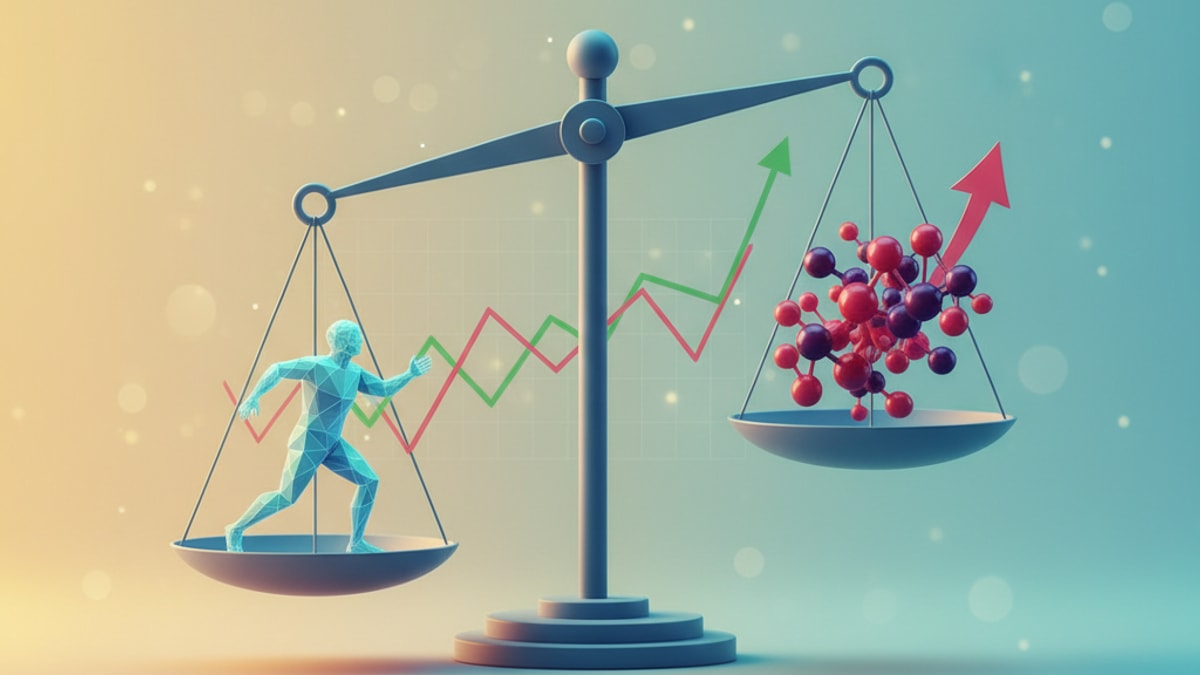
You just got your lab results back. You scan past the normal readings, your eyes landing on the lipid panel. The numbers are… not great. Your doctor mentions diet, exercise, and maybe even medication down the road. Then, the big question comes up, either from your doctor or from your own internal monologue: what about your weight?
It’s a question we hear constantly from patients starting their journey with us. They want to know, point-blank, will weight loss lower cholesterol? The short answer is an emphatic yes. It's one of the most powerful non-pharmaceutical tools we have for managing cholesterol. But we've found that the simple 'yes' is where the real conversation begins, not where it ends. The relationship is far more nuanced, and understanding the mechanics behind it is the key to making lasting, meaningful changes to your health.
The Unmistakable Link Between Body Fat and Cholesterol
Let’s get right to it. Why does excess body weight, particularly abdominal fat, throw your cholesterol numbers out of whack? It's not just about carrying extra pounds; it’s about what those pounds are doing on a metabolic level. Think of visceral fat—the fat stored deep within your abdominal cavity, surrounding your organs—as a metabolically active organ itself. It's not just sitting there. It's busy.
Unfortunately, it's busy doing the wrong things. This type of fat churns out inflammatory substances and directly influences your liver's behavior. Your liver is the body's primary cholesterol production facility. When it's getting signals from excess visceral fat, it tends to go into overdrive, producing more LDL (the 'bad' cholesterol) and triglycerides. It’s a cascade effect. Lose the fat, and you start to quiet those problematic signals, allowing your body's natural systems to find a healthier equilibrium. We've seen it work time and time again. It’s biology in action.
A Quick Refresher on Your Lipid Panel
Before we go deeper, let's quickly decode that lab report. When we talk about cholesterol, we're really talking about a panel of different fats and proteins, called lipoproteins, circulating in your blood. Understanding them is critical.
- Low-Density Lipoprotein (LDL): This is the infamous 'bad' cholesterol. Think of LDL as the delivery trucks that carry cholesterol from your liver to the rest of your body. When you have too many of these trucks on the road, they can start dropping their cargo inside your arteries, leading to plaque buildup (atherosclerosis). The goal is to keep this number low.
- High-Density Lipoprotein (HDL): This is the 'good' cholesterol. HDL acts as the cleanup crew. These are the garbage trucks that scavenge excess cholesterol from your arteries and transport it back to the liver for disposal. You want this number to be high.
- Triglycerides: This is another type of fat in your blood. Your body converts any calories it doesn't need to use right away into triglycerides, which are then stored in your fat cells. High levels are often linked to the same lifestyle factors that raise LDL, and they're an independent risk factor for heart disease.
- Total Cholesterol: This is simply the combined sum of your LDL, HDL, and other lipid components. While it's a useful starting point, our team focuses more on the ratio and the individual numbers, as they tell a much more detailed story about your metabolic health.
Getting a handle on these numbers isn't just about passing your next physical. It's about fundamentally changing your risk profile for cardiovascular disease. It’s a big deal.
How Weight Loss Mechanically Remodels Your Numbers
Okay, so we know losing weight helps. But how, exactly? What's happening under the hood when the number on the scale starts to drop? It’s a multi-faceted process that creates a positive feedback loop for your entire system.
First, as you lose body fat, especially that pesky visceral fat, your liver gets a break. The constant signaling to produce more triglycerides and VLDL (Very Low-Density Lipoprotein, a precursor to LDL) diminishes. Your internal cholesterol factory slows down its production of the bad stuff. This is the most direct and impactful change we see.
Second, the process of losing weight usually involves lifestyle changes. Increased physical activity, for instance, is a proven way to boost your HDL—the 'good guy' cholesterol. Exercise stimulates enzymes that help with this reverse cholesterol transport, essentially making your cleanup crew more efficient. Even moderate activity, like consistent walking, can make a measurable difference.
Third, changes in diet that accompany weight loss play a massive role. Reducing your intake of saturated fats, trans fats, and simple sugars doesn't just cut calories; it directly reduces the building blocks for LDL and triglycerides. Swapping those for fiber-rich foods like oats, fruits, and vegetables can actively help lower LDL. It's a two-for-one benefit. You're losing weight and improving the quality of what your body has to work with. Our experience shows that when patients combine a structured weight loss plan with mindful eating, the results on their lipid panel are often accelerated.
It isn't just one thing. It's a symphony of positive changes working together.
Why Your Weight Loss Method is Everything
Here’s a critical point we can't stress enough: how you lose weight matters just as much as the weight loss itself. A drastic, unsustainable crash diet might make the scale number drop quickly, but it can wreak havoc on your metabolism and often leads to rebound weight gain, which can be even worse for your cholesterol in the long run.
Losing weight too quickly, especially through severe calorie restriction without adequate protein, can lead to muscle loss. Muscle is metabolically active tissue that helps regulate blood sugar and lipids. Losing it is counterproductive. This is why a sustainable, gradual approach is non-negotiable for long-term health. The goal isn't just to be lighter; it's to be healthier, stronger, and metabolically more efficient.
This is precisely where a medically-supervised program changes the game. At TrimrX, our entire philosophy is built around achieving sustainable results by addressing the underlying biology. We don’t just focus on the scale. We focus on improving body composition—losing fat while preserving, or even building, lean muscle. By using advanced tools like GLP-1 medications (Semaglutide and Tirzepatide) under the guidance of our medical team, we help our patients achieve this in a way that feels manageable, not punishing. The medications help regulate appetite and improve insulin sensitivity, creating a biological environment where your body is more willing to let go of fat stores. It’s a smarter, not harder, approach.
If you've tried and failed with traditional diets before, it's likely not a failure of willpower but a failure of the method. Understanding if your body is a candidate for a new approach is a great first step. You can easily Take Quiz on our site to see if a medically-assisted plan is right for your unique situation.
Different Paths to Weight Loss and Cholesterol Control
Navigating the world of weight loss can be confusing. There are countless philosophies and programs, all promising results. From our professional standpoint, here's how they generally stack up in terms of their impact on your cholesterol.
| Approach | LDL ('Bad') Impact | HDL ('Good') Impact | Triglyceride Impact | Sustainability & Guidance |
|---|---|---|---|---|
| DIY Calorie Counting | Moderate Reduction | Minimal to Moderate Increase | Moderate Reduction | Low sustainability; prone to plateaus and frustration. No expert guidance. |
| Trendy/Fad Diets (e.g., Keto, Paleo) | Variable; can increase LDL in some individuals due to high saturated fat. | Often Increases | Significant Reduction | Very low long-term sustainability. Can be nutritionally imbalanced without guidance. |
| Exercise-Only Approach | Minimal to Moderate Reduction | Moderate to Significant Increase | Moderate Reduction | Difficult to achieve significant weight loss alone; high sustainability for fitness but not always for weight/cholesterol. |
| Medically-Supervised Program (e.g., TrimrX) | Significant Reduction | Moderate to Significant Increase | Significant Reduction | High sustainability with ongoing support. Addresses biology and behavior with expert medical oversight. |
As the table illustrates, a comprehensive, medically-guided approach consistently delivers the most balanced and significant improvements across the entire lipid panel. It's not about a single magic bullet; it's about an integrated strategy that addresses the root causes. It's about making the process effective and, crucially, sustainable.
How Much Weight Do I Really Need to Lose?
This is one of the most common—and important—questions we get. Many people feel overwhelmed, thinking they need to lose 50 or 100 pounds to see any health benefits. The good news? That's absolutely not the case.
The clinical data is incredibly encouraging. Research has consistently shown that losing just 5% to 10% of your total body weight can lead to dramatic improvements in your cholesterol and triglyceride levels. For someone who weighs 200 pounds, that’s a loss of just 10 to 20 pounds. That’s it.
Think about that. A 10-pound weight loss can be enough to significantly lower your LDL, slash your triglycerides, and give your HDL a nice boost. Our team has found this to be a powerful motivator for our patients. We don't start with a daunting, far-off goal. We start with a manageable, achievable target of 5-10%. Once patients hit that milestone and see the concrete proof in their follow-up lab work, it builds incredible momentum for the rest of their journey. It proves that their efforts are working, which is the best motivation there is.
So, don't get paralyzed by the final number. Focus on the first 10%. It will make a bigger difference than you can possibly imagine.
A Realistic Timeline for Seeing Cholesterol Changes
Another question we hear is, “How long will it take?” It’s human nature to want to see results quickly. While weight loss itself can start within the first couple of weeks of a dedicated program, the changes in your bloodwork take a little more time to manifest. But maybe not as long as you think.
Generally, you can expect to see measurable changes in your lipid panel within about three months of consistent lifestyle changes and weight loss. Some individuals, particularly those who make significant dietary changes and start a consistent exercise routine, might see improvements even sooner. Triglycerides, for example, are often the first to respond and can drop quite rapidly.
LDL and HDL changes tend to be more gradual. It takes time for your body to adjust its internal cholesterol production and transport systems. We typically recommend our patients get a follow-up lipid panel done about 12 weeks after starting their program with TrimrX. This is the sweet spot—enough time has passed to see real, meaningful change, providing that crucial validation and motivation we talked about.
Patience is key. This is a long-term investment in your health, not an overnight fix. But the changes are happening, even before they're fully reflected in your lab report.
The Journey to Better Health is Holistically Driven
While weight loss is a formidable weapon in the fight against high cholesterol, it's one part of a larger strategy. True, lasting health comes from a holistic approach. At TrimrX, we guide our patients to think beyond the scale and medication. We encourage them to build a foundation of healthy habits that will serve them for life.
This includes:
- Prioritizing Sleep: Poor sleep messes with the hormones that regulate appetite and stress, which can indirectly impact your cholesterol.
- Managing Stress: Chronic stress floods your body with cortisol, a hormone that can drive up cholesterol levels. Finding healthy coping mechanisms is non-negotiable.
- Building a Better Diet: Focusing on whole foods, lean proteins, healthy fats, and tons of fiber. This isn't about restriction; it's about adding more of the good stuff.
- Moving Your Body: Finding a form of physical activity you actually enjoy. Consistency beats intensity every single time.
A medically-supervised program provides the structure and biological support to make these changes easier to implement. When your body isn't fighting against you with constant hunger and cravings, building these other healthy habits becomes exponentially more achievable. It's all connected.
The path to lowering your cholesterol and improving your heart health is clear. It involves a dedicated effort, but it's far from impossible. With the right strategy, the right support, and a commitment to a sustainable approach, you can take control of your numbers and, more importantly, your long-term well-being. The power to change your health profile is genuinely within your reach.
If you're looking at that lab report and feeling ready to make a real change, we're here to help you build that strategy. It's time to transform your health from the inside out. It’s time to Start Your Treatment Now.
Frequently Asked Questions
Will losing just 10 pounds really lower my cholesterol?
▼
Yes, absolutely. Clinical studies and our own patient data show that even a modest weight loss of 5-10% of body weight—which is just 10-20 pounds for a 200-pound person—can significantly reduce LDL (‘bad’) cholesterol and triglycerides.
How quickly can I expect my cholesterol to improve after losing weight?
▼
While every individual is different, many people see measurable improvements in their lipid panel within 3 months of consistent weight loss and lifestyle changes. Triglycerides often respond the fastest, sometimes dropping in just a few weeks.
Do GLP-1 medications like Semaglutide directly lower cholesterol?
▼
While GLP-1 medications are primarily for weight loss and blood sugar control, emerging research suggests they may have direct beneficial effects on cardiovascular markers. However, their main impact on cholesterol comes from the significant and sustainable weight loss they facilitate.
Is it possible for my cholesterol to go up if I lose weight too fast?
▼
It’s possible, particularly on certain very-low-carb or ketogenic diets, where a temporary rise in LDL can occur. This is why a balanced, medically-supervised approach is so important to ensure you’re losing weight in a healthy, sustainable way that supports, not harms, your lipid profile.
If I regain the weight, will my high cholesterol come back?
▼
Unfortunately, yes. The benefits to your cholesterol are directly tied to maintaining the weight loss. This underscores the importance of choosing a sustainable weight loss method that includes behavioral support to prevent rebound weight gain.
Which type of cholesterol is most affected by weight loss?
▼
Triglycerides are typically the most responsive to weight loss, often showing the most dramatic and rapid decrease. Significant reductions in LDL (‘bad’) cholesterol and increases in HDL (‘good’) cholesterol also occur, but may be more gradual.
Can I lower my cholesterol without losing weight?
▼
Yes, you can make improvements through diet (like increasing soluble fiber and reducing saturated fat) and exercise alone. However, if you are overweight, combining these strategies with weight loss provides a much more powerful, synergistic effect on your lipid profile.
Does the location of my body fat matter for cholesterol?
▼
Absolutely. Visceral fat, the fat stored around your internal organs in the abdominal area, is far more metabolically active and dangerous than subcutaneous fat (fat under the skin). Losing this specific type of fat has the most profound impact on improving cholesterol levels.
What’s more important for cholesterol: diet or exercise?
▼
Both are critical, but they have different primary effects. Diet has a more direct impact on lowering LDL and triglycerides, while exercise is one of the best ways to raise protective HDL. A truly effective plan must incorporate both elements.
Will a program like TrimrX help me keep the weight off for good?
▼
Our goal at TrimrX is sustainable, long-term health. By combining medical science with ongoing support and education, we help you build new habits and address the biological factors that drive weight gain, giving you the tools to maintain your results for life.
Do I have to stop eating all my favorite foods to lower my cholesterol?
▼
Not at all. A successful long-term plan is about balance and moderation, not extreme deprivation. We help our patients learn how to incorporate their favorite foods into a healthier overall eating pattern that still achieves their health goals.

Transforming Lives, One Step at a Time
Keep reading

Do You Need a Prescription for GLP-1s? The 2026 Answer
Wondering ‘do you need a prescription for glp 1’ in 2026? Yes. We explain why a doctor’s oversight is critical for safe, effective results.

How to Get GLP-1 Covered By Insurance: Our 2026 Playbook
Struggling with how to get glp-1 covered by insurance? Our 2026 guide breaks down prior authorizations, appeals, and documentation.

Traveling with GLP-1s in 2026: Your Essential Trip-Proof Plan
Don’t let travel disrupt your GLP-1 treatment. Learn how to travel with glp 1 medications safely and stress-free in our 2026 expert guide.


