How Many Doses Are in a Mounjaro Pen?
Introduction
Standing in front of the refrigerator with a new prescription box can feel like a major milestone in your wellness journey. After years of navigating the frustrations of traditional dieting, you finally have access to a tool that works with your biology to support sustainable weight management. However, many people find themselves momentarily confused when they first open their medication. You might wonder if you have enough to last the month or if you are missing pieces of your kit. At TrimRx, we believe that understanding the logistics of your treatment is just as essential as the medication itself. This article covers the standard monthly supply for Mounjaro®, the mechanical differences between pen formats, and how your dosing schedule influences your results. Our goal is to help you feel confident as you navigate the transition to a healthier lifestyle through a personalized, medically supervised program.
Quick Answer: In the United States, a standard Mounjaro® pen contains exactly one dose. For a typical month of treatment, you will receive a box containing four single-dose pens, which are intended to be used once per week over a 28-day cycle. If you are considering a prescription weight-management program, you can complete a free eligibility assessment to review whether it may be appropriate for you.
The Single-Dose Pen vs. Multi-Dose Systems
The answer to how many doses are in a pen can actually vary depending on where you live and the specific format your provider has prescribed. Understanding these differences is vital to ensure you are administering the correct amount of medication. For a broader look at weekly schedules, review this guide to how often tirzepatide is taken.
The Standard U.S. Single-Dose Auto-Injector
For the vast majority of individuals in the U.S., Mounjaro® is dispensed as a single-dose, pre-filled auto-injector. This device is designed for simplicity and safety. The needle is hidden inside the housing of the pen, and the device is engineered to deliver the entire contents of the cartridge in one click.
Because the entire volume is used at once, you must have four separate pens to get through a four-week treatment cycle. These pens are not refillable and cannot be adjusted. Once the injection is complete, the needle retracts, and the device is safely discarded.
The International KwikPen System
In certain international markets, such as the United Kingdom and Canada, the medication may be provided in a format known as the KwikPen. Unlike the standard U.S. version, the KwikPen is a multi-dose device.
This single pen contains enough medication for four separate weekly doses. Instead of throwing the pen away after one use, you attach a new, disposable needle each week and “click” the dial to the prescribed dose. If you have this format, you only receive one pen per month, but you are still performing four distinct injections.
Personalized Vials and Compounded Options
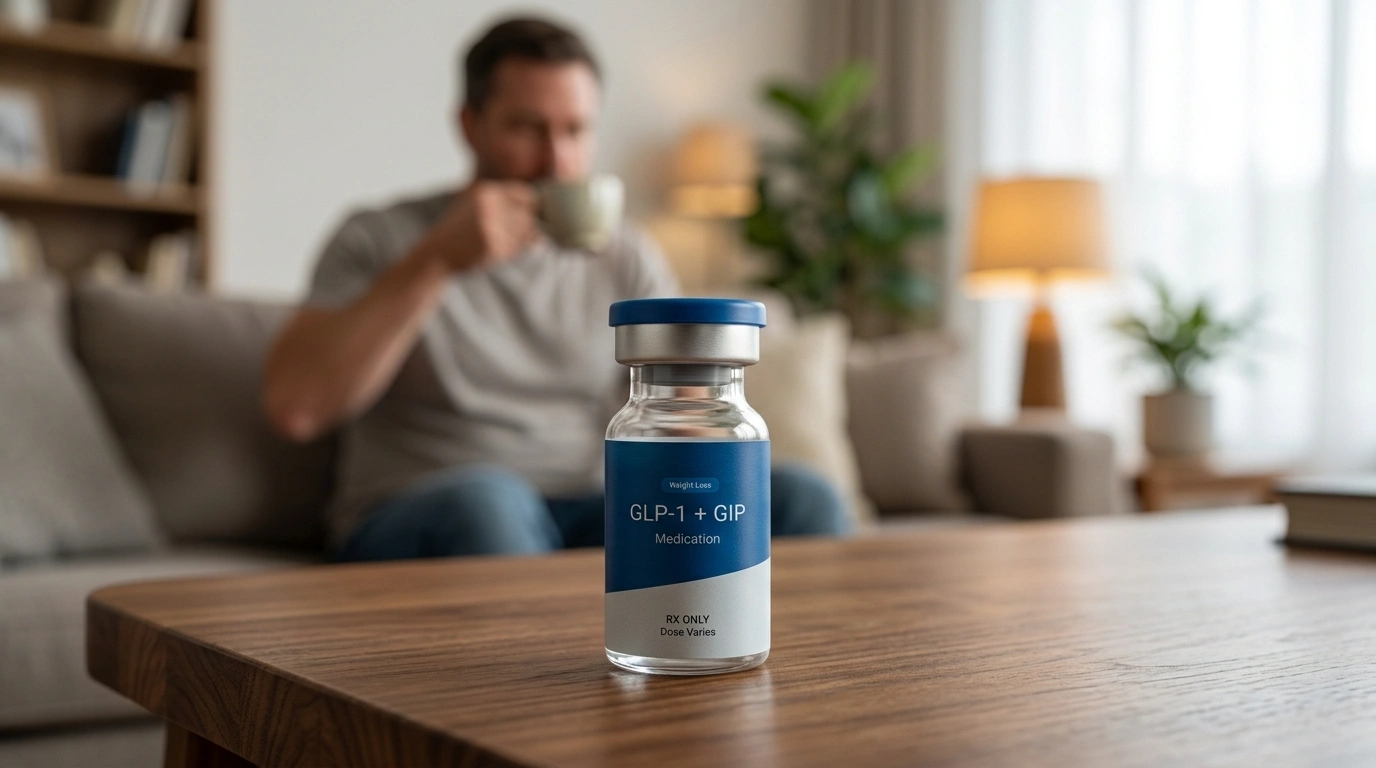
In many telehealth settings, individuals may receive their medication in a glass vial rather than a pre-filled pen. This is common when using compounded medications prepared by state-licensed, inspected compounding pharmacies. In this scenario, the “monthly supply” is determined by the total volume of liquid in the vial.
You would use a fresh insulin syringe each week to draw up the specific dose prescribed by your licensed provider. While this requires a bit more manual handling than a pen, it allows for a highly personalized approach to dosing. At TrimRx, we connect our members with providers who can determine if these flexible, compounded options are appropriate for their specific health needs. If you want to discuss whether a personalized prescription program may fit your needs, start the assessment process.
| Pen Format | Doses Per Pen | Doses Per Month | Typical Packaging |
|---|---|---|---|
| U.S. Single-Dose Pen | 1 Dose | 4 Doses | 4 Pens per box |
| Multi-Dose KwikPen | 4 Doses | 4 Doses | 1 Pen per box |
| Compounded Vial | Multi-dose | Variable | 1 Vial per month |
Key Takeaway: Regardless of whether you use a single-dose pen, a KwikPen, or a vial, a standard month of treatment always consists of four weekly doses to maintain a steady state of the medication in your system.
Understanding Your Monthly Supply
Because Mounjaro® is intended to be taken once every seven days, the medical community and pharmacies organize treatment into 28-day blocks. When you receive a box of branded Mounjaro® in the U.S., all four pens inside will contain the exact same strength. For more detail about pen strengths and dose formats, see this tirzepatide dosage chart.
If your provider has started you on the initiation dose, every pen in that box will be 2.5 mg. You will never find different strengths mixed within the same box. This ensures that your body receives a steady, predictable amount of the GLP-1 + GIP receptor agonist each week. A receptor agonist is a substance that mimics the actions of natural hormones in the body to produce a specific response, in this case, regulating appetite and blood sugar.
It is important to look at your treatment in these four-week blocks. Consistency is the foundation of metabolic health. By having all four doses ready at the start of your cycle, you can plan your injections and stay on track without worrying about running out mid-month.
Why Mounjaro Dosing Follows a Weekly Schedule
The “four pens per month” rhythm is not arbitrary; it is based on the biological half-life of the active ingredient, tirzepatide. A half-life is the amount of time it takes for the concentration of a substance in your body to reduce by exactly half.
Tirzepatide has a half-life of approximately five days. By injecting a new dose every seven days, you are essentially “topping up” the levels in your bloodstream before they drop too low. This creates what clinicians call a “steady state.” You can also review this weekly GLP-1 injection guide for additional scheduling context.
Steady-state concentrations offer several benefits:
- Reduced Hunger Fluctuations: It helps prevent the return of intense “food noise” (intrusive thoughts about eating) toward the end of the week.
- Improved Tolerability: Your body stays accustomed to the hormone levels, which can help minimize gastrointestinal discomfort.
- Metabolic Stability: It allows the GIP and GLP-1 pathways to consistently regulate insulin secretion and gastric emptying.
If you were to take the doses more frequently or skip several weeks, the levels in your body would fluctuate significantly. This could lead to a sudden spike in side effects or a decrease in the medication’s overall effectiveness.
The Titration Process: Moving Through the Doses
The reason you receive four pens of the same strength is tied to a process called titration. Titration involves starting with a very small amount of medicine and slowly increasing it over several months. This gives your digestive system and brain time to adapt to the new hormonal signals.
The Initiation Phase
Almost every individual begins at the 2.5 mg dose. This is widely considered an initiation dose rather than a therapeutic dose. Its primary job is to introduce the medication to your system. You will use your first box of four pens (Month 1) at this level. During these four weeks, your body learns to handle the slowed movement of food through the stomach and the changes in how your body processes sugar.
Escalating the Dose
After you finish your first four pens, a licensed provider will typically evaluate how you are feeling. If you are tolerating the medication well, they may suggest moving up to the 5 mg dose for the next month. You would then receive a new box containing four 5 mg pens.
This 2.5 mg increment increase can continue every four weeks, moving through 7.5 mg, 10 mg, 12.5 mg, and up to the maximum dose of 15 mg. However, it is important to note that not everyone needs to reach the maximum dose. Many people find their “maintenance dose”—the level where they see consistent progress with minimal side effects—at 5 mg or 10 mg. If you are considering treatment, see whether you may qualify for a personalized program before making decisions about medication or dosage.
Bottom line: Dosing is a stepwise journey. You stay on the same dose for at least four weeks to ensure your body is stable before moving to a higher strength.
How to Use Your Pen Correctly
Using a pre-filled pen for the first time can feel intimidating, but the devices are designed to be as user-friendly as possible. Following a consistent routine can help reduce anxiety and ensure you receive the full dose every time.
Step 1: Prepare the medication.
Take one pen out of the refrigerator roughly 30 minutes before you plan to use it. Injecting cold medication can sometimes be slightly more uncomfortable, so letting it reach room temperature is a simple way to improve the experience.
Step 2: Inspect the liquid.
Look through the clear window on the side of the pen. The medication should be clear and colorless to slightly yellow. If you see particles, cloudiness, or a deep color change, do not use that pen and contact your pharmacist.
Step 3: Choose and clean your site.
Pick a spot on your abdomen (at least two inches from the belly button), the front of your thigh, or the back of your upper arm. Clean the skin with an alcohol swab and let it air dry completely.
Step 4: Unlock and inject.
Remove the base cap. Place the clear base flat against your skin and turn the lock ring to the “unlock” position. Press and hold the purple injection button. You will hear a first click when the injection starts and a second click when it is finished. This usually takes about 10 seconds.
Step 5: Safety and disposal.
Once you hear the second click and see the gray plunger in the window, the dose is complete. Dispose of the used pen in a puncture-proof sharps container immediately.
Note: Never attempt to reuse a single-dose pen. Even if you see a tiny drop of liquid on the tip of the needle after your injection, the device is engineered to deliver the correct amount in a single use.
The Truth About the “Fifth Dose” and Overfill Safety
A common topic in online forums is the existence of a “fifth dose” or “golden dose” hidden inside the pen. After the four injections are finished, some people notice a small amount of liquid remaining in the bottom of the KwikPen or the single-dose auto-injector.
It is critical to understand that this liquid is not an extra dose. Manufacturers include a small amount of “overfill” to ensure the mechanical parts of the pen can prime correctly and deliver the full, intended volume for the prescribed injections.
Risks of attempting to extract the overfill:
- Inaccurate Dosing: You cannot accurately measure the remaining liquid, which could lead to taking too much or too little medication.
- Contamination: Attempting to take the pen apart or using unauthorized needles to withdraw liquid compromises the sterility of the medication, increasing the risk of infection.
- Injury: The internal springs in auto-injectors are under high tension. Forcing the device open can lead to physical injury or shattered plastic.
Myth: The extra liquid in the pen is a free fifth dose that saves money.
Fact: The residual fluid is deliberate overfill for mechanical safety. Using it is not clinically recommended and can lead to dangerous side effects or infection.
Managing Side Effects During Dose Increases
Because the medication interacts with your digestive system, it is normal to experience some changes as you move through your monthly pens. Most side effects are mild and tend to occur within the first 24 to 48 hours after an injection. For additional context, read about what to do after missing a weekly GLP-1 injection.
Common responses include:
- Nausea: Often a result of the stomach emptying more slowly. Eating smaller, more frequent meals can help.
- Changes in Bowel Habits: Constipation or diarrhea can occur as the gut adjusts to the new hormonal signals.
- Diminished Appetite: This is the intended effect, but it can sometimes lead to fatigue if you aren’t eating enough protein or staying hydrated.
To support your body, focus on high-quality protein and plenty of water. If side effects become severe or persistent, it is important to contact a licensed healthcare provider. At TrimRx, we prioritize your safety and provide access to a team that can help you manage these transitions and determine if your current dose is right for you.
The TrimRx Path to Sustainable Health
Weight loss is a deeply personal experience, and it requires more than just a prescription. Our platform was built on the belief that everyone deserves access to science-backed tools and empathetic support without the barriers of traditional waiting rooms.
We merge clinical expertise with modern technology to deliver personalized programs that fit your life. Whether you are using a standard pen or a compounded version of a GLP-1 + GIP medication, we provide the framework for success. Our mission is to help you embrace a healthier lifestyle through transparency, specialist support, and a program designed around your unique health profile.
Key Takeaway: Metabolic health is a long-term commitment. By following a structured dosing schedule and working with a dedicated team, you can move toward your goals with confidence.
- Follow the once-weekly injection rhythm.
- Stay consistent with your injection day and site rotation.
- Focus on protein and hydration to manage side effects.
- Never attempt to use residual overfill as an extra dose.
“Sustainable weight loss isn’t about finding a quick fix; it’s about using the right biological tools to reset your metabolism and reclaim your health.”
If you are ready to take the next step and see if a personalized program is right for you, we invite you to begin the free assessment process to review your eligibility and discover how we can support your goals.
FAQ
How many doses are in a standard U.S. Mounjaro box?
In the United States, a standard box contains four individual, single-dose pens. This provides a 28-day supply of medication, with one pen used each week. If you are exploring prescription treatment, you can complete the intake assessment to review whether a personalized program may be appropriate for you.
Can I use the leftover liquid in the pen (5th dose)?
No, you should never attempt to use the residual liquid left in the pen after your prescribed doses are complete. This fluid is mechanical overfill, and attempting to extract it is unsafe, carries a high risk of infection, and can result in an incorrect dose.
How often do I change my dose?
Most people stay on the same dose for at least four weeks (one full box of pens) before moving to a higher strength. This titration process is managed by a licensed provider to ensure your body tolerates the medication well before increasing the amount.
What should I do if I miss a weekly dose?
If you miss your scheduled dose, you can take it as soon as you remember if it is within four days (96 hours) of your original day. If more than four days have passed, skip the missed dose and wait until your next regularly scheduled day to take your next pen. Never take two doses at the same time. For more guidance, review this weekly missed-dose resource.
TrimRX does not practice medicine or prescribe medications. Compounded medications are not FDA-approved and are not evaluated by the FDA for safety or efficacy. Results vary by individual and are not guaranteed.
Disclaimer: This content is for informational purposes only and does not constitute medical advice. It is not intended to diagnose, treat, cure, or prevent any disease or condition. Individual results may vary. Always consult a qualified healthcare professional before starting any weight loss program or medication.

Transforming Lives, One Step at a Time
Keep reading

When You and Your Spouse Are Both on Mounjaro
It is increasingly common for both people in a couple to be on the same medication. Sometimes one partner starts and the other follows…

Black Friday Shopping on Mounjaro
For a lot of families, Black Friday is a tradition: lining up before dawn, racing through stores with a list, and shopping until the…

Mounjaro Alternatives: What Else to Consider
If Mounjaro isn’t the right fit, the closest alternatives are other GLP-1 medications, chiefly semaglutide (Ozempic for diabetes, Wegovy for weight), along with a…


