Your Morning Brew and GLP-1s: Can You Drink Coffee While Taking Ozempic?
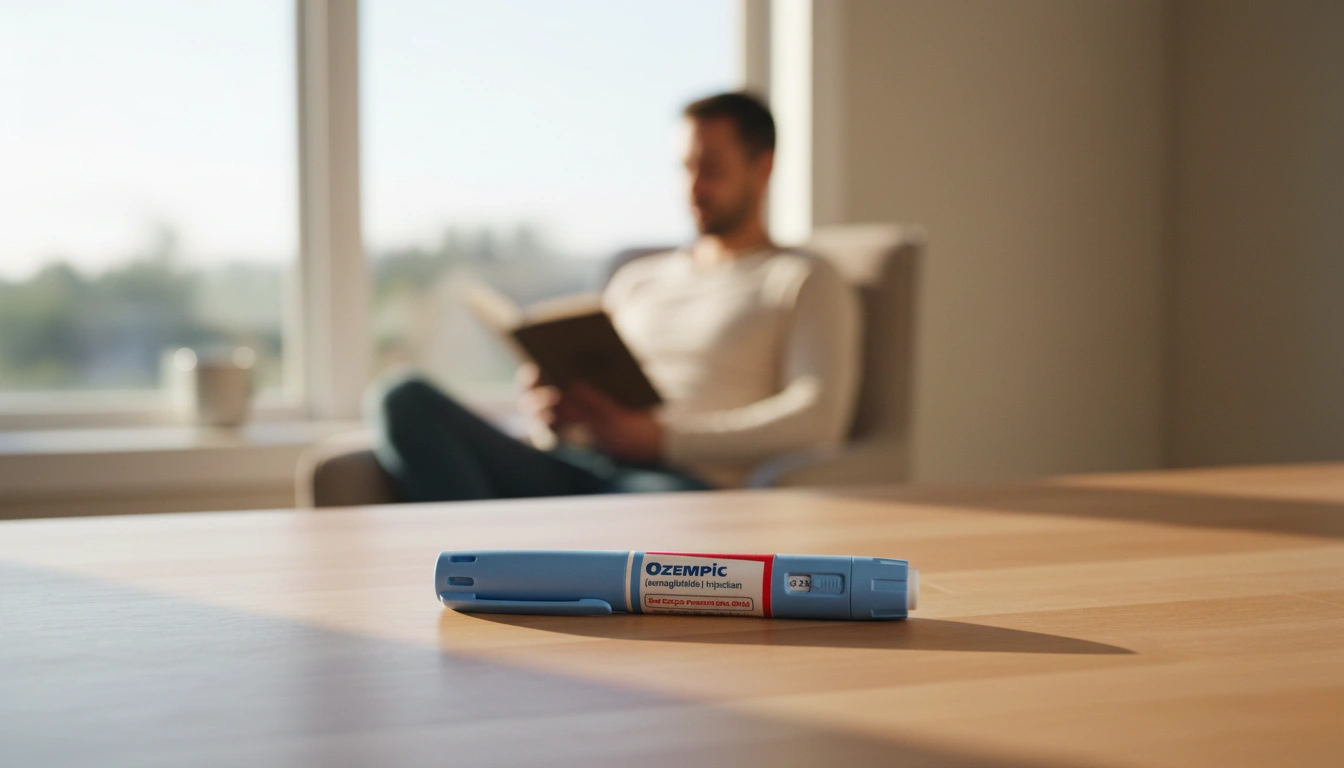
Introduction
Did you know that approximately 73 percent of American adults consume coffee every single day? For many of us, the morning ritual of brewing a fresh pot or visiting a favorite café is more than just a caffeine delivery system—it is a cornerstone of our daily structure and mental clarity. However, when beginning a transformative health journey with a medication like Ozempic® (semaglutide), it is natural for questions to arise about how this beloved habit fits into a new medical framework. At TrimRx, we recognize that sustainable weight loss is not just about the medication you take; it is about how that medication interacts with your unique lifestyle, including your morning cup of joe.
The primary purpose of this article is to answer the pressing question: can you drink coffee while taking ozempic? We will delve into the physiological interactions between caffeine and GLP-1 receptor agonists, explore how coffee might influence common side effects like nausea or acid reflux, and provide actionable strategies to ensure your caffeine consumption supports—rather than hinders—your progress. We will cover everything from the impact of coffee on blood sugar and cortisol levels to the importance of choosing the right additives and maintaining proper hydration.
We understand that every individual’s journey is distinct. This blog is designed to provide a comprehensive roadmap for those navigating the intersection of traditional habits and modern medical innovations. By the end of this post, you will have a clear understanding of how to balance your love for coffee with your commitment to a healthier weight, backed by science and empathetic care. Together, we will explore why the “TrimRx approach” emphasizes personalized, medically supervised care that respects your daily routines while prioritizing your long-term wellness goals.
Our exploration is divided into detailed sections covering the mechanics of Ozempic, the specific ways caffeine affects the body during treatment, and practical tips for optimizing your diet. We believe that informed patients are empowered patients, and our goal is to provide the transparency and support you need to feel confident in every choice you make on your path to vitality.
The Relationship Between Ozempic and Caffeine
When starting a regimen involving semaglutide, the active ingredient in Ozempic, it is essential to understand how the medication functions within the body. Ozempic belongs to a class of drugs known as GLP-1 receptor agonists. These medications mimic the glucagon-like peptide-1 hormone, which plays a vital role in regulating blood sugar and appetite. One of the primary mechanisms of this medication is the slowing of gastric emptying—essentially, food stays in the stomach longer, which helps you feel satiated for extended periods.
This slowing of digestion is precisely why the question of coffee consumption is so relevant. Coffee is a complex beverage containing caffeine, various acids, and other bioactive compounds that stimulate the gastrointestinal tract. While there is no known direct pharmacological drug-to-drug interaction between Ozempic and caffeine, their physiological effects can overlap or even conflict. At TrimRx, we believe that understanding these nuances is key to achieving sustainable weight loss through science and empathy.
Pharmacological Synergy and Safety
The good news for coffee lovers is that caffeine does not generally interfere with the efficacy of semaglutide. However, because both substances can influence the central nervous system and the metabolic rate, some individuals may find themselves more sensitive to caffeine than they were prior to starting the medication.
It is also important to note that while Ozempic is a brand-name medication, many individuals opt for customized solutions through their providers. At TrimRx, our platform connects individuals with personalized programs that may include Ozempic®, Wegovy®, or compounded options. We ensure that all medications are sourced through FDA-registered and inspected pharmacies, maintaining the highest standards of safety and transparency. To see which program might be right for your lifestyle, you can take our free assessment quiz.
How Coffee Impacts Gastrointestinal Comfort
The most common side effects associated with GLP-1 medications are gastrointestinal in nature. Nausea, vomiting, diarrhea, and stomach pain are frequently reported, particularly during the initial weeks of treatment or when a dosage is increased. Because coffee is naturally acidic and acts as a stimulant for the digestive system, it can exacerbate these issues.
Nausea and Delayed Gastric Emptying
When Ozempic slows down the rate at which the stomach empties, any substance that increases gastric acid secretion—like coffee—can lead to discomfort. For an individual who already experiences mild nausea from their weekly injection, a highly acidic cup of black coffee on an empty stomach might trigger a more significant episode of queasiness. The caffeine in coffee can also stimulate the release of gastrin, a hormone that promotes acid production, potentially leading to a “sour” stomach or bloating.
Acid Reflux and Heartburn
Heartburn, or gastroesophageal reflux disease (GERD), is another side effect that can be intensified by coffee. Caffeine is known to relax the lower esophageal sphincter (LES), the muscle that acts as a valve between the esophagus and the stomach. When this muscle relaxes, stomach acid can more easily travel upward, causing that familiar burning sensation. When combined with the delayed emptying caused by Ozempic, the acid remains in the stomach longer, providing more opportunity for reflux to occur.
For those struggling with these digestive transitions, we often recommend incorporating supportive wellness products. Our GLP-1 Daily Support is specifically formulated to help maintain digestive harmony and overall wellness during the weight loss journey, providing a helpful buffer against common irritants.
Caffeine, Blood Sugar, and Metabolic Health
While Ozempic is designed to lower blood sugar and improve insulin sensitivity, caffeine can have a more complex relationship with glucose levels. For many, caffeine causes a temporary spike in adrenaline, which can signal the liver to release stored glucose into the bloodstream.
The Adrenaline Response
In some individuals, particularly those with type 2 diabetes, this temporary rise in blood sugar can slightly counteract the immediate glucose-lowering effects of the medication. This does not mean the medication isn’t working; rather, it highlights the importance of monitoring how your body responds to caffeine. If an individual notices frequent jitters or unexpected blood sugar fluctuations after their morning coffee, it may be beneficial to consult with a healthcare professional via our personalized program to adjust their timing or intake.
Cortisol and Stress-Related Eating
Caffeine can also elevate cortisol levels, often referred to as the “stress hormone.” While cortisol is necessary for alertness, chronically high levels can lead to increased appetite for high-calorie, sugary foods—the very types of food that can impede weight loss progress. At TrimRx, we emphasize a supportive space where we help you navigate these metabolic hurdles. By being mindful of caffeine intake, you can better manage stress signals and stay aligned with your nutritional goals.
The Role of Coffee in Weight Management
Despite the potential for side effects, coffee can actually be a supportive tool in a weight loss journey when used correctly. Research suggests that caffeine may modestly boost the resting metabolic rate and increase fat oxidation.
Enhancing Physical Performance
For those who use coffee as a pre-workout boost, the benefits can be significant. Caffeine has been shown to reduce the perception of effort during exercise, potentially allowing individuals to work out longer or with more intensity. Since exercise is a critical component of the sustainable weight loss we promote at TrimRx, a well-timed cup of coffee might actually help you reach your goals faster.
Appetite Suppression
Both coffee and GLP-1 medications can act as appetite suppressants. This dual effect can be helpful, but it also carries a risk: forgetting to eat enough nutrient-dense food. It is vital to ensure that even if you aren’t feeling hungry, you are still providing your body with the protein and vitamins it needs. Our Weight Loss Boost supplement can be an excellent addition to your routine to ensure your body has the energy it needs while you navigate a reduced-calorie lifestyle.
Practical Tips for Drinking Coffee on Ozempic
If you decide to continue enjoying coffee while on your personalized weight loss program, there are several strategies you can employ to minimize discomfort and maximize your results.
1. Master the Timing
One of the most effective ways to prevent nausea is to avoid drinking coffee immediately after your Ozempic injection or on a completely empty stomach. For an individual who experiences morning queasiness, eating a small, protein-rich snack—like a hard-boiled egg or a few almonds—before having coffee can provide a protective lining for the stomach.
Additionally, some experts suggest waiting at least 30 to 60 minutes after taking oral semaglutide (if that is your prescribed format) before consuming coffee to ensure optimal absorption of the medication. Consistency in your routine helps our medical partners provide the best care possible. You can learn more about these personalized treatment plans by completing our quick assessment quiz.
2. Evaluate Your Additives
While black coffee is virtually calorie-free, the syrups, creamers, and sugars we often add can be detrimental. High-sugar additives can cause rapid blood sugar spikes, which Ozempic is working hard to regulate. Furthermore, high-fat creamers can slow digestion even further, potentially worsening bloating and nausea.
Consider these “Ozempic-friendly” coffee swaps:
- Use unsweetened almond or oat milk instead of heavy cream.
- Opt for natural, calorie-free sweeteners like stevia or monk fruit.
- Add a dash of cinnamon or unsweetened cocoa powder for flavor without the sugar.
3. Prioritize Hydration
Caffeine is a mild diuretic, meaning it encourages the body to expel fluids. Because Ozempic side effects like diarrhea or vomiting can also lead to fluid loss, staying hydrated is paramount. For every cup of coffee you consume, aim to drink at least one or two glasses of water. Maintaining hydration supports kidney function, skin health, and even helps to curb false hunger signals.
4. Listen to Your Body
The most important rule is to pay attention to your body’s signals. If you find that coffee consistently leads to “sulfur burps,” intense cramping, or jitters, it may be time to reduce your intake or switch to a lower-acid variety, such as cold brew. Cold brew coffee is often steeped for long periods, which results in a smoother, less acidic profile that is gentler on the stomach.
Exploring Coffee Alternatives
If you find that your body is no longer tolerating coffee well during your journey with TrimRx, you don’t have to give up your warm morning ritual entirely. There are several alternatives that provide a gentler energy boost.
Green Tea and Matcha
Green tea contains less caffeine than coffee and is rich in antioxidants called catechins, which may support metabolic health. Matcha, a concentrated powder form of green tea, provides a more sustained energy release without the “crash” or jitters often associated with coffee. This can be a great option for those who want to remain alert but need to avoid the high acidity of a standard brew.
Herbal Teas and “Golden Lattes”
For those who enjoy the ritual more than the caffeine, herbal teas like ginger or peppermint can actually help soothe the stomach and reduce nausea. A “golden latte,” made with turmeric, ginger, and a splash of plant-based milk, offers anti-inflammatory benefits and a comforting flavor profile without any caffeine or high-acid content.
Decaffeinated Options
If you love the taste of coffee but can’t handle the stimulant effects, high-quality decaf is an obvious choice. Many decaf coffees still offer the same antioxidant benefits and rich flavor, allowing you to participate in social coffee breaks without the risk of increased heart rate or anxiety.
The TrimRx Commitment to Your Journey
At TrimRx, our journey began with a shared vision to merge cutting-edge telehealth innovations with effective weight loss solutions. We know that the transition to medications like Ozempic® or Zepbound® is a significant step, and we are here to support you with science, empathy, and transparency. Our platform is a user-friendly and supportive space where individuals receive personalized, medically supervised care.
We emphasize that sustainable weight loss is about more than just a weekly injection. It’s about the comprehensive service we provide, which includes doctor consultations, lab work, and unlimited support—all without hidden fees. We work exclusively with FDA-registered and inspected pharmacies to ensure the safety and quality of the medications shipped to your door.
Whether you are interested in Compounded Semaglutide, Mounjaro®, or our quick-access Weight Loss Boost, we are dedicated to helping you find the right fit for your unique biological needs and lifestyle preferences.
Summary of Best Practices
Navigating the world of caffeine while taking Ozempic doesn’t have to be complicated. By following a few key principles, you can enjoy your morning cup while staying on track:
- Moderation is key: Limit yourself to one or two cups to see how your body reacts.
- Avoid an empty stomach: Pair your coffee with a lean protein to buffer stomach acid.
- Stay hydrated: Drink plenty of water to counteract the diuretic effects of caffeine.
- Watch the extras: Keep your coffee lean by avoiding sugary syrups and high-fat creams.
- Consult the experts: If side effects become unmanageable, reach out to your support team.
We believe that every individual’s path to health is unique. By combining the power of advanced medical science with mindful lifestyle choices, you can achieve the results you’ve always wanted. Are you ready to see which personalized program is right for you? Take our assessment today and join the TrimRx community.
Frequently Asked Questions (FAQs)
1. Does coffee affect the absorption of Ozempic?
There is no evidence that coffee affects the absorption of Ozempic when administered via injection. However, for those taking oral forms of semaglutide, it is generally recommended to wait at least 30 to 60 minutes before consuming any food or beverage other than plain water to ensure the medication is fully absorbed by the stomach lining. Because Ozempic slows down the digestive process, consuming highly acidic or caffeinated beverages too close to your dose might increase the likelihood of initial stomach irritation.
2. Can caffeine cause jitters while on Ozempic?
Yes, some individuals report feeling more sensitive to caffeine while on GLP-1 medications. This can manifest as increased heart rate, shakiness, or anxiety. Because Ozempic can also slightly increase your resting heart rate, the stimulatory effects of caffeine may feel amplified. If you experience these symptoms, it is advisable to reduce your caffeine intake or switch to decaffeinated versions to see if the symptoms subside.
3. Is it better to drink cold brew or hot coffee while taking Ozempic?
For many individuals, cold brew is a better choice. The cold-steeping process typically results in a beverage that is approximately 60% less acidic than traditional hot-brewed coffee. Since acid reflux and stomach sensitivity are common side effects of Ozempic, choosing a lower-acid option like cold brew can help reduce the risk of heartburn and nausea. Always remember to monitor how your specific digestive system responds to different brewing methods.
4. Can I use sugar-free syrups in my coffee on this program?
While sugar-free syrups can help you avoid the blood sugar spikes associated with regular sugar, they should still be used in moderation. Some artificial sweeteners can cause bloating or digestive upset in sensitive individuals. At TrimRx, we encourage a transparent approach to nutrition. If you find that artificial sweeteners contribute to gas or discomfort, you may want to try natural alternatives like stevia or simply enjoy your coffee with a splash of unsweetened almond milk. For additional support in managing your appetite and cravings, you might consider our Weight Loss Boost supplement.
Legal Disclaimer: TrimRx does not provide medical advice. The content provided in this blog is for informational purposes only and is not intended to be a substitute for professional medical advice, diagnosis, or treatment. Always seek the advice of your physician or other qualified health provider with any questions you may have regarding a medical condition. Compounded medications are not FDA-approved, although they are prepared in FDA-registered and inspected pharmacies. TrimRx partners with these pharmacies for the fulfillment of medications and does not provide direct medical supervision.

Transforming Lives, One Step at a Time
Keep reading

Optimizing Wellness: How Does Ozempic Help Diabetics and Support Metabolic Health?
Discover how does ozempic help diabetics by regulating insulin, protecting the heart, and managing weight. Learn the science behind semaglutide and start your journey today.

How to Help with Nausea from Ozempic: Practical Strategies for Your Comfort
Learn how to help with nausea from Ozempic with our expert guide. Explore dietary tips, lifestyle changes, and mindful habits to manage side effects effectively.

Your New Beginning: What Happens After Your First Ozempic Shot
Curious about what happens after first ozempic shot? Learn about the biological changes, managing side effects, and shifts in food noise during your first week.


