Can You Take Zepbound If You Have Lupus?
Introduction
Managing weight while living with Systemic Lupus Erythematosus (SLE) often feels like an uphill battle. For many, the very medications used to control flares, such as corticosteroids, can lead to significant weight gain and metabolic shifts. When a new class of medications like Zepbound® enters the conversation, it is natural to wonder if it is a safe or effective option for someone with an autoimmune condition. At TrimRx, we understand that weight loss is not just about aesthetics—it is about reducing systemic inflammation and improving your overall quality of life. This article explores the intersection of tirzepatide (the active ingredient in Zepbound) and lupus, covering safety considerations, potential benefits, and how to navigate treatment with your medical team. While current evidence suggests that many individuals with lupus can safely use these medications, a highly personalized approach is essential to ensure your autoimmune health remains stable.
Quick Answer: Most individuals with lupus can take Zepbound®, provided their condition is stable and they are under the close supervision of a rheumatologist. While there are no direct contraindications, the medication’s impact on digestion and kidney hydration must be monitored to avoid complicating lupus symptoms or affecting the absorption of other treatments.
If you want to see whether a personalized GLP-1 program is a fit for your health history, take the free assessment quiz.
What is Zepbound and How Does it Work?
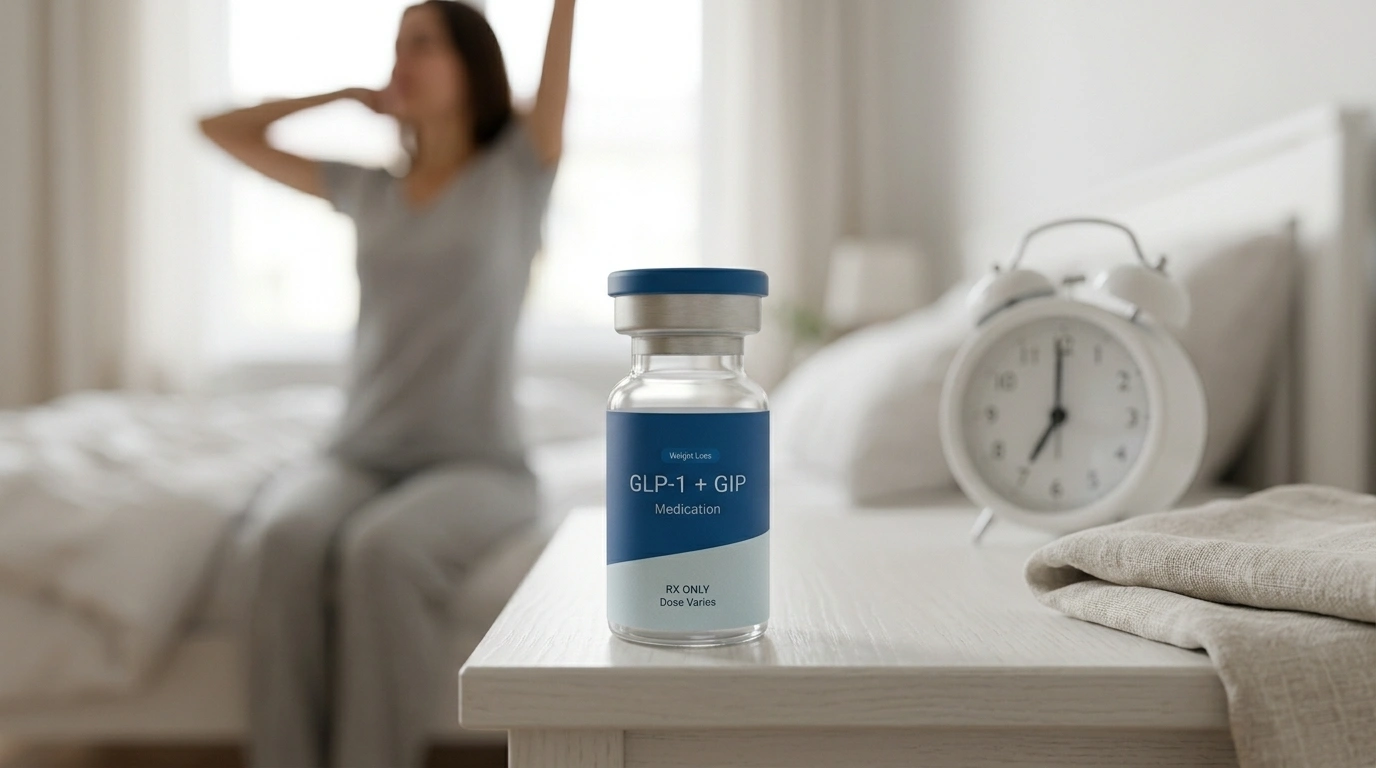
Zepbound® is a brand-name prescription medication containing tirzepatide, a dual-acting receptor agonist. To understand its role, it is helpful to define what a receptor agonist does: it is a substance that mimics the actions of natural hormones in the body to produce a specific response. Tirzepatide mimics two primary “incretin” hormones: Glucagon-like peptide-1 (GLP-1) and Glucose-dependent insulinotropic polypeptide (GIP).
When you eat, your body naturally releases these hormones to signal the brain that you are full and to help the pancreas manage blood sugar levels. Tirzepatide enhances these signals significantly. It slows down gastric emptying, which is the process of food moving from your stomach into your small intestine. This helps you feel satisfied for longer periods. Additionally, it targets the brain’s hunger centers to reduce cravings and “food noise,” making it easier to maintain the caloric deficit required for weight loss.
For an individual with a BMI over 30, or a BMI over 27 with a weight-related condition, tirzepatide has shown substantial efficacy in clinical trials for weight reduction. However, when an autoimmune disease like lupus is present, the mechanism of the drug must be viewed through the lens of how it interacts with chronic inflammation and existing medication regimens.
If you are exploring prescription weight-loss treatment and want help determining your next step, complete the free assessment quiz.
The Relationship Between Lupus and Weight Management
Lupus is a complex autoimmune disease where the immune system mistakenly attacks healthy tissues, leading to widespread inflammation and tissue damage. Weight management is particularly difficult for this population for several reasons:
- Corticosteroid Use: Medications like prednisolone are foundational for managing lupus flares but are notorious for increasing appetite and causing the body to store fat, particularly in the abdominal area.
- Reduced Mobility: Joint pain and profound fatigue, two hallmark symptoms of lupus, can make regular physical activity difficult, leading to a sedentary lifestyle and weight gain.
- Metabolic Changes: Chronic inflammation can alter how the body processes glucose and fats, often leading to insulin resistance.
Research suggests that obesity can exacerbate lupus symptoms. Excess adipose tissue (body fat) is not just stored energy; it is metabolically active and produces pro-inflammatory cytokines. These are signaling proteins that can increase the overall “inflammatory load” on the body. For someone with an autoimmune condition, this extra inflammation can lead to more frequent flares and reduced effectiveness of treatments like biologics.
For a deeper look at how incretin-based medications affect weight, read our GLP-1 weight-loss breakdown.
Key Takeaway: Obesity acts as a “pro-inflammatory” state that may worsen autoimmune disease activity, making weight loss a potentially therapeutic goal for many lupus patients.
Safety Considerations: Is Tirzepatide Safe for Lupus Patients?
There is currently no evidence that tirzepatide or other GLP-1 medications directly cause lupus flares in most people. However, because lupus affects multiple organ systems, there are three primary areas of concern that require medical oversight.
Kidney Health and Lupus Nephritis
Lupus can frequently affect the kidneys, a condition known as lupus nephritis. While Zepbound® does not directly damage the kidneys, its side effects can pose an indirect risk. Common side effects include nausea, vomiting, and diarrhea. If these become severe, they can lead to dehydration. For a patient with already compromised kidney function, dehydration can cause acute kidney strain. It is vital that anyone with lupus, especially those with a history of kidney involvement, maintains strict hydration while on a weight loss program.
Drug-Induced Lupus (DIL)
There have been rare, isolated case reports in medical literature of “drug-induced lupus” associated with the use of GLP-1 medications like semaglutide. Drug-induced lupus is a condition where a medication triggers symptoms similar to systemic lupus, which usually resolve once the drug is stopped. While these cases are extremely rare and have not been widely reported with tirzepatide specifically, it is a reason why rheumatologists monitor their patients closely when starting any new class of medication.
Gastrointestinal Impact
Lupus patients sometimes experience gastrointestinal (GI) issues as part of their disease profile. Because tirzepatide slows digestion, it can worsen symptoms like bloating or acid reflux. If you already have a history of slow stomach emptying (gastroparesis), this medication may not be suitable for you.
If you want a clinician-reviewed look at GLP-1 medications and treatment fit, see if you qualify through the assessment quiz.
| Feature | Impact on Lupus Patients |
|---|---|
| Inflammation | May reduce systemic inflammation by reducing body fat. |
| Kidney Function | Requires caution if lupus nephritis is present; hydration is key. |
| Medication Absorption | Slowed digestion may slightly alter the timing of oral drug absorption. |
| Joint Health | Weight loss reduces mechanical stress on inflamed joints. |
Medication Interactions and Lupus Treatments
When starting a program through a platform like TrimRx, it is essential to disclose all current medications. Most standard lupus treatments do not have known direct chemical interactions with tirzepatide, but their management may need to be adjusted.
- Hydroxychloroquine: This is often the “gold standard” for lupus maintenance. There are no known direct interactions. However, because tirzepatide slows the stomach, the time it takes for hydroxychloroquine to reach peak levels in your blood might shift.
- Immunosuppressants (Methotrexate, Mycophenolate): These drugs require regular blood monitoring for liver and kidney health. Adding a GLP-1/GIP medication means your doctor will likely want to keep a closer eye on these labs to ensure your body is processing everything effectively.
- Corticosteroids: If you are on steroids, your blood sugar levels are likely higher than average. Because tirzepatide helps regulate blood sugar, your provider may need to monitor you for hypoglycemia (low blood sugar), although this is generally rare unless you are also taking insulin or sulfonylureas.
- Biologics: Medications like belimumab or rituximab are usually administered via injection or infusion. There is currently no evidence that tirzepatide interferes with the efficacy of these biologic treatments.
For context on how TrimRx approaches different weight-loss medications, read our comparison of weight-loss injections.
Potential Benefits: Why Consider Tirzepatide?
While the primary goal of Zepbound® is weight loss, the secondary benefits can be particularly meaningful for someone with an autoimmune condition.
Reduction in “Inflammatory Load”
As mentioned, losing body fat reduces the production of inflammatory markers like C-reactive protein (CRP) and certain cytokines. Many patients with autoimmune diseases report that as they lose weight, their background level of daily pain and stiffness begins to decrease.
Cardiovascular Protection
Lupus patients have a significantly higher risk of cardiovascular disease compared to the general population. Chronic inflammation can lead to accelerated atherosclerosis (narrowing of the arteries). Tirzepatide has shown significant benefits in improving heart health markers, including blood pressure and cholesterol levels. For someone with lupus, this “cardio-protective” effect is a major advantage.
Improved Insulin Sensitivity
Many lupus patients struggle with metabolic syndrome or “steroid-induced diabetes.” Tirzepatide is highly effective at improving insulin sensitivity, helping the body manage blood sugar more efficiently even when steroids are present in the system.
Myth: Weight loss medications are “cheating” or a shortcut for lupus patients. Fact: For many with SLE, biological and medication-induced barriers make traditional weight loss nearly impossible. These medications help level the playing field by addressing the hormonal and metabolic hurdles unique to chronic illness.
Navigating the Process: Step-by-Step
If you are considering a weight loss journey while managing lupus, we recommend following a structured path to ensure safety and success.
- Step 1: Consult Your Rheumatologist. Before starting any new medication, speak with the specialist who manages your lupus. They can confirm if your disease is stable enough to begin a weight loss program.
- Step 2: Complete a Clinical Assessment. Through TrimRx, you can take a free assessment quiz that reviews your medical history, including your autoimmune status. This information is used by licensed providers to determine if a GLP-1 or GLP-1/GIP medication is appropriate for you.
- Step 3: Monitor for GI Side Effects. Start at a low dose (as is standard with tirzepatide) to allow your body to adjust. Pay close attention to hydration to protect your kidneys.
- Step 4: Routine Lab Work. Continue your regular lupus blood panels. Your provider will look for any changes in kidney or liver function and adjust your plan as needed.
- Step 5: Focus on Nutrition. Because you will be eating less, every bite counts. Focus on anti-inflammatory foods like leafy greens, lean proteins, and omega-3 fatty acids to support your immune system.
If you are ready to move from research to a personalized plan, take the free assessment quiz.
Compounded Tirzepatide vs. Branded Medications
When exploring options through a platform like ours, you may encounter the term compounded tirzepatide. It is important to understand the distinction between branded and compounded options.
Zepbound® and Mounjaro® are FDA-approved branded versions of tirzepatide. Due to high demand, these medications are sometimes in short supply. During such shortages, licensed compounding pharmacies may prepare compounded versions of the medication.
Note: Compounded tirzepatide is not FDA-approved. However, the compounded medications we facilitate are prepared in FDA-registered and inspected compounding pharmacies that adhere to strict quality standards.
For a lupus patient, the benefit of a personalized program is the ability to work with a provider who understands your specific health profile. Whether you are prescribed a branded medication or a compounded alternative, the clinical oversight remains the same.
Nutritional Support During Your Journey
Losing weight too quickly or failing to get enough nutrients can trigger fatigue, which is the last thing a lupus patient needs. We suggest focusing on “nutrient density.” When your appetite is suppressed by a medication like tirzepatide, you must ensure your body gets the vitamins and minerals it needs to keep your immune system from overreacting.
We often recommend supplements to bridge the gap. For example, our GLP-1 Daily Support supplement is designed to provide essential nutrients that might be missed when caloric intake drops. Additionally, Weight Loss Boost supplement can support metabolic health without the need for harsh stimulants that might interfere with your sleep or trigger anxiety—both of which are important for managing lupus stress.
For more background on GLP-1 support and how it fits into a weight-loss plan, read our guide to GLP-1 support.
Managing the Emotional Side of Weight Loss and Lupus
Living with a chronic illness is emotionally taxing. The frustration of “moon face” or abdominal weight gain from steroids can impact your self-esteem and mental health. Choosing to take a medication for weight loss is a proactive step toward reclaiming your health.
It is important to set realistic expectations. Weight loss with tirzepatide is a marathon, not a sprint. For someone with lupus, a slower, steadier rate of loss is often better for the body’s overall stability. Celebrate the “non-scale victories,” such as having more energy to play with your children or experiencing less joint pain when walking up the stairs.
Conclusion
The short answer to whether you can take Zepbound® if you have lupus is yes—with the right medical guidance. For many, the benefits of weight loss, including reduced inflammation, better heart health, and improved mobility, far outweigh the potential risks. However, the complexity of lupus requires a vigilant, telehealth-first approach where you have constant access to specialists who can monitor your progress.
Our mission at TrimRx is to provide a science-backed, empathetic path for individuals who have felt let down by traditional dieting or who face the unique hurdles of chronic illness. We believe in providing personalized care that respects the nuances of your medical history while helping you achieve sustainable weight management. If you are ready to see if tirzepatide is right for your health journey, the first step is a simple, thorough consultation.
Bottom line: While tirzepatide is generally safe for stable lupus patients, success depends on a personalized treatment plan, careful monitoring of kidney health, and open communication with your rheumatology team.
If you are ready to begin, complete the free assessment quiz.
FAQ
Does Zepbound cause lupus flares?
There is currently no clinical evidence suggesting that Zepbound® or tirzepatide directly causes lupus flares. However, significant changes in diet, dehydration, or rapid weight loss can sometimes stress the body, which is why close medical supervision is necessary to ensure your autoimmune condition remains stable.
Can I take Zepbound while on steroids like Prednisone?
Yes, it is possible to take these together, but your provider will need to monitor your blood sugar levels. Steroids often raise blood sugar, while tirzepatide lowers it, so the balance between these medications is critical for metabolic stability.
What should I do if I have lupus nephritis?
If you have kidney involvement, you must consult your rheumatologist before starting tirzepatide. While the drug itself is not a kidney toxin, the risk of dehydration from side effects like vomiting or diarrhea can put extra strain on your kidneys, making hydration a top priority.
Will weight loss improve my lupus symptoms?
Many patients find that losing excess weight reduces the mechanical pressure on their joints and lowers systemic inflammation. While weight loss is not a cure for lupus, it can lead to fewer symptoms and a better overall quality of life by reducing the “inflammatory load” caused by body fat.
Disclaimer: This content is for informational purposes only and does not constitute medical advice. It is not intended to diagnose, treat, cure, or prevent any disease or condition. Individual results may vary. Always consult a qualified healthcare professional before starting any weight loss program or medication.

Transforming Lives, One Step at a Time
Keep reading

Why Is There a Bruise Where I Injected My Zepbound?
A bruise means a small blood vessel was disturbed under the skin and blood spread into the surrounding tissue. It is one of the…

My Zepbound Pen Won’t Click Past a Certain Dose
Start by checking which device you are holding, because the answer depends entirely on that. Zepbound has commonly been supplied in the United States…

Zepbound Alternatives: Your Options Compared
If Zepbound isn’t the right fit, the main alternative is semaglutide (sold as Wegovy), which produces slightly less weight loss but works similarly, along…


