Zepbound Dosing: Can You Take Two 2.5 mg Doses?

Introduction
Embarking on a weight loss journey often involves navigating new terrains, especially when innovative medications offer promising paths forward. For many individuals seeking effective solutions for weight management, medications like Zepbound (tirzepatide) have emerged as significant advancements. With its dual-action mechanism, Zepbound has garnered considerable attention for its potential to support weight reduction and improve metabolic health. Yet, as with any potent prescription medication, precise understanding of its administration is paramount. A common question that arises for those beginning or considering this treatment is: “Can I take two 2.5 mg doses of Zepbound to achieve a 5 mg dose?”
This inquiry delves into more than just simple arithmetic; it touches upon fundamental principles of medication safety, efficacy, and the critical role of medical supervision. Throughout this comprehensive article, we will thoroughly explore Zepbound’s established dosing protocols, the reasons behind its specific titration schedule, and the significant implications of deviating from prescribed instructions. Our aim is to provide a clear, authoritative understanding of Zepbound dosing, empowering you to make informed decisions in partnership with your healthcare provider.
At TrimRx, our journey began with a shared vision to help individuals embrace healthier lifestyles by merging cutting-edge telehealth innovations with effective weight loss solutions. We believe that sustainable weight loss should be achieved through science, empathy, and a transparent approach. Our platform is a user-friendly and supportive space where individuals receive personalized, medically supervised care—all designed to make sustainable weight loss attainable and tailored to the individual. We offer compassionate care that respects every individual’s unique journey by combining advanced medical science with modern technology. This commitment extends to ensuring clarity and safety in understanding your treatment plan. Join us as we meticulously examine the nuances of Zepbound dosing, shedding light on why adhering to your prescribed regimen is not just a recommendation, but a cornerstone of effective and safe treatment.
Understanding Zepbound: A Dual-Action Approach
Before diving into the specifics of dosing, it is essential to establish a foundational understanding of what Zepbound is and how it functions within the body to facilitate weight management. Zepbound is an injectable prescription medication, FDA-approved for adults with obesity or those who are overweight and have at least one weight-related condition. It is also approved to treat moderate to severe obstructive sleep apnea in adults with obesity. The medication is always intended to be used in conjunction with a reduced-calorie diet and increased physical activity to achieve optimal and sustainable results.
The Science Behind Tirzepatide
The active ingredient in Zepbound is tirzepatide, a novel compound that operates as a dual glucose-dependent insulinotropic polypeptide (GIP) and glucagon-like peptide-1 (GLP-1) receptor agonist. This dual-action mechanism is what sets Zepbound apart.
- GLP-1 Receptor Agonism: Similar to other medications in this class, tirzepatide activates GLP-1 receptors, which plays a crucial role in regulating appetite and satiety. By doing so, it helps to slow gastric emptying, prolonging the feeling of fullness after meals, and signaling the brain to reduce food intake. This contributes to a natural reduction in calorie consumption.
- GIP Receptor Agonism: The inclusion of GIP receptor agonism adds another layer of metabolic benefit. GIP is another incretin hormone that, when activated, further enhances the body’s natural response to food. It contributes to glucose metabolism and has been observed to have beneficial effects on fat storage and energy expenditure.
Together, these two mechanisms create a powerful synergy that helps regulate blood sugar levels, reduce appetite, and promote significant weight loss. This comprehensive approach addresses multiple physiological pathways involved in weight gain, offering a more robust intervention for individuals striving for healthier body weights.
Approved Uses and Available Strengths
Zepbound is specifically indicated for adults with a body mass index (BMI) of 30 kg/m² or greater (classified as obesity) or a BMI of 27 kg/m² or greater (classified as overweight) with at least one weight-related comorbid condition, such as hypertension, dyslipidemia, or type 2 diabetes. Its use is part of a broader weight management strategy that includes dietary changes and increased physical activity.
Zepbound is administered as a subcutaneous injection once weekly. It is available in a range of strengths to allow for careful titration, a process where the dose is gradually increased over time to find the most effective and tolerable level for each individual. The available strengths for Zepbound are:
- 2.5 mg
- 5 mg
- 7.5 mg
- 10 mg
- 12.5 mg
- 15 mg
Each of these strengths comes in a prefilled single-dose pen or a single-dose vial, designed for precise, single-use administration. This variety in dosage allows healthcare providers to customize treatment plans, ensuring that individuals receive the most appropriate care tailored to their unique needs and responses. At TrimRx, we emphasize that personalized, medically supervised care is at the heart of our mission, which is why we offer a comprehensive service that includes doctor consultations, medication, lab work, unlimited support, and shipping with no hidden fees, all delivered through FDA-registered and inspected pharmacies. To understand if Zepbound or other prescription options are right for you, we encourage you to take our free assessment quiz.
Navigating Zepbound’s Prescribed Dosing Schedule
The success and safety of any medication, especially one with significant physiological effects like Zepbound, hinges on strict adherence to its prescribed dosing schedule. The development of Zepbound involved extensive clinical trials to determine the optimal dosages for efficacy and to minimize adverse reactions. This rigorous process informs the standard titration schedule recommended by medical professionals.
The Gradual Escalation Protocol
For individuals initiating Zepbound treatment, the journey typically begins with the lowest available strength, 2.5 mg. This starting dose serves a crucial purpose: to allow the body to gradually acclimate to the medication, thereby reducing the likelihood and severity of potential side effects, particularly gastrointestinal issues.
The standard dosing protocol involves:
- Starting Dose: 2.5 mg once weekly for the first four weeks. This initial period is vital for assessing an individual’s tolerability to tirzepatide.
- First Escalation: After four weeks at the 2.5 mg dose, the dosage is typically increased to 5 mg once weekly. This step-up is designed to enhance the medication’s therapeutic effects as the body adjusts.
- Subsequent Escalations: If further weight loss is needed and the 5 mg dose is well-tolerated, the healthcare provider may continue to increase the dosage in 2.5 mg increments. Each increase should occur after at least four weeks on the current dose. This careful, stepwise approach allows for continuous assessment of response and tolerability, aiming to find the smallest effective maintenance dose.
- Maximum Dose: The maximum recommended dosage for Zepbound is 15 mg once weekly.
It is critical to understand that the 2.5 mg dose is specifically a starting dose and is not considered a maintenance dose. The therapeutic benefits for weight reduction and long-term maintenance are typically observed at higher doses, such as 5 mg, 10 mg, or 15 mg. For obstructive sleep apnea, the recommended maintenance doses are 10 mg or 15 mg. Your doctor will work with you to determine the right maintenance dose that fits your body’s changing needs and helps you achieve your health goals.
Why Gradual Titration Matters
The gradual increase in dosage is not arbitrary; it is a scientifically backed strategy to optimize patient outcomes.
- Minimizing Side Effects: Many of the common side effects associated with Zepbound, such as nausea, diarrhea, and vomiting, are more prevalent during periods of dose escalation. By increasing the dose slowly, the body has more time to adapt, which can significantly mitigate these adverse reactions. Clinical studies show that while gastrointestinal side effects are common, they generally decrease over time as individuals adjust to the medication.
- Optimizing Efficacy: Starting with a lower dose allows healthcare providers to gauge an individual’s unique response to the medication. Some individuals may achieve desired results at lower maintenance doses, while others may require higher doses. The titration schedule ensures that the lowest effective dose is identified, preventing unnecessary exposure to higher concentrations.
- Personalized Treatment: Every person’s physiological response to medication is unique. Factors such as medical history, existing health conditions, and individual metabolic rates all play a role. A structured titration schedule allows healthcare providers to truly personalize the treatment plan, ensuring safety and efficacy based on individual feedback and progress. This personalized approach aligns perfectly with our values at TrimRx, where we tailor solutions to each individual’s journey.
Adhering strictly to this prescribed dosing schedule, under the guidance of a healthcare professional, is fundamental to a safe, effective, and sustainable weight loss journey with Zepbound.
The Critical Question: Can I Take Two 2.5 mg Zepbound Doses?
The question of whether one can simply take two 2.5 mg doses of Zepbound to achieve the effect of a 5 mg dose is a common and understandable query. On the surface, it might seem like a practical workaround, especially if a higher dose pen isn’t immediately available. However, the answer from a medical and safety perspective is clear: No, it is not recommended or advisable to take two 2.5 mg Zepbound doses instead of a single 5 mg dose. This deviation from prescribed guidelines carries significant risks and undermines the very principles of safe medication use.
Reasons Against Combining Doses
There are several compelling reasons why combining lower-dose pens to achieve a higher dose is strongly discouraged:
1. Lack of Clinical Data and Approval
- Unstudied Practice: Zepbound, like all FDA-approved medications, has undergone extensive clinical trials to evaluate the safety and efficacy of specific, pre-measured doses. These trials did not include protocols for combining multiple lower-dose pens to achieve a higher dose. Therefore, there is no clinical data to support the safety or effectiveness of such a practice.
- Regulatory Compliance: The FDA approves medications based on rigorous testing of predefined dosages and administration methods. Any deviation from these approved guidelines means operating outside the scope of what has been thoroughly validated for safety and efficacy.
2. Risk of Incorrect Dosing and Overdose
- Precision in Design: Zepbound pens and vials are designed as single-dose units. Each pen or vial delivers a precise, pre-measured amount of medication. Attempting to combine doses increases the risk of administering an inaccurate total dose.
- Potential for Overdose: Even if the intention is to administer exactly 5 mg by using two 2.5 mg pens, human error is always a factor. An accidental double administration, or even slight variations in how the medication is delivered from two separate devices, could lead to unintended higher exposure to tirzepatide than prescribed. Overdosing could exacerbate side effects or lead to more serious adverse events.
3. Increased Risk of Severe Adverse Reactions
Zepbound, while effective, can cause serious side effects. Deviating from the prescribed dosing schedule, particularly by combining doses, could increase the likelihood or severity of these reactions.
- Gastrointestinal Issues: The most common side effects are nausea, diarrhea, vomiting, constipation, and abdominal pain. These symptoms are often more pronounced during dose escalation. Taking two pens at once could mimic an unapproved rapid dose escalation, intensifying these uncomfortable, and sometimes severe, gastrointestinal reactions.
- Acute Kidney Injury: Severe gastrointestinal issues leading to dehydration can precipitate acute kidney injury, a serious complication. Taking unprescribed doses could heighten this risk.
- Acute Pancreatitis and Gallbladder Disease: Zepbound and other GLP-1 receptor agonists have been associated with acute pancreatitis and acute gallbladder disease. While rare, these conditions are serious. Unapproved dosing could potentially increase the risk.
- Hypoglycemia: Zepbound lowers blood glucose. If an individual is also taking other glucose-lowering medications, such as insulin or sulfonylureas, combining doses could significantly increase the risk of severe hypoglycemia (low blood sugar).
- Thyroid C-cell Tumors (Black Box Warning): Zepbound carries a Boxed Warning for the risk of thyroid C-cell tumors. While it is unknown whether Zepbound causes these tumors in humans, patients are advised to be aware of symptoms like a mass in the neck, difficulty swallowing, difficulty breathing, or persistent hoarseness. Deviating from prescribed doses does not reduce this theoretical risk and could complicate monitoring.
- Hypersensitivity Reactions: Serious allergic reactions, including anaphylaxis and angioedema, have been reported. Improper dosing may, in some cases, increase the risk of such reactions or complicate their management.
- Suicidal Behavior and Ideation: Monitoring for new or worsening depression, suicidal thoughts or behaviors, or unusual changes in mood or behavior is important with weight management products. Unregulated dosing could potentially impact mood stability and necessitates careful medical oversight.
- Pulmonary Aspiration During Anesthesia: Zepbound delays gastric emptying, which poses a risk of pulmonary aspiration if residual gastric contents are present during general anesthesia or deep sedation. Deviating from dosing protocols could affect gastric emptying in unpredictable ways, underscoring the need for open communication with healthcare providers before any procedures.
4. Compromised Medical Supervision and Monitoring
- Hindered Assessment: A healthcare provider carefully monitors an individual’s response to Zepbound, including side effects and weight loss progress, at each prescribed dose level. If an individual self-administers an unapproved combination of doses, it becomes impossible for the provider to accurately assess the medication’s true effects, adjust the treatment plan appropriately, or provide timely intervention for adverse reactions.
- Loss of Trust and Safety: The relationship between a patient and their healthcare provider is built on trust and adherence to medical advice. Veering from prescribed instructions without consultation compromises this critical partnership and could jeopardize patient safety. Our commitment at TrimRx is to transparent service, ensuring our approach remains consistent regardless of dosage changes, always prioritizing your safety by partnering exclusively with FDA-registered and inspected pharmacies.
In essence, while the arithmetic of two 2.5 mg doses equaling 5 mg may seem straightforward, the biological and pharmacological realities of Zepbound administration are far more complex. The precise dosage, delivered through a single, calibrated pen or vial, is a cornerstone of its safe and effective use.
The Cornerstone of Safe and Effective Weight Loss: Medical Supervision
The decision to embark on a weight loss journey with prescription medication like Zepbound is a significant one that should always be made and managed under the careful guidance of a qualified healthcare professional. Self-medicating or altering prescribed dosages, such as attempting to take two 2.5 mg Zepbound doses, bypasses the essential safeguards built into medical treatment plans.
The Role of Your Healthcare Provider
Your healthcare provider is your most vital partner in this journey. They possess the expertise to:
- Assess Eligibility: Before prescribing Zepbound, a doctor will conduct a thorough medical evaluation, including your health history, current medications, and any underlying conditions. This ensures that Zepbound is appropriate and safe for you, considering contraindications like a personal or family history of Medullary Thyroid Carcinoma (MTC) or Multiple Endocrine Neoplasia syndrome type 2 (MEN 2), or severe gastrointestinal disease.
- Determine the Right Starting Dose: They will prescribe the appropriate starting dose and guide you through the gradual titration schedule, carefully monitoring your response and side effects at each stage.
- Monitor Progress and Adjust Treatment: Regular check-ups allow your provider to track your weight loss, monitor for any side effects, and make informed decisions about dosage adjustments. This continuous oversight is crucial for optimizing effectiveness while minimizing risks.
- Manage Potential Side Effects: If you experience side effects, your doctor can provide strategies for managing them or determine if a dosage adjustment or different treatment approach is necessary. For example, they can offer specific advice for managing nausea, such as eating smaller, more frequent meals, avoiding fatty foods, and choosing bland options like crackers or rice.
- Integrate Holistic Care: Beyond medication, your healthcare provider can help you develop a comprehensive weight management plan that includes personalized dietary recommendations, exercise regimens, and behavioral strategies for sustainable lifestyle changes.
TrimRx’s Commitment to Medically Supervised Care
At TrimRx, we stand firmly on the principle that personalized, medically supervised care is the most effective and safest path to sustainable weight loss. Our platform is designed to seamlessly connect you with licensed medical professionals who provide expert guidance throughout your journey.
- Comprehensive Service: Our programs are inclusive, covering everything from initial doctor consultations and necessary lab work to the medication itself, unlimited ongoing support, and convenient shipping. There are no hidden fees, embodying our commitment to transparent service.
- FDA-Registered Pharmacies: We prioritize your safety by working exclusively with FDA-registered and inspected pharmacies for the shipping of all weight loss medications. This ensures that the medications you receive are legitimate, safe, and stored correctly until they reach you. It’s important to clarify that while medications like Ozempic®, Mounjaro®, and Zepbound® are FDA-approved, compounded medications are provided through these FDA-registered and inspected pharmacies but are not themselves FDA-approved.
- Empathetic and Supportive Environment: Our brand personality is rooted in empathy, trustworthiness, and support. We understand that weight loss is a deeply personal journey, and we are dedicated to providing compassionate care that respects your unique experiences. Our team is available for unlimited support, ensuring you never feel alone or unsure about your treatment.
- Innovation and Results-Oriented Approach: We merge advanced medical science with modern telehealth technology to provide innovative, accessible solutions. Our focus is squarely on helping you achieve meaningful, sustainable results, always underpinned by a commitment to safety and individual well-being.
To truly understand if Zepbound or any of our prescription weight loss solutions are the right fit for your unique health profile, we strongly encourage you to take our free, personalized assessment quiz. This crucial first step ensures that you receive a medically informed and tailored treatment plan that prioritizes your safety and maximizes your chances of success.
Maximizing Your Zepbound Journey: A Holistic Approach
While understanding the correct dosing of Zepbound is paramount, achieving sustainable weight loss requires a more holistic approach that extends beyond medication alone. Zepbound is a powerful tool, but its full potential is realized when integrated into a comprehensive strategy that includes lifestyle modifications, diligent monitoring, and consistent communication with your healthcare team.
Integrating Diet and Exercise
The FDA approval of Zepbound explicitly states its use should be “along with a reduced-calorie diet and increased physical activity.” This isn’t merely a suggestion; it’s a fundamental component of effective treatment.
- Caloric Deficit: Weight loss fundamentally occurs when you consume fewer calories than your body expends. Zepbound helps by reducing appetite and increasing satiety, making it easier to adhere to a reduced-calorie diet. However, conscious food choices remain essential. Focusing on nutrient-dense foods, lean proteins, whole grains, and plenty of fruits and vegetables can optimize results and support overall health.
- Physical Activity: Regular exercise complements the effects of Zepbound by increasing energy expenditure, preserving lean muscle mass during weight loss, and improving cardiovascular health. Aim for a combination of cardiovascular activities (like brisk walking, jogging, or cycling) and strength training to build muscle, which also boosts metabolism. Even modest increases in daily activity, such as taking the stairs or walking more, can make a difference.
- Behavioral Changes: Sustainable weight loss often involves addressing underlying eating habits and psychological factors. Working with a healthcare professional or a registered dietitian can help you identify triggers, develop coping mechanisms, and build healthier relationships with food.
Proactive Management of Potential Side Effects
Being informed about potential side effects and knowing how to manage them is crucial for a comfortable and successful treatment journey. The most common side effects of Zepbound typically include nausea, diarrhea, vomiting, constipation, and abdominal pain. These are often most noticeable during dose escalation and tend to decrease over time.
- Tips for Managing Nausea: If you experience nausea, several strategies can help:
- Eat smaller, more frequent meals instead of three large ones.
- Stop eating when you feel full; avoid overeating.
- Opt for bland foods like toast, crackers, or rice.
- Avoid fatty or greasy foods, which can worsen nausea.
- Stay hydrated by sipping on clear liquids.
- Communicate with your doctor; they may offer specific anti-nausea medication or adjust your dose.
- Monitoring for Serious Side Effects: While less common, it’s vital to be aware of symptoms that could indicate a more serious condition and report them to your healthcare provider immediately:
- Severe Stomach Pain: Persistent, severe abdominal pain, possibly radiating to the back, with or without vomiting, could be a sign of acute pancreatitis.
- Symptoms of Gallbladder Issues: Upper abdominal pain, fever, jaundice, or clay-colored stools might indicate acute gallbladder disease.
- Signs of Thyroid Tumors: A lump or swelling in the neck, trouble swallowing, shortness of breath, or persistent hoarseness.
- Severe Allergic Reactions: Swelling of the face, lips, tongue, or throat, difficulty breathing or swallowing, severe rash, or dizziness could be signs of anaphylaxis or angioedema.
- Mood Changes: Any emergence or worsening of depression, suicidal thoughts or behaviors, or unusual changes in mood or behavior should be reported immediately.
The Value of Consistent Adherence and Open Communication
Consistency in taking your medication and maintaining open lines of communication with your healthcare provider are non-negotiable for success and safety.
- Adherence to Schedule: Zepbound is typically injected once weekly, on the same day each week. You can administer it at any time of day, with or without food, in the stomach, thigh, or back of the upper arm (if someone else is giving the injection). It’s important to rotate injection sites to prevent skin irritation.
- Handling Missed Doses: If you miss a dose of Zepbound, administer it as soon as you remember, provided it’s within 4 days (96 hours) of your scheduled dose. If more than 4 days have passed, skip the missed dose and resume your regular schedule. Never take two doses at once to make up for a missed dose, and do not take two doses within 3 days (72 hours) of each other. If you are unsure, always consult your doctor or pharmacist.
- Regular Check-ins: Consistent follow-up appointments with your healthcare provider are crucial. These allow for monitoring progress, addressing concerns, and making necessary adjustments to your treatment plan. Your doctor will track whether the medication is working effectively for you and manage any side effects.
- Open Dialogue: Do not hesitate to discuss any questions, concerns, or side effects you experience with your healthcare provider. This includes informing them of any planned surgeries or procedures, as Zepbound can delay gastric emptying. At TrimRx, our unlimited support ensures that you always have a channel for these vital conversations, reinforcing our commitment to your well-being.
By embracing this comprehensive approach—understanding Zepbound’s proper use, integrating lifestyle changes, proactively managing side effects, and maintaining consistent communication—you build a strong foundation for achieving and sustaining your weight loss goals safely and effectively.
Beyond Prescription: Comprehensive Support with TrimRx
At TrimRx, we understand that a successful weight loss journey is multifaceted and often benefits from a combination of medically supervised prescription treatments and supportive wellness products. While personalized prescription medications like Zepbound are a cornerstone of our programs, we also offer quick-access supplements designed to complement your efforts and support your overall well-being.
Our dedication to helping individuals embrace healthier lifestyles extends to providing options for various stages of the weight loss journey, ensuring that you have resources at your fingertips, whether you qualify for prescription medication or are seeking immediate wellness support. We believe in providing a holistic ecosystem of care, aligning with our values of empathy, innovation, trustworthiness, and support.
Enhancing Wellness with GLP-1 Daily Support
For those seeking to optimize their metabolic health and support their weight loss journey, our GLP-1 Daily Support supplement is an excellent option. This carefully formulated supplement is designed to work in harmony with your body’s natural processes. It’s an ideal choice for individuals looking for immediate support, whether they are on a GLP-1 medication, taking a break from it, or simply aiming to enhance their overall metabolic wellness.
GLP-1 Daily Support helps bolster the body’s natural mechanisms that contribute to feelings of fullness and balanced blood sugar. It can be purchased directly without requiring a quiz or consultation, offering a convenient way to integrate additional support into your daily routine. We’ve crafted this supplement to provide an accessible and beneficial component to your health regimen, reflecting our results-oriented approach.
Amplifying Efforts with Weight Loss Boost
Another valuable addition to your wellness toolkit is our Weight Loss Boost supplement. This product is formulated to give you an extra edge in your weight management endeavors. It’s perfect for those who want to enhance their body’s ability to burn fat, support metabolism, and increase energy levels, all crucial elements for successful weight loss.
Weight Loss Boost is designed to provide immediate, tangible support, helping you feel more energized and focused as you pursue your health goals. Like our GLP-1 Daily Support, it’s available for immediate purchase, making it simple to incorporate into your existing routine. By offering products like Weight Loss Boost, we underscore our commitment to providing diverse solutions that cater to the unique needs of every individual, reinforcing our belief in personalized care.
Whether your path involves prescription medication or you are looking for immediate supportive supplements, TrimRx is here to provide clinically proven and personalized solutions. We strive to be your comprehensive partner in achieving lasting health and wellness.
Conclusion
Navigating the landscape of weight loss medications like Zepbound requires careful attention to detail, especially when it comes to understanding proper dosing. The question “can I take two 2.5 mg Zepbound doses?” often arises, but as we’ve explored, the answer is a resounding no. Attempting to combine lower-dose pens to achieve a higher dosage is not supported by clinical data, carries significant safety risks, and fundamentally undermines the personalized, medically supervised approach essential for effective and safe treatment.
Zepbound’s prescribed titration schedule, starting with 2.5 mg and gradually increasing to maintenance doses like 5 mg, 10 mg, or 15 mg, is meticulously designed to optimize both efficacy and patient tolerability. This measured approach minimizes side effects and allows your body to adapt safely. Deviating from these guidelines, whether through self-adjusting doses or attempting to combine pens, can lead to unpredictable side effects, potential overdose, and a compromised treatment journey. The serious warnings associated with Zepbound, including the risk of thyroid C-cell tumors, severe gastrointestinal reactions, pancreatitis, gallbladder disease, acute kidney injury, hypoglycemia, and potential impacts on mental health, underscore the critical importance of adhering to medical advice.
At TrimRx, we are deeply committed to empowering individuals on their weight loss journeys through clinically proven, personalized, and medically supervised care. Our foundation rests on science, empathy, and transparency, ensuring that every individual receives tailored support designed to make sustainable weight loss genuinely attainable. We provide a comprehensive service that includes doctor consultations, lab work, medication from FDA-registered and inspected pharmacies, and unlimited support—all without hidden fees.
Your path to a healthier lifestyle is unique, and we are here to walk it with you, offering trustworthy guidance and innovative solutions. If you are considering Zepbound or other prescription weight loss options, the first crucial step is to determine your eligibility and receive a personalized treatment plan. We invite you to take our free assessment quiz today. For immediate support and to complement your journey, explore our quick-access supplements like GLP-1 Daily Support and Weight Loss Boost. Together, we can build a safe, effective, and sustainable plan for your health and well-being.
FAQ
Can I take two 2.5 mg Zepbound doses to achieve a 5 mg dose?
No, it is strongly not recommended or advisable. Zepbound pens and vials are designed as single-dose units, and combining two 2.5 mg doses to create a 5 mg dose has not been clinically studied for safety or efficacy. This practice can lead to incorrect dosing, increased risk of side effects, and compromise the effectiveness of your treatment plan, as well as complicate your medical supervision. Always adhere to the specific dose prescribed by your healthcare provider.
What should I do if I miss a dose of Zepbound?
If you miss a dose of Zepbound, take it as soon as you remember, but only if it is within 4 days (96 hours) of your regularly scheduled dose. If more than 4 days have passed, you should skip the missed dose entirely and simply take your next dose on your regularly scheduled day. It is crucial not to take two doses at once to compensate for a missed dose, and never take two doses within 3 days (72 hours) of each other, as this can increase your risk of side effects. If in doubt, always consult your healthcare provider or pharmacist.
How long does it take for Zepbound to start working and show results?
Zepbound begins to work after your first dose, influencing appetite and blood sugar regulation. However, noticeable weight loss typically takes a few weeks or even months, especially as you gradually titrate to higher, more effective maintenance doses. Individual results can vary depending on factors such as adherence to the medication, dietary changes, and increased physical activity. Your healthcare provider will monitor your progress during treatment to determine how effectively the medication is working for you.
Are there any specific dietary restrictions while using Zepbound?
While Zepbound does not have specific food restrictions, it is essential to use it in conjunction with a reduced-calorie diet and increased physical activity for optimal results. Your healthcare provider will guide you on developing a balanced, reduced-calorie eating plan tailored to your needs. Many individuals find it beneficial to eat smaller, more frequent meals, focus on lean proteins and nutrient-dense foods, and avoid overly fatty or greasy foods, especially if experiencing gastrointestinal side effects like nausea.
Is Zepbound safe for everyone?
No, Zepbound is not suitable for everyone. It comes with important warnings and contraindications. For example, it should not be used in individuals with a personal or family history of medullary thyroid carcinoma (MTC) or in patients with Multiple Endocrine Neoplasia syndrome type 2 (MEN 2). It’s also contraindicated in those with a known serious hypersensitivity to tirzepatide or its excipients. Additionally, individuals with severe gastrointestinal disease (like severe gastroparesis) or certain other medical conditions may not be suitable candidates. A thorough medical consultation with a qualified healthcare provider is always required to determine if Zepbound is safe and appropriate for your specific health profile.

Transforming Lives, One Step at a Time
Keep reading

How to Get Zepbound in Texas: Your Guide
Getting Zepbound in Texas is straightforward once you know your options. You can get a prescription through a telehealth provider from home, through your…

How to Get Zepbound in California: Where to Start
Zepbound (tirzepatide) is available to California residents through your primary care provider, a weight loss clinic, or a telehealth service that prescribes and delivers…
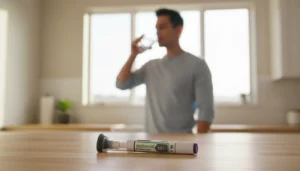
Stopping Zepbound: Managing the Transition
When you stop taking Zepbound, your appetite returns to pre-medication levels within a few weeks and most people regain a meaningful portion of their…


