Zepbound Dosing for Weight Loss: Understanding the Therapeutic Dose
Introduction
Embarking on a weight loss journey can feel like navigating a complex maze, especially when confronting the pervasive challenges of chronic weight management. For many, conventional approaches often fall short, leaving individuals searching for effective, sustainable solutions that align with their unique health needs. In recent years, medical science has offered groundbreaking advancements, with medications like Zepbound (tirzepatide) emerging as powerful tools in this battle. Approved by the FDA for chronic weight management, Zepbound represents a significant step forward, offering a new pathway for those living with obesity or overweight conditions complicated by weight-related health issues.
This article aims to demystify the essential aspects of Zepbound treatment, with a particular focus on what is the therapeutic dose for Zepbound. We will delve into the science behind this innovative medication, exploring its dual mechanism of action and the careful titration process designed to optimize its benefits while minimizing potential side effects. Understanding the journey from an initial starting dose to a personalized maintenance dose is crucial for anyone considering this treatment. We’ll also cover vital safety considerations, potential drug interactions, and emphasize the importance of integrating Zepbound into a comprehensive lifestyle plan. Our goal is to provide a clear, authoritative, and empathetic guide, helping you understand how Zepbound can be a transformative component of your health strategy.
At TrimRx, our journey began with a shared vision: to help individuals embrace healthier lifestyles by merging cutting-edge telehealth innovations with effective weight loss solutions. We believe that sustainable weight loss should be achieved through science, empathy, and a transparent approach, offering a supportive space where individuals receive personalized, medically supervised care. By the end of this post, you’ll have a comprehensive understanding of Zepbound’s dosing regimen, empowering you to make informed decisions about your weight loss journey, always in partnership with qualified healthcare professionals.
The Science Behind Zepbound: A Dual-Action Approach
To truly appreciate the nuances of Zepbound’s therapeutic dosing, it is vital to first understand the sophisticated science that underpins its effectiveness. Zepbound’s active ingredient, tirzepatide, is a novel medication that acts as a dual glucose-dependent insulinotropic polypeptide (GIP) and glucagon-like peptide-1 (GLP-1) receptor agonist. This dual action is a significant leap forward in weight management, targeting key physiological pathways that regulate appetite, metabolism, and blood sugar.
GLP-1 and GIP are natural hormones produced in the gut that play crucial roles in metabolic regulation. When we eat, these hormones are released, signaling to the body to produce insulin, which helps regulate blood glucose levels. Beyond glucose control, they also influence satiety and gastric emptying.
- GLP-1 Receptor Agonism: By mimicking the action of natural GLP-1, tirzepatide helps to slow down gastric emptying, meaning food stays in your stomach longer, promoting a feeling of fullness. It also reduces glucagon secretion, which helps lower blood sugar, and signals to the brain to decrease appetite and food intake.
- GIP Receptor Agonism: Tirzepatide’s unique addition of GIP receptor agonism amplifies these effects. GIP works synergistically with GLP-1 to enhance insulin secretion in a glucose-dependent manner and may also have direct effects on fat cells and metabolism, further contributing to weight loss.
This combined effect results in a powerful reduction in appetite, increased satiety, and improved metabolic health, all of which are critical for sustainable weight loss. The scientific foundation of Zepbound aligns perfectly with our values at TrimRx, where we are dedicated to offering solutions backed by advanced medical science and cutting-edge innovations. We believe in harnessing the power of these scientific breakthroughs to support individuals in achieving their health goals in a safe and effective manner.
Eligibility for Zepbound Treatment
While Zepbound offers a promising pathway for chronic weight management, it is not a universal solution. Determining eligibility is a critical first step, ensuring the medication is appropriate and safe for an individual’s specific health profile. Zepbound is prescribed for adults who meet specific clinical criteria, which are primarily based on body mass index (BMI) and the presence of weight-related health conditions.
Generally, Zepbound is indicated for adults with:
- A Body Mass Index (BMI) of 30 or higher, which is clinically classified as obesity.
- A BMI of 27 or higher, clinically considered overweight, and at least one weight-related health condition.
These weight-related health conditions can include a range of issues that are often exacerbated by excess weight, such as:
- High blood pressure (hypertension): A significant risk factor for heart disease and stroke.
- Heart disease: Including coronary artery disease and heart failure.
- High cholesterol (dyslipidemia): Elevated levels of LDL (“bad”) cholesterol and triglycerides.
- Type 2 diabetes: A chronic condition affecting how your body processes blood sugar, for which tirzepatide was initially approved under the brand name Mounjaro®.
- Obstructive Sleep Apnea (OSA): A condition where breathing repeatedly stops and starts during sleep.
The presence of these comorbidities underscores the importance of a comprehensive medical assessment. A thorough evaluation by a healthcare professional ensures that Zepbound is a suitable and beneficial treatment option, taking into account an individual’s complete medical history and current health status. This careful evaluation is precisely why our approach at TrimRx emphasizes personalized, medically supervised care.
We understand that navigating these eligibility requirements can feel daunting. That’s why we’ve made it simple to begin your journey toward a healthier lifestyle. To see if you might qualify for prescription weight loss medications like Zepbound, we encourage you to take our free assessment quiz. This initial step can provide valuable insights and connect you with the personalized care you deserve, respecting every individual’s unique journey with compassionate support.
Unpacking Zepbound’s Dosage Regimen
Understanding what is the therapeutic dose for Zepbound is more than just knowing a single number; it involves recognizing a carefully structured dosing regimen designed to maximize effectiveness while minimizing potential side effects. Zepbound treatment typically begins with a low dose and gradually increases over time, a process known as titration. This methodical approach is crucial because it allows your body to adjust to the medication, thereby reducing the likelihood and severity of gastrointestinal side effects, which are common with GLP-1/GIP receptor agonists.
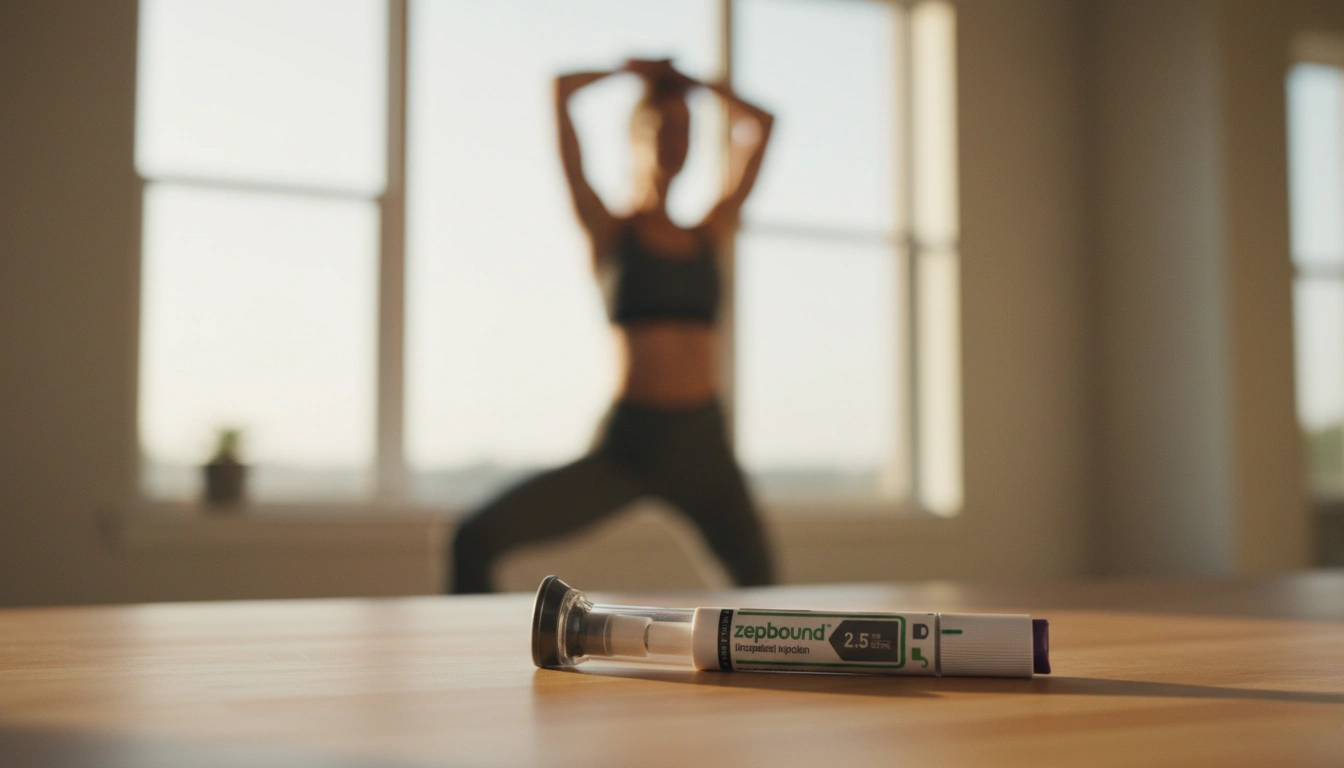
Zepbound is available as a liquid solution in prefilled, single-dose injection pens, making administration convenient for at-home use. It is also available in single-dose vials, offering flexibility depending on individual needs and healthcare provider recommendations. The medication comes in several strengths, ranging from 2.5 mg to 15 mg per 0.5 mL solution.
The Starting Dose: Laying the Foundation
Every Zepbound journey begins with a foundational dose. The recommended starting dosage for all indications is 2.5 mg injected subcutaneously once weekly for 4 weeks. This initial dose is specifically for treatment initiation. It’s important to understand that the 2.5 mg dosage is not intended as a maintenance dose; its primary purpose is to introduce the medication to your system gently and prepare your body for higher, more therapeutically effective doses. Starting low allows for a smoother transition and helps gauge your body’s initial response and tolerability.
Dose Escalation: Finding Your Optimal Path
After the initial 4 weeks on the 2.5 mg starting dose, your healthcare provider will likely increase your dosage. The standard practice for dose escalation involves increasing the dosage by 2.5 mg increments, but only after at least 4 weeks on the current dose. This means that after 4 weeks at 2.5 mg, you would typically move to 5 mg for another 4 weeks, then potentially to 7.5 mg, and so on, if needed and tolerated.
This gradual increase is pivotal. Your doctor will carefully consider your treatment response, evaluating how effectively you are losing weight and managing any weight-related conditions, alongside your tolerability to the medication. If you experience bothersome side effects, your healthcare provider may choose to slow down the escalation or maintain you at a current dose for a longer period until your body adjusts. This commitment to individualized care and careful monitoring is central to the TrimRx philosophy, where our empathetic and personalized approach ensures that your treatment plan is specifically tailored to your needs and progresses safely under medical supervision. Our brand is built on trustworthiness and support, ensuring transparent service throughout your journey.
Therapeutic Maintenance Doses: Sustaining Progress
The ultimate goal of the titration process is to arrive at a therapeutic maintenance dose. This is the dosage that provides the desired effect—significant weight loss and sustained weight management—with acceptable tolerability. For weight reduction and long-term maintenance, the recommended therapeutic maintenance dosages are 5 mg, 10 mg, or 15 mg injected subcutaneously once weekly. For individuals being treated for obstructive sleep apnea (OSA) in addition to weight management, the recommended maintenance dosage is typically 10 mg or 15 mg once weekly.
The specific maintenance dose that is “therapeutic” for you will be determined by your healthcare provider, based on your individual response to the medication, the progress you’ve made toward your weight loss goals, and how well you tolerate the medication’s side effects. It’s about finding the smallest dosage that provides the desired clinical benefit. This personalized approach to care ensures that your treatment is optimized for your body and your goals. Our commitment to transparent service means our approach remains consistent regardless of dosage changes, offering continuous support and guidance.
Maximum Recommended Dose
Regardless of the indication or the individual’s progress, the maximum recommended dosage of Zepbound for all indications is 15 mg injected subcutaneously once weekly. This maximum dose ensures that the medication’s benefits are achieved within established safety parameters. Your healthcare provider will always prioritize your safety and well-being, never exceeding this recommended limit. This results-oriented approach, grounded in advanced medical science, is a cornerstone of our commitment to you at TrimRx.
For those ready to explore if a personalized, medically supervised weight loss solution like Zepbound is right for them, we invite you to take our free assessment quiz. It’s a crucial step towards receiving a tailored treatment plan that aligns with your unique health needs and weight loss aspirations.
Administering Zepbound Safely and Effectively
Proper administration of Zepbound is essential for its safety and effectiveness. While the medication is designed for convenient at-home use, understanding the correct technique and adherence to the dosing schedule are paramount. Our goal at TrimRx is to empower you with the knowledge to manage your treatment confidently, always in consultation with your healthcare provider.
Zepbound is administered as a subcutaneous injection, meaning it’s injected just under the skin. Your healthcare provider, or another trained professional, will provide thorough training on how to use the prefilled single-dose injection pen or vial and syringe correctly. This training is a vital part of ensuring you feel comfortable and capable of administering your doses at home.
Key instructions for administration include:
- Injection Sites: Zepbound can be injected into the abdomen, the thigh, or the back of the upper arm. If you choose the upper arm, you will likely need assistance from another person to administer the injection properly. It is crucial to rotate injection sites with each dose to prevent skin irritation, hardening, or other issues at the injection site.
- Timing: Zepbound is administered once weekly, on the same day each week. You can inject your dose at any time of day, with or without meals. Consistency in your injection day helps maintain stable medication levels in your system.
- Visual Inspection: Before use, always visually inspect Zepbound. It should appear clear and colorless to slightly yellow. Do not use the medication if you notice particulate matter or discoloration, and always consult your pharmacist or healthcare provider if you have concerns.
Handling Missed Doses
Life happens, and sometimes a dose may be missed. If you miss a dose of Zepbound:
- Within 4 days (96 hours): Administer the missed dose as soon as you remember. Then, you can resume your regular once-weekly dosing schedule.
- More than 4 days (96 hours): If more than 4 days have passed since the missed dose, it’s generally recommended to skip that missed dose and simply administer your next dose on your regularly scheduled day. Do not inject two doses at once to make up for a missed dose, as this can increase the risk of side effects.
- Changing Administration Day: If you need to change your regular day of weekly administration, you can do so, provided there is at least 3 days (72 hours) between the two doses.
Always consult your doctor or pharmacist if you are unsure about a missed dose or need to adjust your injection schedule. Our comprehensive service at TrimRx includes unlimited support, ensuring you have the guidance you need every step of the way, making your weight loss journey as smooth as possible. We partner with FDA-registered and inspected pharmacies for the shipping of Zepbound and other weight loss medications, upholding the highest standards of safety and quality in our service.
Potential Side Effects and Safety Considerations
While Zepbound offers significant benefits for weight management, like all medications, it comes with potential side effects and important safety considerations that every patient should be aware of. Our commitment at TrimRx is to prioritize your safety and ensure you receive medically supervised care through our platform, where your healthcare provider thoroughly reviews your health profile.
Black Box Warning: Thyroid C-Cell Tumors
Zepbound carries a Boxed Warning regarding the risk of thyroid C-cell tumors. In studies involving rats, tirzepatide caused dose-dependent and treatment-duration-dependent thyroid C-cell tumors at clinically relevant exposures. While it is unknown whether Zepbound causes these tumors in humans, it is a serious consideration.
- Contraindications: Zepbound is contraindicated in patients with a personal or family history of medullary thyroid carcinoma (MTC) or in those with Multiple Endocrine Neoplasia syndrome type 2 (MEN 2).
- Patient Counseling: You will be counseled on the potential risk for MTC and informed of symptoms of thyroid tumors, such as a mass in the neck, difficulty swallowing (dysphagia), shortness of breath (dyspnea), or persistent hoarseness. Routine monitoring of serum calcitonin or using thyroid ultrasound is of uncertain value for early detection in patients treated with Zepbound and may lead to unnecessary procedures. However, if elevated serum calcitonin or thyroid nodules are found, further evaluation is indicated.
Common Gastrointestinal Reactions
The most common adverse reactions reported in patients treated with Zepbound are typically gastrointestinal and include:
- Nausea
- Diarrhea
- Vomiting
- Constipation
These reactions are often mild to moderate and tend to decrease over time as your body adjusts to the medication, especially with the gradual dose escalation schedule. Zepbound has not been studied in patients with severe gastrointestinal disease, including severe gastroparesis, and is therefore not recommended in these patients.
Serious Adverse Reactions
Beyond common GI issues, it’s important to be aware of potentially more serious adverse reactions:
- Acute Kidney Injury: Can result from dehydration due to severe gastrointestinal adverse reactions (vomiting, diarrhea). It’s crucial to monitor renal function in patients experiencing significant volume depletion.
- Acute Gallbladder Disease: Treatment with Zepbound has been associated with an increased occurrence of acute gallbladder disease, including gallstones (cholelithiasis), inflammation (cholecystitis), and the need for gallbladder removal (cholecystectomy).
- Acute Pancreatitis: Acute pancreatitis, including severe and sometimes fatal forms, has been observed in patients treated with GLP-1 receptor agonists and tirzepatide. Symptoms include persistent severe abdominal pain, sometimes radiating to the back, which may or may not be accompanied by vomiting. If suspected, Zepbound should be discontinued, and medical attention sought immediately.
- Hypersensitivity Reactions: Serious allergic reactions, including anaphylaxis and angioedema (severe swelling), have been reported. If these occur, promptly seek medical attention and discontinue Zepbound. It is contraindicated in patients with a known serious hypersensitivity to tirzepatide or any of its excipients.
- Hypoglycemia (Low Blood Sugar): Zepbound lowers blood glucose and can cause hypoglycemia, especially when used with insulin secretagogues (e.g., sulfonylureas) or insulin. Patients with type 2 diabetes should monitor blood glucose, and dose adjustments of other diabetes medications may be necessary to reduce the risk.
- Diabetic Retinopathy Complications: Rapid improvement in glucose control has been linked to a temporary worsening of diabetic retinopathy. Patients with a history of diabetic retinopathy should be monitored for progression.
- Suicidal Behavior and Ideation: Suicidal thoughts or behaviors have been reported with other weight management products. Patients treated with Zepbound should be monitored for new or worsening depression, suicidal thoughts, or unusual changes in mood or behavior. Zepbound should be discontinued if such symptoms occur, and avoided in patients with a history of suicidal attempts or active suicidal ideation.
- Pulmonary Aspiration During General Anesthesia or Deep Sedation: Zepbound delays gastric emptying. There have been rare reports of pulmonary aspiration during surgeries requiring general anesthesia or deep sedation in patients on GLP-1 receptor agonists. Inform your healthcare providers prior to any planned surgeries or procedures if you are taking Zepbound.
At TrimRx, our trusted and supportive team of medical professionals conducts thorough consultations and provides ongoing monitoring to ensure your safety throughout your treatment journey. We adhere strictly to FDA guidelines and partner exclusively with FDA-registered and inspected pharmacies for the shipping of all weight loss medications, upholding the highest standards of care. Ready to discuss your health with a compassionate expert? Take our free assessment quiz today to start your personalized journey.
Drug Interactions to Be Aware Of
When considering any new medication, understanding its potential interactions with other drugs is a vital component of safe and effective treatment. Zepbound, like many medications, can interact with other prescriptions or supplements, potentially altering their effects or increasing the risk of adverse reactions. This underscores the importance of a complete and transparent discussion with your healthcare provider about all medications you are currently taking.
Zepbound’s primary mechanism of delaying gastric emptying can influence the absorption of orally administered medications. This means that certain drugs, particularly those that require precise concentrations for efficacy or have a narrow therapeutic index, may be affected.
Key drug interactions to be aware of include:
- Oral Hormonal Contraceptives: Zepbound can decrease the effectiveness of oral hormonal contraceptives. It is crucial for patients using oral contraceptives to switch to a non-oral contraceptive method or to add a barrier method of contraception for 4 weeks after initiating Zepbound and for 4 weeks after each dose escalation. This ensures continued protection and prevents unintended pregnancies.
- Insulin and Insulin Secretagogues: Zepbound lowers blood glucose. When taken in combination with insulin or insulin secretagogues (such as sulfonylureas like glimepiride, glipizide, or glyburide), there is an increased risk of hypoglycemia (low blood sugar). If you are on these medications, your healthcare provider will likely need to adjust their doses to reduce this risk. Close monitoring of blood glucose levels is essential.
- Medications Requiring Threshold Concentrations: Due to the delayed gastric emptying caused by Zepbound, the absorption of certain oral medications may be impacted. This includes drugs like:
- Cyclosporine: An immunosuppressant.
- Digoxin: A heart medication.
- Divalproex sodium: Used to treat epilepsy and bipolar disorder.
- Levothyroxine: Thyroid hormone replacement.
- Lithium: Used for bipolar disorder. Monitoring of these medications, or any oral medication dependent on threshold concentrations for efficacy or with a narrow therapeutic index, is important to ensure they remain effective.
- Lonapegsomatropin: This growth hormone may decrease insulin sensitivity, particularly at higher doses, potentially impacting blood glucose control when co-administered with Zepbound. Close monitoring of blood glucose is recommended.
This list is not exhaustive, and the full scope of interactions should always be discussed with your healthcare provider. At TrimRx, our medically supervised care includes comprehensive consultations where we review your complete medication list to identify any potential interactions and adjust your personalized treatment plan accordingly. Our trustworthy and supportive approach ensures that all aspects of your health are considered, providing you with compassionate care that respects your unique journey. We encourage you to be open and honest with your medical team about all current medications and supplements you are taking, which is a foundational element of safe and effective treatment.
The Holistic Approach to Weight Loss: Beyond Medication
While medications like Zepbound are powerful tools in chronic weight management, it’s crucial to understand that they are most effective when integrated into a broader, holistic strategy. Zepbound is not a magic bullet; rather, it’s a facilitator that supports your body in achieving weight loss goals when combined with fundamental lifestyle changes. At TrimRx, we firmly believe that sustainable weight loss is achieved through a comprehensive approach rooted in science, empathy, and transparency.
The FDA approval for Zepbound explicitly states that it should be used in conjunction with a reduced-calorie diet and increased physical activity. These two pillars remain non-negotiable for lasting weight management success:
- Reduced-Calorie Diet: This doesn’t necessarily mean extreme restriction, but rather a mindful approach to nutrition. Focusing on nutrient-dense foods, portion control, and understanding your body’s energy needs are essential. A balanced diet provides the necessary fuel while creating the caloric deficit needed for weight loss.
- Increased Physical Activity: Regular exercise, encompassing a mix of cardiovascular activity and strength training, improves metabolism, burns calories, builds muscle, and enhances overall well-being. It also plays a significant role in mood regulation and energy levels, complementing the effects of Zepbound.
Beyond diet and exercise, a holistic approach to weight loss often includes:
- Behavioral Modifications: Addressing eating habits, emotional triggers, stress management, and sleep quality are critical. Sustainable weight loss involves not just what you eat, but why and how you eat.
- Mental and Emotional Well-being: Weight loss can be a challenging journey that impacts mental health. Support systems, mindfulness practices, and addressing underlying psychological factors contribute significantly to long-term success.
- Consistent Support and Guidance: Having a dedicated team to guide you, answer questions, and adjust your plan as needed can make all the difference.
Our brand personality at TrimRx is deeply empathetic, innovative, trustworthy, supportive, results-oriented, and personalized. We combine advanced medical science with modern technology to offer compassionate care that respects every individual’s unique journey. Our comprehensive service includes doctor consultations, medication (when appropriate), lab work, unlimited support, and shipping from FDA-registered and inspected pharmacies, all with no hidden fees. We’re here to help you develop long-term healthy habits that extend far beyond the medication itself.
To support your overall wellness during your weight loss journey, we also offer quick-access supplements designed to complement your efforts. Consider integrating our GLP-1 Daily Support or Weight Loss Boost into your routine for immediate support. These supplements are available without a quiz and can be purchased directly to provide an extra edge in your pursuit of health.
Navigating Supply and Access
It is important to acknowledge that the remarkable effectiveness of medications like Zepbound has led to unprecedented demand. This high demand, coupled with complexities in manufacturing and distribution, has unfortunately resulted in significant supply chain challenges, often leading to limited availability of certain doses. Patients and healthcare providers alike have experienced difficulties in consistently filling prescriptions, particularly for some of the intermediate doses.
At TrimRx, we understand the frustration and concern that arise from these supply fluctuations. While we cannot control external manufacturing and distribution challenges, we remain committed to transparency and providing the most accurate, up-to-date information possible within the scope of our services. We work tirelessly to partner with FDA-registered and inspected pharmacies that adhere to the highest standards, ensuring that when medication is available, it reaches you safely and efficiently.
During times of limited supply, communication with your healthcare provider becomes even more critical. They are best equipped to discuss strategies such as:
- Exploring Alternative Medications: In some cases, if Zepbound is not consistently available, your provider may discuss other FDA-approved prescription weight loss medications, such as Wegovy® or Ozempic® (semaglutide), or our various compounded options like Compounded Semaglutide or Compounded Tirzepatide (which are shipped from FDA-registered and inspected pharmacies and are not FDA approved).
- Dose Management Strategies: Your provider might advise on temporary adjustments to dosing schedules or other approaches to extend existing supplies, always with your safety as the top priority.
- Continuous Monitoring: Remaining in close contact with your medical team allows for timely adjustments to your treatment plan, ensuring continuity of care despite external challenges.
Our commitment at TrimRx is to provide consistent support and guidance through these challenges. Our comprehensive service includes ongoing doctor consultations and unlimited support, ensuring you’re never alone in navigating your weight loss journey. We encourage you to engage with our platform, where you can access personalized advice and explore solutions tailored to your situation. Take our free assessment quiz to discover personalized treatment options and let our supportive team guide you through every step.
TrimRx: Your Partner in a Personalized Weight Loss Journey
At TrimRx, our foundation is built on the belief that safe, effective, and sustainable weight loss is a deeply personal journey, one that flourishes with expert guidance and unwavering support. We recognize that each individual’s body, health history, and lifestyle are unique, demanding a tailored approach rather than a one-size-fits-all solution. Our journey began with a shared vision to merge cutting-edge telehealth innovations with clinically proven weight loss solutions, creating a user-friendly and supportive space for you.
Our platform stands out because we prioritize personalized, medically supervised care. We connect you with qualified healthcare providers who understand the complexities of weight management and are committed to developing a treatment plan that aligns with your specific needs and health goals. This dedication to individualized care is a cornerstone of our brand, reflecting our empathetic and trustworthy personality. We believe in transparency, offering a clear and consistent approach, and we are results-oriented, focusing on tangible, healthy outcomes.
Our product offerings are designed to cater to various stages and needs of your weight loss journey:
Personalized Weight Loss Program (Requires Quiz to Determine Eligibility): For those who may benefit from prescription medications, our program includes options such as:
- Compounded Semaglutide
- Oral Semaglutide
- Ozempic®
- Compounded Tirzepatide
- Oral Tirzepatide
- Mounjaro®
- Zepbound®
- Wegovy®
It’s important to clarify that our compounded medications are provided through FDA-registered, inspected, and approved pharmacies, ensuring high standards of quality; however, compounded medications themselves are not FDA-approved. Branded medications like Ozempic®, Zepbound®, Mounjaro®, and Wegovy® are FDA-approved. Our comprehensive service includes doctor consultations, necessary lab work, the medication itself, unlimited support, and shipping, all without hidden fees.
Quick-Access Supplements (Do Not Require a Quiz): To support your overall wellness and enhance your weight loss efforts, we also offer immediate support supplements:
These supplements are available for immediate purchase, providing a convenient way to bolster your health regimen.
Ready to take the first step toward a healthier, more vibrant you? We invite you to take our free assessment quiz to see if you qualify for our personalized prescription weight loss medications. This quiz is the gateway to unlocking a tailored treatment plan designed just for you. For immediate support and to complement your journey, explore our GLP-1 Daily Support and Weight Loss Boost supplements. Together, we can make sustainable weight loss attainable and tailored to your individual needs.
Conclusion
Understanding what is the therapeutic dose for Zepbound is more than just learning about a medication; it’s about recognizing a structured, scientifically backed path toward sustainable weight management. We’ve explored Zepbound’s innovative dual-action mechanism, its carefully titrated dosing regimen from initiation to maintenance, and the crucial safety considerations and potential drug interactions that inform its use. This journey underscores the profound importance of personalized, medically supervised care, ensuring that treatment is not only effective but also safe and tailored to your unique physiological needs.
Weight loss is undeniably a complex and often deeply personal journey, but it doesn’t have to be one you face alone. Medications like Zepbound offer a powerful adjunct to lifestyle modifications, helping to reframe your relationship with food and your body. However, the true transformation stems from integrating these medical advancements with a holistic approach that embraces healthy eating, regular physical activity, and robust emotional support.
At TrimRx, we are steadfast in our dedication to providing safe, effective, and individualized care. Our mission is to empower you to embrace healthier lifestyles, bridging cutting-edge telehealth with proven weight loss solutions. We believe in the power of science, empathy, and transparency to guide you toward lasting well-being. By offering a platform that provides personalized, medically supervised support, we aim to make sustainable weight loss attainable for every individual.
If you’re ready to take a proactive step towards a healthier future, we encourage you to explore the possibilities. Your personalized journey begins with informed choices and expert guidance.
Frequently Asked Questions (FAQ)
What is the difference between Zepbound’s starting and maintenance doses?
The starting dose of Zepbound is 2.5 mg once weekly for 4 weeks and is solely for initiating treatment, allowing your body to adjust to the medication and minimize initial side effects. It is not considered a therapeutic maintenance dose. Therapeutic maintenance doses, which are 5 mg, 10 mg, or 15 mg once weekly (or 10 mg or 15 mg for OSA), are the dosages at which individuals achieve and sustain significant weight loss and management, determined by their response and tolerability after a gradual dose escalation period.
How long does it typically take to see results with Zepbound?
Zepbound starts to work after your first dose by influencing appetite and satiety. However, measurable weight loss typically begins to become noticeable after a few weeks, especially as you progress through the initial dose escalation phases and your body adapts to the medication. Significant results are often observed over several months, in conjunction with a reduced-calorie diet and increased physical activity. Your healthcare provider will monitor your progress during treatment.
Can Zepbound be used long-term?
Yes, Zepbound is generally intended for long-term use in adults with obesity or overweight and weight-related comorbidities. If you and your healthcare provider determine that it is safe and effective for you, Zepbound can be an ongoing component of your chronic weight management plan to help sustain weight loss and prevent weight regain. Regular medical check-ups and monitoring of your health are important throughout long-term treatment.
What should I do if I miss a dose of Zepbound?
If you miss a dose of Zepbound, you should administer it as soon as possible, provided it has been within 4 days (96 hours) since the missed dose. After taking the missed dose, you can resume your regular once-weekly dosing schedule. However, if more than 4 days (96 hours) have passed since the missed dose, you should skip that dose and simply take your next scheduled dose on your usual day. It is crucial not to inject two doses at once or within 3 days (72 hours) of each other, as this can increase the risk of side effects. Always consult your doctor or pharmacist if you are unsure.

Transforming Lives, One Step at a Time
Keep reading

How to Get Zepbound in Texas: Your Guide
Getting Zepbound in Texas is straightforward once you know your options. You can get a prescription through a telehealth provider from home, through your…

How to Get Zepbound in California: Where to Start
Zepbound (tirzepatide) is available to California residents through your primary care provider, a weight loss clinic, or a telehealth service that prescribes and delivers…
Stopping Zepbound: Managing the Transition
When you stop taking Zepbound, your appetite returns to pre-medication levels within a few weeks and most people regain a meaningful portion of their…


