Zepbound Dosing: What Dose Are Most People On?
Introduction
Many of us understand the profound impact that weight can have on our overall health and well-being. It’s a journey often marked by challenges, triumphs, and the continuous search for effective, sustainable solutions. The emergence of medications like Zepbound has opened new avenues for achieving significant weight loss, offering hope where traditional methods may have fallen short. As we navigate these innovative treatments, a common question arises: “What dose of Zepbound are most people on?” This isn’t just about a number on a prescription pad; it’s about understanding the intricate balance between efficacy, individual response, and how a personalized approach can truly transform lives.
Here at TrimRx, our journey began with a shared vision to help individuals embrace healthier lifestyles by merging cutting-edge telehealth innovations with effective weight loss solutions. We believe that sustainable weight loss should be achieved through science, empathy, and a transparent approach, all designed to make lasting change attainable and tailored to the individual.
In this comprehensive guide, we’ll delve into the world of Zepbound dosing. We’ll explore how this remarkable medication works, the typical progression of a dosing regimen, and what clinical trials reveal about its effectiveness at various strengths. Crucially, we’ll move beyond generalized statistics to highlight why the “best” or “most common” dose is ultimately a deeply personal discovery, guided by expert medical supervision. We’ll examine the factors that influence individual responses and how TrimRx’s patient-focused programs are designed to support you every step of the way, offering a platform that is a user-friendly and supportive space for personalized, medically supervised care. By the end of this post, you’ll have a clearer understanding of Zepbound’s dosing landscape and how a tailored approach can empower your unique weight loss journey.
Understanding Zepbound: A Deeper Look at Tirzepatide
Zepbound, a prescription medication containing the active ingredient tirzepatide, represents a significant advancement in the field of weight management. It’s designed for adults with obesity (a Body Mass Index, or BMI, of 30 or higher) or those who are overweight (a BMI of 27 or higher) with at least one weight-related health condition, such as high blood pressure, high cholesterol, type 2 diabetes, or obstructive sleep apnea. This medication works in a sophisticated manner, targeting key physiological pathways involved in appetite regulation and metabolic control.
How Zepbound Works to Support Weight Loss
Tirzepatide is classified as a dual glucose-dependent insulinotropic polypeptide (GIP) and glucagon-like peptide-1 (GLP-1) receptor agonist. This dual-action mechanism is what sets it apart, mimicking the effects of two natural gut hormones that play crucial roles in how our bodies process food and manage energy:
- GLP-1 (Glucagon-Like Peptide-1): This hormone helps to slow gastric emptying, meaning food stays in your stomach longer, promoting a feeling of fullness. It also signals your brain to reduce appetite, quieting those persistent “food noise” thoughts and cravings. Additionally, GLP-1 stimulates insulin secretion in a glucose-dependent manner, helping to lower blood sugar levels after meals.
- GIP (Glucose-Dependent Insulinotropic Polypeptide): GIP works synergistically with GLP-1. It further enhances insulin release from the pancreas in response to food intake and may also contribute to reducing appetite and improving the body’s ability to break down fats.
By activating both GLP-1 and GIP receptors, Zepbound offers a comprehensive approach to weight management. It helps individuals feel fuller, reduce their overall food intake, and improves metabolic markers, ultimately leading to significant and sustained weight loss. This scientific foundation underpins our commitment at TrimRx to providing effective solutions, understanding that lasting change is built on a solid, evidence-based approach.
The Importance of a Holistic Approach
While Zepbound is a powerful tool, it’s most effective when integrated into a broader lifestyle strategy. Clinical trials consistently show that medications like Zepbound achieve optimal results when combined with a reduced-calorie diet and increased physical activity. This holistic perspective is central to our philosophy at TrimRx. We understand that true wellness extends beyond medication to encompass nutrition, movement, and mental well-being. Our programs emphasize these interconnected elements, empowering individuals to make sustainable changes that complement their medical treatment.
Thinking about how Zepbound could fit into your life? A personalized plan is key. You can take our free assessment quiz to see if you qualify for our prescription weight loss medications, which include Zepbound, and receive a tailored treatment plan designed just for you.
The Zepbound Dosing Journey: A Step-by-Step Approach
The journey with Zepbound typically begins with a carefully structured dosing schedule, designed to minimize side effects and allow the body to gradually adjust to the medication. This isn’t a “one-size-fits-all” sprint but a thoughtful, medically supervised progression that respects your body’s unique response.
Starting Small: The Initial 2.5 mg Dose
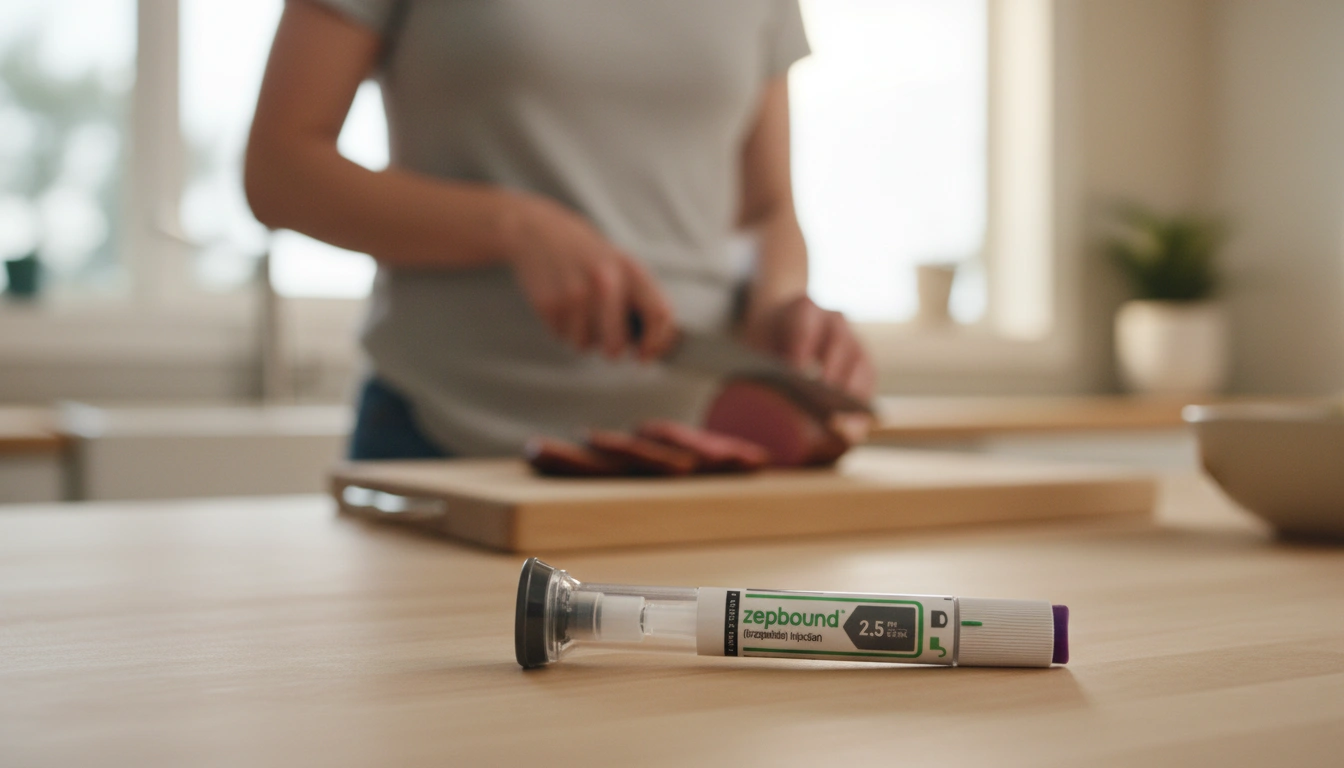
When beginning Zepbound, patients are typically prescribed a starting dose of 2.5 mg once weekly for the first four weeks. This initial phase is crucial for several reasons:
- Minimizing Side Effects: Like many medications that affect the gastrointestinal system, Zepbound can cause side effects such as nausea, vomiting, diarrhea, and constipation, especially when first starting treatment or increasing the dose. Beginning with a low dose allows the body to acclimate slowly, reducing the intensity and frequency of these potential side effects.
- Assessing Tolerability: The initial 2.5 mg dose provides an opportunity for you and your healthcare provider to assess how well you tolerate the medication. This feedback is vital for guiding subsequent dose adjustments.
- Gradual Adaptation: The body needs time to adapt to the new hormonal signals that tirzepatide initiates. A slow start ensures that these physiological changes occur smoothly.
It’s important to understand that while some individuals may experience initial weight loss or a reduction in appetite at this starting dose, the 2.5 mg dose is primarily considered an introductory dose for titration, not usually a long-term maintenance dose.
Gradual Escalation: Finding Your Therapeutic Window
Following the initial four weeks at 2.5 mg, your healthcare provider will typically increase your Zepbound dose by 2.5 mg increments approximately every four weeks. This means the progression might look something like this:
- Weeks 1-4: 2.5 mg once weekly
- Weeks 5-8: 5 mg once weekly
- Weeks 9-12: 7.5 mg once weekly
- Weeks 13-16: 10 mg once weekly
- Weeks 17-20: 12.5 mg once weekly
- Weeks 21 onwards: 15 mg once weekly (if needed and tolerated)
This systematic approach is guided by your individual response to the medication, specifically balancing efficacy (how well it’s working for weight loss) with tolerability (how well you’re managing any side effects). Your doctor will only increase the dose if you are tolerating the current dose well and if further weight loss benefit is desired. This meticulous process ensures that you reach an effective dose while maintaining comfort and safety. This personalized titration is a cornerstone of our approach at TrimRx, ensuring that your treatment plan is always aligned with your unique needs and progress.
Remember, dose changes should only be made under the close supervision of a healthcare provider. Rapidly increasing dosage can heighten the risk of gastrointestinal side effects, which, in severe cases, could lead to dehydration. Our commitment to transparent service means our approach remains consistent regardless of dosage changes, always prioritizing your well-being.
What Does “Maintenance Dose” Mean?
The goal of this gradual escalation is to find your optimal “maintenance dose” – the weekly dose at which you experience significant weight loss benefits with manageable side effects. For many, this maintenance dose falls within the range of 5 mg to 15 mg once weekly. It’s not necessarily the highest dose that provides the best results for everyone. Some individuals may achieve excellent results and better tolerability at 5 mg or 7.5 mg, while others may require 10 mg or 15 mg to reach their weight loss goals.
The concept of a maintenance dose underscores the personalized nature of Zepbound treatment. It’s about finding the sweet spot where the medication is most effective for you, allowing for sustained weight management over the long term. This is why our programs at TrimRx are built around comprehensive service that includes doctor consultations, medication, lab work, unlimited support, and shipping with no hidden fees, all aimed at guiding you to your personalized maintenance dose.
Clinical Insights: Efficacy Across Zepbound Doses
Understanding Zepbound dosing involves looking at what clinical trials tell us about the medication’s effectiveness at different strengths. The landmark SURMOUNT clinical trials, evaluating Zepbound’s impact on weight loss over 72 weeks (roughly 1.3 years), provide invaluable data. These studies offer a window into what dose of Zepbound are most people on for optimal average weight loss, while also highlighting the importance of individual variability.
Decoding the SURMOUNT Trials: Average Weight Loss at Different Strengths
The clinical trials demonstrated that Zepbound, when used in conjunction with diet and exercise, led to impressive average body weight reductions. It’s clear that, in general, higher doses correlated with greater average weight loss.
5 mg Dose: Significant Steps Forward
Even at the lower end of the maintenance doses, the 5 mg once-weekly dose of Zepbound showed substantial effectiveness. Participants on this dose achieved an average body weight reduction of around 15% over 72 weeks. For someone starting at 200 pounds, this could translate to a loss of approximately 30 pounds. This demonstrates that even moderate doses can lead to meaningful health improvements and weight loss for many individuals. In fact, studies indicated that about 7 out of 10 people on 5 mg tirzepatide experienced a weight loss of 10% or more.
10 mg Dose: Enhanced Weight Reduction
Stepping up to the 10 mg once-weekly dose, participants saw an even greater average weight loss. Clinical data revealed approximately a 20% body weight reduction on this dose. For our hypothetical 200-pound individual, this could mean a loss of around 40 pounds. The increase in efficacy at this dose suggests it becomes a powerful option for those who tolerate it well and are seeking more pronounced results. More than half of individuals on 10 mg tirzepatide in trials lost 20% of their body weight or more.
15 mg Dose: Peak Average Outcomes
The highest approved dose of 15 mg once weekly achieved the greatest average weight loss in clinical trials, reaching approximately 21% body weight reduction over 72 weeks. For a 200-pound person, this would be an average loss of about 42 pounds. This data suggests that for individuals who can tolerate the maximum dose, it offers the most potent effect on average weight reduction. Over 90% of participants on 15 mg tirzepatide lost 5% or more of their body weight, and over half lost 20% or more.
In comparison, participants in the placebo group (who did not receive Zepbound but followed diet and exercise guidelines) lost only about 3.1% of their body weight, underscoring the significant impact of tirzepatide.
The Nuance of “Most Effective” Versus “Most Tolerated”
While the clinical trial data points to the 15 mg dose as producing the highest average weight loss, it’s crucial to understand that “most effective” in a trial setting doesn’t always equate to the “best” or “most common” dose for every individual in real-world practice.
Here’s why:
- Side Effects: Higher doses correlated with an increased incidence and severity of gastrointestinal side effects like nausea, vomiting, and diarrhea. For some patients, these side effects might become bothersome enough to limit their ability to reach or comfortably maintain the highest doses.
- Individual Response: Not everyone’s body responds to medication in the same way. Some individuals may achieve their desired weight loss goals and feel perfectly well on a lower or intermediate dose, making further escalation unnecessary.
- Sustainability: The “best” dose is one that can be sustained long-term, balancing the desired weight loss with minimal disruption to daily life due to side effects.
Therefore, while 15 mg demonstrated the greatest average weight loss, it’s not universally suitable for everyone. Many individuals find substantial benefit and better tolerability at intermediate doses such as 5 mg, 7.5 mg, or 10 mg. The answer to “what dose of Zepbound are most people on” is ultimately the dose that strikes the optimal balance between achieving effective weight loss and ensuring good tolerability for that individual, under medical guidance.
This brings us back to the heart of TrimRx’s philosophy: personalization. Our goal is not just to prescribe a medication but to partner with you to find the precise treatment path that works best for your body and your life.
Beyond Averages: The Power of Personalized Zepbound Dosing
The question “what dose of Zepbound are most people on” encourages us to look beyond broad averages and focus on the individual. At TrimRx, we firmly believe that your weight loss journey is uniquely yours, and your medication dosing should reflect that. While clinical trials provide valuable benchmarks, they don’t dictate the perfect dose for every single person.
Why Your Optimal Dose is Unique
Imagine your body as a finely tuned instrument. While the basic structure is similar for everyone, the exact settings, sensitivities, and responses vary from person to person. This is why a personalized approach to Zepbound dosing is paramount:
- Metabolic Individuality: Each person’s metabolism, hormonal profile, and genetic predispositions are distinct. These factors influence how quickly the body processes Zepbound and how it responds to the medication’s effects on appetite and satiety.
- Tolerability Thresholds: What one person finds mildly uncomfortable, another might find intolerable. Your personal threshold for side effects, particularly gastrointestinal ones, plays a significant role in determining the highest dose you can comfortably sustain.
- Weight Loss Goals and Progress: Your specific weight loss goals and how your body responds at each dose increment will influence whether a higher dose is necessary or if you’re achieving desired results at a lower strength. For instance, if you’re consistently losing weight and feeling good on 7.5 mg, there might be no clinical reason to increase to 10 mg.
Factors Influencing Individual Dose Response
Several interconnected factors can influence how you respond to Zepbound at different doses:
- Baseline Health Conditions: Existing medical conditions, especially those affecting the gastrointestinal system or kidney function, can impact how Zepbound is tolerated and metabolized. For example, Zepbound has not been studied in patients with severe gastrointestinal disease and is not recommended for them.
- Concomitant Medications: Other medications you are taking could potentially interact with Zepbound or influence its side effect profile, requiring careful dose consideration.
- Adherence to Lifestyle Changes: The effectiveness of any dose is significantly amplified by adherence to a reduced-calorie diet and regular physical activity. Without these complementary efforts, medication alone may not yield optimal results.
- Underlying Hormonal Imbalances: Sometimes, other hormonal imbalances (e.g., thyroid issues, certain aspects of perimenopause or menopause) can influence weight loss. While Zepbound addresses GLP-1 and GIP, a comprehensive evaluation can identify other factors contributing to weight management challenges.
The Role of Medical Supervision in Dose Adjustment
This highly individualized nature underscores the absolute necessity of medical supervision. Self-adjusting your Zepbound dose is not recommended and can be dangerous, potentially leading to increased side effects or reduced efficacy. A qualified healthcare provider will:
- Assess Eligibility: Before starting, they’ll determine if Zepbound is appropriate for your health profile, reviewing your medical history and current medications.
- Monitor Progress: They will regularly check your weight loss progress, evaluate side effects, and discuss your overall well-being.
- Adjust Dosing Safely: Based on your individual response, tolerability, and progress, they will make informed decisions about increasing, maintaining, or even decreasing your dose to ensure safety and effectiveness.
- Provide Holistic Support: Beyond medication, they can offer guidance on diet, exercise, and address any other health concerns that impact your weight journey.
At TrimRx, our commitment to your health journey is rooted in this principle of personalized, medically supervised care. We connect you with healthcare professionals who will craft a treatment plan tailored specifically to you, ensuring that you find your optimal dose of Zepbound or other suitable medications. Our platform makes it simple to engage with experienced doctors who understand the nuances of these powerful treatments. To begin your journey toward a personalized plan and discover if Zepbound or other solutions are right for you, we encourage you to take our free assessment quiz.
Maximizing Your Zepbound Journey: Beyond the Medication
Achieving sustainable weight loss with Zepbound involves more than just the medication itself; it’s about building a foundation of healthy habits and addressing all aspects of your well-being. This integrated approach ensures that the powerful effects of Zepbound are amplified and maintained long-term.
Lifestyle Integration: Diet and Physical Activity
As the clinical trials clearly demonstrated, Zepbound works best when combined with a reduced-calorie diet and increased physical activity. These lifestyle pillars are not optional complements but integral components of a successful weight management strategy:
- Nutrient-Dense Diet: Focus on consuming balanced meals rich in lean proteins, whole grains, fruits, and vegetables. Lean protein helps maintain muscle mass during weight loss and promotes satiety. Fiber-rich foods support digestive health and further enhance feelings of fullness. Avoiding highly processed foods, sugary drinks, and excessive unhealthy fats can significantly contribute to a caloric deficit and overall health.
- Consistent Physical Activity: Aim for at least 20-30 minutes of moderate-intensity exercise most days of the week. This could include brisk walking, swimming, cycling, or strength training. Physical activity not only burns calories but also improves cardiovascular health, boosts mood, and helps preserve muscle mass as you lose weight.
- Hydration: Staying well-hydrated is critical, especially when starting Zepbound, as it can help manage some gastrointestinal side effects like constipation.
Making these changes can be challenging, but you don’t have to navigate them alone. Our comprehensive service includes ongoing support to help you integrate these lifestyle changes effectively. For immediate support in your weight loss journey, consider our GLP-1 Daily Support and Weight Loss Boost supplements, designed to complement your efforts.
Addressing Underlying Factors and Non-Response
While Zepbound has proven highly effective for many, a small percentage of individuals may be considered “non-responders,” losing less than 5% of their body weight. If you find yourself not losing weight on Zepbound despite adherence to the prescribed dose and lifestyle recommendations, it’s not a reason to lose hope. It’s an opportunity for a deeper dive with your healthcare provider. Potential reasons for a slower or limited response can include:
- Need for Dose Adjustment: As discussed, your current dose may not be your optimal therapeutic dose. Further titration under medical supervision might be necessary.
- Undiagnosed Underlying Conditions: Hormonal imbalances beyond GLP-1 and GIP, such as thyroid disorders (hypothyroidism), polycystic ovary syndrome (PCOS), or certain medications, can impede weight loss. Your doctor can evaluate these possibilities through appropriate lab work and assessments.
- Sleep and Stress: Chronic stress and inadequate sleep can significantly impact hormones that regulate appetite and metabolism, making weight loss more challenging.
- Medication Specifics: While Zepbound is highly effective, it’s also important to remember that some branded medications like Ozempic® and Wegovy® (semaglutide-based) or Mounjaro® (tirzepatide-based, similar to Zepbound but FDA-approved for type 2 diabetes) exist, and our programs offer a range of options, including compounded Semaglutide and Tirzepatide, for those who qualify after completing our personalized assessment.
Our commitment to compassionate care respects every individual’s unique journey. We combine advanced medical science with modern technology to ensure you receive comprehensive support. If you’re exploring options or troubleshooting your current plan, remember that our personalized assessment is a great starting point to take our free assessment quiz and ensure all factors are considered for your path to sustainable weight loss.
TrimRx’s Commitment to Your Personalized Weight Loss Journey
At TrimRx, we understand that embarking on a weight loss journey is a significant decision, and finding the right path requires trust, expertise, and unwavering support. Our entire framework is built around providing a safe, effective, and truly individualized experience, deeply integrating our brand values into every aspect of your care.
Our Vision: Science, Empathy, and Transparency
Our journey began with a shared vision: to empower individuals to embrace healthier lifestyles by merging cutting-edge telehealth innovations with clinically proven weight loss solutions. We believe that sustainable weight loss should be achieved through science, empathy, and a transparent approach. This means:
- Science-Backed Solutions: We focus exclusively on medically supervised, evidence-based treatments like Zepbound, Compounded Semaglutide, Oral Semaglutide, Ozempic®, Compounded Tirzepatide, Oral Tirzepatide, Mounjaro®, Zepbound®, and Wegovy®. These are powerful tools, and our experts ensure they are used appropriately and effectively.
- Empathetic Care: We recognize that weight loss is more than just physical; it’s emotional and psychological. Our approach offers compassionate care that respects every individual’s unique journey, providing a supportive environment where you feel heard and understood.
- Transparent Service: From the moment you engage with us, you’ll experience clarity and honesty. We highlight that our approach remains consistent regardless of dosage changes, and there are no hidden fees in our comprehensive service, which includes doctor consultations, medication, lab work, unlimited support, and shipping.
A Comprehensive Path to Sustainable Weight Loss
Our platform is a user-friendly and supportive space where individuals receive personalized, medically supervised care, all designed to make sustainable weight loss attainable and tailored to the individual. When you choose TrimRx, you’re choosing a partner dedicated to your success:
- Personalized Treatment Plans: We don’t believe in generic solutions. By taking our free assessment quiz, you initiate a process that leads to a personalized treatment plan, determining your eligibility for prescription medications like Zepbound and ensuring the chosen path aligns with your health profile and goals.
- Expert Medical Supervision: Our network of experienced healthcare professionals provides ongoing guidance, monitoring your progress, adjusting your medication dose (such as Zepbound) as needed, and addressing any concerns you may have. This crucial oversight ensures both safety and optimal results.
- Holistic Support System: Beyond medication, we provide the resources and encouragement to integrate vital lifestyle changes. Whether it’s through our unlimited support or complementary supplements like GLP-1 Daily Support and Weight Loss Boost, we’re here to reinforce every step of your journey.
Ensuring Safety and Quality with Our Medications
Your safety is our paramount concern. We understand the importance of trust when it comes to prescription medications, which is why TrimRx works exclusively with FDA-registered and inspected pharmacies.
- FDA-Registered Pharmacies: All prescription medications, including branded Zepbound® (which is FDA-approved) and compounded tirzepatide or semaglutide, are provided through these reputable pharmacies. This ensures that the products you receive meet rigorous quality and safety standards. It’s important to clarify that while branded medications like Zepbound® and Ozempic® are FDA-approved, compounded medications are not individually FDA-approved. However, the pharmacies we partner with for shipping these medications are FDA-registered and inspected, adhering to strict regulatory oversight.
- Secure Delivery: Medications are shipped directly to your door from these pharmacies, offering convenience without compromising safety or quality.
We pride ourselves on being innovative, trustworthy, supportive, and results-oriented. Our platform combines advanced medical science with modern technology to offer you the best possible path to a healthier, more vibrant you.
Embracing Your Healthier Future
The journey to sustainable weight loss with medications like Zepbound is a testament to the power of modern medicine combined with personalized care. While clinical trials show higher average weight loss at doses like 10 mg and 15 mg, the “best” or “most common” dose for you is ultimately discovered through a careful, medically supervised titration process that prioritizes both efficacy and tolerability. It’s about finding the balance that empowers you to achieve your health goals, not just a number on a scale.
At TrimRx, we are dedicated to helping you unlock that potential. Our comprehensive, personalized weight loss programs offer the medical expertise, supportive community, and scientifically backed solutions you need. We invite you to explore how a tailored approach, guided by our empathetic and transparent care, can transform your relationship with your health. Your healthier future is within reach, and we are here to walk alongside you every step of the way.
Are you ready to discover a personalized path that genuinely works for you? Take the first step today: take our free assessment quiz to see if you qualify for our prescription weight loss medications, and embark on a journey towards lasting well-being with TrimRx. For immediate support and to enhance your overall wellness, consider our GLP-1 Daily Support and Weight Loss Boost supplements.
Frequently Asked Questions (FAQs)
How much weight can someone expect to lose on Zepbound?
Clinical trials for Zepbound (tirzepatide) have shown significant weight loss, with individuals achieving an average of 15% to 21% body weight reduction over 72 weeks, depending on the dose. For instance, the 5 mg dose led to approximately 15% weight loss, the 10 mg dose to about 20%, and the 15 mg dose to around 21%. These results are achieved when Zepbound is used in conjunction with a reduced-calorie diet and increased physical activity.
How long does it take for Zepbound to start working and show noticeable results?
Zepbound begins to work after the very first dose, influencing appetite and satiety. While some individuals may experience initial changes in appetite or a small amount of weight loss in the first few weeks, significant and noticeable weight loss typically becomes evident after a few months of treatment. Clinical trials observed peak weight loss by approximately 9 months, with sustained results over 72 weeks. The gradual dose escalation also plays a role in the timeline of significant results.
What are the most common side effects of Zepbound, and how are they managed?
The most common side effects of Zepbound are primarily gastrointestinal in nature, including nausea, diarrhea, vomiting, and constipation. Other reported side effects can include stomach pain, indigestion, and fatigue. These side effects are often mild to moderate and tend to decrease over time as your body adjusts to the medication. Starting at a low dose and gradually increasing it, as well as adherence to dietary recommendations (like eating smaller, frequent meals and staying hydrated), are key strategies for managing these side effects. Always discuss any persistent or severe side effects with your healthcare provider.
Is there a specific diet or exercise plan recommended while taking Zepbound?
While there isn’t one “specific” diet or exercise plan mandated for Zepbound, clinical trials emphasized the importance of a reduced-calorie diet and increased physical activity for optimal results. Generally, a balanced diet rich in lean protein, whole grains, fruits, and vegetables is recommended to create a caloric deficit and support overall health. Limiting ultra-processed foods, added sugars, and unhealthy fats is also beneficial. For exercise, aiming for at least 20-30 minutes of moderate-intensity activity most days of the week is a good starting point. Your healthcare provider can offer personalized dietary and exercise guidance to complement your Zepbound treatment.

Transforming Lives, One Step at a Time
Keep reading

How to Get Zepbound in Texas: Your Guide
Getting Zepbound in Texas is straightforward once you know your options. You can get a prescription through a telehealth provider from home, through your…

How to Get Zepbound in California: Where to Start
Zepbound (tirzepatide) is available to California residents through your primary care provider, a weight loss clinic, or a telehealth service that prescribes and delivers…
Stopping Zepbound: Managing the Transition
When you stop taking Zepbound, your appetite returns to pre-medication levels within a few weeks and most people regain a meaningful portion of their…


