Can You Take Zepbound Right Out of the Fridge?
Introduction
Standing in the kitchen with a cold injection pen in hand, it is natural to hesitate. You might wonder if the chilled medication will sting more or if the temperature affects how the drug works. For many people beginning their weight loss journey, these small logistical details can feel overwhelming. We understand that the transition to a new medication routine involves a learning curve, and getting the storage right is a critical part of your success.
At TrimRx, we aim to simplify the science of metabolic health so you can focus on your progress. This article will clarify whether you can take Zepbound® (tirzepatide) directly from the refrigerator, how temperature affects your comfort, and the essential storage rules to keep your medication effective. The short answer is that while you can inject it cold, taking a few minutes to let the medication reach room temperature may lead to a more comfortable experience.
The Short Answer: Injecting Cold vs. Room Temperature
Quick Answer: Yes, you can safely take Zepbound® right out of the fridge and inject it immediately. The manufacturer’s instructions do not require the medication to be warmed; however, many individuals prefer to let the pen sit at room temperature for about 30 minutes to reduce the “sting” or discomfort that can sometimes occur with cold injections.
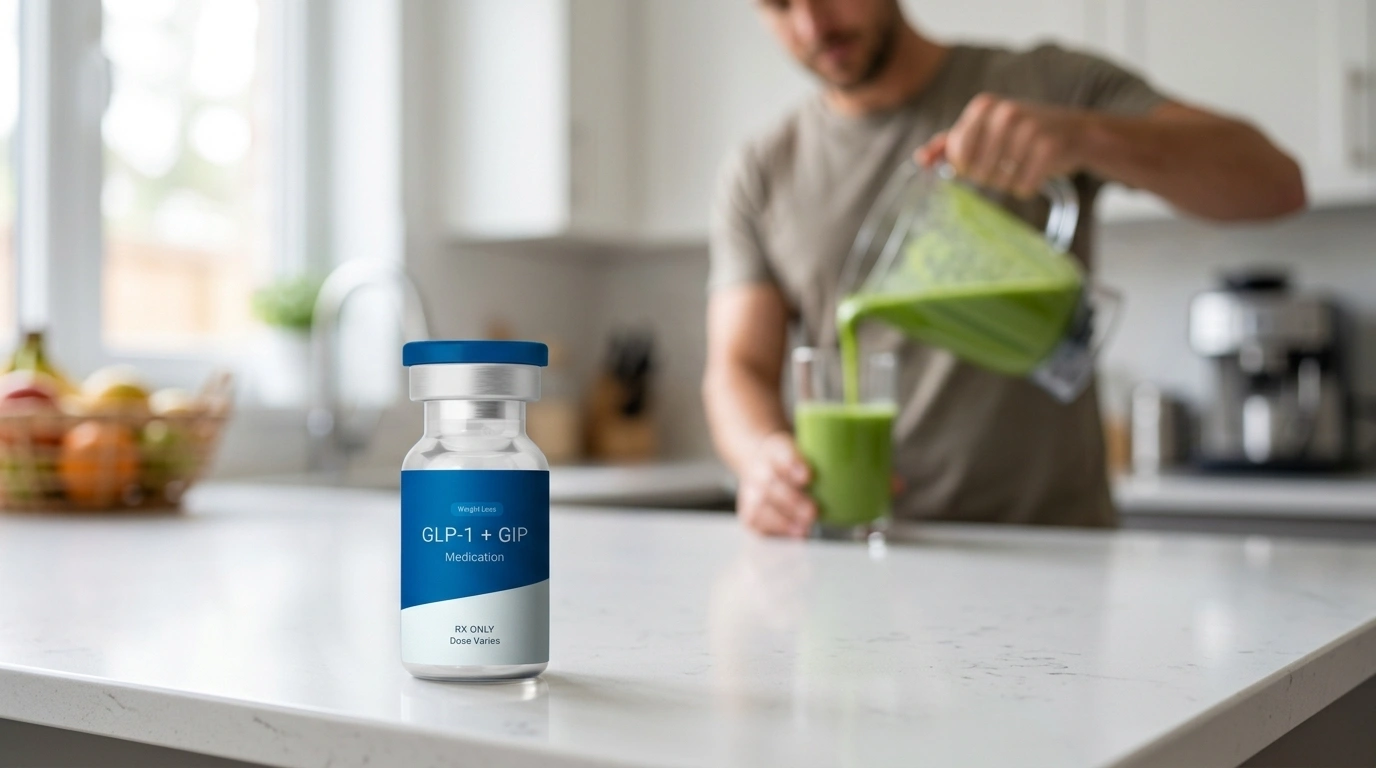
While it is clinically safe to use the medication while it is cold, there are several factors to consider regarding your comfort and the integrity of the medication. Zepbound® is a dual agonist medication, meaning it mimics two hormones in the body: glucagon-like peptide-1 (GLP-1) and glucose-dependent insulinotropic polypeptide (GIP). These hormones help regulate appetite and blood sugar. Because the active ingredient, tirzepatide, is a protein-based molecule, it is sensitive to its environment.
For readers still deciding whether prescription treatment may be appropriate, you can complete a free eligibility assessment.
Why Some People Wait
The most common reason people choose to wait before injecting is the physical sensation of the liquid. Chilled liquid is more viscous and can feel more intense as it enters the subcutaneous tissue (the layer of fat just under the skin). By letting the pen sit out for 20 to 30 minutes, the liquid becomes less dense, often making the injection feel smoother.
Why Some People Inject Immediately
If you are in a rush or simply want to get the task over with, injecting straight from the fridge is perfectly acceptable. There is no evidence that injecting cold medication reduces its effectiveness or alters how the body absorbs the tirzepatide. If you do not mind a slight temporary stinging sensation, there is no medical reason to wait.
Essential Storage Guidelines for Zepbound®
Proper storage is not just about comfort; it is about ensuring the medication remains potent. Tirzepatide is a delicate peptide, and exposing it to the wrong conditions can cause the proteins to break down, rendering the medication less effective.
For a broader overview of temperature requirements, review these GLP-1 medication refrigeration guidelines.
The Gold Standard: Refrigeration
The manufacturer recommends storing Zepbound® in the refrigerator between 36°F and 46°F (2°C to 8°C). Keeping the medication in this range ensures it stays stable until the expiration date printed on the carton.
Where to place it in your fridge:
- Middle Shelves: Store your pens on a middle shelf where the temperature is most consistent.
- Avoid the Door: Do not store medication in the refrigerator door, as the temperature fluctuates every time you open the fridge.
- Avoid the Back: Keep the pens away from the back wall or the cooling element, as these areas are prone to freezing.
The 21-Day Room Temperature Rule
Life happens. You might forget to put your box away after a trip to the pharmacy, or you might need to travel where a refrigerator is not available.
Single-dose Zepbound® pens and vials can be kept at room temperature—up to 86°F (30°C)—for up to 21 days. If the medication is left out for longer than this period, or if it is exposed to temperatures higher than 86°F, it must be discarded.
For additional detail about the room-temperature window, see this guide on how long Zepbound can be out of the fridge.
Note: Once a single-dose pen has reached room temperature, do not put it back in the refrigerator. Use it within the 21-day window or dispose of it safely.
Storage for the Multi-Dose KwikPen®
If you are using the KwikPen® format, which contains four doses in a single device, the rules are slightly different. Unopened KwikPens should stay in the fridge until the expiration date. Once you have used the pen for the first time, it can be stored in the fridge or at room temperature for up to 30 days. After 30 days, the pen should be discarded even if there is medication left inside.
Managing Temperature During Travel
Maintaining your routine while traveling is a common concern for our patients. Fortunately, the 21-day room temperature allowance makes most trips manageable without heavy equipment.
Our GLP-1 travel guide covers planning, carry-on storage, and temperature concerns in more detail.
Traveling by Plane
If you are flying, always keep your medication in your carry-on luggage. The cargo hold of an airplane is not temperature-controlled and can experience extreme cold or heat, both of which will ruin the medication. Additionally, keeping the medication with you prevents a missed dose if your checked luggage is lost or delayed.
Tips for a smooth flight:
- Original Packaging: Keep the pens in their original carton. This protects them from light and provides the prescription label for security purposes.
- TSA Notification: You are allowed to carry liquid medications and syringes through security. Inform the TSA officer that you have medically necessary supplies.
- Insulated Pouches: If you are traveling to a very hot climate, consider an insulated travel pouch. However, ensure the pen does not come into direct contact with an ice pack, as this could cause it to freeze.
Road Trips and Daily Errands
Never leave your medication in a parked car. Even on a mild 70°F day, the interior of a car can quickly exceed the 86°F safety limit. If you are picking up your prescription while running other errands, make the pharmacy your last stop and head straight home to refrigerate the box.
For broader travel and handling suggestions, review this GLP-1 storage and travel guide.
Bottom line: Zepbound® is stable at room temperature for up to 21 days, but it must be protected from light and temperatures exceeding 86°F.
How to Tell if Your Medication is Spoiled
Because tirzepatide is a clear liquid, you can often perform a visual check to ensure it is safe to use. If the medication has been compromised by temperature or light, it may change in appearance.
Visual Red Flags
Before every injection, look through the small window on the side of the pen or at the liquid in the vial.
- Cloudiness: The liquid should be clear and colorless to slightly yellow. If it looks cloudy or milky, do not use it.
- Particles: If you see any small specks, flakes, or particles floating in the liquid, the medication has likely degraded.
- Color Changes: Any significant change in color from the standard clear or light yellow should be a cause for concern.
You can also review this information about recognizing when GLP-1 medication may have gone bad.
The Danger of Freezing
Freezing is often more damaging to GLP-1 and GIP medications than mild heat. If the liquid in the pen freezes, the protein structure of the tirzepatide is permanently altered. Even if the medication thaws and looks clear again, it will likely not work. Never use medication that has been frozen. If you suspect your fridge got too cold and ice crystals formed in the pen, it is safer to discard it.
Key Takeaway: Always inspect your medication before use; cloudiness, particles, or evidence of freezing are signs that the medication is no longer safe or effective.
Minimizing Injection Discomfort
If you choose to take Zepbound® right out of the fridge, or even if you let it warm up, there are other ways to make the process more comfortable. Managing the physical experience of your treatment helps you stay consistent with your program.
Site Rotation
Do not inject in the exact same spot every week. Rotating between the abdomen, thigh, and the back of the upper arm helps prevent the buildup of scar tissue or “lumps” (lipohypertrophy) under the skin. Most people find the abdomen to be the least sensitive area, but everyone is different.
For more guidance on the options, review this overview of GLP-1 injection sites.
Proper Technique
- Clean the Skin: Use an alcohol swab to clean the area and let the skin dry completely before injecting. Injecting through wet alcohol can cause a sharp stinging sensation.
- Relax the Muscle: If you are injecting into your thigh, sit down and make sure your leg muscle is not tensed.
- Follow the Click: Most Zepbound® pens have a two-click system. Wait for the second click and check the gray plunger to ensure the full dose was delivered.
The Role of Personalized Support in Your Journey
Managing the logistics of a GLP-1 + GIP medication is only one piece of the puzzle. At TrimRx, we believe that medication works best when it is part of a broader, personalized plan. While many people focus on the scale, sustainable weight loss involves supporting your body’s metabolic health from multiple angles.
Our platform connects you with licensed providers who can help you navigate side effects, storage questions, and dosage adjustments. This telehealth approach removes the barriers of traditional weight loss clinics, allowing you to access clinical expertise from the comfort of your home.
If you are considering a prescription program, you can start the assessment process.
Why Personalization Matters
Everyone’s body reacts differently to metabolic treatments. Some people may experience mild nausea or digestive changes, while others may have no side effects at all. A personalized program ensures that your treatment is tailored to your health history and your specific goals. This includes choosing the right medication—whether that is a branded option filled at your local pharmacy or a compounded alternative prepared by an FDA-registered, inspected compounding pharmacy.
Note: Compounded Semaglutide and Compounded Tirzepatide are not FDA-approved. However, they are prepared by licensed pharmacies to provide accessible options for patients when appropriate.
The Science of Metabolic Health
Understanding why Zepbound® requires such specific care starts with understanding how it works in your body. The active ingredient, tirzepatide, belongs to a class of drugs known as receptor agonists.
How Tirzepatide Interacts with the Body
- Appetite Regulation: It signals the brain to feel full sooner and stay full longer.
- Blood Sugar Management: It helps the pancreas release the right amount of insulin when blood sugar is high.
- Glucagon Suppression: It reduces the amount of sugar the liver makes.
- Slowing Digestion: It slows down the rate at which food leaves the stomach, which contributes to the feeling of satiety.
Because these processes are so vital, the integrity of the medication is paramount. Following the storage rules we have discussed ensures that every dose you take is capable of performing these biological tasks effectively.
Myths vs. Facts About Medication Storage
Myth: You can microwave the pen to warm it up faster. Fact: You should never use artificial heat to warm your medication. High heat from a microwave or even running it under hot water can destroy the tirzepatide. Only use room temperature air to warm the pen.
Myth: If I leave it out for 22 days, it’s still fine. Fact: The 21-day rule is a strict safety cutoff based on stability testing. After 21 days at room temperature, the manufacturer cannot guarantee the drug’s safety or potency. It is not worth the risk to your health.
Myth: The medication is ruined if it isn’t cold to the touch when I get it from the pharmacy. Fact: As long as the medication has not exceeded 86°F, it is still safe. If you pick it up and it feels like room temperature, simply put it in your fridge when you get home and follow the standard usage guidelines.
Preparing for Success with Your Treatment
Taking control of your health is a significant step. Whether you are just starting or have been on your journey for months, staying informed about the “how-to” of your medication builds confidence.
Steps for a smooth routine: Step 1: Check your supply. Look at your box each week to ensure you have enough pens and check the expiration dates. Step 2: Plan your injection time. Choose a day and time when you aren’t rushed. If you prefer a room-temperature injection, set a reminder to take the pen out 30 minutes early. Step 3: Prepare your space. Gather your pen, an alcohol swab, and a sharps container. Having everything in one place reduces stress. Step 4: Record your progress. Keep a log of your injection site and any feelings or side effects. This information is invaluable for your licensed provider during follow-up consultations.
Conclusion
Managing your weight is a journey that requires the right tools and the right knowledge. While you can take Zepbound® right out of the fridge, your comfort matters, and letting it warm up is a simple way to make your routine more pleasant. By following the storage rules—keeping it between 36°F and 46°F most of the time and respecting the 21-day room temperature limit—you ensure that your medication remains a powerful ally in your metabolic health.
At TrimRx, our mission is to support you with science-backed guidance and a transparent, personalized approach. We are here to help you move past the frustration of the past and toward a sustainable, healthier future.
Key Takeaways:
- Injecting cold Zepbound® is safe but may be slightly more uncomfortable than injecting it at room temperature.
- Standard storage is in the refrigerator (36°F–46°F), but it is stable at room temperature for up to 21 days.
- Never freeze the medication or expose it to heat above 86°F.
- Always check for cloudiness or particles before injecting.
The next step in your journey is ensuring your program is tailored specifically to you. We invite you to take the free assessment quiz to see which personalized options are right for your health profile and goals.
FAQ
Can I put Zepbound back in the fridge after it reaches room temperature?
According to the manufacturer, once a single-dose pen or vial has reached room temperature, it should not be returned to the refrigerator. You should use it within the 21-day room temperature window or safely discard it.
What should I do if my Zepbound pen feels warm?
If the pen has been exposed to temperatures above 86°F (30°C), such as in a hot car, it may have degraded. If it simply feels like room temperature and hasn’t been out for more than 21 days, it is likely still safe to use; however, you should contact your pharmacist if you are unsure.
Does Zepbound expire if it stays in the fridge?
Yes, Zepbound® has an expiration date printed on the carton and the pen itself. Even if kept perfectly refrigerated, you should not use the medication past this date as the potency can no longer be guaranteed.
Can I travel with Zepbound in my checked luggage?
No, you should never put your medication in checked luggage because the cargo area of the plane is not temperature-controlled. Always keep your pens in your carry-on bag to protect them from extreme temperatures and to ensure they stay with you. For more trip-planning guidance, review these GLP-1 travel and handling recommendations.
TrimRX does not practice medicine or prescribe medications. Compounded medications are not FDA-approved and are not evaluated by the FDA for safety or efficacy. Results vary by individual and are not guaranteed.
Disclaimer: This content is for informational purposes only and does not constitute medical advice. It is not intended to diagnose, treat, cure, or prevent any disease or condition. Individual results may vary. Always consult a qualified healthcare professional before starting any weight loss program or medication.

Transforming Lives, One Step at a Time
Keep reading

Can You Eat Clam Chowder on Zepbound?
Clam chowder is a seaside classic, often served in a bread bowl on a chilly day. New England chowder is thick, creamy, and rich…

Can You Eat Korean BBQ on Zepbound?
Korean barbecue is a social, hands-on meal: platters of marinated meats grilled at the table, surrounded by small side dishes called banchan, with lettuce…
Can You Eat Brownies on Zepbound?
Brownies are a classic homemade treat, a bake sale staple, and a common office snack. They are also dense, rich, and very sweet, made…


