Zepbound or Mounjaro: Navigating the Choice for Your Weight Loss Journey
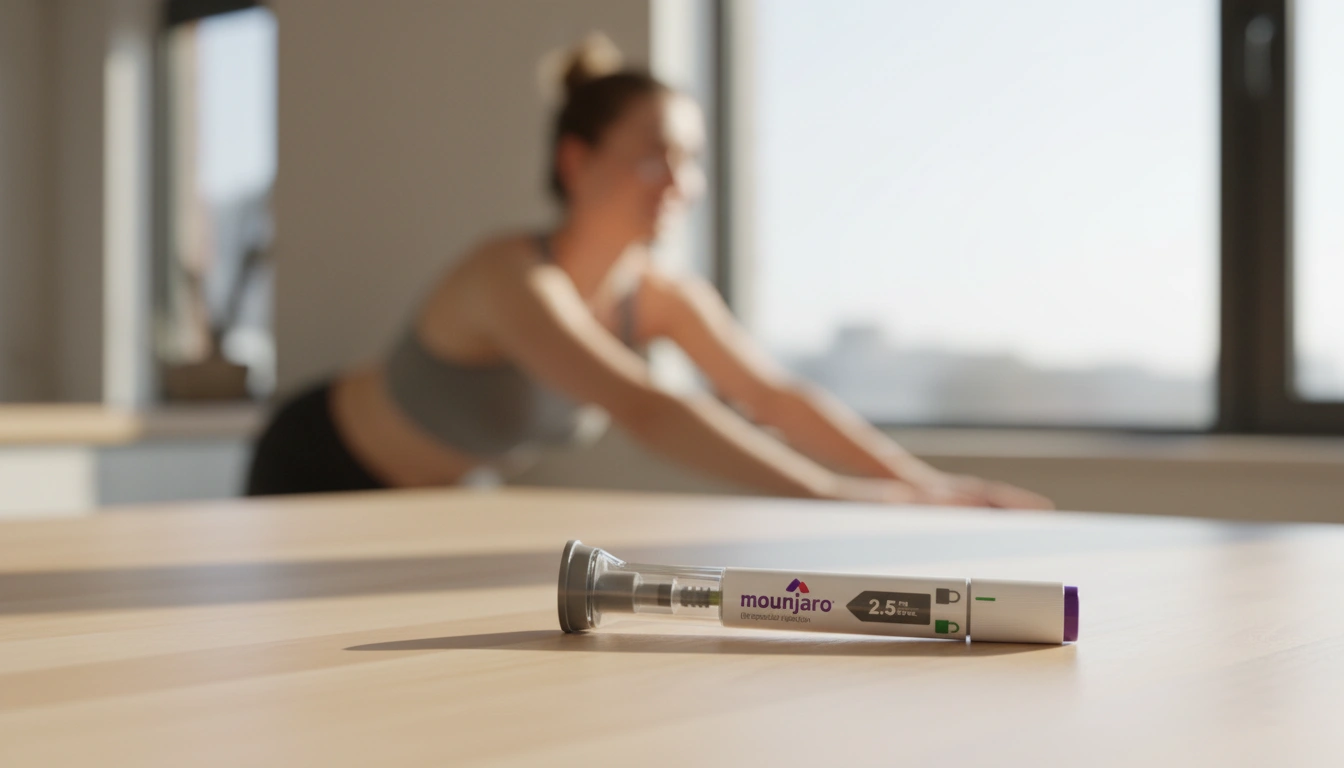
The pursuit of health and well-being often brings us to pivotal moments, particularly when addressing challenges like weight management or type 2 diabetes. Recent medical advancements have introduced powerful new tools, and among the most discussed are Zepbound and Mounjaro. Many individuals wonder which of these medications might be more effective for their unique circumstances, often asking: does Zepbound or Mounjaro work better? The answer, as we will explore, is nuanced and deeply personal, emphasizing that the “better” option is truly the one that aligns with your specific health needs and goals.
At TrimRx, our journey began with a shared vision: to help individuals embrace healthier lifestyles by merging cutting-edge telehealth innovations with effective, science-backed weight loss solutions. We understand that navigating the landscape of modern medicine can feel overwhelming. This article aims to cut through the confusion surrounding Zepbound and Mounjaro, two medications with the same active ingredient but distinct applications. We will delve into their core mechanisms, FDA-approved uses, clinical efficacy, and essential safety considerations. By the end, you will have a clearer understanding of how these powerful treatments work and how a personalized, medically supervised approach—like the one we champion at TrimRx—can help you make an informed decision for your unique journey toward sustainable health. We believe that sustainable weight loss should be achieved through science, empathy, and a transparent approach, and this guide is designed to empower you with knowledge.
The Foundation: Understanding Tirzepatide
At the heart of both Zepbound and Mounjaro lies a remarkable active ingredient: tirzepatide. This medication represents a significant leap forward in the treatment of metabolic conditions because it is a dual agonist, meaning it targets two naturally occurring gut hormones: Glucagon-like Peptide-1 (GLP-1) and Glucose-dependent Insulinotropic Polypeptide (GIP). Understanding how tirzepatide operates provides crucial insight into the profound impact these medications can have on the body.
How Tirzepatide Works
The intricate mechanism of tirzepatide offers a multi-pronged approach to metabolic regulation and weight management. It mimics the actions of both GLP-1 and GIP, leading to several beneficial physiological effects:
- Stimulates Insulin Release: When blood glucose levels are elevated, tirzepatide prompts the pancreas to release insulin. This glucose-dependent action helps to lower blood sugar effectively, which is particularly beneficial for individuals managing type 2 diabetes.
- Slows Gastric Emptying: By slowing the rate at which food leaves the stomach, tirzepatide promotes a sustained feeling of fullness, or satiety. This not only helps to reduce overall food intake but also contributes to better control of post-meal blood sugar spikes.
- Reduces Glucagon Production: Glucagon is a hormone that raises blood sugar. Tirzepatide reduces the production of glucagon from the liver, further contributing to improved glycemic control.
- Improves Insulin Sensitivity: Over time, many individuals, especially those with obesity or type 2 diabetes, develop insulin resistance. Tirzepatide has been shown to improve the body’s sensitivity to insulin, allowing cells to utilize glucose more efficiently.
- Reduces Appetite through Central Nervous System Effects: Beyond gastric emptying, tirzepatide also exerts direct effects on the brain, influencing appetite regulation and leading to a reduction in hunger and cravings. This central nervous system modulation is a key driver of the significant weight loss observed in clinical trials.
These combined actions underscore why tirzepatide-based medications have emerged as such powerful tools. Our commitment at TrimRx is to leverage such advanced medical science, combined with modern technology and compassionate care, to support individuals in their health journeys.
Zepbound vs. Mounjaro: Unpacking the Nuances
While Zepbound and Mounjaro share the identical active ingredient, tirzepatide, they are not interchangeable from a regulatory and prescribing standpoint. The fundamental difference lies in their distinct FDA approvals and the specific conditions they are indicated to treat. This dual branding strategy, employed by Eli Lilly and Company, allows for targeted treatment pathways and addresses different patient populations.
Distinct FDA Approvals and Indications
The core distinction between these two medications revolves around their primary indications:
- Mounjaro: Primarily for Type 2 Diabetes: Mounjaro received FDA approval in 2022 for the treatment of type 2 diabetes in adults. It is intended for use alongside diet and exercise to improve blood sugar control. Its profound effect on weight loss was observed during its diabetes trials, leading many healthcare providers to recognize its potential for individuals struggling with obesity alongside their diabetes.
- Zepbound: Primarily for Chronic Weight Management and Obstructive Sleep Apnea: Zepbound gained FDA approval in 2023 for chronic weight management. It is indicated for adults with obesity (Body Mass Index, BMI ≥30 kg/m²) or those who are overweight (BMI ≥27 kg/m²) and have at least one weight-related condition, such as high blood pressure, dyslipidemia, or obstructive sleep apnea (OSA). Zepbound is also explicitly approved for the treatment of moderate to severe obstructive sleep apnea in adults with obesity. Like Mounjaro, it is meant to be used in conjunction with a reduced-calorie diet and increased physical activity.
This distinction is crucial because it influences how the medications are prescribed, how insurance companies may cover them, and ultimately, which medication is most appropriate for an individual’s primary health concern. For instance, an individual primarily seeking support for weight management without a type 2 diabetes diagnosis would typically be prescribed Zepbound. Conversely, someone with type 2 diabetes looking to improve blood sugar control and also benefit from weight loss might find Mounjaro to be the more suitable choice.
Why the Dual Branding?
Eli Lilly’s decision to market tirzepatide under two different brand names serves several strategic purposes:
- Different Insurance Coverage Pathways: Insurance plans often have separate benefits and criteria for diabetes medications versus weight loss medications. By having two distinct brands, Eli Lilly facilitates different pathways for potential insurance coverage, potentially expanding access to treatment for different patient groups.
- Targeted Marketing and Healthcare Provider Prescription: The dual branding allows for clear, targeted marketing to specific patient populations and healthcare providers. It helps ensure that doctors prescribe the medication for its FDA-approved indication, simplifying the treatment decision-making process based on the patient’s primary diagnosis.
- Compliance with FDA Labeling Requirements: The FDA requires specific labeling for each medication based on its approved indication, outlining appropriate usage, dosage, and safety information relevant to that particular condition. Two brands ensure adherence to these regulatory requirements for distinct conditions.
Recognizing these distinctions is fundamental to understanding which option is suitable for you. This is precisely why our approach at TrimRx emphasizes personalized care. We guide individuals through a detailed assessment to understand their unique health profile and determine eligibility for appropriate prescription weight loss medications. To see if you qualify for a personalized treatment plan, we encourage you to take our free assessment quiz.
Clinical Efficacy: What the Trials Show
The introduction of tirzepatide-based medications has been met with considerable enthusiasm due to their impressive efficacy demonstrated in extensive clinical trials. These studies, known as the SURMOUNT and SURPASS programs, have provided robust data on both weight loss and blood sugar control.
Weight Loss Effectiveness with Tirzepatide (SURMOUNT Trials)
The SURMOUNT program specifically investigated tirzepatide’s effectiveness in adults with obesity, both with and without type 2 diabetes. The results have been groundbreaking:
- Significant Body Weight Reduction: In trials like SURMOUNT-1, participants receiving the highest dose (15 mg) of tirzepatide achieved an average weight loss of approximately 20.9% of their body weight over 72 weeks. For context, participants receiving a placebo in the same period typically saw only about 3.1% weight loss.
- High Rates of Clinically Meaningful Weight Loss: A remarkable 91% of patients on the 15 mg dose achieved at least 5% body weight loss, a threshold considered clinically significant for health improvements.
- Substantial Weight Loss Achieved by Many: More than half (55%) of patients on the 15 mg dose achieved a substantial weight loss of 20% or more of their initial body weight. These figures are higher than those typically observed with previous generations of weight loss medications.
It is important to note that while these results are impressive, individual responses can vary. Also, studies have shown that individuals with type 2 diabetes may experience slightly less overall weight loss compared to those without diabetes, though still significant.
Blood Sugar Control with Tirzepatide (SURPASS Trials)
The SURPASS program focused on tirzepatide’s role in managing type 2 diabetes, demonstrating superior efficacy in glycemic control:
- Impressive HbA1c Reductions: Patients experienced significant reductions in HbA1c (a measure of average blood sugar over 2-3 months), ranging from 1.5% to 2.4% depending on the dose.
- High Rates of Glycemic Target Achievement: Between 80-95% of patients across different doses achieved an HbA1c level below 7%, a common treatment target for type 2 diabetes.
- Fasting Glucose Improvement: Studies also showed substantial improvements in fasting glucose levels, with reductions of 54-80 mg/dL.
- Superiority to Other Treatments: In several head-to-head trials, tirzepatide demonstrated superior blood sugar control compared to other common diabetes medications, including insulin, metformin, and even other GLP-1 receptor agonists.
These extensive clinical trials reinforce our results-oriented approach at TrimRx, showing that medically supervised treatment options can lead to transformative health outcomes when combined with consistent effort and a personalized plan.
Administration, Dosing, and Safety Profile
Understanding how Zepbound and Mounjaro are administered, their typical dosing schedules, and their safety considerations is vital for anyone considering these treatments. Both medications, being the same active ingredient, share identical characteristics in these areas.
Dosing and Administration
Both Zepbound and Mounjaro are administered as a once-weekly subcutaneous (under the skin) injection. They come in pre-filled pens designed for ease of use, with the injection typically given in the stomach, thigh, or upper arm.
- Dose Strengths: The medications are available in the same incremental dose strengths: 2.5mg, 5mg, 7.5mg, 10mg, 12.5mg, and 15mg.
- Dose Escalation: Treatment typically begins with a low starting dose (e.g., 2.5mg once weekly) to help the body adjust and minimize potential side effects. The dose is then gradually increased every four weeks, under medical supervision, until a maintenance dose that achieves optimal efficacy with tolerable side effects is reached. This careful titration schedule is a cornerstone of responsible medical weight loss.
Common Side Effects
Like all medications, Zepbound and Mounjaro can cause side effects. Most commonly, these are gastrointestinal in nature and tend to be mild to moderate, often improving as the body adjusts to the medication. Common side effects include:
- Nausea (reported in 12-22% of patients)
- Diarrhea (12-16%)
- Vomiting (6-13%)
- Constipation (6-9%)
- Stomach pain (8-11%)
- Decreased appetite (5-11%)
Management Strategies for Side Effects: To manage these effects, healthcare providers often recommend strategies such as:
- Starting with small, frequent meals.
- Avoiding high-fat, greasy, or overly spicy foods.
- Staying well-hydrated.
- Eating slowly and stopping when full.
- Taking the injection with food if nausea is a concern.
- Considering over-the-counter anti-nausea medications if advised by a doctor.
Serious Side Effects and Contraindications
While rare, more serious side effects can occur. It is crucial to be aware of these and to seek immediate medical attention if they arise.
- Black Box Warning – Risk of Thyroid C-cell Tumors: Both Zepbound and Mounjaro carry a Boxed Warning regarding the risk of thyroid C-cell tumors. This warning is based on studies in rats, where tirzepatide caused such tumors (including medullary thyroid carcinoma, MTC) at clinically relevant exposures. It is not known whether Zepbound or Mounjaro causes thyroid C-cell tumors, including MTC, in humans.
- Contraindications: These medications should not be used in individuals with:
- A personal or family history of medullary thyroid carcinoma (MTC).
- Multiple Endocrine Neoplasia syndrome type 2 (MEN 2).
- Known hypersensitivity to tirzepatide or any of its components.
- Type 1 diabetes (Mounjaro is specifically indicated for type 2 diabetes, and neither is approved for type 1).
- Warnings and Precautions: Other serious conditions to be aware of include:
- Acute Pancreatitis: Symptoms like severe abdominal pain radiating to the back, with or without vomiting, require urgent medical evaluation.
- Acute Gallbladder Disease: Symptoms such as severe pain in the upper right abdomen, fever, or yellowing of the skin/eyes.
- Diabetic Retinopathy Complications: In patients with a history of diabetic retinopathy, there may be a risk of worsening vision.
- Acute Kidney Injury: Severe gastrointestinal side effects can lead to dehydration and, potentially, acute kidney injury. Maintaining adequate hydration is important.
- Hypoglycemia (Low Blood Sugar): The risk of hypoglycemia increases if tirzepatide is used in combination with insulin or insulin secretagogues (like sulfonylureas).
- Serious Allergic Reactions: Swelling of the face, lips, tongue, or throat, difficulty breathing, or severe rash warrant immediate medical attention.
When to Call Your Doctor
It is vital to maintain open communication with your healthcare provider throughout your treatment journey. You should seek immediate medical attention if you experience:
- Severe abdominal pain that does not go away.
- Persistent vomiting preventing fluid intake.
- Signs of pancreatitis (severe stomach pain radiating to the back).
- Symptoms of thyroid tumors (a lump in the neck, hoarseness, difficulty swallowing).
- Signs of a severe allergic reaction (swelling, breathing difficulties, severe rash).
At TrimRx, safety is our paramount concern. Our comprehensive service includes doctor consultations, and for prescription medications, our partners at FDA-registered and inspected pharmacies handle shipping. This ensures that you receive your medication safely and are supported throughout your journey. It is important to clarify that while our partner pharmacies are FDA-registered and inspected, compounded medications are not FDA-approved, whereas branded medications like Ozempic® and Zepbound® are. Our transparent service ensures you always know what to expect, and our commitment to patient well-being remains consistent.
The Role of Personalized Care in Your Journey
Given that Zepbound and Mounjaro contain the same active ingredient but differ in their FDA-approved indications, the question “does Zepbound or Mounjaro work better?” truly boils down to which medication is better suited for your specific health profile. The choice is rarely about one being inherently “superior” in overall effect, but rather about aligning the right tool with the right need within a personalized care framework.
Why Individualization Matters
Your personal health journey is unique, and so should be your approach to weight loss and metabolic health. Factors that influence whether Zepbound or Mounjaro, or another medication altogether, might be more appropriate include:
- Primary Medical Condition: Do you have type 2 diabetes that requires blood sugar management, even if weight loss is also a goal? Or is chronic weight management your primary focus, perhaps with obesity-related comorbidities like high blood pressure or obstructive sleep apnea?
- Comorbidities: The presence of other health conditions plays a significant role in determining the safest and most effective treatment path.
- Individual Response: Everyone’s body responds differently to medication. What works exceptionally well for one person may have different effects or side effects for another.
- Insurance Coverage: As discussed, insurance coverage can vary significantly between medications approved for diabetes versus those for weight loss. Navigating these complexities is an important part of a personalized plan.
- Healthcare Provider Recommendation: A qualified medical professional can assess your complete health history, current medications, and lifestyle to recommend the most suitable option and monitor your progress.
At TrimRx, our journey began with a shared vision to help individuals embrace healthier lifestyles by merging cutting-edge telehealth innovations with effective weight loss solutions. Our platform is a user-friendly and supportive space where individuals receive personalized, medically supervised care—all designed to make sustainable weight loss attainable and tailored to the individual. We offer compassionate care that respects every individual’s unique journey by combining advanced medical science with modern technology.
Beyond Medication: A Holistic Approach
It is crucial to emphasize that while Zepbound and Mounjaro are powerful tools, they are most effective when integrated into a comprehensive weight management strategy. Medications are not a replacement for fundamental lifestyle changes. Sustainable weight loss and improved health outcomes are achieved through a holistic approach that includes:
- Reduced-Calorie Diet: Adopting a balanced, nutritious eating plan is foundational.
- Increased Physical Activity: Regular exercise is essential for calorie expenditure, metabolism, muscle maintenance, and overall well-being.
- Behavioral Modifications: Addressing habits, stress, sleep patterns, and emotional eating are critical for long-term success.
This holistic philosophy is central to TrimRx. We believe that sustainable weight loss should be achieved through science, empathy, and a transparent approach. Our comprehensive service encompasses not just the potential for medication (if appropriate), but also doctor consultations, necessary lab work, and unlimited support to guide you every step of the way, with no hidden fees. Our commitment to transparent service—highlighting that our approach remains consistent regardless of dosage changes—and our focus on safety by working exclusively with FDA-registered and inspected pharmacies for medication shipping, exemplify our dedication to your well-being.
If you are considering prescription weight loss medications like Compounded Semaglutide, Oral Semaglutide, Ozempic®, Compounded Tirzepatide, Oral Tirzepatide, Mounjaro®, Zepbound®, or Wegovy®, the first step is to determine your eligibility and receive a personalized treatment plan. We invite you to take our free assessment quiz to explore how our program can be tailored to you.
Supporting Your Wellness Journey: Quick-Access Supplements
While prescription medications can be transformative tools in a weight loss journey, we understand that comprehensive support often extends beyond them. We recognize that individuals may seek additional ways to bolster their efforts and enhance overall wellness. For those looking for immediate support to complement their weight management strategies, we offer quick-access supplements that do not require a personalized assessment quiz.
These supplements are designed to integrate seamlessly into a healthy lifestyle, providing additional benefits as you work towards your health goals. They offer a convenient way to support your body’s needs without the prerequisite of a doctor consultation or prescription.
GLP-1 Daily Support
Our GLP-1 Daily Support supplement is formulated to contribute to overall wellness during your weight loss journey. It is available for immediate purchase, making it easy to incorporate into your daily routine. This supplement is designed for individuals seeking to enhance their metabolic health and support their body’s natural processes. It is a testament to our commitment to providing various avenues for achieving health goals, whether through prescription programs or supportive wellness products.
Weight Loss Boost
For those seeking an extra edge in their weight management efforts, our Weight Loss Boost supplement offers another immediate-access option. This supplement is designed to work in conjunction with diet and exercise, aiming to complement your weight loss efforts. It’s an excellent choice for individuals who want to explore additional supportive measures without the need for a prior assessment.
These quick-access supplements reflect our holistic approach to health, acknowledging that a successful weight loss journey often involves multiple layers of support. They are readily available to help you take proactive steps in enhancing your well-being and maintaining momentum on your path to a healthier lifestyle.
Conclusion
The journey toward sustainable weight management and improved metabolic health is profoundly personal, and advancements in medical science, such as Zepbound and Mounjaro, offer powerful new possibilities. We’ve explored that while both medications contain the identical active ingredient, tirzepatide, their distinction lies in their FDA-approved indications: Mounjaro for type 2 diabetes and Zepbound for chronic weight management and obstructive sleep apnea. Both have demonstrated remarkable efficacy in their respective clinical trials, offering significant weight loss and improved glycemic control.
However, the question of whether “does Zepbound or Mounjaro work better” ultimately finds its answer in your individual health profile, specific goals, and needs. The “better” choice is the one that is medically appropriate, aligns with your health objectives, and is integrated into a comprehensive, personalized plan that includes diet, exercise, and dedicated support.
At TrimRx, we are dedicated to providing clinically proven, personalized weight loss solutions. Our approach merges cutting-edge telehealth innovations with empathetic, medically supervised care, ensuring your journey is safe, effective, and tailored to you. We believe in empowering you with knowledge and support, whether through prescription medications facilitated by our partners at FDA-registered and inspected pharmacies or our convenient quick-access supplements like GLP-1 Daily Support and Weight Loss Boost.
Ready to take the next step in your personalized weight loss journey? We invite you to discover how our expert team can guide you toward sustainable results. Take our free assessment quiz today to see if you qualify for our prescription weight loss medications and receive a personalized treatment plan designed just for you.
What does sustainable weight loss look like for you?
Frequently Asked Questions
Is Mounjaro the same as Zepbound?
While Mounjaro and Zepbound contain the exact same active ingredient, tirzepatide, they are not considered the “same” drug in practice due to their different FDA approvals. Mounjaro is FDA-approved for the treatment of type 2 diabetes, while Zepbound is FDA-approved for chronic weight management in adults with obesity or those who are overweight with comorbidities, and for obstructive sleep apnea. This distinction impacts their prescribed use and potential insurance coverage.
Which is better for weight loss: Mounjaro or Zepbound?
Neither medication is inherently “better” for weight loss, as they both utilize the same active ingredient, tirzepatide, and have demonstrated similar impressive weight loss efficacy in clinical trials. The choice between them depends entirely on an individual’s primary medical condition. If you have type 2 diabetes, Mounjaro would typically be the prescribed option. If your primary health concern is chronic weight management or obstructive sleep apnea, Zepbound would be the appropriate choice. The “better” option is the one that aligns with your specific health needs and FDA-approved indication, as determined by a healthcare provider.
Can Zepbound or Mounjaro be used without lifestyle changes?
No, Zepbound and Mounjaro are both intended to be used in conjunction with a reduced-calorie diet and increased physical activity. While these medications are powerful tools that can significantly aid in weight loss and blood sugar control, they are most effective and lead to the most sustainable results when combined with healthy lifestyle changes. They are designed to support and enhance the effects of diet and exercise, not to replace them.
Why are there two brands for the same medication?
Eli Lilly, the manufacturer, created two separate brands for tirzepatide (Mounjaro and Zepbound) primarily for regulatory and commercial reasons. This strategy allows for different insurance coverage pathways, as policies often distinguish between diabetes medications and weight loss medications. It also enables targeted marketing to distinct patient populations and ensures compliance with specific FDA labeling requirements for different indications, streamlining how healthcare providers prescribe the medication for a patient’s primary condition.

Transforming Lives, One Step at a Time
Keep reading

How to Choose Between Ozempic and Mounjaro
If you’ve spent any time researching GLP-1 medications for weight loss, you’ve probably landed on this question eventually. Ozempic and Mounjaro are the two…

Mounjaro Savings Card: Eli Lilly Programs Explained
Mounjaro carries a list price of over $1,000 per month without insurance. For people managing type 2 diabetes or pursuing weight loss with tirzepatide,…
Effective Strategies for Managing Your Journey: What Helps Nausea From Mounjaro and How to Stay on Track
Discover what helps nausea from Mounjaro with our expert guide. Explore dietary tips, hydration strategies, and natural remedies to manage side effects effectively.


