Zepbound Prescription Online Massachusetts — Licensed MA
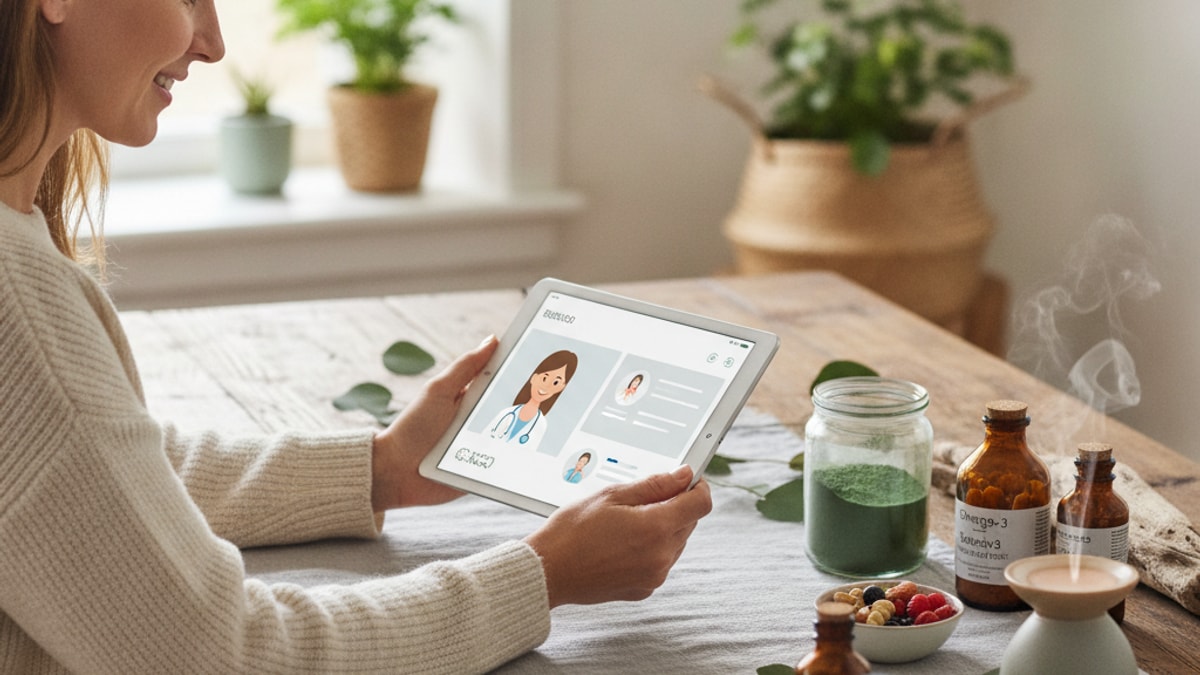
Zepbound Prescription Online Massachusetts — Licensed MA Telehealth
Getting a Zepbound prescription online Massachusetts might feel complicated, but it's not. Massachusetts telehealth regulations permit licensed providers to prescribe GLP-1 medications remotely after conducting a qualifying medical assessment. For residents across Boston, Worcester, Springfield, and every other city in the state, that means no waiting rooms, no multi-week appointment delays, and no referrals required. The process takes less time than scheduling a traditional primary care visit. And the medication ships directly to your door.
Our team has guided hundreds of Massachusetts patients through this exact process. The difference between providers who deliver results and those who don't comes down to three things: prescriber credentials verified in Massachusetts, medication sourced from FDA-registered 503B facilities, and transparent communication about what tirzepatide does and what it doesn't do.
How do you get a Zepbound prescription online Massachusetts without visiting a clinic?
Massachusetts residents can obtain a Zepbound prescription online through licensed telehealth platforms by completing a medical intake form, consulting with a state-licensed provider via video or phone, and receiving approval for tirzepatide (the active compound in Zepbound). Once prescribed, the medication ships from FDA-registered compounding pharmacies to any MA address within 48 hours. This process complies with Massachusetts General Law Chapter 112, Section 12DD, which authorizes telemedicine prescribing for non-controlled medications after establishing a valid provider-patient relationship.
The most common misconception is that online prescriptions mean lower quality or less oversight. They don't. Every provider conducting telehealth consultations in Massachusetts must hold an active MA medical license and adhere to the same prescribing standards as in-person physicians. The mechanism is identical. Only the location changes. This article covers exactly how Zepbound prescription online Massachusetts works, what the FDA shortage declaration means for access, how compounded tirzepatide compares to brand-name Zepbound, and what red flags to watch for when choosing a telehealth provider.
How Zepbound Prescription Online Massachusetts Works Step-by-Step
The process starts with a medical intake form covering weight history, current medications, cardiovascular health, and any contraindications for GLP-1 receptor agonists. Massachusetts telehealth regulations require providers to collect comprehensive health data before prescribing. This isn't optional. You'll answer questions about personal or family history of medullary thyroid carcinoma (MTC), Multiple Endocrine Neoplasia syndrome type 2 (MEN2), pancreatitis, diabetic retinopathy, and gallbladder disease. These conditions represent contraindications or heightened risk factors for tirzepatide use.
Once submitted, a Massachusetts-licensed physician or nurse practitioner reviews your intake. Most platforms schedule a synchronous consultation. Video or phone call. Within 24–48 hours. During this call, the provider confirms your eligibility, discusses dosing protocols, explains side effect management, and answers procedural questions. If approved, the prescription is sent electronically to a partnered 503B outsourcing facility or state-licensed compounding pharmacy. Tirzepatide is prepared as a sterile injectable solution and shipped with alcohol swabs, needles, and detailed self-injection instructions. Massachusetts residents typically receive their first shipment within 48 hours of approval.
The legal framework enabling this process is Massachusetts General Law Chapter 112, Section 12DD, which permits physicians to prescribe non-controlled medications via telemedicine after establishing a valid provider-patient relationship through real-time audio-video or audio-only consultation. Tirzepatide is not a controlled substance under the Controlled Substances Act, which means it qualifies for remote prescribing under MA law. Providers must document the consultation, maintain records accessible for state board review, and ensure all prescriptions meet the same standards as in-person care.
FDA Shortage Declaration and What It Means for Massachusetts Access
The FDA placed Zepbound (tirzepatide) on the official drug shortage list in December 2022. A designation that remains active as of 2026. Under federal law, when the FDA declares a drug shortage, state-licensed compounding pharmacies and 503B outsourcing facilities are permitted to compound versions of that drug using bulk active pharmaceutical ingredients (API). This is not a loophole. It's an explicit regulatory provision designed to maintain patient access during manufacturing shortages.
Compounded tirzepatide contains the same active molecule as brand-name Zepbound. The difference is manufacturing pathway: Eli Lilly produces Zepbound under full FDA approval as a finished drug product, while compounding facilities prepare tirzepatide under FDA oversight as a compounded medication. Both must meet USP (United States Pharmacopeia) purity standards for sterile injectables. The shortage declaration means Massachusetts residents can legally access compounded tirzepatide through telehealth providers even when brand-name Zepbound is unavailable at retail pharmacies.
Cost represents the other significant difference. Brand-name Zepbound retails for $1,060–$1,350 per month without insurance. Compounded tirzepatide through telehealth platforms typically costs $350–$600 per month, depending on dose and shipment frequency. For patients without insurance coverage for GLP-1 medications. Which includes most commercial plans as of 2026. Compounded tirzepatide is often the only financially viable option. The shortage declaration makes this access pathway legally protected.
Zepbound Prescription Online Massachusetts: Comparison of Access Pathways
| Access Method | Prescriber Type | Typical Wait Time | Medication Source | Estimated Monthly Cost | Massachusetts Legal Status |
|---|---|---|---|---|---|
| Traditional in-person clinic | Primary care physician or endocrinologist | 2–6 weeks for new patient appointment | Retail pharmacy (brand Zepbound if available) | $1,060–$1,350 without insurance; $25–$100 copay with coverage | Fully compliant |
| Telehealth platform (licensed MA providers) | MA-licensed physician or NP | 24–48 hours | FDA-registered 503B compounding facility | $350–$600 per month | Compliant under MGL Ch. 112, §12DD |
| Out-of-state telehealth (provider not MA-licensed) | Physician licensed in another state | Varies | Compounding pharmacy or retail | Varies | Non-compliant. Prescriber must hold active MA license |
| Medical spa or wellness clinic | Varies. Some employ licensed providers, others do not | Same-day to 1 week | Often unverified compounding sources | $400–$800 per month | Legally ambiguous. Verify prescriber credentials |
| International online pharmacy | No US prescriber involved | 1–3 weeks shipping | Non-FDA-regulated facilities | $200–$400 per month | Illegal. No valid US prescription |
| Bottom Line | Only the first two pathways are legally compliant in Massachusetts. Telehealth platforms with MA-licensed providers offer the fastest access and lowest cost without sacrificing regulatory compliance. |
Key Takeaways
- Massachusetts residents can legally obtain a Zepbound prescription online through telehealth platforms that employ MA-licensed prescribers, with medication typically shipped within 48 hours of approval.
- The FDA shortage declaration for tirzepatide permits state-licensed compounding pharmacies to prepare the medication, making it accessible when brand-name Zepbound is unavailable at retail pharmacies.
- Compounded tirzepatide contains the same active molecule as Zepbound but costs 60–70% less. Monthly expenses range from $350–$600 versus $1,060+ for brand-name.
- Massachusetts General Law Chapter 112, Section 12DD requires telehealth prescribers to hold an active MA medical license and conduct a real-time consultation before prescribing non-controlled medications like tirzepatide.
- Providers must verify contraindications including personal or family history of medullary thyroid carcinoma, MEN2 syndrome, pancreatitis, and severe diabetic retinopathy before approving a prescription.
What If: Zepbound Prescription Online Massachusetts Scenarios
What If My Primary Care Doctor Won't Prescribe Zepbound for Weight Loss?
Seek a second opinion through a telehealth platform specializing in metabolic health. Many primary care physicians remain hesitant to prescribe GLP-1 medications for weight management due to insurance coverage concerns, unfamiliarity with dosing protocols, or preference to refer to endocrinology. Massachusetts telehealth providers who focus on obesity medicine and metabolic conditions are more likely to prescribe tirzepatide when clinically appropriate. They review the same eligibility criteria but without the institutional hesitation common in general practice settings.
What If I Live in a Rural Part of Massachusetts Without Nearby Specialists?
Telehealth eliminates geographic barriers entirely. Whether you live in Berkshire County, Cape Cod, or the Pioneer Valley, Massachusetts telehealth regulations permit any MA-licensed provider to prescribe tirzepatide remotely. Medication ships to your home address regardless of location. Rural zip codes receive the same 48-hour delivery timelines as Boston-area addresses. The consultation, prescription, and shipment process functions identically statewide.
What If I Travel Out of State Frequently — Can I Still Use a Massachusetts Prescription?
Yes, but temperature management during travel is critical. Tirzepatide must be stored at 2–8°C (36–46°F) before and after reconstitution. Pre-filled pens and reconstituted vials tolerate short-term ambient temperature (up to 25°C for 24 hours), but extended exposure above 8°C causes irreversible protein denaturation. Pack medication in an insulated medical cooler with ice packs. TSA permits medically necessary injectables in carry-on luggage with proper documentation. Your Massachusetts prescription remains valid in other states for personal use.
The Clinical Truth About Zepbound Prescription Online Massachusetts
Here's the honest answer: getting a Zepbound prescription online Massachusetts is faster and often more straightforward than navigating traditional healthcare channels. But only when you use a platform with verified MA-licensed prescribers and FDA-registered medication sources. The online accessibility doesn't mean lower standards. It means removing appointment delays, insurance authorization battles, and geographic limitations that prevent patients from accessing a medication their clinical profile clearly supports.
The uncomfortable reality is that many patients who qualify medically for tirzepatide never receive a prescription through traditional pathways. Insurance denials are common even when BMI exceeds 30 with comorbidities. Endocrinology waitlists stretch months in most Massachusetts cities. Primary care physicians often defer prescribing due to unfamiliarity with GLP-1 dosing or concern about managing side effects remotely. Telehealth platforms bypass these systemic bottlenecks. Not by cutting corners, but by specializing in metabolic health and maintaining prescriber expertise specifically in GLP-1 protocols.
The trade-off is self-advocacy. Traditional in-person care provides built-in follow-up and continuity. Telehealth requires you to track your own side effects, schedule your own follow-up consultations, and communicate proactively when dose adjustments are needed. If you're comfortable with that level of engagement, telehealth access to Zepbound prescription online Massachusetts delivers faster, more affordable care without regulatory compromise.
The process outlined above represents how licensed, compliant telehealth platforms operate in Massachusetts. If a provider offers same-day prescriptions without a consultation, ships medication from unverified sources, or employs prescribers without active MA licenses, that's non-compliant. And those shortcuts create real risk. Verify credentials before starting treatment. Every legitimate platform displays prescriber license numbers and 503B facility registrations publicly.
Frequently Asked Questions
Can I get a Zepbound prescription online Massachusetts if I don’t have a primary care doctor?▼
Yes — telehealth platforms do not require an existing PCP relationship to prescribe tirzepatide. The telehealth provider conducting your consultation becomes your prescribing physician for the medication, and Massachusetts law does not mandate referrals for GLP-1 prescriptions. You’ll complete a comprehensive medical intake covering weight history, current medications, and contraindications, then consult with a MA-licensed physician or nurse practitioner who evaluates your eligibility independently.
Is compounded tirzepatide the same as brand-name Zepbound?▼
Compounded tirzepatide contains the same active molecule (tirzepatide) as brand-name Zepbound, prepared by FDA-registered 503B outsourcing facilities or state-licensed compounding pharmacies under USP sterile compounding standards. It is not FDA-approved as a finished drug product — that approval belongs exclusively to Eli Lilly’s branded formulation. The pharmacological mechanism and active ingredient are identical, but compounded versions lack the batch-level FDA oversight and clinical trial data that support brand-name approval. For most patients, the clinical effect is equivalent at significantly lower cost.
How long does it take to receive my first Zepbound prescription online Massachusetts shipment?▼
Most Massachusetts residents receive their first tirzepatide shipment within 48–72 hours of prescription approval. The timeline depends on consultation scheduling (typically 24–48 hours after intake submission) and the compounding pharmacy’s fulfillment capacity. Medications ship via overnight or two-day courier with temperature-controlled packaging to maintain the required 2–8°C storage range during transit. Subsequent refills often ship on a scheduled monthly basis without requiring repeat consultations.
What happens if I experience severe nausea or vomiting after starting tirzepatide?▼
Contact your prescribing provider immediately if gastrointestinal side effects prevent you from maintaining adequate hydration or nutrition. Nausea and vomiting are the most common adverse events during dose escalation, occurring in 30–45% of patients, but severe cases warrant dose reduction or temporary discontinuation. Most telehealth platforms offer asynchronous messaging with prescribers between scheduled consultations specifically for side effect management. Standard mitigation strategies include eating smaller, lower-fat meals, slowing the titration schedule, and in some cases prescribing antiemetic medications like ondansetron.
Does insurance cover Zepbound prescriptions obtained through telehealth in Massachusetts?▼
Insurance coverage for GLP-1 medications varies by plan, but most commercial insurers as of 2026 do not cover tirzepatide for weight management without a diagnosis of type 2 diabetes. MassHealth (Massachusetts Medicaid) covers GLP-1 agonists for diabetes but requires prior authorization for obesity treatment. Even when coverage exists, many plans require the prescription to originate from an in-network provider and be filled at a retail pharmacy — compounded tirzepatide through telehealth platforms typically falls outside insurance networks, meaning patients pay out-of-pocket. Some platforms offer HSA/FSA payment options.
Can I use a Zepbound prescription online Massachusetts if I have a history of pancreatitis?▼
Tirzepatide carries a risk of acute pancreatitis, and patients with a prior history face elevated risk of recurrence. Most prescribers will not approve tirzepatide for patients with documented pancreatitis within the past 12 months, and some decline to prescribe regardless of timeframe. During your telehealth consultation, disclose any history of pancreatitis, gallbladder disease, or severe hypertriglyceridemia — the provider will assess whether the metabolic benefits outweigh the gastrointestinal risks in your specific case. This is not a universal contraindication, but it requires individualized clinical judgment.
What is the difference between a 503B facility and a regular compounding pharmacy?▼
503B outsourcing facilities operate under federal FDA oversight with registration, routine inspections, and adverse event reporting requirements that exceed those for traditional state-licensed compounding pharmacies. They can ship across state lines without patient-specific prescriptions and must meet Current Good Manufacturing Practice (CGMP) standards. State-licensed compounding pharmacies operate under state pharmacy board regulations and typically require patient-specific prescriptions before compounding. Both can legally prepare tirzepatide during the FDA shortage, but 503B facilities provide an additional layer of regulatory oversight. Verify that your telehealth platform sources medication from a registered 503B facility when possible.
Will I regain weight if I stop taking Zepbound after reaching my goal weight?▼
Clinical evidence shows most patients regain a significant portion of lost weight after discontinuing tirzepatide — the SURMOUNT-1 extension study found participants regained approximately two-thirds of their lost weight within one year of stopping. This reflects the fact that GLP-1 agonists correct impaired satiety signaling and elevated ghrelin that return when the medication is removed. Tirzepatide is increasingly considered a long-term metabolic management tool rather than a short-term weight loss course. Patients who wish to stop after achieving goal weight should transition under prescriber guidance, often moving to a lower maintenance dose rather than full discontinuation.
Are there any Massachusetts-specific regulations I should know about for telehealth prescriptions?▼
Massachusetts General Law Chapter 112, Section 12DD requires that telehealth prescribers hold an active Massachusetts medical license and conduct a real-time consultation (video or phone) before prescribing. Asynchronous-only platforms (questionnaire without live consultation) do not meet the legal standard. The law also mandates that prescribers document the telehealth encounter in the same manner as in-person visits and maintain records accessible for state board review. Patients have the right to request prescriber credentials — every legitimate telehealth platform displays NPI numbers and MA license verification publicly.
Can I get a higher dose of tirzepatide than the standard starting dose through telehealth?▼
Tirzepatide follows a fixed dose escalation schedule to minimize gastrointestinal side effects: starting at 2.5mg weekly, increasing to 5mg after four weeks, then 7.5mg, 10mg, 12.5mg, and 15mg at four-week intervals. Prescribers will not approve higher starting doses regardless of prior GLP-1 experience because the side effect profile scales with dose, and skipping titration significantly increases the risk of severe nausea and vomiting. If you’ve used semaglutide previously, mention that during your consultation — it demonstrates tolerance for GLP-1 mechanisms but does not change the tirzepatide titration protocol.
What should I do if my Zepbound shipment arrives warm or the ice packs are melted?▼
Contact the pharmacy immediately and do not use the medication. Tirzepatide is a temperature-sensitive peptide that denatures irreversibly above 8°C — once denatured, the medication becomes ineffective even if later refrigerated. Legitimate 503B facilities ship with temperature data loggers and guarantee cold chain integrity. If the shipment arrived above temperature, the pharmacy should replace it at no charge. Do not assume the medication is safe to use based on appearance — protein denaturation is not visually detectable.
How does TrimRx handle Zepbound prescription online Massachusetts consultations?▼
TrimRx provides medically-supervised GLP-1 treatment through licensed Massachusetts prescribers who conduct comprehensive telehealth consultations before approving tirzepatide prescriptions. Every patient completes a detailed intake covering weight history, metabolic health, and contraindications, then speaks directly with a MA-licensed physician or nurse practitioner via video or phone. Once approved, compounded tirzepatide ships from FDA-registered 503B facilities to any Massachusetts address within 48 hours. TrimRx maintains ongoing prescriber access for side effect management and dose adjustments throughout treatment.

Transforming Lives, One Step at a Time
Keep reading

Fitness Test Coming Up on Zepbound? Protecting Strength and Endurance
The date changes what you should do, and the most useful adjustments are about fuel and timing rather than about the medication itself. Performance…

Best Diet for Zepbound to Maximize Weight Loss
If you recently started using Zepbound or you are thinking about it, you probably have one big question: what should you eat? The truth…
Lost Weight on Zepbound With a CPAP? When to Recheck Your Settings
Probably yes, and this is a conversation to have with your sleep clinician rather than a change to make yourself. Weight loss can reduce…


