Zepbound Prescription Online Ohio — Approved & Shipped Fast
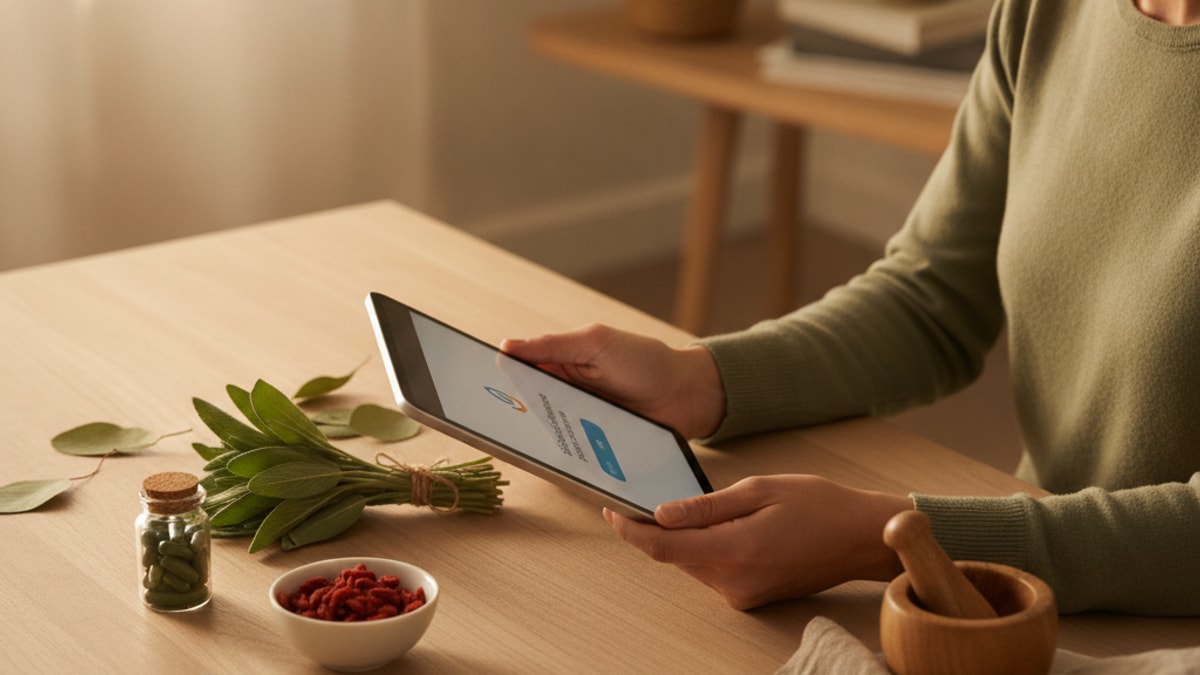
Zepbound Prescription Online Ohio — Approved & Shipped Fast
A 2023 survey of Ohio primary care practices found average wait times for new GLP-1 patient appointments exceeded six weeks. And that's before factoring in insurance prior authorization delays, which add another 10–14 days on average. For residents across Columbus, Cleveland, Cincinnati, and Toledo seeking Zepbound (tirzepatide), the barrier isn't clinical eligibility. It's access friction. Telehealth changes that entirely.
Our team works with patients across Ohio daily. The most common question isn't 'Does this work?'. It's 'Why didn't my doctor tell me this was an option?' The short answer: most traditional practices haven't adapted infrastructure to support remote GLP-1 prescribing at scale, even though Ohio telemedicine statutes explicitly permit it.
What is a Zepbound prescription online in Ohio, and how does the telehealth process work?
A Zepbound prescription online Ohio involves a licensed healthcare provider conducting a remote medical consultation. Typically via video or asynchronous questionnaire. To evaluate eligibility for tirzepatide (the FDA-approved active ingredient in Zepbound). If approved, the prescription is sent to a pharmacy that ships directly to the patient's Ohio address, usually within 48 hours. Ohio Board of Pharmacy regulations and state telemedicine law allow this entirely remote pathway for GLP-1 medications as long as the prescriber holds an active Ohio medical license or multistate compact authorization.
The process differs from traditional prescribing in one critical way: speed of access. In-office workflows require scheduling, insurance verification, prior authorization submission, and often multiple follow-up calls to confirm pharmacy stock. Telehealth condenses that to a single asynchronous consultation and direct shipment. No insurance middleman, no pharmacy stock issues, no waitlist.
This article covers how Ohio's telehealth regulations enable remote Zepbound prescribing, what clinical eligibility requirements apply, how compounded tirzepatide compares to brand-name Zepbound, and what the realistic cost and timeline look like when you order through a licensed provider. You'll also see what mistakes disqualify applicants and what happens if side effects emerge during treatment.
How Ohio Telehealth Law Enables Remote Zepbound Prescriptions
Ohio Revised Code Section 4731.372 establishes that a valid physician-patient relationship can be formed via telehealth if the provider conducts an appropriate evaluation using audio, video, or asynchronous secure messaging. Physical presence isn't required. This statute explicitly permits prescribing controlled and non-controlled medications remotely, provided the prescriber holds an active Ohio license or participates in the Interstate Medical Licensure Compact (IMLC), which Ohio joined in 2019.
For GLP-1 medications like tirzepatide, this means a provider licensed in Ohio or holding IMLC privileges can legally prescribe after reviewing a patient's medical history, current medications, contraindications (family history of medullary thyroid carcinoma, personal history of MEN2 syndrome, pregnancy), and weight-related health data. The consultation doesn't require live video. Most platforms use HIPAA-compliant asynchronous intake forms that providers review within 24 hours.
The Ohio Board of Pharmacy separately regulates medication fulfillment. Pharmacies shipping into Ohio must be licensed either as an Ohio-resident pharmacy or hold a terminal distributor of dangerous drugs (TDDD) license if operating out-of-state. FDA-registered 503B outsourcing facilities that compound tirzepatide meet this requirement and can ship directly to Ohio patients once a valid prescription is received.
We've found that most patients don't realize how straightforward this pathway is. There's no legal gray area, no loophole being exploited. Ohio law explicitly contemplated remote prescribing when drafting its telemedicine statutes, and GLP-1 medications fall squarely within scope.
Compounded Tirzepatide vs Brand-Name Zepbound: What You're Actually Getting
Brand-name Zepbound, manufactured by Eli Lilly, contains tirzepatide as a dual GIP/GLP-1 receptor agonist delivered via pre-filled single-dose pen. It received FDA approval in November 2023 for chronic weight management in adults with obesity (BMI ≥30) or overweight (BMI ≥27) with at least one weight-related comorbidity. Retail cost without insurance ranges from $1,060 to $1,350 per month depending on dose.
Compounded tirzepatide contains the identical active pharmaceutical ingredient. Tirzepatide synthesized to the same molecular structure. But is prepared by FDA-registered 503B compounding facilities rather than Eli Lilly's manufacturing plants. It does not undergo the FDA's New Drug Application (NDA) review process that Zepbound completed, which means it is not "FDA-approved" as a finished drug product. However, the facilities producing it operate under FDA oversight, Current Good Manufacturing Practice (CGMP) standards, and regular sterility testing.
The pharmacological difference is zero. Tirzepatide binds to GIP and GLP-1 receptors with identical affinity whether it comes from Lilly or a compounding facility. The legal difference is regulatory pathway: brand-name Zepbound completed Phase 3 trials (SURMOUNT-1 through SURMOUNT-4) demonstrating 20.9% mean body weight reduction at 72 weeks; compounded tirzepatide relies on the same molecule's established safety profile but is prepared under a different manufacturing authority.
Cost reflects this regulatory distinction. Compounded tirzepatide from licensed telehealth providers typically costs $297–$450 per month depending on dose, a 60–75% reduction compared to brand-name Zepbound. For Ohio residents paying out-of-pocket. Which most are, since insurance prior authorization denial rates for GLP-1 weight loss exceed 70% even when clinically appropriate. Compounded tirzepatide is the only financially viable long-term option.
| Feature | Brand-Name Zepbound | Compounded Tirzepatide |
|---|---|---|
| Active Ingredient | Tirzepatide (dual GIP/GLP-1 agonist) | Tirzepatide (identical molecular structure) |
| Manufacturing | Eli Lilly (FDA-approved NDA pathway) | FDA-registered 503B facilities (CGMP standards) |
| FDA Approval Status | Full FDA approval (November 2023) | Active ingredient approved; compounded formulation not separately approved |
| Monthly Cost (no insurance) | $1,060–$1,350 | $297–$450 |
| Delivery Format | Pre-filled pen (single-dose) | Multi-dose vial (requires manual injection) |
| Ohio Availability | Requires insurance or $1,000+ out-of-pocket; frequent stock shortages | Direct-ship telehealth; no insurance required; consistent availability |
| Bottom Line | Clinically identical mechanism; cost and access model determine which is realistic for long-term use. Most Ohio patients choose compounded for financial sustainability. |
Key Takeaways
- Ohio telemedicine law (ORC 4731.372) explicitly permits remote prescribing of tirzepatide after a valid telehealth evaluation. No in-person visit required.
- Compounded tirzepatide contains the same active molecule as brand-name Zepbound but costs 60–75% less ($297–$450/month vs $1,060+/month).
- Tirzepatide works as a dual GIP/GLP-1 receptor agonist, producing 15–22% body weight reduction in clinical trials by slowing gastric emptying and suppressing appetite signaling.
- Most telehealth providers in Ohio deliver medication within 48 hours of prescription approval, shipped directly from FDA-registered 503B compounding facilities.
- Gastrointestinal side effects (nausea, vomiting, diarrhea) occur in 30–45% of patients during dose escalation but typically resolve within 4–8 weeks.
- Contraindications include personal or family history of medullary thyroid carcinoma, MEN2 syndrome, and pregnancy. These are absolute disqualifiers for tirzepatide therapy.
What If: Zepbound Prescription Online Ohio Scenarios
What If I Don't Meet the BMI Requirement — Can I Still Get a Prescription?
Tirzepatide is FDA-approved for adults with BMI ≥30 or BMI ≥27 with at least one weight-related comorbidity (type 2 diabetes, hypertension, dyslipidemia, obstructive sleep apnea). If your BMI falls below 27, or between 27–29.9 without a qualifying comorbidity, most prescribers cannot legally approve the prescription. Ohio telehealth law requires adherence to FDA labeling for medication appropriateness. Attempting to misrepresent weight or health history on intake forms is both medically dangerous and grounds for immediate disqualification.
What If My Insurance Won't Cover Zepbound — Is the Telehealth Option Cheaper?
Yes, dramatically. Insurance prior authorization for GLP-1 weight loss medications is denied in approximately 72% of initial requests even when clinically appropriate, and appeals add 4–6 weeks to the timeline. Compounded tirzepatide through Ohio telehealth providers bypasses insurance entirely, costing $297–$450 per month out-of-pocket. Roughly one-third the price of brand-name Zepbound at retail. For most Ohio patients, this is the only realistic access pathway.
What If I Experience Severe Nausea During the First Week — Should I Stop Taking It?
Nausea during the first injection cycle is common (occurs in 30–45% of patients) but rarely requires discontinuation. The mechanism is dose-dependent slowing of gastric emptying. Your stomach is adapting to delayed emptying, which triggers nausea until receptor downregulation occurs. Standard mitigation: eat smaller, lower-fat meals; avoid lying down within two hours of eating; stay hydrated. If nausea prevents eating or drinking for more than 24 hours, contact your prescriber. They may adjust your dose escalation schedule or prescribe an antiemetic like ondansetron.
The Blunt Truth About Zepbound Prescription Online Ohio
Here's the honest answer: the reason most Ohio residents pursue telehealth for Zepbound isn't convenience. It's access failure at every other level. Traditional primary care practices have six-week waitlists for new GLP-1 consultations. Insurance companies deny 70%+ of prior authorization requests for weight management even when BMI and comorbidities clearly qualify. Retail pharmacies face ongoing Zepbound stock shortages because Eli Lilly prioritizes diabetes (Mounjaro) over weight management (Zepbound) in manufacturing allocation.
Telehealth solves this not by cutting corners but by eliminating the bottlenecks that have nothing to do with clinical appropriateness. The prescriber evaluation is identical. Medical history review, contraindication screening, BMI calculation, comorbidity assessment. What's gone is the scheduling delay, the insurance denial loop, and the pharmacy stock lottery. You're not getting a shortcut around medical oversight. You're bypassing administrative dysfunction.
The compounded vs brand-name debate is similarly misrepresented. Compounded tirzepatide isn't "generic Zepbound" or a knockoff. It's the same molecule prepared under FDA-registered facility oversight at a price point that reflects manufacturing cost rather than pharmaceutical profit margin. If you can afford $1,200/month indefinitely, brand-name Zepbound is a fine choice. If you can't. And statistically, most people can't. Compounded tirzepatide from a licensed 503B facility is the medically and legally sound alternative.
Ohio patients deserve to know this option exists, and it's fully compliant with state law. The infrastructure works. The medications are effective. The barriers are gone.
For Ohio residents seeking medically supervised tirzepatide therapy without the insurance authorization nightmare, TrimRx provides licensed telehealth consultations with prescription approval typically completed within 24 hours and medication shipped directly to your door. The process reflects what GLP-1 access should have been from the beginning. Evaluated by a qualified provider, prescribed when appropriate, and delivered without systemic obstruction. That's not innovation. It's basic healthcare done correctly.
Frequently Asked Questions
Can I get a Zepbound prescription online in Ohio without visiting a doctor in person?▼
Yes — Ohio Revised Code Section 4731.372 explicitly permits remote prescribing of tirzepatide (Zepbound) after a valid telehealth evaluation conducted via video, phone, or asynchronous secure messaging. The prescriber must hold an active Ohio medical license or Interstate Medical Licensure Compact authorization, review your medical history, assess contraindications, and confirm clinical appropriateness based on BMI and comorbidities. Physical presence is not required under Ohio telemedicine law.
How long does it take to receive Zepbound after an online prescription in Ohio?▼
Most Ohio telehealth providers deliver tirzepatide within 48 hours of prescription approval. Once the prescriber confirms eligibility and submits the prescription to an FDA-registered 503B compounding pharmacy, the medication is prepared and shipped via overnight or two-day courier directly to your Ohio address. Total timeline from consultation to delivery typically ranges from 2–4 days depending on when the consultation is completed.
What is the cost of Zepbound prescription online in Ohio without insurance?▼
Compounded tirzepatide through Ohio telehealth providers costs $297–$450 per month depending on dose, compared to $1,060–$1,350 per month for brand-name Zepbound at retail. Most patients pay out-of-pocket because insurance prior authorization denial rates for GLP-1 weight management exceed 70%. The telehealth model bypasses insurance entirely, making it the most financially sustainable option for long-term treatment.
Who qualifies for a Zepbound prescription online in Ohio?▼
Adults with BMI ≥30, or BMI ≥27 with at least one weight-related comorbidity (type 2 diabetes, hypertension, dyslipidemia, obstructive sleep apnea) qualify under FDA labeling. Contraindications include personal or family history of medullary thyroid carcinoma, MEN2 syndrome, and pregnancy. Ohio telehealth providers evaluate eligibility based on these clinical criteria during the initial consultation — there is no subjective discretion involved.
Is compounded tirzepatide the same as brand-name Zepbound?▼
Compounded tirzepatide contains the identical active pharmaceutical ingredient — tirzepatide synthesized to the same molecular structure as Zepbound — but is prepared by FDA-registered 503B compounding facilities rather than Eli Lilly’s manufacturing plants. The pharmacological mechanism is identical; the regulatory difference is that compounded formulations do not undergo the FDA’s New Drug Application review process. Both bind to GIP and GLP-1 receptors with the same affinity and produce equivalent weight loss outcomes.
What are the most common side effects of Zepbound, and how long do they last?▼
Gastrointestinal side effects — nausea, vomiting, diarrhea, constipation — occur in 30–45% of patients during dose escalation and are the primary reason for discontinuation. These effects peak during the first 4–8 weeks at each dose increase and typically resolve as the body adjusts to higher tirzepatide levels. Standard mitigation strategies include eating smaller, lower-fat meals, avoiding lying down within two hours of eating, and slowing dose escalation if symptoms are severe.
Can I travel with my Zepbound prescription, and how should I store it?▼
Tirzepatide must be refrigerated at 2–8°C (36–46°F) once received — compounded multi-dose vials remain stable for up to 28 days under refrigeration. For travel, use an insulated medication cooler with ice packs to maintain this temperature range. TSA permits medication in carry-on luggage; keep the prescription label visible. Pre-filled Zepbound pens tolerate brief ambient temperature exposure (up to 25°C for 21 days per manufacturer data), but compounded vials should not be left unrefrigerated for more than a few hours.
Will I regain weight if I stop taking Zepbound?▼
Clinical evidence shows that most patients regain a significant portion of lost weight after discontinuing tirzepatide — the STEP 1 Extension trial found participants regained approximately two-thirds of their lost weight within one year of stopping semaglutide, and similar patterns are observed with tirzepatide. This reflects the fact that GLP-1 agonists correct impaired satiety signaling and elevated ghrelin that return when the medication is removed. Long-term metabolic management typically requires ongoing therapy or careful transition planning with dietary adjustments.
How does Zepbound cause weight loss, and is it different from dieting?▼
Tirzepatide acts as a dual GIP/GLP-1 receptor agonist, binding to receptors in the hypothalamus to reduce appetite signaling while simultaneously slowing gastric emptying — creating earlier satiety and sustained reduction in caloric intake without requiring willpower-driven restriction. This is mechanistically different from dieting: dietary restriction alone triggers compensatory hormonal responses (elevated ghrelin, suppressed leptin, reduced NEAT by 200–400 calories/day) that work against weight loss. Tirzepatide interrupts this hormonal cascade, allowing the body to lose weight without metabolic adaptation.
Do I need to see an Ohio-licensed doctor to get a Zepbound prescription online?▼
Yes — the prescriber must hold an active Ohio medical license or participate in the Interstate Medical Licensure Compact (IMLC), which allows multistate practice. Ohio law prohibits out-of-state providers without IMLC authorization from prescribing to Ohio residents. Most telehealth platforms verify prescriber licensure automatically during onboarding, so patients don’t need to check credentials manually — but the legal requirement is absolute.

Transforming Lives, One Step at a Time
Keep reading

Fitness Test Coming Up on Zepbound? Protecting Strength and Endurance
The date changes what you should do, and the most useful adjustments are about fuel and timing rather than about the medication itself. Performance…

Best Diet for Zepbound to Maximize Weight Loss
If you recently started using Zepbound or you are thinking about it, you probably have one big question: what should you eat? The truth…
Lost Weight on Zepbound With a CPAP? When to Recheck Your Settings
Probably yes, and this is a conversation to have with your sleep clinician rather than a change to make yourself. Weight loss can reduce…


