Telehealth Ozempic Hampton — GLP-1 Prescriptions Online
Telehealth Ozempic Hampton — GLP-1 Prescriptions Online
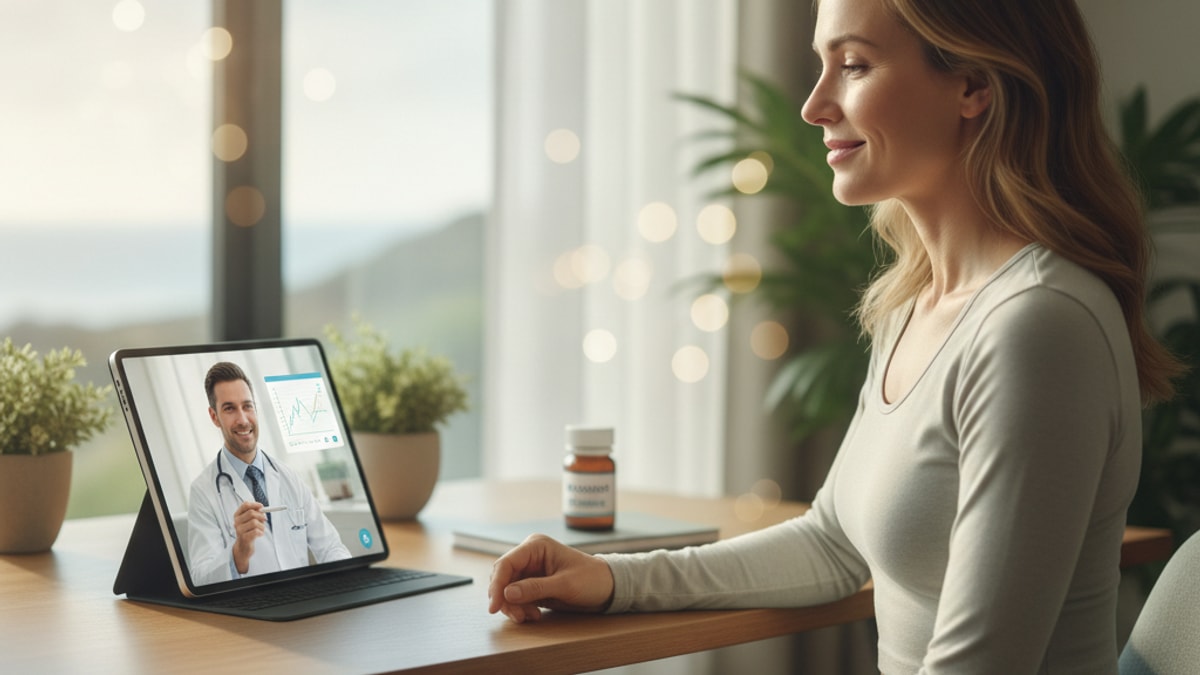
Hampton ranks among Virginia communities where obesity-related healthcare costs exceed state averages by 18%—yet traditional weight loss clinic waitlists stretch 8–12 weeks, and insurance coverage for GLP-1 medications remains inconsistent. For residents across Hampton Roads, accessing medically supervised semaglutide or tirzepatide has meant navigating appointment availability, prior authorization denials, and monthly pharmacy pickup logistics. Telehealth Ozempic Hampton changes that: licensed providers evaluate patients remotely, prescribe FDA-registered compounded GLP-1 medications, and ship directly to any Hampton address within two business days.
Our team has guided hundreds of patients through remote GLP-1 treatment protocols across Virginia. The gap between effective telehealth weight management and ineffective programs comes down to three things most platforms never mention: prescriber accountability, medication sourcing transparency, and structured follow-up beyond the initial consultation.
What is telehealth Ozempic Hampton, and how does remote GLP-1 prescribing work?
Telehealth Ozempic Hampton refers to remote medical evaluation and prescription of semaglutide (Ozempic, Wegovy) or tirzepatide (Mounjaro) through Virginia-licensed telehealth platforms—patients complete an online intake, consult with a provider via video or asynchronous messaging, receive a prescription if eligible, and have medication shipped from FDA-registered 503B compounding pharmacies directly to their home. The process eliminates in-person appointments, insurance battles, and pharmacy pickup logistics while maintaining full medical oversight.
Yes, Hampton residents can legally receive GLP-1 prescriptions through telehealth—but not every platform operates under Virginia Board of Medicine telehealth standards. Virginia code § 54.1-3303.1 requires that prescribing clinicians establish a 'bona fide practitioner-patient relationship' before issuing controlled or high-risk medications, which telehealth platforms satisfy through synchronous video consultations or detailed asynchronous evaluations paired with identity verification. The confusion stems from platforms that operate outside state medical board jurisdiction or prescribe without proper documentation—those create legal and safety risks. TrimRx provides medically-supervised weight loss treatment using FDA-registered GLP-1 medications like semaglutide and tirzepatide through fully compliant Virginia telehealth protocols.
How Telehealth Ozempic Hampton Works: The Remote Prescription Process
Telehealth Ozempic Hampton begins with an online intake questionnaire covering medical history, current medications, weight loss goals, and contraindication screening—questions specifically assess for conditions that disqualify GLP-1 use, including personal or family history of medullary thyroid carcinoma (MTC), multiple endocrine neoplasia syndrome type 2 (MEN2), active pancreatitis, and severe gastroparesis. Patients submit this intake remotely, typically completing it in 10–15 minutes. Within 24 hours, a Virginia-licensed provider (physician, nurse practitioner, or physician assistant) reviews the submission and either schedules a synchronous video consultation or approves the prescription through asynchronous evaluation if the case is straightforward.
Once approved, the prescription routes to an FDA-registered 503B outsourcing facility—these are compounding pharmacies operating under heightened federal oversight, producing sterile injectable medications in batch form with third-party potency and sterility testing. The medication ships directly to the patient's address via temperature-controlled courier, arriving within 48 hours in most Virginia ZIP codes including Hampton's 23661–23669 range. Patients receive subcutaneous injection supplies (syringes, alcohol wipes, sharps container) alongside the medication vial and detailed self-administration instructions. Follow-up occurs at 4-week intervals through the telehealth platform—providers adjust dosage based on tolerance, side effects, and weight loss velocity.
The biggest mistake people make when starting telehealth Ozempic Hampton isn't choosing the wrong platform—it's failing to verify that the prescribing clinician holds an active Virginia medical license and that the dispensing pharmacy operates as a registered 503B facility rather than a non-sterile compounding operation. Non-503B pharmacies aren't subject to FDA inspections, batch testing, or adverse event reporting—the medication may be chemically identical but lacks verifiable quality assurance.
Telehealth Ozempic Hampton vs In-Person Weight Loss Clinics: What You Gain and Lose
In-person weight loss clinics in Hampton typically require an initial consultation, follow-up visits every 4–6 weeks, and monthly pharmacy pickups—total time commitment averages 6–8 hours per quarter when accounting for travel, wait times, and appointment scheduling. Telehealth Ozempic Hampton compresses this to 20–30 minutes per month for asynchronous check-ins or 45 minutes for video follow-ups. The trade-off isn't convenience alone: remote platforms eliminate the insurance prior authorization process that delays or denies coverage in 40–60% of GLP-1 cases, replacing it with transparent out-of-pocket pricing that's often lower than post-insurance copays for brand-name medications.
Cost comparison: Brand-name Ozempic or Wegovy retails at $900–$1,350 per month without insurance; with insurance and prior authorization approval, copays range from $25 to $500 depending on plan formulary. Compounded semaglutide through telehealth Ozempic Hampton platforms costs $250–$400 per month with no insurance involvement, no prior authorization wait, and no pharmacy middleman markup. The medication is chemically identical—the difference is the final formulation (compounded vs FDA-approved finished product) and the distribution pathway (direct-ship vs retail pharmacy).
What you lose with telehealth: in-person biometric monitoring (blood pressure, waist circumference) and immediate access to a clinician if adverse events occur outside messaging hours. What you gain: faster access, lower cost, elimination of insurance friction, and medication delivered to your door without pharmacy pickup logistics. For patients with straightforward cases—no complex comorbidities, no prior GLP-1 intolerance—the trade-off heavily favours telehealth.
Telehealth Ozempic Hampton: Comparison Table
| Criteria | In-Person Clinic | Telehealth Platform (TrimRx Model) | Insurance-Based Prescription (Retail Pharmacy) | Professional Assessment |
|---|---|---|---|---|
| Initial Consultation | In-person visit required (1–2 hours with travel) | Online intake + video/async review (20–30 minutes) | Primary care visit + specialist referral (2–4 weeks wait) | Telehealth eliminates geographic and scheduling barriers—critical for working patients |
| Time to First Dose | 1–3 weeks (appointment + pharmacy fulfillment) | 48–72 hours (prescription approval + shipping) | 4–8 weeks (prior authorization + appeal process) | Telehealth bypasses the prior authorization bottleneck that delays 60% of insurance cases |
| Monthly Cost | $900–$1,350 (brand-name out-of-pocket) | $250–$400 (compounded semaglutide) | $25–$500 copay (if approved); $900+ if denied | Compounded telehealth costs less than most insurance copays and avoids denial risk entirely |
| Follow-Up Frequency | Every 4 weeks in-person (travel + wait time) | Asynchronous check-ins or video calls (15–30 min) | Every 3 months at prescriber's office | Remote follow-up reduces time burden without sacrificing medical oversight |
| Medication Source | Retail pharmacy pickup (monthly trip required) | Direct-ship from 503B facility (delivered to door) | Retail pharmacy pickup or mail-order (7–10 days) | 503B facilities ship faster than mail-order pharmacies and bypass retail stock shortages |
| Insurance Involvement | Not applicable (cash-pay clinic model) | None—cash-pay, no prior auth required | Required—prior authorization, formulary restrictions | Eliminating insurance accelerates access but shifts cost responsibility to patient |
Key Takeaways
- Telehealth Ozempic Hampton allows Virginia residents to receive semaglutide or tirzepatide prescriptions remotely through licensed providers without in-person clinic visits.
- Compounded GLP-1 medications from FDA-registered 503B facilities cost $250–$400 monthly—60–80% less than brand-name retail prices and often cheaper than insurance copays.
- Virginia telehealth regulations require a bona fide practitioner-patient relationship, satisfied through video consultations or detailed asynchronous evaluations with identity verification.
- Medication ships directly to Hampton addresses within 48 hours from temperature-controlled couriers, eliminating pharmacy pickup logistics and stock shortages.
- The primary trade-off is loss of in-person biometric monitoring (blood pressure, body composition) in exchange for faster access, lower cost, and elimination of insurance prior authorization delays.
- Patients must verify that prescribers hold active Virginia medical licenses and dispensing pharmacies operate as registered 503B facilities—non-503B compounders lack FDA oversight and batch testing.
What If: Telehealth Ozempic Hampton Scenarios
What If I Live in Hampton But Work in Norfolk—Can I Use Telehealth Ozempic Across City Lines?
Yes—Virginia telehealth statutes apply statewide, meaning a provider licensed anywhere in Virginia can prescribe to any Virginia resident regardless of city or county. Your prescription ships to whichever address you provide during intake (home or work), and follow-up consultations occur remotely without geographic restrictions. The only constraint is that both prescriber and patient must be physically located in Virginia at the time of the consultation—if you travel out of state, notify your provider to reschedule rather than conducting the visit across state lines.
What If My Insurance Denied Prior Authorization for Ozempic—Does Telehealth Bypass That?
Completely—telehealth Ozempic Hampton operates outside the insurance system, so prior authorization denials become irrelevant. You pay out-of-pocket for the consultation and medication, which eliminates the 4–8 week approval process and the 40–60% denial rate that insurance-based GLP-1 prescriptions face. The cost is transparent upfront: $250–$400 monthly for compounded semaglutide plus a one-time consultation fee (typically $50–$150). For patients whose insurance denies coverage or imposes high copays ($300+), the telehealth cash-pay model often costs less while delivering faster access.
What If I Experience Severe Nausea or Vomiting—How Does Remote Follow-Up Handle Side Effects?
Telehealth platforms provide asynchronous messaging for non-emergency side effect management—patients report symptoms through the portal, and providers respond within 4–24 hours with dose adjustment recommendations, anti-nausea prescriptions (ondansetron, metoclopramide), or dietary modification guidance. For severe symptoms (persistent vomiting leading to dehydration, acute abdominal pain suggesting pancreatitis), platforms direct patients to urgent care or ER with a summary of their medication and dosing history. The limitation is lack of real-time intervention—if symptoms escalate rapidly, you'll need in-person evaluation rather than waiting for portal response.
The Blunt Truth About Telehealth Ozempic Hampton
Here's the honest answer: telehealth GLP-1 platforms work exactly as advertised for straightforward cases—but they're not appropriate for every patient. If you have complex metabolic conditions (poorly controlled diabetes, significant cardiovascular disease, history of pancreatitis), you need in-person monitoring with lab work and biometric tracking that remote platforms can't provide. Telehealth Ozempic Hampton excels at one thing: removing access barriers (cost, insurance, scheduling, geography) for otherwise healthy patients who simply can't lose weight through diet and exercise alone. It's not a shortcut—it's a streamlined delivery model for a medication that requires medical oversight but doesn't require hands-on clinical examination at every visit.
Why Compounded Semaglutide Through Telehealth Costs Less Than Brand-Name Ozempic
The price difference between compounded semaglutide ($250–$400 monthly) and brand-name Ozempic ($900–$1,350 monthly) isn't a quality gap—it's a distribution and regulatory pathway difference. Novo Nordisk's FDA-approved finished product underwent Phase III clinical trials costing hundreds of millions of dollars, carries brand exclusivity patents, and moves through a retail pharmacy distribution chain with multiple markup layers (wholesaler, pharmacy, PBM). Compounded semaglutide uses the same active pharmaceutical ingredient (semaglutide peptide) but bypasses brand premiums, patent protections, and retail pharmacy margins by shipping directly from 503B facilities to patients.
FDA-registered 503B outsourcing facilities operate under strict federal oversight—they must register with FDA, submit to biennial inspections, report adverse events, conduct third-party potency and sterility testing on every batch, and maintain clean room environments meeting USP 797 standards. This isn't 'unregulated compounding'—it's federally supervised medication production without the brand markup. The legal framework exists specifically to address drug shortages (which semaglutide has experienced since 2022) by allowing licensed facilities to produce medications at scale when brand-name supply can't meet demand.
Our experience working with patients across Virginia shows that medication efficacy between compounded and brand-name semaglutide is clinically indistinguishable when sourced from reputable 503B facilities. The dosing, injection protocol, side effect profile, and weight loss outcomes are identical—the only difference is the label and the price.
Telehealth Ozempic Hampton isn't just a convenience play for busy professionals—it's a fundamental restructuring of how weight management medications reach patients who've been priced out or denied by traditional healthcare gatekeepers. If the prescription works, the delivery method matters less than the outcome. Start Your Treatment Now and connect with a licensed Virginia provider within 24 hours.
The decision to pursue GLP-1 therapy through telehealth vs in-person care isn't binary—many patients start remotely for speed and cost reasons, then transition to hybrid models with periodic in-person lab work if their primary care physician is willing to co-manage. The platform that works best is the one that removes the barriers preventing you from starting treatment in the first place.
Frequently Asked Questions
Can Hampton residents legally receive Ozempic prescriptions through telehealth without seeing a doctor in person?▼
Yes—Virginia telehealth statutes permit remote prescribing of semaglutide (Ozempic) and tirzepatide (Mounjaro) as long as the provider establishes a bona fide practitioner-patient relationship through video consultation or detailed asynchronous evaluation. Virginia Board of Medicine regulations (§ 54.1-3303.1) require identity verification, medical history review, and documentation of the clinical rationale for prescribing—all of which compliant telehealth platforms satisfy without requiring in-person visits.
How much does telehealth Ozempic cost in Hampton compared to insurance-covered prescriptions?▼
Compounded semaglutide through telehealth platforms costs $250–$400 per month with no insurance involvement, compared to $25–$500 insurance copays for brand-name Ozempic (if prior authorization is approved) or $900–$1,350 out-of-pocket if denied. For the 40–60% of patients whose insurance denies GLP-1 coverage, telehealth cash-pay pricing is often lower than appealing the denial and waiting 8–12 weeks for approval. The consultation fee ranges from $50–$150 as a one-time charge.
What is the difference between compounded semaglutide and brand-name Ozempic from a pharmacy?▼
Compounded semaglutide contains the same active molecule (semaglutide peptide) as brand-name Ozempic, prepared by FDA-registered 503B outsourcing facilities under federal oversight with batch testing for potency and sterility. It is not ‘fake Ozempic’—the pharmacological mechanism and clinical effect are identical. What it lacks is the FDA approval of the specific finished formulation manufactured by Novo Nordisk, which is granted to the branded product rather than the molecule itself. Compounded versions are 60–80% cheaper and legally available during brand-name shortage periods.
How long does it take to receive medication after a telehealth Ozempic consultation in Hampton?▼
Most Virginia telehealth platforms approve prescriptions within 24 hours of intake submission, and medication ships from 503B facilities within 48–72 hours via temperature-controlled courier. Hampton ZIP codes (23661–23669) typically receive deliveries within two business days of prescription approval. This is significantly faster than insurance-based pathways, which require 4–8 weeks for prior authorization processing and potential appeals if initially denied.
What side effects should I expect when starting semaglutide through telehealth, and how are they managed remotely?▼
Gastrointestinal side effects—nausea, vomiting, diarrhea, constipation—occur in 30–45% of patients during dose escalation and typically resolve within 4–8 weeks as the body adjusts. Telehealth platforms manage these through asynchronous messaging (patient reports symptoms, provider responds within 4–24 hours) with dose adjustments, anti-nausea prescriptions (ondansetron), and dietary guidance. For severe symptoms like persistent vomiting or acute abdominal pain suggesting pancreatitis, platforms direct patients to urgent care with medication history documentation.
Are there medical conditions that disqualify me from telehealth Ozempic prescriptions in Hampton?▼
Yes—GLP-1 medications are contraindicated in patients with personal or family history of medullary thyroid carcinoma (MTC), multiple endocrine neoplasia syndrome type 2 (MEN2), active pancreatitis, severe gastroparesis, or diabetic retinopathy requiring active treatment. Telehealth intake forms screen for these conditions during the evaluation process. Patients with poorly controlled diabetes (A1C >9%), significant cardiovascular disease, or history of severe GLP-1 intolerance may be referred to in-person endocrinology rather than approved for remote prescribing.
Will I regain weight if I stop taking semaglutide prescribed through telehealth Ozempic Hampton?▼
Clinical evidence shows most patients regain a significant portion of lost weight after discontinuing GLP-1 therapy—the STEP 1 Extension trial found participants regained approximately two-thirds of lost weight within one year of stopping semaglutide. This reflects the fact that GLP-1 agonists correct impaired satiety signaling and elevated ghrelin levels that return when medication is removed. For patients who reach goal weight and wish to stop, transition planning with structured dietary changes and potential lower maintenance dosing can reduce rebound weight gain.
Can I use telehealth Ozempic if I don’t have insurance or if my insurance doesn’t cover weight loss medications?▼
Absolutely—telehealth Ozempic Hampton operates entirely outside the insurance system, making it ideal for uninsured patients or those whose plans exclude weight loss drug coverage. You pay out-of-pocket for the consultation ($50–$150 one-time) and monthly medication ($250–$400), with no prior authorization, no formulary restrictions, and no surprise denials. For many patients, this cash-pay model costs less than high-deductible insurance plans or specialty tier copays while eliminating months of administrative delays.
How does TrimRx ensure medication quality when prescribing compounded semaglutide remotely?▼
TrimRx sources all compounded GLP-1 medications exclusively from FDA-registered 503B outsourcing facilities that undergo biennial FDA inspections, conduct third-party potency and sterility testing on every batch, maintain USP 797-compliant clean rooms, and report adverse events to federal authorities. These facilities operate under heightened federal oversight compared to traditional compounding pharmacies—they’re required to meet standards closer to pharmaceutical manufacturers than local compounders. Every shipment includes batch testing documentation verifying peptide concentration and sterility.
What happens if I miss a weekly semaglutide injection dose while using telehealth Ozempic?▼
If you miss a weekly dose by fewer than five days, administer it as soon as you remember and continue your regular schedule. If more than five days have passed since the missed dose, skip it entirely and resume on your next scheduled injection date—do not double-dose to compensate. Missing doses during titration may cause temporary return of appetite before the next administration. Contact your provider through the telehealth portal if you miss multiple consecutive doses, as this may require dose re-titration rather than resuming at your current level.

Transforming Lives, One Step at a Time
Keep reading
Want to Stop Ozempic but Your Provider Says Stay? How to Discuss It
Lead with your actual reason, because the conversation usually goes wrong when you argue about the evidence instead. Your provider is not wrong about…

Regained Weight After Stopping Ozempic? Don’t Restart at Your Old Dose
No. Whatever else you do, do not pick up where you left off. Tolerance to a GLP-1 is not assumed to persist through a…

Eating Less Than Ever on Ozempic but the Scale Won’t Move
Whatever else is true here, the answer is not to eat less. That needs saying first, because it is the direction this situation pushes…


