Why Won’t My Doctor Prescribe Ozempic for Weight Loss?
Introduction
Walking into a doctor’s office with the hope of finally finding a solution for weight management, only to be met with a firm “no,” can feel incredibly discouraging. Many individuals have seen the headlines and heard success stories regarding Ozempic® (semaglutide), only to find that their primary care physician is hesitant or unwilling to write the prescription. This frustration is valid, especially when you feel you have exhausted every diet and exercise routine available. At TrimRx, we understand that weight loss is not just about willpower; it is a complex biological journey that often requires clinical support. In this article, we will examine the clinical, administrative, and safety reasons why a doctor might decline an Ozempic request and explore the alternative paths available through personalized telehealth programs. Understanding these barriers is the first step toward finding a weight loss strategy that actually works for your unique health profile.
The Core Mechanism of Semaglutide
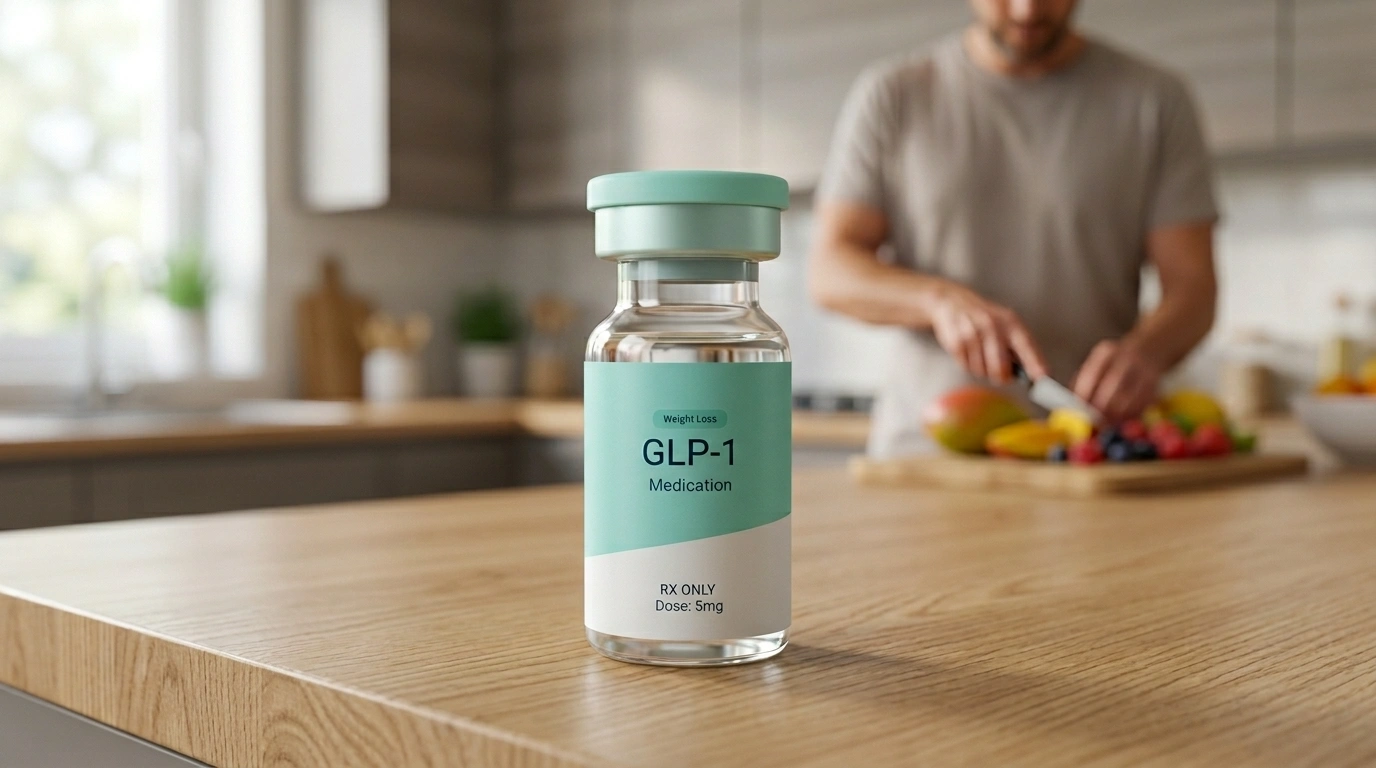
To understand why a doctor might hesitate to prescribe a specific medication, it helps to understand how that medication functions within the body. Ozempic belongs to a class of drugs known as GLP-1 receptor agonists. GLP-1, or glucagon-like peptide-1, is a hormone naturally produced in the gut that signals to the brain when you are full.
Semaglutide mimics this natural hormone. When you take this medication, it binds to GLP-1 receptors in the brain to reduce hunger and cravings. It also slows down “gastric emptying,” which is the rate at which food leaves your stomach. This means you feel fuller for a longer period after eating a smaller portion of food. For many, this helps quiet “food noise”—the intrusive, constant thoughts about eating that make traditional dieting so difficult. For a deeper explanation, read our guide to how GLP-1 medications work.
Key Takeaway: Semaglutide works by mimicking natural hormones to signal fullness to the brain and slow digestion, making it easier to maintain a calorie deficit without intense hunger.
Reason 1: FDA Approval and “Off-Label” Use
One of the most common reasons a doctor may decline a request for Ozempic is its specific FDA approval status. Ozempic was approved by the FDA in 2017 specifically for the treatment of type 2 diabetes. Its primary clinical purpose is to help lower blood sugar levels and reduce the risk of major cardiovascular events, like heart attacks or strokes, in adults with type 2 diabetes.
Prescribing Ozempic for weight loss is considered “off-label.” Off-label prescribing occurs when a physician prescribes a drug for a purpose other than its officially approved indication. While legal and common in medicine, some doctors are conservative and prefer to only prescribe medications for their exact FDA-cleared purpose.
It is important to note that Wegovy® is another brand of semaglutide that is FDA-approved specifically for chronic weight management. A doctor might refuse Ozempic because they believe you should be on Wegovy instead, even though both medications contain the same active ingredient. However, logistical issues often make this distinction complicated for the patient. Our guide to Ozempic and weight loss explains the differences in greater detail.
Reason 2: Insurance and Coverage Hurdles
Even if a doctor wants to help you, they are often restricted by the requirements of insurance providers. Because Ozempic is technically a diabetes medication, most insurance companies in the United States will only cover it if the patient has a confirmed diagnosis of type 2 diabetes.
Insurance companies often require “Prior Authorization.” This is a process where the doctor must prove that the medication is medically necessary for the patient’s specific condition. If a patient does not have diabetes, the insurance company will likely deny the claim. Many primary care offices are small and lack the administrative staff to fight lengthy battles with insurance companies for off-label weight loss requests. This administrative burden often leads doctors to steer patients toward other options that are easier to get approved.
If insurance barriers are part of your situation, you can learn how the weight loss medication process works before discussing your next options with a provider.
Reason 3: Global Supply Shortages
The surge in popularity of GLP-1 medications has led to significant supply chain issues. For several years, Ozempic has appeared on the FDA’s drug shortage list. When a medication is in short supply, medical professional organizations and local health systems often issue guidance to prioritize the existing supply for those with the highest clinical need.
Doctors often prioritize patients with type 2 diabetes during shortages. Because Ozempic is a life-sustaining medication for managing blood sugar in diabetic patients, many physicians feel an ethical obligation to reserve their limited prescribing capacity for those individuals. They may worry that prescribing it to a patient for weight loss will take a dose away from someone who needs it to prevent a diabetic emergency.
Reason 4: Medical Eligibility and Safety Concerns
Your doctor’s primary responsibility is your safety, and not everyone is a candidate for semaglutide. A physician will look at several factors before deciding if the medication is appropriate for you. If you want to understand what an online medical evaluation typically involves, review this guide to getting a semaglutide prescription safely through telehealth.
BMI Requirements
Most clinical guidelines suggest that GLP-1 medications should be reserved for individuals who meet specific Body Mass Index (BMI) criteria. Generally, this includes:
- A BMI of 30 or greater (classified as obesity).
- A BMI of 27 or greater with at least one weight-related medical condition, such as high blood pressure, high cholesterol, or sleep apnea.
If your BMI is lower than these thresholds, a doctor may determine that the potential risks of the medication outweigh the benefits for your specific situation. You can complete a free eligibility assessment to provide your health information for clinical review.
Family and Personal Medical History
There are specific medical “red flags” that will cause a doctor to immediately deny a request for Ozempic.
- Thyroid Cancer Risk: Semaglutide carries a boxed warning regarding the risk of thyroid C-cell tumors. If you or anyone in your family has a history of Medullary Thyroid Carcinoma (MTC) or Multiple Endocrine Neoplasia syndrome type 2 (MEN2), you cannot safely take this medication.
- Pancreatitis: If you have a history of inflammation of the pancreas, your doctor will likely avoid GLP-1 drugs due to an increased risk of recurrence.
- Kidney Issues: Because the medication can cause dehydration through nausea or vomiting, it may put undue stress on the kidneys in patients with pre-existing renal impairment.
Note: Always provide your healthcare provider with a full family medical history to ensure any weight loss medication is safe for your specific genetic profile.
Reason 5: The “Lifestyle First” Philosophy
Some physicians still adhere to an older medical philosophy that views weight loss primarily as a matter of personal discipline. They may believe that a patient hasn’t “tried hard enough” with diet and exercise alone. This perspective often ignores the biological reality that the body frequently fights against weight loss by increasing hunger hormones and slowing metabolism.
If a doctor tells you to “just eat less and move more,” they may be dismissive of the clinical benefits that GLP-1 medications provide. This can be a major point of friction between patients and providers, leading many to seek care from specialists who understand the science of metabolic health.
How Telehealth Changes the Conversation
For those who have been turned away by a traditional primary care doctor, telehealth platforms like our platform offer a different approach. We focus specifically on weight health and metabolic support, connecting individuals with licensed healthcare providers who are well-versed in the latest obesity medicine.
Telehealth allows for specialized focus. Unlike a general practitioner who may see fifty different conditions in a week, our partner providers focus on weight management. This means they are often more comfortable navigating the nuances of GLP-1 eligibility and can offer personalized programs that include medications like compounded semaglutide.
Compounded semaglutide is prepared by FDA-registered, inspected compounding pharmacies. While these compounded versions are not themselves FDA-approved, they are often used during drug shortages or when a patient needs a more tailored approach to their treatment plan. At TrimRx, we ensure that our patients have access to high-quality care without the typical “waiting room” hurdles of a traditional clinic.
What to Do If Your Doctor Says No
If you have been denied a prescription, you still have several productive steps you can take to reach your goals.
Step 1: Ask for a specific reason.
Do not just accept a “no.” Ask your doctor if the refusal is due to your medical history, insurance concerns, or a lack of familiarity with the drug. This information is vital for your records.
Step 2: Request a referral to a specialist.
If your primary doctor isn’t comfortable prescribing weight loss medication, ask for a referral to an endocrinologist or an obesity medicine specialist. These providers have deeper expertise in metabolic hormones.
Step 3: Explore a personalized telehealth program.
Platforms like ours allow you to take the free assessment quiz from home. This quiz helps a licensed provider review your health history and determine if you are a candidate for a prescription program.
Step 4: Consider supportive supplements.
If you are not yet ready for a prescription or do not meet the BMI criteria, you can still support your metabolism. Supplements like GLP-1 Daily Support or Weight Loss Boost are designed to provide nutrient support and help your body’s natural pathways without requiring a doctor’s visit.
Bottom line: A refusal from one doctor is not the end of your journey; it is often an indication that you need a provider who specializes in modern metabolic health.
Myth vs. Fact: Common Misconceptions
Myth: “My doctor won’t prescribe it because Ozempic is dangerous.”
Fact: Every medication has risks, but for those who meet the eligibility criteria, the health risks of staying at an unhealthy weight (heart disease, stroke, diabetes) often outweigh the side effects of the medication.
Myth: “You have to have diabetes to get Ozempic.”
Fact: While Ozempic is only FDA-approved for diabetes, many providers prescribe it off-label for weight loss because the active ingredient, semaglutide, is clinically proven to help with weight management.
Myth: “If I use a telehealth platform, I won’t get real medical supervision.”
Fact: Our program at TrimRx includes doctor consultations, lab work, and unlimited support from a dedicated team of specialists. It is a comprehensive medical program delivered through a modern interface.
Side Effects and Management
One reason a doctor might be cautious is the potential for gastrointestinal side effects. Common issues include:
- Nausea and vomiting
- Diarrhea or constipation
- Abdominal pain
- Fatigue
Most of these side effects are mild and tend to decrease as the body adjusts to the medication. However, a doctor must be sure the patient is prepared to manage these symptoms and follow a specific dosing schedule. Starting at a very low dose and gradually increasing (titrating) the amount helps the body adapt more comfortably. For more information, read about common GLP-1 side effects and management.
Understanding Personalized Weight Loss
At TrimRx, our mission is to move away from the “one-size-fits-all” approach that has failed so many people in the past. We believe that sustainable weight loss requires a combination of clinical science, empathetic support, and convenient access. Our programs are designed to meet you where you are, providing the tools and medications necessary to help you embrace a healthier lifestyle.
Conclusion
The decision to start a GLP-1 medication is a significant step in a weight loss journey. While it is frustrating when a primary care doctor declines to prescribe Ozempic®, it is often due to administrative hurdles, insurance restrictions, or a lack of specialized knowledge rather than a reflection of your potential for success. By seeking out specialized care and understanding your medical eligibility, you can find a path forward. Whether it is through a branded medication, a compounded alternative, or metabolic support supplements, the goal remains the same: a healthier, more sustainable future. Our team at TrimRx is here to provide that bridge to better health through our science-backed, telehealth-first approach.
Take the next step toward your goals today.
Start by taking our free assessment quiz to see which personalized program is right for your health profile.
FAQ
Why is it so hard to get insurance to cover Ozempic for weight loss?
Insurance companies generally classify Ozempic® as a diabetes-specific medication. Since it is not FDA-approved for weight loss (unlike Wegovy®), insurers often view weight loss as an “off-label” use and refuse to pay for it unless a type 2 diabetes diagnosis is present on the patient’s medical record.
Is compounded semaglutide the same as Ozempic?
Compounded semaglutide contains the same active ingredient as Ozempic® but is prepared in a compounding pharmacy rather than by a single drug manufacturer. While it is not FDA-approved, it is often utilized by telehealth platforms to ensure patients have access to treatment during national drug shortages or when personalized dosing is required.
What happens if I don’t meet the BMI requirements for Ozempic?
If your BMI is below 27, most doctors and telehealth platforms will not prescribe GLP-1 medications because the clinical benefits have not been proven to outweigh the risks for individuals at a lower weight. In these cases, focusing on metabolic supplements like Weight Loss Boost and lifestyle changes is the recommended path.
Can a telehealth doctor prescribe Ozempic?
Yes, licensed healthcare providers on telehealth platforms can prescribe GLP-1 medications if you meet the medical eligibility criteria. They will review your health history, BMI, and lab results through a virtual assessment to determine if a prescription program is a safe and effective option for you. You can find out whether you may qualify for a personalized program before beginning the process.
Disclaimer: This content is for informational purposes only and does not constitute medical advice. It is not intended to diagnose, treat, cure, or prevent any disease or condition. Individual results may vary. Always consult a qualified healthcare professional before starting any weight loss program or medication.

Transforming Lives, One Step at a Time
Keep reading

Playing in a Tennis League on Ozempic
Joining a tennis league is one of the best things you can do for fitness, friendship, and a bit of friendly competition. Many adults…

Sledding and Ice Skating With the Grandkids on Ozempic
Winter break with grandchildren often means sledding hills, outdoor rinks, and snowball fights in the yard. For many grandparents who have lost weight on…

Hosting a Quinceañera on Ozempic
A quinceañera is one of the biggest days in a family’s life. There is a Mass or blessing, photos, a grand entrance, the court’s…


