Flying With Ozempic or Semaglutide: TSA Rules and Travel Tips
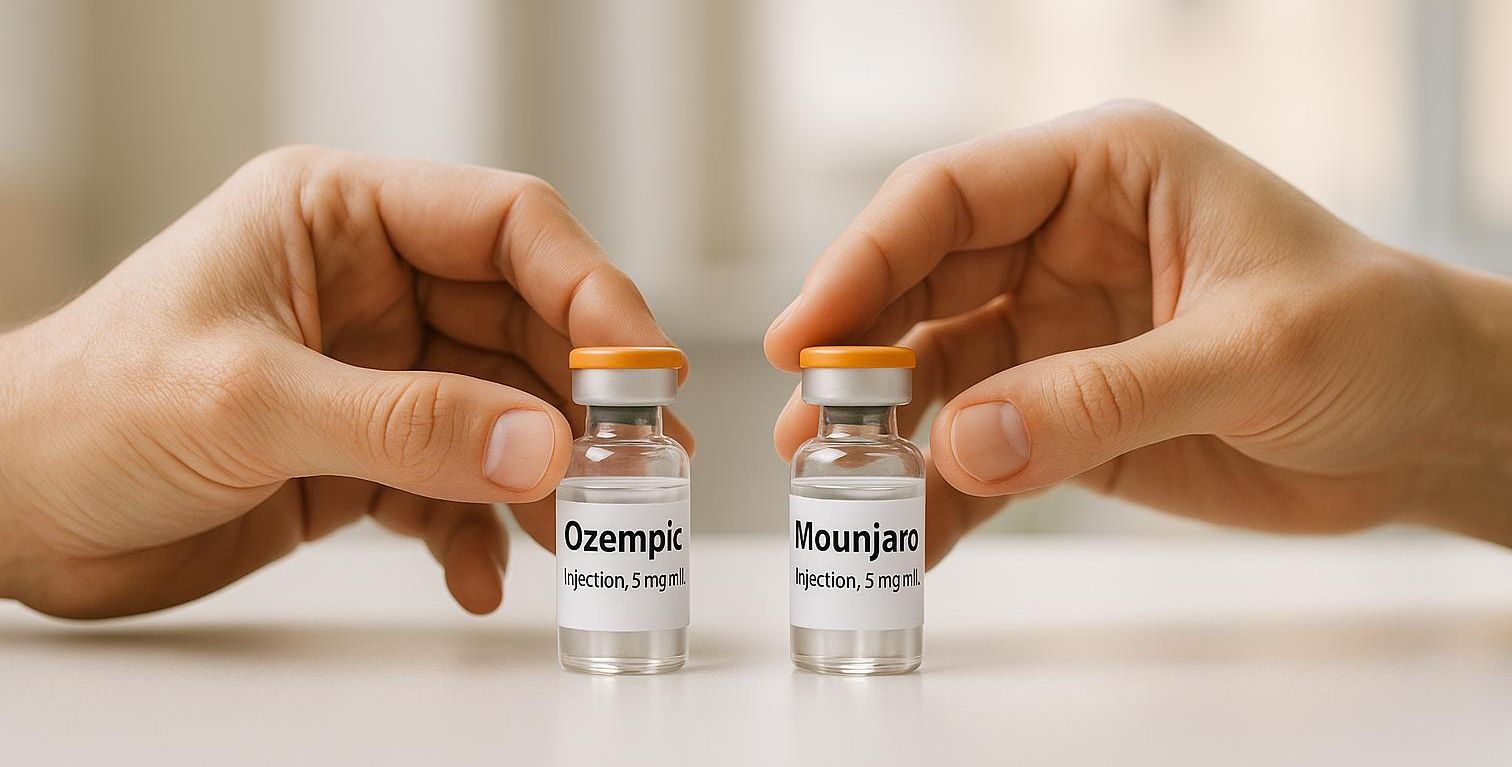
Air travel and weekly injections don’t have to be complicated. Whether you’re heading out for a long weekend or an international trip, you can bring your Ozempic, semaglutide, or tirzepatide with you safely and without issues at security. The key is knowing the rules in advance and packing smart.
What TSA Actually Says About Injectable Medications
Here’s the good news: TSA explicitly allows injectable medications through airport security, and insulin and other injectables are exempt from the standard 3-1-1 liquid rule. That means your vials, pens, and syringes can go in your carry-on without being limited to 3.4 ounces.
The TSA website states that liquid medications are allowed in “reasonable quantities” for the duration of your trip. For a weekly injectable like semaglutide or tirzepatide, one or two vials or pens is well within that range for most trips.
A few practical points to know:
Declare your medication at the checkpoint. You’re not required to, but proactively telling the TSA officer “I have injectable medication in my bag” speeds things up and avoids confusion. Officers are used to this.
Keep medications in their original packaging when possible. For compounded semaglutide or tirzepatide in vials, having the pharmacy label visible helps confirm what the medication is. For brand-name pens like Ozempic or Wegovy, the original box is ideal.
Syringes and needles are allowed. TSA permits unused syringes when carried with the injectable medication they’re meant for. Used needles should go in a sharps container, which is also permitted in carry-on bags.
You don’t need a doctor’s note. TSA does not require a prescription letter or physician documentation to bring injectable medication through security. Some travelers carry one anyway for peace of mind, especially on international trips.
Carry-On vs. Checked Bag: Where Should Your Medication Go?
Always carry your GLP-1 medication in your carry-on, not your checked bag. Checked luggage is stored in the cargo hold, where temperatures can drop significantly during flight and damage your medication. It can also get lost.
Semaglutide and tirzepatide both require refrigeration (36°F to 46°F) until they’re opened or first used. Once in use, compounded semaglutide in a vial can typically be kept at room temperature for a limited period, but you should verify the specific guidance that came with your medication, since storage instructions can vary by formulation.
The safest approach is to transport your medication in a small insulated travel case with a gel ice pack. These are widely available and designed specifically for injectable medications. Just make sure the ice pack is fully frozen when you go through security, as partially melted packs with liquid may be subject to the 3-1-1 rule.
Managing Your Injection Schedule Around Travel
For most people on weekly GLP-1 medications, travel doesn’t require major adjustments to their injection schedule. You’re working with a seven-day window, which gives you flexibility.
That said, a few things are worth thinking through before you leave:
Time zone changes. If you’re crossing multiple time zones, your injection day stays the same on the calendar, not the clock. So if you inject every Sunday, you inject on Sunday in whatever time zone you’re in. The weekly half-life of semaglutide means a difference of several hours in either direction has no meaningful clinical effect.
Injection day logistics. Think about where you’ll be on your injection day. A hotel room works fine. If you’re camping or at a location without refrigeration, plan your timing so you can inject from a vial that’s been properly stored up until that point, then keep any remaining medication in a cooler or ask your hotel to store it in their refrigerator.
What to do if you’re traveling on injection day. Injecting before you leave is often the simplest option if your schedule allows. If you need to inject during travel, an airplane bathroom is a reasonable option, though a bit cramped. Most GLP-1 patients do this without issue.
For a broader look at managing your medication away from home, the article on GLP-1 and travel covers general travel logistics in more detail.
International Travel With Semaglutide or Tirzepatide
Flying internationally adds a layer of complexity. Rules vary by country, and while most developed nations allow travelers to bring personal-use medications, some have stricter import rules around injectable medications or controlled substances.
Before an international trip, check the embassy or consulate website for your destination country to confirm their rules on importing medications. Carrying a letter from your prescriber on letterhead (with your name, the medication name, dose, and diagnosis) is a smart precaution for international travel even if it’s not strictly required.
For compounded semaglutide or tirzepatide specifically, note that your formulation comes from a U.S.-based compounding pharmacy and may not have the same packaging or labeling as brand-name medications. Having documentation from your provider or pharmacy can help if customs officers have questions.
Keeping Your Medication Cold During Long Travel Days
A full travel day can stretch to 12 hours or more when you factor in getting to the airport, layovers, and ground transportation. Here’s how to keep your medication properly cold throughout:
Use a dedicated medication travel cooler with gel packs rated for at least 24 to 48 hours. Brands like FRIO or similar medical-grade cases are designed for exactly this purpose. Some are activated with water rather than freezing, which can be more convenient for longer trips.
Avoid placing your medication directly against dry ice or a regular ice pack without insulation between them, as direct contact can freeze the medication, which damages it.
If you’re staying somewhere for an extended period, ask the hotel front desk to store your medication in a medical refrigerator. Most hotels can accommodate this request.
What to Pack Beyond the Medication Itself
A well-prepared travel kit for GLP-1 injections includes:
Your medication vial or pen, extra needles or syringes, alcohol swabs, a sharps container (travel-size versions are available), your insulated cooler with gel packs, and a copy of your prescription or pharmacy label in case questions arise.
If you use compounded semaglutide or compounded tirzepatide, your pharmacy label should clearly show the medication name, your name, the prescribing provider, and the concentration. This is the most useful documentation you can have.
Side Effects Don’t Take a Vacation
One thing worth planning for: GI side effects from semaglutide and tirzepatide can be unpredictable, and travel stress, different food, irregular sleep, and altered eating patterns can sometimes bring on nausea, even if you’ve been tolerating your medication well.
Consider your injection timing relative to flights. Some patients find injecting a day or two before or after a long-haul flight easier than injecting the same day. There’s no clinical requirement to adjust, but it’s worth thinking through if you tend to experience nausea after injections.
Staying well-hydrated during flights also helps, both for general comfort and because dehydration can worsen GI symptoms. The article on electrolytes on semaglutide is a useful read before any long travel day.
Ready to Start or Continue Your Treatment?
If you’re still figuring out whether GLP-1 medications are right for you, or if you want to explore compounded options before your next trip, take the TrimRx intake quiz to see if you’re a candidate. Treatment is designed to fit your life, travel days included.
This information is for educational purposes and is not medical advice. Consult with a healthcare provider before starting any medication. Individual results may vary.

Transforming Lives, One Step at a Time
Keep reading

Your Pet’s Insulin and Your Ozempic in the Same Fridge
Diabetes is not only a human condition. Plenty of cats and dogs need daily insulin, and their owners become experts at injections. If you…

Taking Ozempic With COPD
Many people with COPD also have type 2 diabetes, and Ozempic or another GLP-1 is a common part of treatment. For some, losing weight…
Ozempic After a Stroke: What to Ask During Recovery
Many people who have a stroke also live with type 2 diabetes, and many of them take Ozempic or another GLP-1. In the weeks…


