How Much Weight Should You Lose Per Week on Zepbound?
Introduction
Standing on a scale can feel like waiting for a verdict. For many of us, the journey toward a healthier weight has been defined by years of “trial and error” that often resulted in more error than progress. When starting a medication like Zepbound®, it is natural to want to know exactly how fast the numbers will move. At TrimRx, we understand that you aren’t just looking for a quick fix; you are looking for a sustainable path to feeling better in your own skin. This article explores the clinical data behind tirzepatide, the active ingredient in Zepbound®, to help you understand what a healthy weekly weight loss rate looks like. We will cover how the medication works, what factors influence your personal results, and how to manage your expectations for long-term success.
Quick Answer: Most clinical evidence suggests a healthy weight loss rate on Zepbound® is approximately 1% to 2% of your total body weight per month, which often translates to 1–2 pounds per week for many individuals. While initial weeks may see faster results due to reduced inflammation and water weight, a steady, moderate pace is considered the gold standard for maintaining muscle mass and long-term success.
The Science of Tirzepatide: How It Works
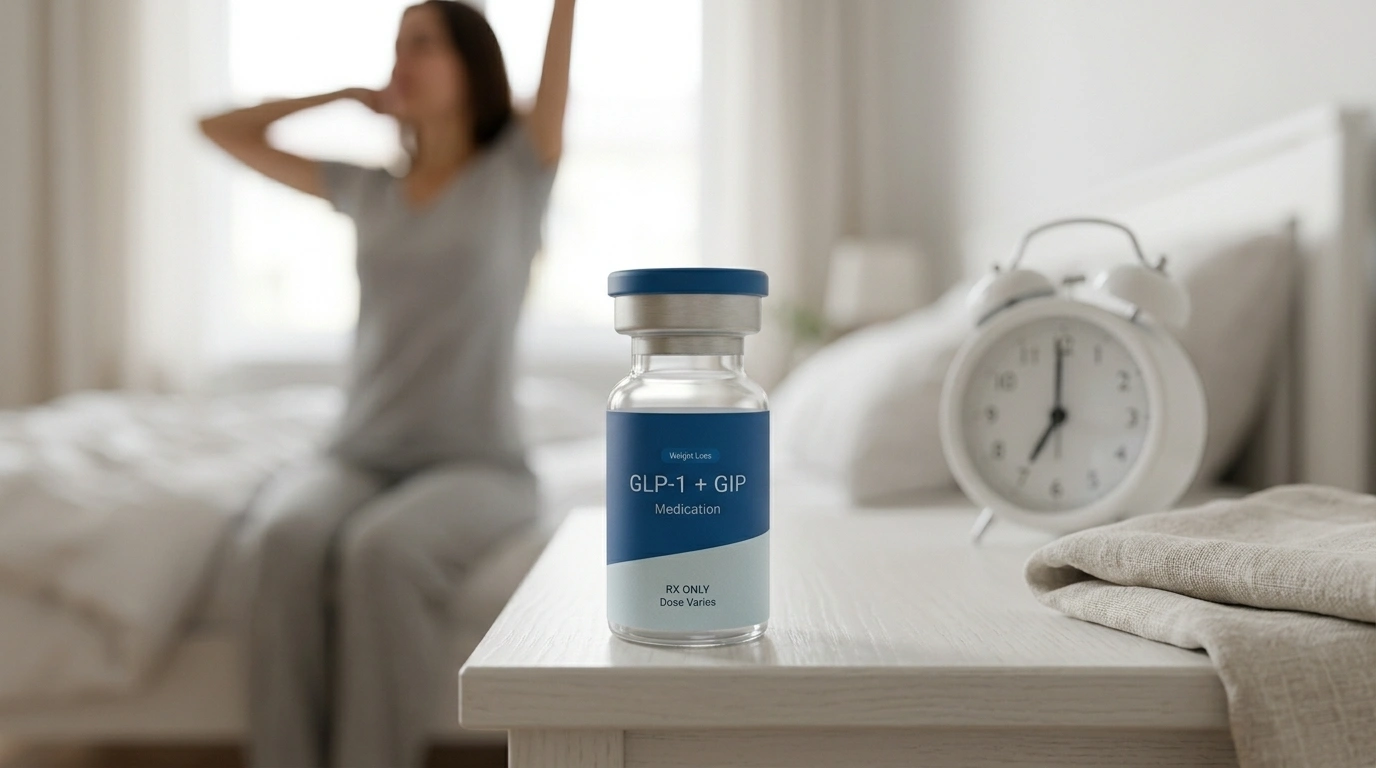
To understand the pace of weight loss, we must first look at what is happening inside the body. Zepbound® contains tirzepatide, a medication known as a dual receptor agonist. It is the first of its kind to target two specific hormones: Glucagon-like peptide-1 (GLP-1) and Glucose-dependent insulinotropic polypeptide (GIP). For a closer look at how the medication is introduced gradually, read this tirzepatide dosing guide.
GLP-1 is a hormone naturally produced in your gut. It sends signals to your brain that you are full and slows down gastric emptying, which is the process of food leaving your stomach. This helps you feel satisfied with smaller portions. GIP is another hormone that helps regulate energy balance and how your body breaks down fat and sugar. By mimicking both, tirzepatide provides a “double-layered” approach to weight management.
When these two pathways are activated, your body becomes more efficient at managing blood sugar and responding to hunger cues. This metabolic shift is what drives the weight loss results seen in clinical settings. However, because the body needs time to adjust to these hormonal changes, the weight loss is designed to be gradual rather than overnight.
What Clinical Trials Tell Us About the Weekly Rate
While most of us think in terms of “pounds per week,” large-scale clinical trials like SURMOUNT-1 typically measure success over months and years. In this 72-week study, participants taking various doses of tirzepatide saw significant reductions in body weight.
- 5mg dose: Participants lost an average of 15% of their body weight.
- 10mg dose: Participants lost an average of 19.5% of their body weight.
- 15mg dose: Participants lost an average of 20.9% of their body weight.
If we break these 72-week results down into a weekly average, the math suggests a loss of roughly 0.5 to 1.5 pounds per week, depending on the starting weight and the dosage. It is important to note that weight loss is rarely a straight line. Many people experience a “whoosh” effect in the first month, followed by a steady rhythm, and occasional weeks where the scale does not move at all. You can also review this guide to tirzepatide doses and titration for more context.
Key Takeaway: Clinical trials demonstrate that higher doses often lead to higher total weight loss, but the most sustainable progress happens at a steady, moderate pace over 12 to 18 months.
The Titration Schedule and Its Impact on Loss
You do not start on the highest dose of Zepbound®. Instead, you follow a titration schedule. This is a gradual increase in medication designed to help your body adjust and minimize side effects. Learn more about what to expect during tirzepatide titration.
Typically, an individual starts at 2.5mg once a week for the first four weeks. This is often considered a “loading dose” rather than a therapeutic weight-loss dose. While some people notice a change in appetite immediately, the primary goal of this first month is to prepare your system. Because the dose increases every four weeks (moving to 5mg, then 7.5mg, and potentially up to 15mg), your weekly weight loss may actually accelerate slightly after the first two months before finding a consistent “cruising speed.”
Factors That Influence Your Weekly Progress
No two bodies respond to medication in exactly the same way. Several factors will dictate whether you lose one pound a week or three. If you are considering whether a medically supervised program may be appropriate, you can complete a free eligibility assessment.
Starting Weight and Body Composition
Generally, individuals with a higher starting Body Mass Index (BMI) may see larger numerical drops in the first few weeks. This is often because a larger body requires more energy to maintain, and a sudden reduction in caloric intake (driven by the medication) creates a more significant deficit.
Metabolic Health
If you have underlying conditions like Type 2 diabetes, PCOS, or insulin resistance, your rate of loss might be slightly slower than someone without these conditions. In the SURMOUNT-2 trial, which focused on individuals with Type 2 diabetes, the average weight loss was roughly 12% to 15% over 72 weeks—still highly effective, but different from the results in participants without diabetes.
Protein Intake and Activity Levels
The goal of any weight loss program is to lose fat while preserving muscle. If you lose weight too quickly—exceeding 3 pounds per week regularly—you may be losing lean muscle tissue. We encourage focusing on high-protein intake and resistance training to ensure that the weight coming off is predominantly fat. This guide to strength training on GLP-1 medications explores ways to support muscle preservation.
Consistency and Dosing
Missing doses or staying on a lower dose for longer than recommended can slow the weekly average. However, some people choose to stay on a lower dose if they are seeing consistent results and want to minimize side effects. This is a decision that should always be made in consultation with a licensed healthcare provider. For more information, read about when to safely increase a tirzepatide dose.
Branded vs. Compounded Tirzepatide
When looking for weight loss solutions, you may encounter both branded medications like Zepbound® and compounded tirzepatide. It is essential to understand the difference.
Zepbound® and Mounjaro® are trademarked, branded medications. While they are highly effective, supply chain shortages sometimes make them difficult to access. In these instances, some patients work with telehealth platforms to access compounded versions of the medication.
Note: Compounded tirzepatide is not FDA-approved. However, it is prepared by FDA-registered, inspected compounding pharmacies. These pharmacies follow strict quality standards to create customized medications that contain the same active ingredient as the branded versions.
At TrimRx, we connect our members with licensed providers who can determine if compounded tirzepatide is an appropriate option for their specific health profile and goals. This ensures that even during national shortages, you have a path forward in your journey.
Managing the Initial “Weight Loss Rush”
During the first 2 to 4 weeks, it is common to see a significant drop on the scale—sometimes 5 to 10 pounds. While exciting, it is important to have a realistic perspective. Much of this initial loss is water weight.
When you begin eating fewer calories and less sugar, your body uses up its stored glycogen (sugar energy). Glycogen holds onto a significant amount of water. As it is used, the water is released. This initial drop is a great sign that the medication is working and inflammation is decreasing, but do not be discouraged if the rate slows to 1 or 2 pounds a week after this initial phase. That slower rate is actually where the “real” fat loss happens.
What to Do if the Scale Stops Moving
A weight loss plateau is defined as four or more weeks with no change in weight or body measurements. Plateaus are a normal part of the biological process. Your body has an internal “set point” and may fight to keep your weight stable as a survival mechanism. This tirzepatide plateau and dose-adjustment guide offers additional perspective.
If you find your weekly loss has stalled, consider these steps:
- Check your protein: Are you eating at least 0.8 to 1 gram of protein per pound of your goal body weight?
- Hydration: GLP-1 medications can change how you perceive thirst. Ensure you are drinking enough water to support metabolic processes.
- Measurement Check: Sometimes the scale stays the same, but you are losing inches. This happens when you are building muscle and losing fat simultaneously.
- Consult your provider: It may be time to titrate to the next dosage level.
Understanding Potential Side Effects
Weight loss speed can sometimes be limited by how well you tolerate the medication. If you experience significant side effects, your provider may recommend staying at a lower dose for a longer period.
Common side effects include:
- Nausea
- Diarrhea or constipation
- Heartburn or indigestion
- Fatigue
Most of these symptoms are mild to moderate and tend to fade as your body adapts to the medication. If side effects are severe enough that you cannot eat or hydrate properly, your weight loss may become “unhealthy” and rapid. In these cases, it is vital to speak with a healthcare professional to adjust your treatment plan.
Why “Slow and Steady” is the Goal
There is a psychological and physical benefit to losing weight at a moderate pace of 1–2 pounds per week.
Skin Elasticity: Rapid weight loss gives the skin less time to retract, which can lead to more pronounced loose skin. Gallstone Prevention: Very rapid weight loss is a known risk factor for the development of gallstones. Habit Formation: When the weight comes off at a moderate pace, you have the “headspace” to learn new eating habits. Zepbound® is a tool that quietens “food noise”—the constant intrusive thoughts about eating—allowing you to make better choices. If the weight falls off too fast without these habit changes, it is much harder to maintain the loss long-term.
Bottom line: While you might be tempted to aim for the fastest results possible, a weekly loss of 1 to 2 pounds is the most effective way to ensure the weight stays off for good and your body remains healthy throughout the process.
How to Start Your Journey with TrimRx
Navigating the world of GLP-1 and GIP medications can be overwhelming. We believe that everyone deserves a personalized, medically supervised path to health. Our program is designed to remove the barriers that often stand between you and your goals. If you are ready to explore your options, take the free assessment quiz.
Step 1: The Assessment. You begin by taking a free health assessment quiz. This helps our partner providers understand your medical history, BMI, and goals. Step 2: Provider Consultation. A licensed healthcare provider reviews your profile to determine if a tirzepatide-based program is right for you. Step 3: Personalized Treatment. If approved, you receive a treatment plan tailored to your needs. This includes your medication, which is shipped directly to your door from an FDA-registered compounding pharmacy. Step 4: Ongoing Support. You have 24/7 access to specialists to help you manage side effects, adjust dosages, and celebrate your wins.
Our approach at TrimRx is telehealth-first, meaning no waiting rooms and no pharmacy lines. We provide a transparent experience with no hidden fees, regardless of your dosage.
Conclusion
How much weight you should lose per week on Zepbound® depends on your starting point, but aiming for 1 to 2 pounds is the safest and most effective strategy. This pace protects your muscle mass, reduces the risk of side effects, and gives you the time to build the lifestyle habits that lead to permanent change. At TrimRx, we are committed to being your partner in this process, offering the science-backed tools and empathetic support you need to succeed. Weight loss is a marathon, not a sprint, and we are here to help you cross the finish line with confidence. To explore whether a personalized prescription program may fit your goals, complete the free assessment.
FAQ
Is it normal to lose 5 pounds in my first week on Zepbound®?
Yes, many people experience a significant drop in the first week. This is typically a combination of reduced inflammation and the loss of water weight as your body begins to process stored sugars differently. This initial rush usually stabilizes into a more moderate pace of 1–2 pounds per week as you continue the treatment.
What should I do if I don’t lose any weight in the first month?
The first month’s dose (2.5mg) is primarily a “loading dose” to help your body adjust to the medication. Some individuals do not see significant weight loss until they reach the 5mg or 7.5mg doses. If you aren’t seeing progress, focus on your protein intake and activity levels, and discuss a dosage increase with your healthcare provider. You can also review this tirzepatide titration schedule before discussing next steps with your provider.
Does a higher dose always mean faster weekly weight loss?
Clinical trials show that higher doses (10mg and 15mg) generally lead to greater total weight loss over a long period, but they don’t always mean “faster” results every single week. The higher doses are often necessary to overcome plateaus and keep the metabolic pathways active as your body becomes smaller and requires fewer calories.
Can I lose weight on Zepbound® without exercise?
While the medication will reduce your appetite and slow digestion, leading to weight loss even without intense exercise, we strongly recommend physical activity. Resistance training is particularly important because it helps prevent muscle loss, ensuring that the weight you lose is fat, which keeps your metabolism stronger in the long run. This GLP-1 strength-training resource provides additional guidance.
Disclaimer: This content is for informational purposes only and does not constitute medical advice. It is not intended to diagnose, treat, cure, or prevent any disease or condition. Individual results may vary. Always consult a qualified healthcare professional before starting any weight loss program or medication.

Transforming Lives, One Step at a Time
Keep reading
Moving In With Your Partner on Zepbound
Moving in together changes the rhythm of daily life: who cooks, when you eat, what is in the fridge, and how you spend evenings….

Living With Roommates on Zepbound
Sharing an apartment or house means sharing a fridge, a kitchen, a bathroom, and often more of your life than you planned. If you…

A Fan Convention on Zepbound: Lines, Cosplay, and Convention Food
Big fan conventions are a marathon disguised as a party. You queue before dawn for a panel, walk miles of exhibit hall, stand in…


