I Didn’t Hear a Click When I Injected My Ozempic Pen
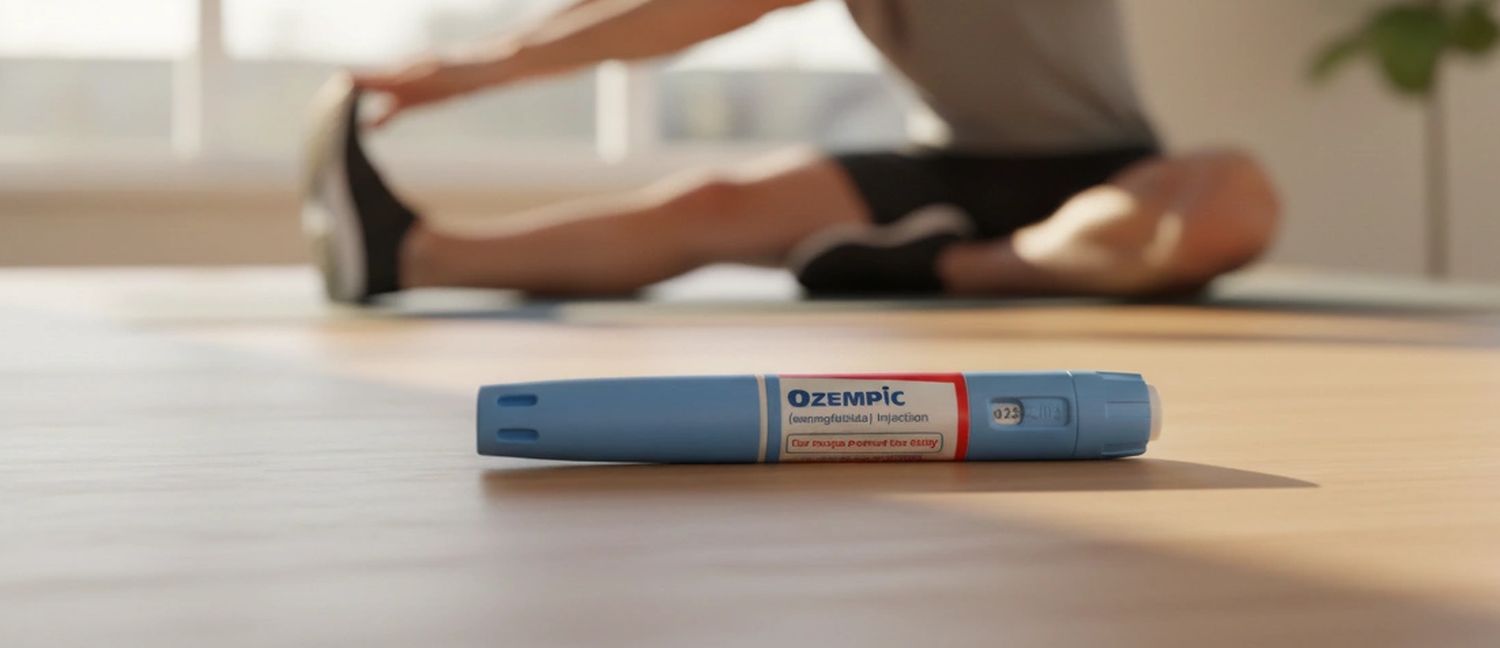
The click is not how you confirm your dose went in. Semaglutide pens produce clicking sounds while you dial and while the plunger moves, but those sounds are a byproduct of the mechanism, not a delivery confirmation. The actual confirmation is visual and time based: the dose counter returns to zero, and you keep the needle in your skin and the button pressed for several seconds after it does. If the counter reached zero and you held it, your dose went in whether you heard anything or not.
Why the click is unreliable as a signal
The clicking you hear comes from the ratchet inside the pen. It is loud in a quiet bathroom at 6am and easy to miss in a kitchen with a dishwasher running, in a hotel room with the air conditioning cycling, or if you have any degree of hearing loss in that range. It also sounds different depending on how you hold the pen and whether the pen is nearly full or nearly empty.
Manufacturer instructions specifically warn against counting clicks as a way of tracking your dose, because the sound and the delivered volume are not reliably matched. People who count clicks instead of reading the counter tend to end up either second-guessing correct injections or, less often, injecting an amount they did not intend.
What actually confirms delivery
The dose counter reaching zero
Before you inject, the counter shows your dose. As the plunger advances, the number counts down. When it reads zero, the mechanism has completed its travel. That is the primary confirmation, and it is visual, which is why it works regardless of ambient noise.
Holding the needle in place afterward
This is the step people skip, and it matters more than any sound. The medication does not exit the needle instantly. Subcutaneous tissue takes a moment to accept the volume, and if you withdraw the moment the counter hits zero, some of the dose is still in transit and ends up on your skin instead of under it.
Injection technique research is consistent on this point across pen devices: keeping the needle in the skin for a slow count after the counter zeroes is what prevents leakage and ensures the full volume is delivered. For semaglutide pens, manufacturer instructions specify a slow count of six. Longer does no harm.
A dry needle tip and a dry skin surface
After you withdraw, look at the needle tip and the injection site. A tiny bead of liquid at either is common and does not mean the dose failed. A noticeable dribble running down your skin means a meaningful fraction did not go in, which is a different situation covered further down.
The most common reasons people hear nothing
Ambient noise. The pen is quiet. Most rooms are not.
Hearing range. The ratchet click sits in a frequency band that is often the first to go with age related hearing changes.
Grip. Holding the pen with your palm wrapped around the barrel dampens the sound considerably compared with holding it between your fingers.
Slow, steady pressure. Pressing the button smoothly rather than sharply produces a softer sound than the abrupt click people expect from injection pens they have seen elsewhere.
Consider this scenario: a patient has injected for three months in a silent bathroom and always heard a distinct click. On a work trip, they inject in a hotel room with the fan on, hear nothing, and spend the next hour convinced the dose failed. In that case the counter had read zero and they had held for six seconds, which means the injection was fine. The variable that changed was the room, not the pen.
When it really might not have gone in
There is a real version of this concern, and it looks different from silence. Suspect an incomplete dose if:
- The dose counter did not return to zero and stopped at a number partway down
- The counter stopped moving and the button would not depress further
- You saw a noticeable stream or run of liquid at the site rather than a single small bead
- The needle came out of your skin partway through the press
- The pen was leaking around the needle hub during the injection
The first two point to a device problem or an empty pen. The middle two point to a technique issue. The last points to a needle that was not attached straight or a damaged cartridge.
What to do if you think the dose failed
Do not immediately re-inject. This is the single most important part. Repeating a weekly GLP-1 dose because you were not sure the first one worked is how people end up with a genuinely miserable few days of nausea and vomiting, and the odds strongly favor the first dose having worked.
Call your provider before doing anything. Describe what the counter did, what you saw at the site, and how much of the pen appears used. That information lets a clinician tell you whether to wait for your next scheduled dose or take a different step.
Note it and watch the week. If a dose genuinely did not go in, your body usually tells you. Appetite suppression that had been steady tends to fade noticeably by mid week. Our article on when Ozempic starts suppressing appetite describes the normal weekly rhythm, which makes a genuine miss easier to recognize.
Building a routine that removes the doubt
The people who never worry about this have usually built two habits. First, they read the counter rather than listening for the pen. Second, they inject at the same point in the week, in the same setting, which makes any deviation obvious. Whether the specific day matters at all is a common question, and we covered it in does injection day matter for Ozempic or semaglutide.
It also helps to rotate sites on a set pattern rather than choosing in the moment, because a consistent depth and tissue quality makes each injection feel the same. Our guide on how to rotate injection sites for semaglutide and tirzepatide lays out a rotation you can follow without thinking about it.
Where this leaves you
Silence is not evidence of failure. The counter is the evidence. If it reached zero and you held the needle in place, you can stop replaying the moment and get on with your week.
If you would rather ask a person than search for reassurance at midnight, TrimRx includes clinical support with treatment, so device questions go to a care team instead of a forum.
This information is for educational purposes and is not medical advice. Consult with a healthcare provider before starting any medication. Individual results may vary.

Transforming Lives, One Step at a Time
Keep reading
Ozempic Changed How You and Your Partner Spend Time
Friday night was a place you both liked and a bottle of something. Sunday was a long breakfast. Holidays were planned around restaurants. That…

Partner Says You’re Not Eating Enough on Ozempic?
It has become a thing at dinner. They watch your plate. You feel watched. Something gets said, or pointedly not said, and the meal…

Weekly Client Dinners on Ozempic: A Plan for Recurring Work Meals
Managing one difficult dinner is a matter of ordering well. Managing four a week indefinitely is a different problem, because anything that relies on…


