Can You Store Semaglutide in the Fridge Door?
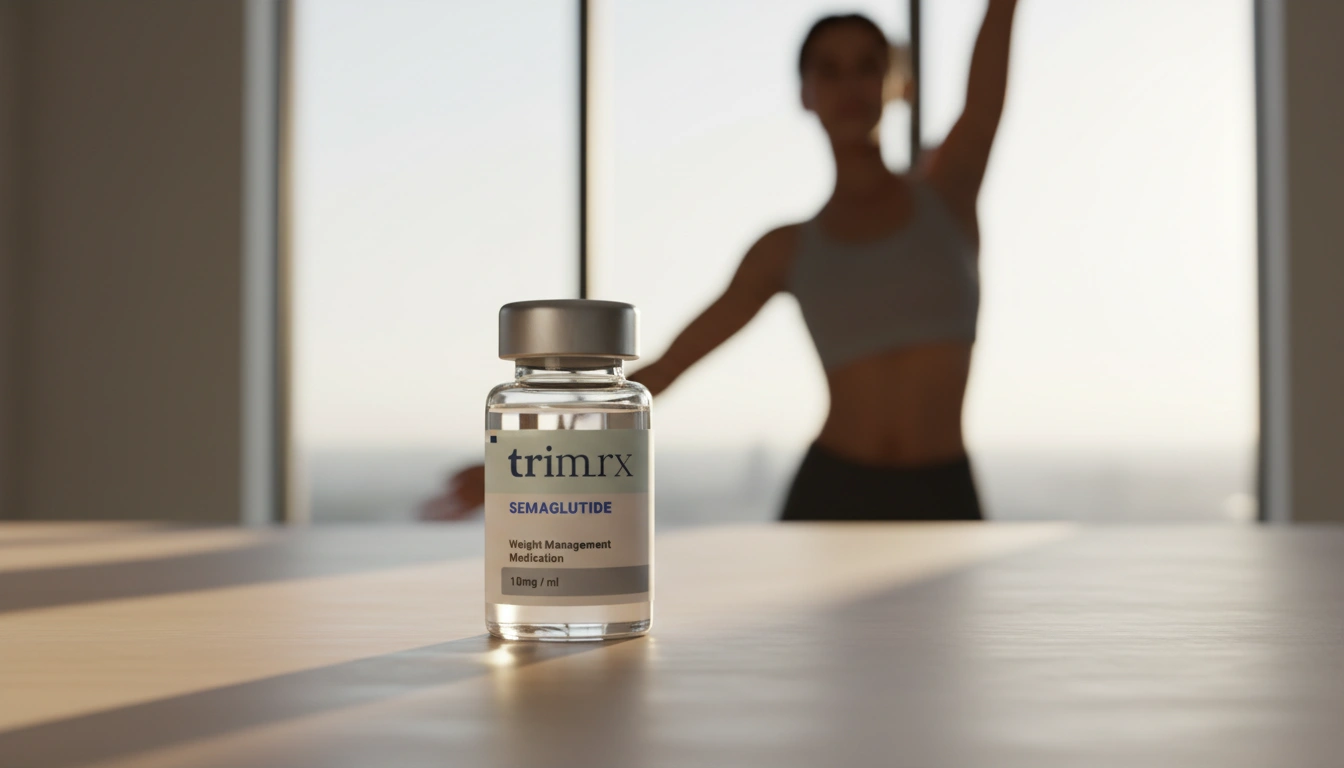
You can, but you should not if you have a better option. The door is the warmest and most variable part of a refrigerator. Every time you open it, the shelves in the door are the ones exposed directly to room air, and they lack the steady cold airflow the interior shelves get. Semaglutide is a peptide, and peptides do better with stability than with averages.
The better spot is the middle of an interior shelf, positioned back from the front edge but not touching the rear wall. That location gets consistent cold air without sitting in the coldest zone where freezing becomes a risk.
Why the door is the worst shelf
Four things work against it:
It swings out into the room. Opening the door does not just let warm air in, it physically moves the door shelves into the kitchen. The medication takes the full ambient exposure for as long as the door is open.
It gets opened constantly. Most households open the fridge many times a day. Each opening is a small warming event, and door shelves absorb every one of them.
It has less insulation and no direct airflow. Cold air is circulated to the interior. The door is cooled largely by proximity.
It holds the things people reach for most. Condiments, drinks, and the medication all get grabbed at the same rate, which means the medication comes out and goes back more often than it needs to.
The result is a location that spends more time near the top of the acceptable range, and sometimes above it, than anywhere else in the appliance.
Why the very back is also wrong
People who learn the door is bad often overcorrect and push the medication against the rear wall, which is the other failure mode.
Cold air typically enters near the back. Anything pressed against the rear panel or sitting directly in the path of the vent can drop below freezing while the rest of the shelf reads normal. For semaglutide, freezing is worse than a warm excursion, because it damages the peptide structure in a way that is often invisible after thawing and cannot be reversed.
What the data says about home refrigerators
This is not a hypothetical concern. A study that placed temperature sensors alongside refrigerated insulin in people’s homes analyzed logs from 230 refrigerators and found that every one of them showed deviations outside the recommended temperature range at some point. Household refrigerators are considerably less stable than the number on the front panel suggests.
Consider this scenario: a patient stores their pen in the door because that is where it fits, checks the fridge display which reads a reassuring number, and assumes everything is fine for months. The display reports one sensor in one location. It says almost nothing about the door.
The better placement, specifically
Middle shelf, interior. Not the top shelf, which tends to run slightly warmer, and not the bottom drawer, which can run colder and is often forgotten.
Back from the front edge, but with a gap from the rear wall. A couple of inches of clearance is enough to stay out of the coldest zone.
In its original carton. The packaging buffers small local swings and protects from light.
Away from the freezer vent. In many designs this is a visible opening on the back or top of the compartment. Do not put medication in front of it.
In a dedicated spot. A small labeled container keeps the medication from migrating to wherever there happens to be room this week.
If the door is genuinely your only option
Sometimes it is: a small fridge, a shared household, a dorm situation. Reasonable mitigations:
- Use the lowest door bin rather than the top, since warm air rises
- Push it to the back of the bin rather than the front
- Keep it in an insulated pouch or small closed container within the door for extra thermal buffering
- Fill the surrounding bin with other items so there is more mass to hold temperature
- Reduce how often the door is opened, or at least keep openings short
These help. They do not make the door as good as an interior shelf.
Get a thermometer
The recommendation that makes all of this concrete: put an inexpensive minimum and maximum refrigerator thermometer next to the medication for a week and read it.
Most people are surprised. If the maximum is higher than the recommended range or the minimum drops to freezing, you have learned something actionable that no amount of guessing would have told you. If both readings sit comfortably in range, you can stop thinking about it.
What not to store it with, and where never to put it
Never in the freezer. Not to cool it faster, not for storage, not for any reason.
Not directly against ice packs or frozen items. Contact freezing is a real mechanism.
Not on top of the refrigerator. The motor vents warm air, making that one of the warmer surfaces in the kitchen.
Not in the crisper drawer with produce, which is often humid and can run at a different temperature from the main compartment depending on the drawer setting.
If your medication is compounded rather than branded, the storage instructions from your pharmacy override anything general. Compounded preparations often carry stricter requirements, and the pharmacy that made it knows what its beyond-use dating assumes. Our overview of what a compounding pharmacy is and how it works explains why those instructions can differ from a manufacturer’s.
When to call
Contact your pharmacy if a thermometer shows your storage spot regularly runs outside the recommended range, if you find the medication frozen or suspect it froze, if the solution looks cloudy or has particles, or if you have been storing it somewhere questionable for a long stretch and want to know whether the current supply is still reliable.
The short version
The door is convenient and it is the worst shelf in the fridge. Move it to the middle of an interior shelf, keep a gap from the back wall, leave it in its carton, and put a thermometer next to it.
If you are just setting up your routine, our guides to storing compounded semaglutide or tirzepatide at home and the semaglutide starting dose cover the rest of what to get right early. And if you want treatment that arrives with cold-chain packaging and a care team to ask, TrimRx handles both.
This information is for educational purposes and is not medical advice. Consult with a healthcare provider before starting any medication. Individual results may vary.

Transforming Lives, One Step at a Time
Keep reading

Hair Shedding Months Into Semaglutide
It shows up in the shower drain first, then on the pillow, then in the brush. By the time most people search this, they…

Vision Changes on Semaglutide: What to Know
Three different things get bundled together under this question, and they carry very different levels of urgency. Separating them is most of the work….

High-Altitude Hiking on Semaglutide
You have a trip booked and an appetite that already does not work the way it used to. The worry is reasonable, and there…


