High-Altitude Hiking on Semaglutide
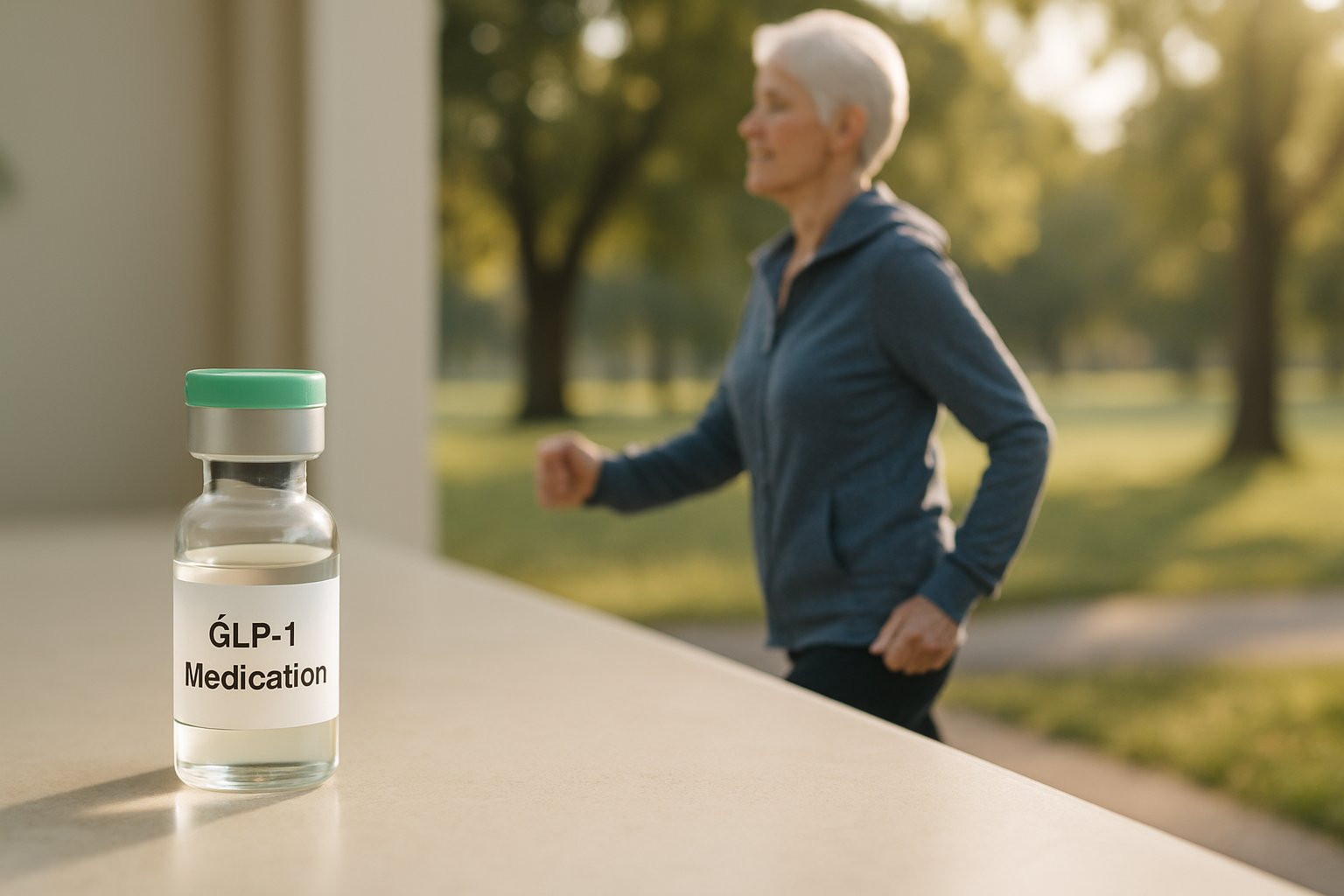
You have a trip booked and an appetite that already does not work the way it used to. The worry is reasonable, and there is a second issue most people planning this have not thought about, which matters more than the first.
Altitude suppresses appetite on its own
This is well documented and it is not a minor effect. Going high reduces how much people eat, independently of anything else.
A controlled study of appetite at high altitude found that appetite fell and food preferences changed alongside shifts in appetite-regulating hormones during energy deficit at altitude. The finding worth carrying with you is that increasing protein intake did not prevent it. This is a physiological response to altitude, not a problem you can eat your way around by choosing better food.
So you are stacking two appetite suppressants. Your medication is one. The mountain is the other. Whatever you currently manage to eat at sea level, plan on less up there.
That matters because altitude increases your energy requirement at the same time. You need more and you will want less, which is the same structural problem as endurance training but with worse consequences for getting it wrong, because you are further from help.
The part that actually matters: symptoms overlap
Here is the thing to take away from this article if you take nothing else.
Early acute mountain sickness presents as nausea, vomiting, loss of appetite, headache, fatigue, and poor sleep.
GLP-1 side effects present as nausea, vomiting, loss of appetite, and fatigue.
If you feel sick at 12,000 feet and conclude it is your medication, you may keep ascending with altitude sickness. That is the genuine risk of this combination, and it is a misattribution risk rather than a drug risk.
The rule that handles it: at altitude, treat new or worsening symptoms as altitude until proven otherwise. Do not explain them away with your prescription. The cost of stopping the ascent for a day when it was only the medication is a lost day. The cost of the reverse is much higher.
Tell whoever you are hiking with that you take this medication and what its side effects look like, so someone other than you is watching. People are bad at assessing themselves at altitude, which is exactly why guided groups watch each other.
Consider this scenario: someone on day three of a trek feels nauseated and cannot face breakfast. They have felt exactly this after every dose increase for months, so they assume it is the injection they took on day one and carry on up. By late afternoon the headache has arrived. They have spent a full day ascending on a working assumption that nobody else was in a position to challenge, because nobody else knew what the alternative explanation was.
Dehydration is the other stacking problem
Altitude dehydrates you through faster breathing and dry air. GLP-1 side effects dehydrate you if they involve vomiting or diarrhea. Dehydration also makes altitude sickness worse.
This is worth taking seriously. Prescribing information for these medications notes postmarketing reports of acute kidney injury, mostly in people who became dehydrated through nausea, vomiting, or diarrhea. On a mountain, with limited water and high exertion, that chain is shorter than it is at home.
Drink deliberately rather than by thirst, because thirst is not a reliable signal up there either.
Timing your dose around the trip
Worth discussing with your provider well before you go, not the week of.
Do not increase your dose close to the trip. The days after an increase are the worst days, and you do not want them coinciding with your ascent. Give yourself several stable weeks at a known dose first.
Think about where the injection lands. If you inject weekly, work out which days of the trek follow your dose and whether that is the timing you want.
Ask about holding a dose. For some people and some trips this is reasonable and for others it is not. It is a question for your provider rather than a decision to make in a hotel the night before.
Logistics
Storage is the practical problem. These medications need specific conditions and a multi-day trip does not offer a refrigerator. Our guide on storing compounded semaglutide or tirzepatide at home covers what the requirements are, and the important part is that the window outside refrigeration depends on your specific product. Ask the pharmacy that prepares yours what applies to what you have, before you pack, and plan the trip around their answer rather than a general rule.
Injecting in the field is different. Cold hands, a tent, no clean surface. Our guide on GLP-1 injection sites covers the options, and it is worth deciding in advance which site is realistic when you are wearing four layers.
Carry a sharps solution. You are packing it out. Plan for that before you leave.
Bring food you can actually get down. This is where people fail. Whatever you normally tolerate when your stomach is slow is what you should carry, not what the packing list recommends. Liquid calories tend to work when solid food will not, at altitude and on this medication both. Our guide on what to eat to minimize nausea covers what tends to sit well.
Before you book anything
Talk to your provider, and if the trip involves serious altitude, talk to a travel or altitude medicine clinician as well. Questions worth asking: whether your dose should be stable or held for the trip, whether altitude sickness prevention medication is appropriate for you alongside what you take, what your plan is if you cannot keep food down, and what your threshold should be for descending.
Then tell your guide or trip leader. A good one will want to know, and will adjust how closely they watch you.
The short version
Altitude suppresses appetite on its own and protein does not fix it, so plan on eating less than you currently manage while needing more. Treat any new symptom up there as altitude rather than as your medication, because the two look identical and only one of them gets worse if you keep climbing. Hydrate deliberately. Do not step up your dose near the trip. Sort out storage with your pharmacy before you pack, not after. And make sure at least one other person on the mountain knows what you take.
If you want a provider who will plan a dose schedule around a trip like this, TrimRx includes ongoing provider access alongside treatment.
This information is for educational purposes and is not medical advice. Consult with a healthcare provider before starting any medication. Individual results may vary.

Transforming Lives, One Step at a Time
Keep reading
Started Semaglutide Together and Your Partner Lost Faster?
You started the same week, on the same dose, eating largely the same food in the same house. Four months in, they are visibly…
Explaining Your Semaglutide Prescription to a Teenager
They have noticed. There is something in the fridge, you inject it on Sundays, and you are eating differently. Teenagers notice more than they…
Questions to Ask a Telehealth Service Before Paying for Semaglutide
Twelve questions, and three answers that should end the conversation entirely. The useful framing is that you are not buying a medication, you are…


